


Origin: United States
Balinese
Get reminders for your Balinese's vaccines
Vaccination and parasite reminders, food-safety scans and health records — free to start in the Pethls app.


Good for
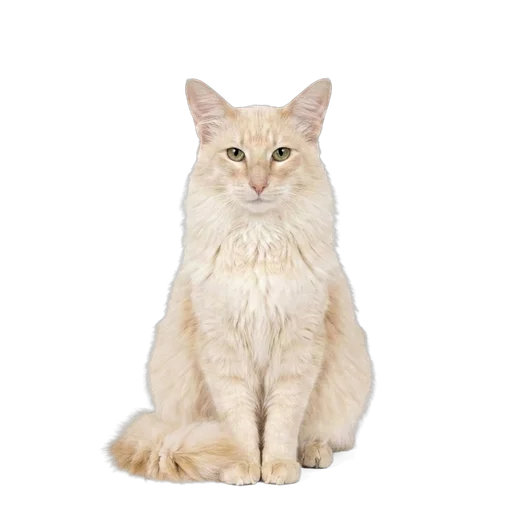
The Balinese is, in plain terms, a longhaired Siamese, and it shares that breed's sharp mind and even sharper voice. Despite the elegant, flowing coat and plumed tail, there is no undercoat here, which keeps grooming light and shedding minimal. This is a cat that talks. Balinese will hold long conversations with you, comment on your day, and let you know the moment their dinner is late. They are deeply people-oriented, forming intense bonds with their families and hating to be left alone for long stretches. Smart, agile and endlessly curious, a Balinese wants to be involved in whatever you are doing.
Temperament & personality
The Balinese is an extrovert. It craves company and interaction, and it will seek you out rather than wait to be noticed. Expect a shadow that helps you make the bed, supervises the cooking, and settles on your keyboard the moment you sit down to work. Left alone too long or too often, a Balinese can become bored and unhappy, so this is not a breed for a household that is empty all day.
Then there is the voice. Like their Siamese relatives, Balinese are vocal and opinionated, using a wide range of sounds to tell you exactly what they think. Some owners adore the running commentary; others find it a lot. If you want a quiet, low-key cat, this is not your breed, but if you want a chatty companion who genuinely seems to converse with you, few do it better.
Intelligence runs high. Balinese learn tricks, open doors, work out puzzle feeders and remember routines. That cleverness needs an outlet, so plan for interactive play, climbing space and a rotation of toys. A bored Balinese will invent its own entertainment, and you may not approve of the results. Give this cat a job and it thrives.
Vaccination schedule
The core FVRCP vaccine (feline viral rhinotracheitis, calicivirus and panleukopenia) starts at 6 to 8 weeks of age, with boosters every three to four weeks until the kitten is at least 16 weeks old. Completing the whole series is what builds lasting protection, so do not stop after the first shot even if your kitten seems perfectly healthy.
Rabies vaccination is given between 12 and 16 weeks, followed by a booster a year later and then every one to three years depending on the vaccine and local requirements. In many areas it is a legal obligation, particularly for cats that go outside or travel across borders.
Feline leukaemia (FeLV) vaccination is advised for any Balinese with outdoor access or contact with cats whose health status is unknown. For a strictly indoor cat, your vet may decide it is not needed after the kitten series. Because Balinese are prone to feline asthma, keep up regular checkups so any respiratory changes are spotted early.
Best food & diet
Balinese are lean, athletic cats with fast metabolisms, and they do well on a high-protein, meat-first diet. Choose a complete food with named animal proteins at the top of the ingredient list. These cats burn energy readily, so they usually maintain a trim figure without much trouble, but that is no reason to overfeed.
Portion for a slim, medium-sized cat. Adults typically weigh between 2.5 and 5 kilograms, and the breed's elegant build should stay visible, with a clear waist and easily felt ribs. Two measured meals a day suit most Balinese better than free-feeding, and it lets you monitor appetite, which is a useful early warning sign of illness.
Dental health deserves attention in this breed, so ask your vet whether a dental diet or dental treats would help alongside tooth brushing. Keep fresh water available at all times, and introduce any diet change slowly over about a week to avoid digestive upset. Some Balinese are enthusiastic drinkers from a running fountain.
Common health problems
Progressive retinal atrophy (PRA) is an inherited eye disease seen in the breed. It gradually destroys the retina and leads to blindness, usually with no pain and no visible signs until vision is already fading. A DNA test is available, so responsible breeders screen their cats and can show you the results. Affected cats often cope remarkably well thanks to their other senses.
Feline asthma is more common in the Siamese family than in cats generally, and the Balinese is part of that family. Watch for coughing, wheezing or a hunched posture with the neck extended, which can look like the cat is trying to bring up a hairball but nothing comes. Asthma is manageable with veterinary treatment, so get any persistent cough checked rather than dismissing it.
Amyloidosis is a protein disease that runs in the Siamese line and typically affects the liver or kidneys, where abnormal protein deposits interfere with normal function. It tends to appear in middle age and can be serious, so annual bloodwork helps catch organ changes early. Some cats in the colorpoint line can run into crossed eyes (strabismus), which is usually cosmetic, and, as in any cat, the Balinese benefits from a good dental home-care routine.
Allergies & skin
The Balinese is sometimes marketed as a lower-allergen cat, and the fine, single-layer coat with no undercoat does mean less fur floating around a home. But this is not the same as hypoallergenic. Balinese still produce Fel d1, the allergen responsible for most cat reactions, in their saliva and skin, and that allergen still ends up on the coat and around the house.
If you have allergies and are drawn to the breed, treat any 'hypoallergenic' claim with caution and test your own response. Spend meaningful time with the individual cat over several visits before you commit, because reactions vary from person to person and from cat to cat. There is no guarantee, only a chance that you may find this breed easier than others.
For the cat's skin, the sleek coat makes irritation easy to spot, so a quick check while you stroke or brush is usually enough. Flea allergy is the most common skin complaint in cats, which is another reason to keep parasite control going year-round. Some Balinese also react to things they eat or breathe in: beef, chicken and salmon are common food triggers, and dust mites are a frequent environmental one, so if you see recurring itching, ear trouble or an upset stomach, an elimination diet or a chat with your vet can help pin down the culprit. Any bald patches, scabs or persistent scratching should prompt a vet visit.
Flea, tick & worm prevention
Only ever use flea and tick products licensed for cats. This point cannot be overstated: dog spot-ons containing permethrin are toxic to cats and can be fatal even in small doses, because a cat's liver cannot break the chemical down. Get your parasite prevention from your vet, dosed to your Balinese's weight, and keep dog products well away from the cat.
The thin Balinese coat makes fleas relatively easy to see, but prevention still beats treatment. A regular cat-safe preventive, monthly or every few months depending on the product, keeps infestations from taking hold. Indoor cats are not immune, since fleas hitch rides on clothing and other pets.
Worming completes the routine. Roundworms and tapeworms are the common ones, and because fleas carry tapeworm, flea control and worming work hand in hand. Most cats are wormed roughly every three months, with hunters and outdoor cats needing it more frequently. Your vet will tailor the schedule to how your cat lives.
Medications & dosing
All cat medication is dosed by body weight, so keep an accurate, up-to-date weight for your Balinese. In a small, light breed like this one, even a modest error in dosing matters more than it would in a large cat, so precision counts. Weigh your cat rather than estimating, and share that figure whenever a medication is prescribed.
Human painkillers are off-limits. Paracetamol (acetaminophen) is deadly to cats in very small amounts, and ibuprofen and aspirin are also dangerous. Never medicate a cat in pain with anything from your own cabinet. Only a vet-prescribed, cat-specific drug is safe, and only at the dose your vet directs.
If your Balinese develops asthma, you may end up giving inhaled medication through a feline spacer and mask, and it is worth learning the technique properly from your vet or nurse. Complete every prescribed course fully, never share medication between pets, and ask about a flavored liquid if pilling a wriggly, vocal Balinese proves a battle.
Grooming & coat care
One of the pleasant surprises of the Balinese is how little grooming that elegant coat demands. Because there is no undercoat, the fur does not mat the way a double-coated breed's does, and a gentle brush or comb once a week is usually all it takes to keep it silky and remove loose hairs. The plumed tail benefits from a little extra attention.
Shedding is low year-round, with no dramatic seasonal molt, which is part of the breed's appeal for people who want a longhaired look without a fur-covered home. Weekly brushing also doubles as bonding time, and most Balinese, being the sociable creatures they are, treat it as another chance to be near you.
Do not neglect the rest of the routine. Dental care matters for every cat, so regular tooth brushing genuinely helps, ideally started young. Trim the claws every few weeks and check the ears for wax. Because Balinese can have eye issues, keep an eye out for any discharge, cloudiness or change in how they navigate, and mention anything unusual to your vet.
How the Balinese compares
Deciding between similar breeds? Here is the Balinese next to Oriental Longhair.
| Balinese | Oriental Longhair | |
|---|---|---|
| Size | Medium | Medium |
| Weight | 2.5-5 kg | 2.5-5.5 kg |
| Lifespan | 12-20 yrs | 12-15 yrs |
| Activity | Active | Active |
| Shedding | Low | Low |
| Good with kids | Yes | Yes |
| Apartment-friendly | Yes | Yes |
Frequently asked questions
Are Balinese cats just longhaired Siamese?
Essentially, yes. The Balinese carries the same body type, colorpoint pattern, personality and voice as the Siamese, but with a longer, silky coat and a plumed tail. It arose from longhaired kittens appearing in Siamese litters and was then developed as its own breed. The temperament is pure Siamese.
Are Balinese cats hypoallergenic?
No. They are sometimes marketed as lower-allergen because the single coat sheds little, but Balinese still produce Fel d1, the main cat allergen, in their saliva and skin. If you have allergies, spend time with the specific cat over several visits before committing rather than trusting the label.
Why is my Balinese so vocal?
It is bred into them. Like the Siamese, Balinese are naturally talkative and use a wide range of sounds to communicate with their people. Most of the time it means they want attention, food or a conversation. If the vocalising suddenly increases or changes character, it is worth a vet check to rule out pain or illness.
Can Balinese cats be left alone during the day?
Not for long stretches, and not every day. Balinese are intensely people-oriented and can become bored, stressed or destructive when isolated. If your household is out for long hours, consider a second compatible pet for company, plenty of enrichment, or a different breed better suited to solitude.
How much grooming does a Balinese need?
Very little for a longhaired cat. Because there is no undercoat, the coat rarely mats, and a gentle brush once a week keeps it silky and shedding low. Pay a bit more attention to the tail. The bigger grooming priority is dental care, which matters for all cats.
Related breeds
Health and care information is drawn from established veterinary sources and is general guidance, not veterinary advice. See our sources
Keep records for your Balinese
Vaccinations, food and treat safety, allergy alerts and parasite reminders - all tracked for your Balinese in the Pethls app.