

Origin: United States
Oriental Longhair
Get reminders for your Oriental Longhair's vaccines
Vaccination and parasite reminders, food-safety scans and health records — free to start in the Pethls app.


Good for
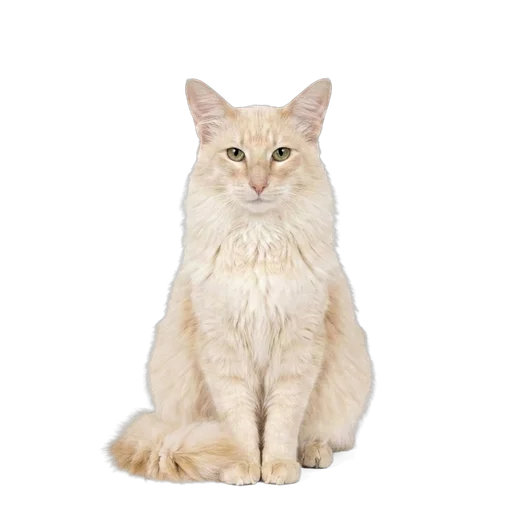
The Oriental Longhair is the flowing-coated cousin of the Siamese, sharing that same slim, athletic frame and wedge-shaped head but wearing a fine, silky coat instead of a sleek one. These are talkative, tightly bonded cats that follow you room to room and comment on everything you do. They stay kitten-like well into adulthood, wanting games, puzzles, and conversation long after other breeds have settled down. If you leave for long days and come home to silence, this is not the cat for you. Give one attention and stimulation, though, and you get one of the most devoted companions in the cat world.
Temperament & personality
Oriental Longhairs are loud, and they mean it. They hold whole conversations, greet you at the door, and let you know exactly when a food bowl is running low. This is a breed that treats silence as a problem to be solved, so people who love a chatty, interactive cat tend to fall hard for them.
Underneath the noise is a genuinely clever animal. They learn to open cupboards, fetch small toys, and figure out puzzle feeders faster than most cats. That intelligence needs an outlet, and a bored Oriental will invent its own entertainment, usually involving something you would rather it left alone.
Socially they run hot. They bond intensely with their people and often pick one favorite human to shadow. They generally do well with respectful children and other pets, especially another active cat that can match their pace. What they cannot handle is being left alone for long stretches, day after day. Loneliness shows up as yowling, destructiveness, or over-grooming.
Vaccination schedule
Kittens start the FVRCP core vaccine (feline viral rhinotracheitis, calicivirus, and panleukopenia) at around 6 to 8 weeks of age, then receive boosters every 3 to 4 weeks until they are at least 16 weeks old. That final booster after 16 weeks matters, because maternal antibodies can block earlier doses from taking full effect.
Rabies is given once between 12 and 16 weeks, depending on the vaccine your vet uses and local law. After the initial course, FVRCP and rabies boosters follow a 1 to 3 year schedule based on the specific products and your cat's lifestyle.
The FeLV (feline leukemia) vaccine is recommended for any Oriental Longhair with outdoor access or contact with cats of unknown status. Indoor-only cats may not need it long term, but vets often advise it during the first year regardless, since kittens are the most susceptible to the virus. Talk through your cat's real exposure risk and let that guide the plan.
Best food & diet
Oriental Longhairs are lean, high-energy cats with fast metabolisms, so they do best on a protein-rich diet built around named animal proteins. A quality complete food, whether all wet or a mix of wet and dry, keeps their slim muscle tone without piling on fat. Because they carry very little spare weight naturally, sudden weight loss is worth a vet visit rather than a wait-and-see.
Portion to the cat in front of you, not the bag's generic chart. These cats burn a lot through sheer activity, but a strictly indoor Oriental can still tip into being overfed if you free-feed dry food all day. Measured meals or a timed feeder work better than a permanently full bowl.
Fresh water should always be available, and many of these cats drink more readily from a fountain than a still bowl. Dental care matters for any cat, so ask your vet whether a dental-formula diet or dental treats make sense alongside home tooth care.
Common health problems
Feline asthma appears more often in Oriental and Siamese-type cats than in the general population. Watch for a persistent cough, wheezing, or open-mouth breathing after exertion, and treat any breathing difficulty as an urgent problem. Managed early with inhalers or medication, many asthmatic cats live full lives.
Hypertrophic cardiomyopathy is the heart-muscle disease most often seen in this family of cats, where the walls of the heart thicken and it pumps less efficiently. Progressive retinal atrophy, an inherited degeneration of the retina, can also show up, gradually reducing vision. Both can be silent for a long time, which is why regular checkups and, for breeding lines, screening matter.
Amyloidosis, in which abnormal protein deposits build up in organs such as the liver or kidneys, is another concern in this family of cats and can be serious. Most of these problems can stay silent for a long time, so annual exams, attention to breathing and appetite, and prompt follow-up on anything that seems off give these cats their best odds.
Allergies & skin
The Oriental Longhair's fine, silky coat carries little undercoat, so skin is relatively easy to keep an eye on. This breed is not hypoallergenic. All cats produce the Fel d 1 protein that triggers human allergies, and a longer coat can spread that dander around, so allergy sufferers should spend real time with the breed before committing.
For the cat's own skin, the usual triggers apply: flea-bite sensitivity, food-ingredient reactions, and environmental allergens like pollen or dust. Signs include over-grooming, scabby bumps, or bald patches, often around the belly, neck, or base of the tail. A cat that suddenly grooms one spot raw is telling you something.
Because this breed is prone to over-grooming when stressed, a skin allergy and an anxiety habit can look identical, and telling them apart usually takes a vet's input. Reliable flea control removes the single most common itch trigger, and a diet trial can identify a food culprit when needed.
Flea, tick & worm prevention
Use only flea and tick products labeled for cats. Never apply a dog product, and be especially careful with permethrin, which is common in canine spot-ons and is toxic, potentially fatal, to cats. If your dog wears a permethrin product, keep the cat away until it has fully dried and absorbed.
Even an indoor Oriental can pick up fleas carried in on clothing or by other pets, so year-round cat-safe prevention is the simplest approach. Your vet can recommend a spot-on or oral product suited to your cat's weight and lifestyle.
Worming schedules depend on hunting and outdoor access. Indoor-only cats generally need less frequent deworming than those that hunt, but a routine faecal check keeps you honest. Many modern cat parasite products combine flea and worm coverage, which cuts down on separate dosing days.
Medications & dosing
All medication for an Oriental Longhair should be weight-based and prescribed by your vet. These are light cats, often 5.5 to 12 pounds (about 2.5 to 5.5 kg), so a dose calculated for a heavier animal can easily be too much. Weigh the cat, don't estimate.
Never give human painkillers. Paracetamol is lethal to cats even in tiny amounts, and ibuprofen and aspirin are dangerous without specific veterinary direction. If your cat seems to be in pain, call your vet rather than reaching for anything in your own medicine cabinet.
For asthma or heart medication, consistency is everything: give the full course, at the same times each day, and never stop a cardiac or respiratory drug abruptly. This breed can be dramatic about pills, so ask your vet about flavored compounds or the least stressful route before a battle of wills sets in.
Grooming & coat care
For a longhaired cat, the Oriental is refreshingly low-maintenance. The single, fine coat lies close to the body and lacks the dense undercoat that mats, so a weekly brush or comb is usually enough to keep it glossy and remove loose hair. Shedding is light compared with plush-coated breeds.
All the same, many of these cats simply enjoy the attention, and grooming sessions double as bonding time and a chance to check skin, ears, and body condition. Run your hands over the whole cat while you groom and you will catch lumps, scabs, or weight changes early.
Round out the routine with regular nail trims, ear checks, and, importantly, dental care. Because dental disease can affect any cat, daily or near-daily tooth brushing with cat-safe toothpaste is one of the highest-value habits you can build.
How the Oriental Longhair compares
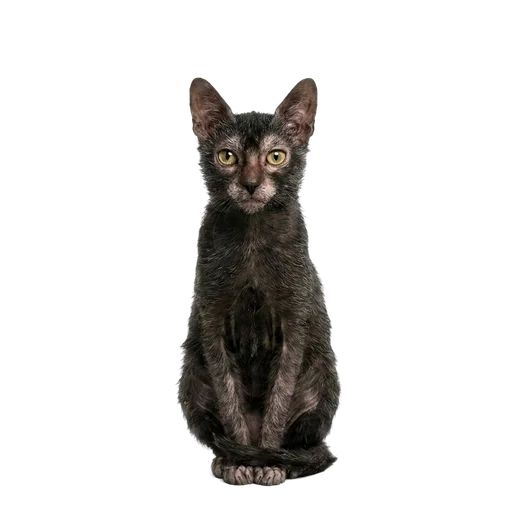
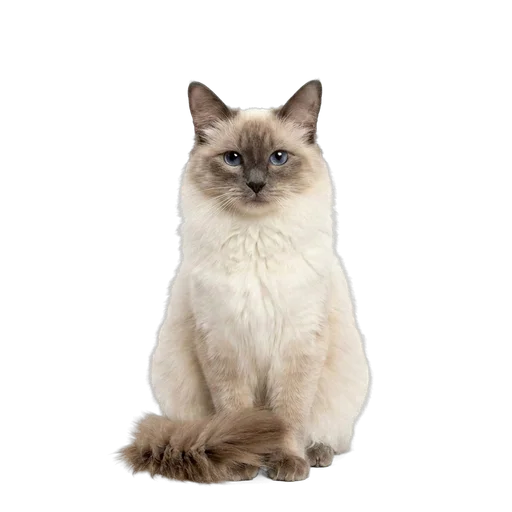
Deciding between similar breeds? Here is the Oriental Longhair next to Lykoi and Balinese.
| Oriental Longhair | Lykoi | Balinese | |
|---|---|---|---|
| Size | Medium | Medium | Medium |
| Weight | 2.5-5.5 kg | 2.5-5 kg | 2.5-5 kg |
| Lifespan | 12-15 yrs | 12-15 yrs | 12-20 yrs |
| Activity | Active | Active | Active |
| Shedding | Low | Medium | Low |
| Good with kids | Yes | Yes | Yes |
| Apartment-friendly | Yes | Yes | Yes |
Frequently asked questions
Are Oriental Longhairs really as loud as Siamese?
Yes. They share the Siamese voice and personality and use it freely. They greet you, demand attention, and narrate their day. If you want a quiet cat, this breed will frustrate you; if you enjoy a chatty companion, it is a highlight.
Can an Oriental Longhair be left alone all day?
Not comfortably. This is one of the most people-dependent breeds, and long daily isolation leads to stress, yowling, and over-grooming. If you work long hours, a second active cat for company helps a great deal.
Do they need a lot of grooming despite the long coat?
No. The fine, undercoat-light coat rarely mats, so a weekly brush keeps it in good shape and shedding stays low. The daily commitment is really about dental care as much as coat care.
Are Oriental Longhairs hypoallergenic?
No. They produce the same Fel d 1 allergen as any cat, and there is no truly hypoallergenic breed. Allergy sufferers should spend extended time around one before bringing it home.
Are they good with children and other pets?
Generally yes, with respectful kids and compatible pets. They are social and playful and often thrive with another energetic cat. Very young children need supervision so play stays gentle for this slender, active breed.
Related breeds
Health and care information is drawn from established veterinary sources and is general guidance, not veterinary advice. See our sources
Keep records for your Oriental Longhair
Vaccinations, food and treat safety, allergy alerts and parasite reminders - all tracked for your Oriental Longhair in the Pethls app.