

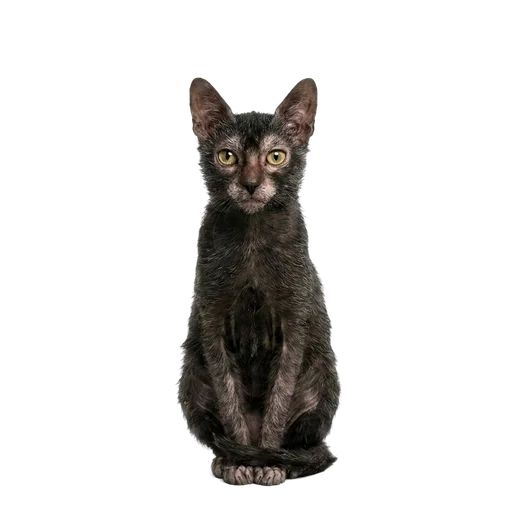
Origin: United States
Lykoi
Get reminders for your Lykoi's vaccines
Vaccination and parasite reminders, food-safety scans and health records — free to start in the Pethls app.


Good for
The Lykoi is the cat people call the werewolf cat, and once you see one the nickname makes sense. A natural genetic mutation gives it a partly hairless, roan coat, sparse silver-and-black hair scattered over pink skin, with bare patches around the eyes, nose, and muzzle. It came out of the United States from feral cats carrying the same recessive trait, and today it is a medium cat of roughly 2.5 to 5 kilograms living around 12 to 15 years. Underneath the spooky exterior is a warm, busy, dog-like companion that bonds hard and plays harder. The coat behaves unlike any other, molting in patches and even leaving the cat briefly bald before it grows back.
Temperament & personality
Lykoi are energetic and deeply attached to their people. Owners often describe them as dog-like: they follow you around, greet you at the door, and want to be part of everything. That loyalty comes with real playfulness, so expect a cat that initiates games and stays kittenish well into adulthood.
A strong prey drive runs through the breed, a leftover from its feral roots. Lykoi love to stalk, pounce, and hunt toys, and they can be resourceful problem-solvers around the house. Channel that energy with interactive play, puzzle feeders, and safe things to chase, or they will find their own entertainment.
They are social and tend to do fine with children and other pets, often bonding with cat-friendly dogs. Because they are so active and intelligent, they are not the best match for someone who wants a quiet lap cat or for a first-time owner who cannot commit to daily engagement. They need a household that likes to interact.
Vaccination schedule
Lykoi kittens follow the same core vaccine plan as any cat. The FVRCP vaccine (feline viral rhinotracheitis, calicivirus, and panleukopenia) starts at 6 to 8 weeks, with boosters every 3 to 4 weeks until at least 16 weeks of age. This protects against the core feline viruses and is recommended for every Lykoi.
Rabies is usually given once between 12 and 16 weeks. Whether it is legally required, and how often boosters must follow, depends on where you live, and the exact timing depends on the vaccine used. Your vet will then set the ongoing booster schedule, generally a booster at one year and then every 1 to 3 years for both FVRCP and rabies depending on the products and regional rules.
FeLV (feline leukemia) is recommended for any Lykoi with outdoor access or contact with cats of unknown status, and kittens should be tested before vaccinating. Given how energetic and curious the breed is, if yours goes outside or leash-walks, put FeLV on the plan; a strictly indoor-only cat may not need it.
Best food & diet
Feed a complete, balanced cat food with animal protein first, matched to life stage: a kitten formula while growing, then an adult diet around a year old. There is no special breed diet required, but the Lykoi's high activity level and unusual coat cycle mean it burns energy freely and benefits from good quality protein and fats.
Because Lykoi are so busy, they usually keep a lean build, but do not leave food out all day without measuring. Measure meals, offer wet food for hydration, and watch body condition so you can adjust as their molt cycle and activity change through the year.
Skin and coat health lean on nutrition. A diet with adequate omega-3 and omega-6 fatty acids supports the skin, which matters for a cat whose skin is so exposed. Keep fresh water available at all times, and check with your vet before any home-prepared or raw diet to make sure it stays complete.
Common health problems
The defining feature of the Lykoi is hereditary hypotrichosis, the recessive trait that produces the sparse, patchy coat. This is not a disease but the breed standard, and it comes with a coat that behaves unusually. Lykoi go through cyclical molting: they can shed heavily, lose hair in patches, and sometimes go nearly bald before the coat regrows.
Those bald phases and the exposed skin drive most of the breed's care needs. The skin tends to run oily because there is less hair to distribute the natural oils, so it can get greasy or develop blackheads, and the large, open ears build up wax. None of this is dangerous, but it means regular skin and ear attention is part of owning the breed.
Outside of the coat, the Lykoi is generally healthy, which is common for a young breed still being studied. As with any cat, keep up with dental care, weight management, and routine exams, and report any skin that looks red, sore, or infected rather than just oily.
Allergies & skin
Skin care is central for the Lykoi in a way it is not for most cats. With so little hair, the skin is exposed to sun, cold, and dirt, and it produces oil that would normally coat the fur. That oil builds up, so occasional gentle bathing with a mild, cat-safe shampoo keeps the skin from getting greasy and helps prevent blackheads and clogged follicles.
The exposed skin also needs protection from extremes. Keep Lykoi out of harsh direct sun to avoid sunburn on bare areas, and out of the cold, since a sparse coat gives little insulation. Their skin can be sensitive, so introduce any new product slowly and stop if you see redness or irritation.
The Lykoi is not hypoallergenic. It sheds less coat than a fully furred cat, but people react to the Fel d 1 protein in saliva and dander, which the Lykoi produces like every cat. In fact the extra skin oils and dander can make some allergy sufferers react as much or more, so do not assume the hairless look means allergy-free.
Flea, tick & worm prevention
Only ever use flea and tick products labeled for cats. Permethrin, found in many dog spot-on treatments, is severely toxic to cats and can cause tremors, seizures, and death. Never put a dog product on a Lykoi, and keep any recently treated dog away until the treatment has dried.
One advantage of the sparse coat is that fleas and ticks are easy to spot, and skin checks are simple. That does not remove the need for prevention. Use a vet-recommended cat-safe monthly or as-directed product, especially since the Lykoi's prey drive and curiosity often push it toward hunting and outdoor exploring.
For intestinal worms, kittens are dewormed on a schedule in their early months, and adults are wormed based on lifestyle and fecal tests. A hunting Lykoi needs worming more often than a purely indoor one. Combination cat products can cover fleas and worms together, so ask your vet to tailor the routine.
Medications & dosing
Dose every medication by your Lykoi's current weight and only on veterinary direction. At 2.5 to 5 kilograms these are not big cats, and their metabolism handles drugs very differently from dogs and humans, so small errors carry real risk. Weigh before dosing rather than estimating.
Keep human medicines away entirely. Paracetamol (acetaminophen) can kill a cat at a tiny dose, and ibuprofen and similar NSAIDs are toxic. For pain or inflammation, use only what your vet prescribes for cats, at the precise dose and frequency directed.
If your vet prescribes a medicated shampoo, ear cleaner, or skin treatment for the Lykoi's oily skin, follow the instructions on frequency exactly, since overusing topical products can irritate sensitive skin. Complete any oral courses fully, and use pill pockets or a compounded liquid to make dosing an active cat manageable.
Grooming & coat care
Grooming a Lykoi is unusual because the coat itself is unusual. There is not much fur to brush, but the skin needs attention. The core task is occasional gentle bathing to manage the oil that builds up on the exposed skin, using a mild cat shampoo and drying carefully afterward. How often depends on how greasy your individual cat gets.
Work around the molt cycle rather than fighting it. Lykoi shed in patches and can lose most of their coat during a molt before regrowing it, which is normal for the breed and not a sign of illness. A soft cloth or a very gentle brush helps lift loose hair during heavy shedding phases.
Do not skip the ears and nails. Those big open ears collect wax and should be checked and cleaned with a cat-safe ear cleaner as needed. Trim nails every couple of weeks and brush the teeth with cat toothpaste. Because so much skin is visible, grooming time doubles as a health check for any redness, sores, or parasites.
How the Lykoi compares
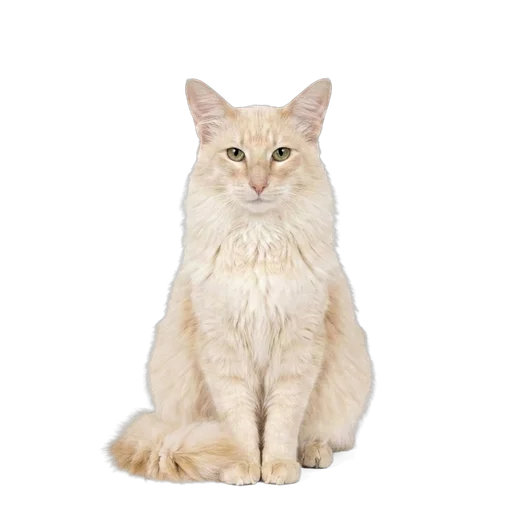
Deciding between similar breeds? Here is the Lykoi next to Oriental Longhair.
| Lykoi | Oriental Longhair | |
|---|---|---|
| Size | Medium | Medium |
| Weight | 2.5-5 kg | 2.5-5.5 kg |
| Lifespan | 12-15 yrs | 12-15 yrs |
| Activity | Active | Active |
| Shedding | Medium | Low |
| Good with kids | Yes | Yes |
| Apartment-friendly | Yes | Yes |
Frequently asked questions
Why is the Lykoi called the werewolf cat?
Its sparse, roan coat, silver-tipped hairs over pink skin with bare patches around the eyes and muzzle, gives it a wolfish, wild look. The appearance comes from a natural genetic mutation, not from crossing with any wild animal.
Are Lykoi hairless like a Sphynx?
Not exactly. Lykoi are partly hairless with a thin, patchy coat rather than fully bald. The trait comes from hereditary hypotrichosis, and their coat molts in cycles, sometimes leaving them nearly bald before it grows back.
Do Lykoi need baths?
Usually yes, occasionally. With little hair to spread natural oils, their skin gets greasy, so periodic gentle bathing with a cat-safe shampoo keeps the skin clean and helps prevent blackheads. How often depends on the individual cat.
Are Lykoi hypoallergenic?
No. They shed less coat than a furred cat, but they still produce the Fel d 1 allergen in saliva and dander, and their extra skin oils can even worsen reactions for some people. They are not a safe choice for allergy sufferers.
Are Lykoi good first cats?
For most beginners, no. They are high-energy, dog-like, and need daily interaction plus consistent skin and ear care. They suit an active, engaged owner rather than someone wanting a low-maintenance, quiet lap cat.
Related breeds
Health and care information is drawn from established veterinary sources and is general guidance, not veterinary advice. See our sources
Keep records for your Lykoi
Vaccinations, food and treat safety, allergy alerts and parasite reminders - all tracked for your Lykoi in the Pethls app.