


Origin: Germany
German Rex
Get reminders for your German Rex's vaccines
Vaccination and parasite reminders, food-safety scans and health records — free to start in the Pethls app.


Good for
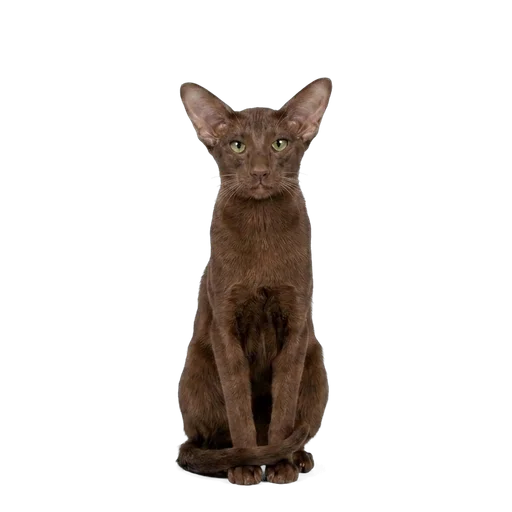
The German Rex is a curly-coated cat with a soft, wavy coat that lacks the coarse guard hairs of most breeds, giving it a plush, velvety feel similar to the Cornish Rex. Developed in Germany, it is an affectionate, easy-going cat that enjoys being part of the family without demanding constant attention. These are playful, sociable animals that like company and happily join in whatever is happening around them. The fine coat sheds very little, though the skin does need a bit of oil management and the cat feels the cold more than most. Friendly and adaptable, the German Rex makes a warm and engaging companion for families and singles alike.
Temperament & personality
German Rex cats are famous for being affectionate and human-focused. They form strong bonds with their people, seek out laps and shoulders, and generally want to be wherever the action is. It enjoys company and tends to settle near whoever is home, though it has a calm, gentle side and is happy to relax quietly nearby.
Alongside the cuddliness comes a lively, playful streak. German Rex cats stay kitten-like well into adulthood, love interactive games, and are clever enough to learn tricks and puzzle toys. Their energy and curiosity mean they appreciate climbing space, toys, and plenty of interaction to keep boredom at bay.
Their sociable nature makes them a good fit for households with children and other pets, and they usually adapt happily to apartment living as long as they get attention and stimulation. Because they crave company, a German Rex left alone for long working days does best with a companion animal or a very enriched environment.
Vaccination schedule
German Rex kittens follow the same core vaccination plan as any cat. The FVRCP vaccine, which covers feline viral rhinotracheitis, calicivirus, and panleukopenia, starts at around 6 to 8 weeks and is boosted every 3 to 4 weeks until the kitten is at least 16 weeks old. Completing the full series is important because early single doses do not give lasting protection.
Rabies vaccination is given once between 12 and 16 weeks of age, in line with local law, then boosted according to the product and regional requirements. For any German Rex that will spend time outdoors, talk to your vet about the FeLV (feline leukemia) vaccine, since outdoor cats can contract the virus through contact with infected cats.
Adults transition to booster intervals of every 1 to 3 years depending on the specific vaccine and the cat's lifestyle. Use the annual wellness visit to review which vaccines your German Rex still needs, and keep records handy so nothing lapses.
Best food & diet
As obligate carnivores, German Rex cats need a diet centered on animal protein from a complete and balanced commercial food matched to their life stage. A combination of wet and dry food works well, with wet food adding valuable moisture and dry food offering convenience. Pick a reputable product that meets recognized feline nutritional standards.
This is an active, energetic breed, so a German Rex in its prime tends to have higher energy needs than a sedentary cat. Even so, portion control still matters, because a curly, close-lying coat can hide weight gain until it is noticeable on the scales. Weigh your cat periodically and adjust portions to keep it lean rather than relying on how it looks under the coat.
Keep fresh water available at all times, and consider a fountain if your cat prefers running water. When switching diets, do it gradually over about a week to avoid digestive upset, mixing more of the new food into the old each day.
Common health problems
The German Rex is regarded as a generally healthy and sound breed without a long list of inherited conditions. It has been around for decades and has stayed relatively free of the specific genetic diseases that trouble some pedigree cats.
The one real quirk comes from the coat. Because the wavy fur is thin and lacks guard hairs, it offers less insulation than a normal cat coat, so German Rex cats feel the cold more than most. Keep them warm, especially in winter and in cooler homes, provide cozy beds and warm spots, and think twice before letting them outside in cold weather.
As with every cat, dental disease is a lifelong concern, so keep up regular tooth care and let your vet check the mouth at annual exams. Beyond warmth and dental health, routine preventive care and a good diet are usually all a German Rex needs to stay well through its 12 to 15 year lifespan.
Allergies & skin
Despite sometimes being marketed as a lower-allergen cat, the German Rex is not hypoallergenic. It still produces the Fel d1 protein that triggers most human cat allergies through saliva and skin secretions. People with allergies may or may not react less to an individual cat, but there is no guarantee, so anyone sensitive should spend time with a German Rex before committing.
The fine, guard-hairless coat and skin can tend toward being a little oily. Unlike a normal coat that wicks oils along longer hairs, the short wavy fur lets skin oils build up more noticeably, which can leave the coat feeling slightly greasy or lead to waxy ears. See the grooming section below for how to manage this.
Watch for skin irritation, redness, or excessive greasiness, and check the ears regularly since they can accumulate wax. Most skin issues in cats trace back to fleas or occasionally food or environmental allergies, so if your German Rex develops persistent itching or skin problems despite good flea control, have your vet take a look.
Flea, tick & worm prevention
Only ever use flea and tick products that are specifically labeled for cats. Dog spot-on treatments frequently contain permethrin, which is severely toxic and can be fatal to cats. Never apply a dog product to your German Rex, and if you have dogs in the home, keep the cat away from freshly treated dogs until the treatment is dry.
The thin coat of a German Rex offers fleas and ticks no real barrier, so parasites can reach the skin easily. Use a cat-safe preventive on the schedule your vet advises. When you apply spot-on treatments, part the fine fur carefully so the product reaches the skin as intended, and remove any ticks promptly and correctly.
Worming should follow your vet's recommendation based on lifestyle. Indoor-only cats generally need worming less often than those with outdoor access, but fleas can transmit tapeworm to any cat, so keeping flea control consistent supports your worming routine. Ask your vet to set intervals that fit your German Rex's habits.
Medications & dosing
Medications for cats are dosed by body weight and must be given under veterinary direction. The German Rex is a small-to-medium cat, typically around 2.5 to 4.5 kilograms, so precise dosing based on a current, accurate weight is especially important. A small error on a small cat has a bigger proportional effect than on a large one.
Do not give human medications to your German Rex unless your vet specifically directs it. Painkillers such as paracetamol and ibuprofen are highly toxic to cats and can cause fatal poisoning. Cats process many drugs differently from other animals, so never assume a medicine safe for a dog or a person is safe for a cat.
Follow prescribed courses fully and at the exact dose, and finish the treatment even once your cat perks up. If pilling is difficult, ask about liquids, palatable formulations, or other delivery options, and always tell your vet about any supplements or other medicines your cat is taking so they can rule out harmful interactions.
Grooming & coat care
The German Rex is very low-shedding and needs little brushing. In fact, its delicate wavy coat can be damaged by over-brushing, so a gentle stroke with a soft brush or simply smoothing the coat with a clean hand every so often is usually all that is required. Vigorous grooming with a stiff brush is unnecessary and can break the fine hairs.
Coat care for this breed is less about removing loose fur and more about managing oil. Because the skin oils are not carried away by long guard hairs, an occasional gentle wipe with a soft damp cloth, or a mild bath a few times a year, keeps the coat and skin fresh and prevents a greasy feel. Dry the cat thoroughly and keep it warm afterward, since the thin coat loses heat quickly.
Pay attention to the ears, which can build up wax on rex-coated cats, and clean them gently only when needed. Round out the routine with regular claw trims and tooth brushing. Because the coat provides little warmth, remember that grooming for a German Rex is as much about comfort and warmth as about appearance.
How the German Rex compares
Deciding between similar breeds? Here is the German Rex next to Oriental Shorthair.
| German Rex | Oriental Shorthair | |
|---|---|---|
| Size | Medium | Medium |
| Weight | 2.5-4.5 kg | 2.3-5 kg |
| Lifespan | 12-15 yrs | 12-15 yrs |
| Activity | Active | Active |
| Shedding | Low | Low |
| Good with kids | Yes | Yes |
| Apartment-friendly | Yes | Yes |
Frequently asked questions
Is the German Rex hypoallergenic?
No. It is sometimes promoted as a lower-allergen cat because of its unusual coat, but it still produces the Fel d1 protein that causes most cat allergies. Some allergy sufferers tolerate an individual cat better, but there is no guarantee, so spend time with one before deciding.
Why does my German Rex feel cold, and how do I keep it warm?
Its wavy coat is thin and lacks the guard hairs that insulate a normal cat, so it loses heat more easily. Provide cozy heated or covered beds, keep the home comfortably warm in winter, and avoid letting it outdoors in cold weather. Many German Rex cats naturally seek out warm laps and sunny spots.
Does the German Rex need a lot of grooming?
Not in the traditional sense. It sheds very little and needs minimal brushing, and over-brushing can actually damage the fine coat. The main task is occasionally wiping down the coat or giving a gentle bath to manage the skin oils that can build up, plus routine ear cleaning, claw trims, and dental care.
Are German Rex cats good with children and other pets?
Generally yes. They are affectionate, sociable, and people-oriented, which usually translates into good relationships with gentle children and other cats or cat-friendly dogs. Their playful, family-focused nature makes them well suited to a busy household as long as introductions are handled calmly.
How is the German Rex different from the Cornish Rex?
They look and feel very similar, both with soft wavy coats lacking guard hairs, and they were first found in different places, the German Rex in Germany and the Cornish Rex in England. Registries treat them as separate breeds, but they actually share the same recessive coat-curl gene and are cross-compatible, so crossing a German Rex with a Cornish Rex produces curly-coated kittens. That sets them apart from the Devon Rex, whose curl comes from a different, incompatible mutation.
Related breeds
Health and care information is drawn from established veterinary sources and is general guidance, not veterinary advice. See our sources
Keep records for your German Rex
Vaccinations, food and treat safety, allergy alerts and parasite reminders - all tracked for your German Rex in the Pethls app.