

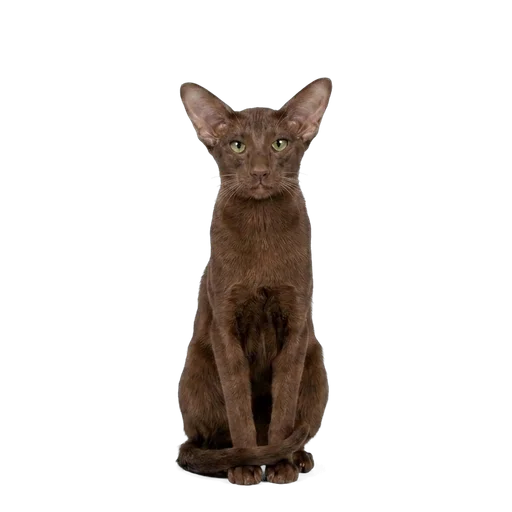
Origin: United Kingdom
Oriental Shorthair
Get reminders for your Oriental Shorthair's vaccines
Vaccination and parasite reminders, food-safety scans and health records — free to start in the Pethls app.


Good for
The Oriental Shorthair is a Siamese-type cat with the same slender lines, big ears, and almond eyes, developed in the United Kingdom to come in a huge range of colors and patterns. It is medium in size but lean, usually 2.3 to 5 kg, and it lives around 12 to 15 years. For all the striking looks, it is the intensity that defines this cat: it is loud, chatty, endlessly curious, and deeply attached to its people. An Oriental wants to be involved in whatever you are doing, will comment on it at length, and does not cope well with being left alone all day. Many do best with a second cat for company.
Temperament & personality
This is one of the most people-oriented cats you can own. Orientals bond hard, often to one favorite person, and they express that bond loudly. They talk, and not with the occasional meow; they hold running conversations in a distinctive raspy voice and expect a reply. If a quiet cat is what you are after, this is the wrong breed.
Energy runs high. Orientals climb, leap to the top of the tallest shelf, open cupboards, fetch toys, and invent games. They are smart enough to learn tricks and to get into trouble when bored. Vertical space, puzzle feeders, and daily interactive play are essentials for this cat; they are how you keep an Oriental settled and out of trouble.
The flip side of all that devotion is that Orientals hate being alone. Left without company for long hours, they can become anxious, vocal to the point of distress, and destructive. A second cat, ideally another active social breed, often makes a world of difference. This is a cat for a household that is home a lot or willing to provide a companion.
Vaccination schedule
The core FVRCP vaccine protects against feline viral rhinotracheitis, calicivirus, and panleukopenia. Kittens begin at 6 to 8 weeks and receive boosters every 3 to 4 weeks until at least 16 weeks of age. Complete the whole series. The final dose is what confirms an adequate immune response, and it is the one owners most often skip.
Rabies is given once between 12 and 16 weeks, then boosted per the product and local regulations, typically every 1 to 3 years. FeLV (feline leukemia) is recommended for all kittens and then continued for cats with any outdoor access or exposure to cats of unknown status. Since many Orientals live in multi-cat homes, FeLV status of every cat in the household is worth confirming.
After kittenhood, adults usually get an FVRCP booster every 1 to 3 years based on the vaccine and lifestyle. Given this breed's tendency toward respiratory issues, staying current on the respiratory components of FVRCP is especially sensible.
Best food & diet
Orientals are lean, high-energy cats with fast metabolisms, and they tend to stay leaner than a stockier breed. That does not mean you can free-feed forever; measure meals and keep an eye on body condition, because an inactive or older Oriental can still gain. A complete, protein-forward food matched to life stage covers most cats well.
As obligate carnivores they need real animal protein at the center of the diet. Wet food supports hydration, which supports urinary and kidney health in any cat, and many owners run a mix of measured wet and dry with scheduled meals. A busy, food-motivated Oriental often enjoys working for part of its ration from a puzzle feeder.
Known allergens for this breed include beef, chicken, and salmon. If your cat develops itching, ear inflammation, or digestive upset, an ingredient may be to blame, and the way to pin it down is a proper elimination diet, not random food swaps. Always keep fresh water available and consider a fountain, since these cats often drink more from moving water.
Common health problems
Feline asthma, an allergic airway disease, is a notable concern in the Siamese family and shows up in Orientals. Watch for coughing, wheezing, or an odd crouched posture with the neck extended, which owners sometimes mistake for a hairball that never comes up. Asthma is manageable with inhaled or oral medication once diagnosed, so book a vet visit for a persistent cough instead of waiting it out.
Two more conditions turn up in the line. Dilated cardiomyopathy weakens and enlarges the heart. Taurine-deficient diets were the main cause in cats decades ago, but since commercial foods were supplemented with taurine in the late 1980s that form has become rare; the cases seen today are usually idiopathic. Feeding a complete, balanced food removes the old dietary risk, though it does not rule the condition out entirely. Progressive retinal atrophy slowly degrades the retina and can lead to blindness. A cat losing vision often copes remarkably well in a familiar home, but knowing it is happening lets you keep furniture stable and avoid startling the cat.
Amyloidosis, a protein deposition disease that affects the liver and kidneys, is also seen in Siamese-type cats and can be serious. Dental disease is common in cats and worth staying on top of with regular oral care. Because several of these conditions can be inherited, a reputable breeder who screens breeding cats reduces the odds, and regular vet exams catch problems early.
Allergies & skin
This breed's allergy picture leans toward the airways as much as the skin, given the asthma link. Environmental triggers like dust mites, smoke, dusty litter, aerosol sprays, and scented cleaners can set off both airway inflammation and skin irritation. Choosing a low-dust litter and cutting perfumed products from the cat's environment is one of the more effective steps you can take.
Food allergy is possible too, usually to common proteins such as beef, chicken, or salmon. It tends to present as itching, overgrooming, or ear trouble rather than respiratory signs, and separating a food allergy from an environmental one takes a structured elimination trial.
The fine, close-lying coat offers little padding, so skin issues are easy to spot once you look. Part the fur to check for redness, scabs, or thinning from overgrooming. Because Orientals are anxious when understimulated, some overgrooming is behavioral rather than allergic, which is worth mentioning to your vet so the real cause gets addressed.
Flea, tick & worm prevention
Use cat-specific parasite products only. Permethrin, found in many dog flea treatments, is highly toxic to cats and can cause tremors, seizures, and death. Never put a dog product on your Oriental, and in a mixed dog-and-cat home keep a freshly treated dog away from the cat until it dries.
Even a strictly indoor Oriental needs flea coverage, because fleas hitch rides indoors and a flea allergy flare is intensely itchy, which for this breed can spiral into stress-driven overgrooming. A monthly cat-safe topical or oral product, sized to your cat's weight, keeps fleas and ticks in check. Your vet will tailor it to your region and the cat's lifestyle.
Worming rounds out prevention. Kittens follow a deworming schedule, and adults are treated based on a fecal check and how they live. Tapeworm is commonly carried by fleas, so consistent flea control quietly cuts your worming burden as well.
Medications & dosing
Medications for cats are dosed by body weight, and the Oriental's slight frame means precision matters. A drug amount that suits a 5 kg cat can be too much for a 2.5 kg one, and cats metabolize many drugs differently than dogs, so the safety margin is thin. Always weigh to the current number rather than dosing from memory.
Do not reach for human medicine. Paracetamol (acetaminophen) is fatal to cats in tiny doses, and ibuprofen and similar over-the-counter drugs are dangerous. If your cat seems painful or unwell, call your vet instead of trying to treat it at home.
Several breed conditions mean long-term medication. Asthma is often controlled with an inhaler using a feline spacer, and heart disease may need daily drugs for life. Consistency is what keeps these conditions stable, so build dosing into a fixed routine, ask your vet to show you the technique, and track each dose so nothing is missed or doubled.
Grooming & coat care
Grooming is about as low as it gets. The fine, short, close-lying coat sheds very little and needs no more than an occasional brush or a wipe with a damp hand to lift the odd loose hair and keep it glossy. Many Oriental owners barely groom at all, and the coat still looks sleek.
That light coat means the routine bits matter more by comparison. Trim nails every couple of weeks, check the large ears regularly since they collect wax and debris, and keep up with dental care, since dental disease is common in cats and easier to manage caught early. Start toothbrushing early and it becomes a normal part of the cat's day.
Use grooming and handling time as a quick health check. Run your hands along the lean body to feel for lumps or weight changes, look at the eyes given the retinal risk in the line, and note any change in coat quality, which can be an early flag that something else is off.
How the Oriental Shorthair compares
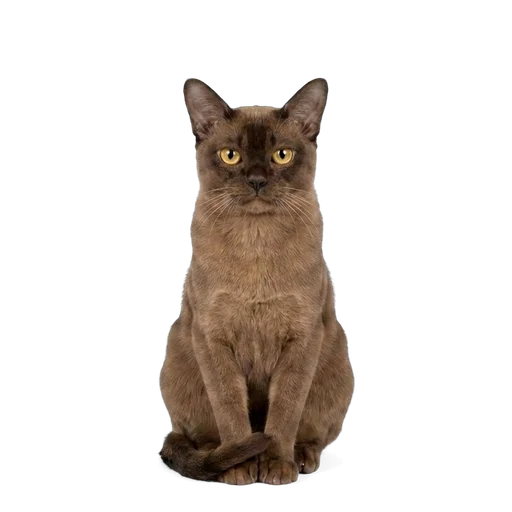
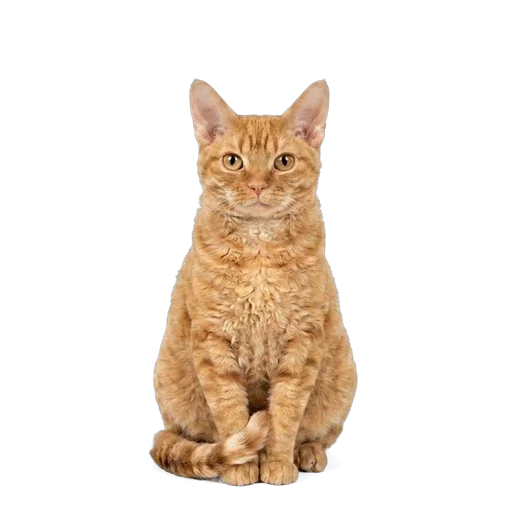
Deciding between similar breeds? Here is the Oriental Shorthair next to European Burmese and German Rex.
| Oriental Shorthair | European Burmese | German Rex | |
|---|---|---|---|
| Size | Medium | Medium | Medium |
| Weight | 2.3-5 kg | 3-6 kg | 2.5-4.5 kg |
| Lifespan | 12-15 yrs | 14-18 yrs | 12-15 yrs |
| Activity | Active | Active | Active |
| Shedding | Low | Low | Low |
| Good with kids | Yes | Yes | Yes |
| Apartment-friendly | Yes | Yes | Yes |
Frequently asked questions
Are Oriental Shorthairs really that vocal?
Yes, and it is worth taking seriously before you commit. Orientals talk constantly in a loud, raspy voice and expect responses. In an apartment with thin walls or a household that values quiet, that trait can become a real strain.
Can I leave an Oriental Shorthair alone during the workday?
Not comfortably. This breed bonds intensely and struggles with long stretches of solitude, which can turn into anxiety, excessive vocalizing, and destructive behavior. A second cat for company, or a home where someone is around often, suits them far better.
Are Oriental Shorthairs hypoallergenic?
No. Despite the fine coat and very light shedding, they still produce the Fel d1 protein that causes most cat allergies. Low shedding can mean less allergen spread around the home, but the breed is not safe for a true allergy sufferer.
Do Oriental Shorthairs need another cat?
Many do. They are highly social and often happiest with a feline companion, ideally another active, interactive cat. It is not an absolute rule, but for a busy household it is one of the best ways to keep an Oriental content.
What health problems should Oriental Shorthair owners watch for?
Feline asthma, dilated cardiomyopathy, progressive retinal atrophy, and amyloidosis all run in the Siamese family this breed belongs to; dental disease is also worth flagging to your vet. Buying from a breeder who screens their cats and keeping up regular vet exams are the best safeguards.
Related breeds
Health and care information is drawn from established veterinary sources and is general guidance, not veterinary advice. See our sources
Keep records for your Oriental Shorthair
Vaccinations, food and treat safety, allergy alerts and parasite reminders - all tracked for your Oriental Shorthair in the Pethls app.