

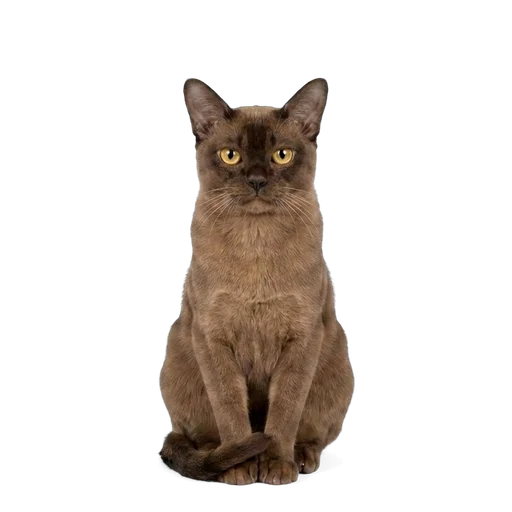
Origin: United Kingdom
European Burmese
Get reminders for your European Burmese's vaccines
Vaccination and parasite reminders, food-safety scans and health records — free to start in the Pethls app.


Good for
The European Burmese is the European-bred line of the Burmese, a compact, muscular cat with a glossy short coat and an outsized attachment to its people. These are among the most social of all cats, following their humans from room to room and wanting to be part of whatever is happening. They stay playful well into adulthood, get along famously with children and other pets, and often greet strangers as new friends rather than threats. Warm, sturdy, and affectionate, a Burmese is happiest when it is not left out of family life.
Temperament & personality
European Burmese are people cats through and through. They want to be involved in everything, from helping with the laundry to supervising dinner, and they form deep, genuine bonds with their families. Many will curl up in your lap the moment you sit down and sleep in your bed at night.
They are playful and curious for life, keeping a kittenish streak long after other breeds mellow. Interactive toys, games, and puzzle feeders keep that bright mind busy, and they enjoy learning tricks and even walking on a harness. A Burmese with nothing to do can become demanding and destructive, pestering you for attention or getting into things it shouldn't.
This is a wonderfully sociable breed with children, other cats, and dogs, greeting most newcomers with confidence and warmth. The flip side is a real need for company. Burmese do not cope well with long hours alone, and many owners keep a second cat so their Burmese always has a companion.
Vaccination schedule
European Burmese kittens start the FVRCP core vaccine (covering feline viral rhinotracheitis, calicivirus, and panleukopenia) at around 6 to 8 weeks, then receive boosters every 3 to 4 weeks until at least 16 weeks of age. That post-16-week booster is essential, since maternal antibodies can otherwise neutralize earlier doses.
Rabies is given once between 12 and 16 weeks, in line with your vet's chosen vaccine and local law. After the initial series, FVRCP and rabies boosters follow a 1 to 3 year schedule based on the specific products used and your cat's lifestyle.
FeLV (feline leukemia) vaccination is recommended for any Burmese with outdoor access or contact with cats of unknown health status. Even for indoor cats, vets often advise it in the first year, as kittens are the most susceptible age group. A cat's genuine FeLV risk should shape the long-term plan.
Best food & diet
European Burmese are compact and muscular, and they have a well-known appetite, which makes weight management the central dietary theme. Feed a complete, protein-rich food in measured portions rather than leaving a bowl out all day, because this breed will happily eat past its needs. Keeping a Burmese lean directly lowers its diabetes risk.
Given the breed's predisposition to diabetes mellitus, many vets favor a diet lower in carbohydrates and higher in quality animal protein, and some recommend a good wet-food component. A tailored formula is worth reviewing if weight is creeping up or there is a diabetes history in the cat's line.
Fresh water should always be on offer, and a fountain often encourages a cat to drink more. Since increased thirst and urination can be early signs of diabetes, keeping an eye on how much your Burmese drinks helps you catch the disease early.
Common health problems
Hypokalemic polymyopathy, an inherited condition in which low blood potassium causes episodes of muscle weakness, is seen in Burmese lines. Classic signs are a weak, wobbly gait or a lowered head and neck. It is manageable with potassium supplementation once diagnosed, and DNA testing exists to identify carriers, so screening in breeding cats matters.
Diabetes mellitus is more common in Burmese than in most breeds, and it links closely to weight. Watch for increased thirst, more frequent urination, a bigger appetite paired with weight loss, or lethargy. Caught early and combined with weight control and, when needed, insulin, many diabetic cats do very well.
Burmese orofacial pain syndrome is a distinctive, painful mouth condition of the breed, causing discomfort, pawing at the face, and exaggerated licking or chewing motions, often triggered by mouth movement or stress. Alongside routine feline dental care, this makes attentive mouth care and prompt veterinary review of any oral discomfort especially important.
Allergies & skin
The European Burmese wears a short, close, satin-like coat with minimal undercoat, so its skin is easy to inspect and problems rarely stay hidden for long. A quick weekly once-over during petting or grooming is usually enough to spot any redness, scabs, or thinning fur early.
This breed is not hypoallergenic. Like every cat, the Burmese produces the Fel d 1 protein responsible for human cat allergies, even with such a short coat. Anyone in the home with allergies should spend real time around the breed before deciding.
For the cat's own skin, the usual triggers apply: flea-bite allergy, food sensitivities, and environmental allergens like pollen or dust. Over-grooming, itchy patches, or small scabs are the signals to watch for. Reliable cat-safe flea control removes the most common cause of itch, and your vet can run a diet trial if a food allergy is suspected.
Flea, tick & worm prevention
Use only flea and tick products made for cats, and never a dog product. Permethrin, common in canine spot-on treatments, is toxic and can kill a cat. If there is a dog in the house on a permethrin product, keep your Burmese away from it until the treatment has fully dried and absorbed.
Because this is such a social, into-everything breed, even an indoor Burmese can encounter fleas carried in by people or other pets, so year-round cat-safe prevention is the sensible baseline. Your vet can match a spot-on or oral product to your cat's weight and lifestyle.
Worming needs vary with hunting and outdoor access. A strictly indoor, non-hunting Burmese needs less frequent deworming than an outdoor cat, and an occasional faecal test confirms whether the deworming interval is right. Many combined cat products handle fleas and worms together, cutting down the number of separate treatment days.
Medications & dosing
All medications for a European Burmese should be weight-based and prescribed by your vet. Despite their solid, muscular feel these are medium cats, roughly 6.6 to 13 pounds (about 3 to 6 kg), with females often at the smaller end, so an accurate scale weight is the basis for safe dosing rather than a guess from how the cat looks.
Never reach for human medicine. Paracetamol is fatal to cats in tiny amounts, and ibuprofen and aspirin are unsafe without direct veterinary guidance. If your Burmese seems to be in pain, particularly with the mouth given the breed's orofacial pain risk, contact your vet promptly.
For a cat managing diabetes or hypokalemia, precise, consistent dosing is critical. Insulin and potassium supplements must be given exactly as directed, at the right times, and never stopped or changed without your vet. Burmese are usually cooperative and food-motivated, which makes regular medication and monitoring far more manageable than with a fussier breed.
Grooming & coat care
The European Burmese has a short, fine, glossy coat with little undercoat that sheds very little, so a weekly stroke with a rubber brush or grooming mitt removes loose hair and brings up the natural shine. That is about all the coat needs.
That simplicity frees up your attention for the things this breed genuinely needs watched. Use grooming time to run your hands over the cat and check body condition, since weight management is a real priority for the diabetes-prone Burmese, and to look and feel around the face and mouth for any sign of the discomfort associated with orofacial pain syndrome.
Round out care with regular nail trims, ear checks, and consistent dental hygiene. Given the breed's orofacial pain syndrome and the general importance of feline dental health, gentle daily tooth brushing with cat-safe toothpaste, ideally started young, is one of the most valuable habits you can build for a Burmese.
How the European Burmese compares
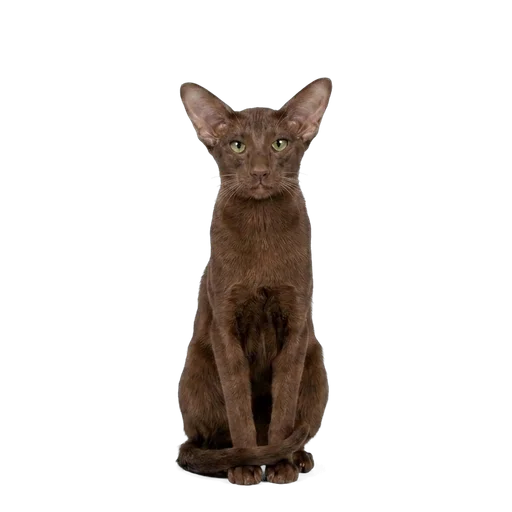
Deciding between similar breeds? Here is the European Burmese next to Oriental Shorthair and Aegean.
| European Burmese | Oriental Shorthair | Aegean | |
|---|---|---|---|
| Size | Medium | Medium | Medium |
| Weight | 3-6 kg | 2.3-5 kg | 3-4.5 kg |
| Lifespan | 14-18 yrs | 12-15 yrs | 9-12 yrs |
| Activity | Active | Active | Active |
| Shedding | Low | Low | Medium |
| Good with kids | Yes | Yes | Yes |
| Apartment-friendly | Yes | Yes | Yes |
Frequently asked questions
How is the European Burmese different from the American Burmese?
They are separate lines of the same original breed, developed differently on each side of the Atlantic. The European Burmese has a slightly less rounded head and a wider range of coat colors, but shares the same devoted, deeply social personality.
Are European Burmese good with children and dogs?
Very much so. They are one of the most sociable cat breeds, confident and warm with respectful children, other cats, and dog-friendly households. Their playful, people-loving nature makes them a strong fit for busy family homes.
Can a European Burmese be left alone during the workday?
They struggle with long stretches alone more than most breeds because they crave company. Many owners keep a second cat as a companion, and puzzle feeders or interactive toys help, but this is not a cat that thrives on regular solitude.
Why do vets stress weight control for Burmese?
The breed has a big appetite and a real predisposition to diabetes mellitus, and excess weight sharply raises that risk. Measured meals, a protein-rich diet, and regular weigh-ins are the frontline defense against diabetes in this breed.
What is Burmese orofacial pain syndrome?
It is a painful mouth condition seen specifically in the breed, causing signs like pawing at the face and exaggerated licking or chewing, often set off by mouth movement or stress. Any suspected mouth pain warrants a prompt veterinary check.
Related breeds
Health and care information is drawn from established veterinary sources and is general guidance, not veterinary advice. See our sources
Keep records for your European Burmese
Vaccinations, food and treat safety, allergy alerts and parasite reminders - all tracked for your European Burmese in the Pethls app.