

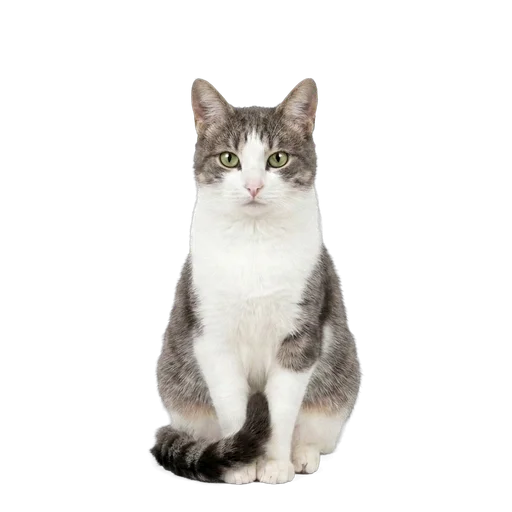
Origin: Greece
Aegean
Get reminders for your Aegean's vaccines
Vaccination and parasite reminders, food-safety scans and health records — free to start in the Pethls app.


Good for
The Aegean is a natural breed from the Greek islands and ranks among the oldest domesticated cats anywhere. It was shaped by island life rather than a breeding program, which shows in its hardy constitution and confident, adaptable character. These cats are friendly, active and notably social, forming strong bonds with their families. Unusually for a cat, many Aegeans tolerate and even enjoy water, a trait tied to their history around fishing harbours. The short to medium coat has no undercoat and needs very little upkeep, and the breed fits well into homes with children and other pets.
Temperament & personality
Aegeans are outgoing, talkative cats that like to be involved in whatever their household is doing. They are intelligent and quick to learn, and many enjoy interactive games and even fetch. A bored Aegean will find its own entertainment, often by opening cupboards or knocking things off shelves, so keep puzzle feeders and toys in rotation.
The breed's social streak runs deep. Aegeans generally settle happily with other cats and with cat-savvy dogs, and they tend to be patient with respectful children. Their fishing-harbour heritage left many of them curious about water, so do not be surprised to find your Aegean pawing at a dripping tap or supervising bath time.
These are companionable cats that dislike being left alone for long stretches. A household where someone is often home, or a second pet for company, suits them best. In return you get an affectionate, engaged cat that stays playful well into its later years.
Vaccination schedule
Kittens begin the core FVRCP vaccine (feline viral rhinotracheitis, calicivirus and panleukopenia) at about 6 to 8 weeks, followed by boosters every 3 to 4 weeks until they reach at least 16 weeks of age. The repeated doses cover the window where a kitten's inherited immunity from its mother is fading.
Rabies vaccination is given between 12 and 16 weeks, with exact timing depending on local regulations and the vaccine used. Your vet will advise what your region requires.
Aegeans are active cats, and many owners give them some access to the outdoors. Cats that go outside or mix with outdoor cats should have the feline leukaemia (FeLV) vaccine, ideally after a negative FeLV test. Adult booster intervals for all these vaccines, usually every 1 to 3 years, are set by your vet according to lifestyle and local disease risk.
Best food & diet
Aegeans are obligate carnivores and need a complete diet built around animal protein. Choose a quality commercial food that meets AAFCO or FEDIAF standards for your cat's life stage, whether that is wet, dry or a mix of both.
This is an active, medium-sized breed, so feed measured portions matched to the individual rather than leaving food out all day. Adults usually do well on two meals daily, while kittens need more frequent feeding and a growth formula until around a year old. Keep fresh water available at all times.
Given how much these cats move, obesity is less common than in couch-potato breeds, but it still pays to monitor body condition. If your Aegean has outdoor access and hunts, remember that a caught mouse or bird adds calories to the day's total, so factor that in.
Common health problems
As a hardy natural breed developed over centuries of island life, the Aegean carries very few known genetic disorders. Its broad, undirected breeding history kept the gene pool diverse, which is a real advantage compared with heavily line-bred pedigrees.
The health concerns that do come up are the ordinary ones for any cat: dental disease, weight management, and parasites. None of these are breed-specific, and all respond well to routine preventive care.
Annual vet checks let you track weight, dental health and, in older cats, kidney and thyroid function. For any cat with outdoor access, staying current on vaccines and parasite prevention matters more, since roaming and hunting raise exposure to infectious disease and worms.
Allergies & skin
Part the fur now and then to check the skin underneath. Flea allergy dermatitis is the most common skin problem in cats, and an Aegean with outdoor access has more chances to pick up fleas, so steady flea control is important.
Environmental allergies to pollen, grasses or dust can cause overgrooming, small scabs or itchy skin, and food sensitivities occasionally do the same. Signs to watch for include bald patches, persistent scratching, and recurring ear trouble, all of which are worth a vet visit to identify the cause.
If a food allergy is suspected, an elimination diet run with your vet can pin down the trigger. Bathe sparingly: over-washing strips the coat's natural oils and can leave the skin dry and irritated. Occasional baths are fine when the coat is genuinely dirty.
Flea, tick & worm prevention
Only ever use flea and tick products made specifically for cats. Dog spot-on treatments containing permethrin are severely toxic to cats and can be fatal, so never apply a dog product to your Aegean and keep recently treated dogs apart until the treatment has dried.
For an active, outdoor-inclined breed like this, consistent flea and tick prevention on a monthly or vet-recommended schedule is essential. Ticks in particular are a real risk for cats that roam through grass and undergrowth, so check the coat regularly during tick season.
Worming frequency should match lifestyle, and an Aegean that hunts needs deworming more often than an indoor cat, since prey animals carry worms. Kittens are wormed frequently early on, then move to an adult schedule. Combination products that handle fleas, ticks and worms together can simplify care for an outdoor cat, so ask your vet which option fits.
Medications & dosing
Every medication for your Aegean should be weight-based and prescribed by a vet. Feline metabolism differs sharply from that of dogs and people, so doses cannot be borrowed from other species or estimated at home.
Human pain relievers are off-limits. Paracetamol (acetaminophen) is deadly to cats in even tiny amounts, and ibuprofen and similar NSAIDs are dangerous too. If your cat appears to be hurting, call your vet before reaching for anything meant for humans.
Follow prescribed courses exactly, and finish antibiotics even once your cat seems recovered. Weigh your cat before giving anything you administer yourself, and check supplements or over-the-counter remedies with your clinic first, since some interact badly with prescription drugs.
Grooming & coat care
The Aegean's coat is easy to maintain. A weekly brush keeps it tidy and manages shedding, with a little extra attention during seasonal molts when loose hair picks up.
The Aegean mats very little thanks to its lack of undercoat, so the odd tangle is usually all you will meet. A quick comb through the coat keeps it in order.
Use grooming time to check ears, eyes, teeth and claws. Trim nails every few weeks and brush the teeth as often as your cat allows, since dental care prevents painful problems down the line. Frequent bathing is unnecessary and can dry the skin, so save baths for when the coat is genuinely dirty, even for the many Aegeans that enjoy water.
How the Aegean compares
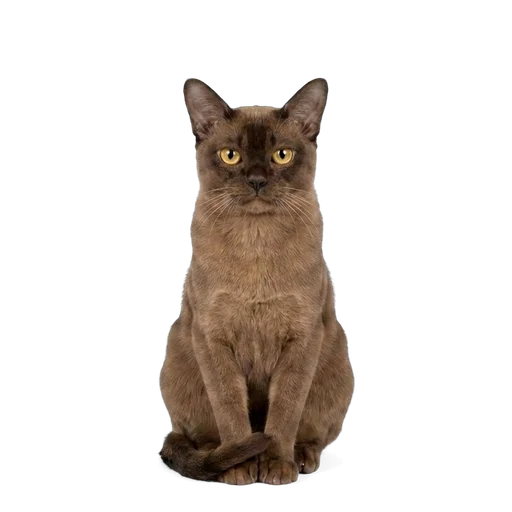
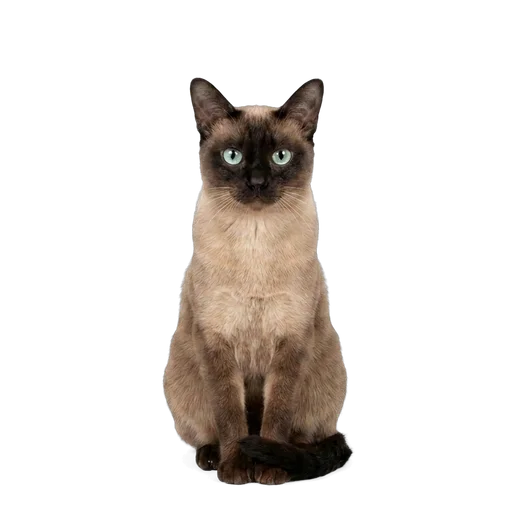
Deciding between similar breeds? Here is the Aegean next to European Burmese and Tonkinese.
| Aegean | European Burmese | Tonkinese | |
|---|---|---|---|
| Size | Medium | Medium | Medium |
| Weight | 3-4.5 kg | 3-6 kg | 2.7-5.5 kg |
| Lifespan | 9-12 yrs | 14-18 yrs | 14-18 yrs |
| Activity | Active | Active | Active |
| Shedding | Medium | Low | Low |
| Good with kids | Yes | Yes | Yes |
| Apartment-friendly | Yes | Yes | Yes |
Frequently asked questions
Do Aegean cats really like water?
Many do, yes. Thanks to their history around Greek fishing harbours, plenty of Aegeans are curious about water and will play with a dripping tap or paw at a full sink. This is unusual among cats but well documented in the breed.
Are Aegean cats good with other pets?
Generally yes. Aegeans are social and adaptable, and they usually settle well with other cats and with cat-friendly dogs after proper introductions. Their easygoing, outgoing nature makes multi-pet households a good fit.
How much grooming does an Aegean need?
The short to medium coat has no undercoat, so a weekly brush is enough to prevent mats and manage shedding, with extra attention during seasonal molts. It is moderate maintenance rather than high, and the coat rarely mats badly if kept up.
Are Aegean cats healthy?
Very. As one of the oldest natural breeds, the Aegean has a diverse gene pool and very few inherited disorders. The main concerns are ordinary ones like dental disease, weight and parasites, all managed through routine vet care.
Can Aegean cats live in an apartment?
They can, provided they get enough activity and company. Aegeans are active and social, so they need play, climbing space and interaction. They dislike long stretches alone, so a second pet or a home where someone is often around helps.
Related breeds
Health and care information is drawn from established veterinary sources and is general guidance, not veterinary advice. See our sources
Keep records for your Aegean
Vaccinations, food and treat safety, allergy alerts and parasite reminders - all tracked for your Aegean in the Pethls app.