

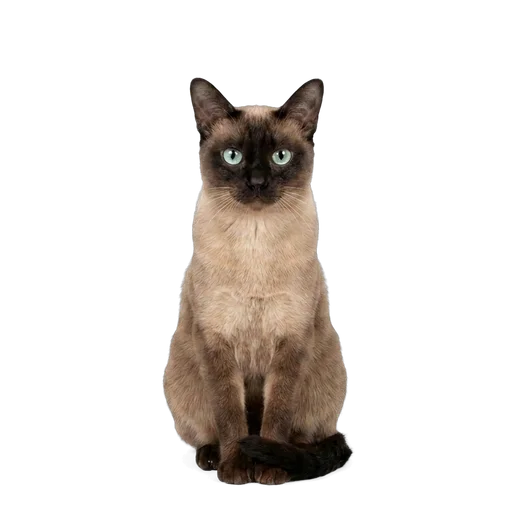
Origin: Canada
Tonkinese
Get reminders for your Tonkinese's vaccines
Vaccination and parasite reminders, food-safety scans and health records — free to start in the Pethls app.


Good for
The Tonkinese is a Burmese crossed with a Siamese, and it takes the best of both: the Burmese warmth and the Siamese sparkle, in a cat that is a little softer and more balanced than either parent. They are clever, playful and endlessly affectionate, talkative like a Siamese but with a gentler, quieter voice. Above all they are people-oriented and do not cope well with being left alone all day. Many are happiest as a bonded pair or with another pet for company. If you want a chatty, involved companion who wants to be part of everything, the Tonkinese fits.
Temperament & personality
Tonkinese are social to the core. They attach closely to their people, follow them from room to room, and want to be involved in whatever is happening, from a work call to making the bed. They are affectionate without being clingy in a fragile way; they simply prefer company to solitude and let you know it.
They inherited plenty to say from the Siamese side, but the voice is softer and less piercing, more conversation than complaint. Pair that chattiness with real intelligence and you get a cat that learns tricks, opens cupboards, plays fetch and stays mentally busy well into adulthood. Give them puzzle toys and climbing space or they will invent their own entertainment.
The one thing they struggle with is being alone. A Tonkinese left by itself for long working days can become bored, stressed and vocal, and some develop clingy or destructive habits. Many owners keep two, or pair one with a compatible cat or dog, so there is always company. They generally do well with respectful children and other pets, and their sociability makes them a rewarding choice for beginners who are home enough.
Vaccination schedule
Kittens start the FVRCP core vaccine (feline viral rhinotracheitis, calicivirus and panleukopenia) at 6 to 8 weeks, boosted every 3 to 4 weeks until they are at least 16 weeks old. Finishing past 16 weeks ensures the vaccine works once maternal antibodies have faded.
Rabies is given once between 12 and 16 weeks, depending on the product and local law. The core vaccines and rabies are then boosted at about one year, and afterward every 1 to 3 years based on the vaccine used and your vet's risk assessment.
FeLV (feline leukaemia virus) is advised for any Tonkinese with outdoor access or one sharing a home with an infected cat. Since this breed is so people-focused and often kept indoors, FeLV may be optional, so weigh it up with your vet based on how your cat actually lives. Note that the core series guards against infectious respiratory disease such as feline viral rhinotracheitis and calicivirus; it does not treat or prevent feline asthma, which is a separate inflammatory airway condition.
Best food & diet
Feed a complete, meat-first cat food that supplies the animal protein and taurine these obligate carnivores require. Tonkinese are active and lean by nature, so they need good-quality fuel, but their food-motivated, sociable streak means treats and table scraps can sneak the calories up if you are not watching.
Match the diet to life stage, from kitten formula in the first year to adult maintenance and later a senior diet. Wet food, alone or alongside dry, helps keep them hydrated, which supports kidney health, which matters for a breed carrying a risk of hereditary amyloidosis, chiefly hepatic in this lineage but capable of affecting the kidneys too.
Dental health is closely tied to diet in this breed. Because Tonkinese are prone to gingivitis and dental disease, some owners use veterinary dental diets or dental treats as one part of a wider oral-care routine. Weigh portions rather than free-feeding, check body condition regularly, and always keep fresh water available, set away from the food bowl or offered through a pet fountain, which many cats drink from more readily.
Common health problems
Dental disease is one of the most common Tonkinese concerns. Gingivitis, the early inflammation of the gums, can progress to painful periodontal disease if it is not managed. Bad breath, red gums, drooling or a reluctance to eat hard food all warrant a dental check, and regular home care makes a real difference.
Feline asthma is the respiratory issue to watch, inherited from the Siamese and Burmese lines. It shows as coughing, wheezing, laboured breathing or an odd crouched, neck-extended posture during an attack. Any cat struggling to breathe is an emergency, and diagnosed asthma is usually managed long-term with inhaled or oral medication.
The more serious inherited risk is amyloidosis, a protein disease that deposits amyloid chiefly in the liver, and sometimes the kidneys, and can lead to organ failure. Crossed eyes (strabismus) is a harmless, cosmetic Siamese-derived trait that rarely affects quality of life. With good care and attention to teeth, breathing and organ health, Tonkinese are often long-lived, commonly reaching 14 to 18 years.
Allergies & skin
The Tonkinese is not hypoallergenic. Its short, close-lying coat sheds little, but it still produces the Fel d 1 protein behind most human cat allergies, so low shedding does not equal low allergen. Anyone in the home with cat allergies should spend time with an adult of the breed first.
The skin under that sleek coat is usually healthy. As with any cat, the common triggers for itching are flea-bite allergy, food sensitivities and environmental allergens like pollen and dust. Signs to watch for include over-grooming, scabs, thinning fur or scratching focused around the head, neck and tail base.
The short coat makes skin easy to inspect, so problems tend to be spotted early. If you notice persistent itching, redness or hair loss, get a proper veterinary diagnosis rather than experimenting with remedies, because flea allergy, food allergy and parasites look similar but need different treatment. Given the breed's dental and respiratory sensitivities, it is worth keeping the whole cat under regular veterinary review.
Flea, tick & worm prevention
Use flea and tick products formulated specifically for cats, never for dogs. Dog spot-ons with permethrin are severely toxic to cats and can cause tremors, seizures and death, so a dog product must never go on a cat or be split into a smaller dose. This is a frequent and preventable poisoning.
Even a mostly indoor, people-focused Tonkinese needs parasite protection, since fleas travel in on clothing, visitors and other pets. A vet-recommended preventive on a regular schedule keeps infestations from taking hold. Many feline products combine flea control with roundworm or tick cover in one convenient dose.
Set worming frequency with your vet according to the cat's lifestyle: indoor-only cats are usually wormed a few times a year, while those with outdoor access or hunting habits need more frequent treatment plus tapeworm cover. Because fleas carry tapeworm, staying consistent with flea prevention lowers the worm burden at the same time.
Medications & dosing
Tonkinese medication is dosed by body weight, and most adults weigh between 2.7 and 5.5 kilograms. Because an out-of-date figure can throw off a dose, weigh the cat before starting any weight-based treatment.
Do not reach for human medicines. Paracetamol (acetaminophen) is lethal to cats in tiny amounts, and ibuprofen and aspirin are unsafe without veterinary direction. Cats metabolize many drugs differently from people, so a household remedy can do serious harm.
Two breed-specific points matter here. Feline asthma is often controlled with an inhaler using a cat-sized spacer and mask, or with oral or injectable steroids, all at vet-directed doses over the long term. Any chronic condition like asthma or amyloidosis needs regular monitoring and dose adjustment. Finish every prescribed course fully, even once the cat looks better, and never share medication between pets.
Grooming & coat care
The Tonkinese coat is short, fine and close-lying, and about as low-maintenance as cat coats get. A weekly brush or a wipe-over with a grooming glove is enough to lift loose hairs and keep the coat glossy. Shedding is light year-round, so hairballs and stray fur around the house are rarely a problem.
Grooming doubles as bonding time for this affectionate, hands-on breed, which usually enjoys the contact rather than putting up with it. There is no undercoat to mat and no seasonal blow-out to manage, so the whole coat routine takes just a few minutes a week.
Where this breed does need consistent care is the mouth. Given its tendency to gingivitis and dental disease, regular tooth brushing with cat-safe toothpaste is genuinely important, ideally started young so the cat accepts it. Round things out by trimming the nail tips every couple of weeks and checking the ears, and the grooming side of Tonkinese ownership stays refreshingly simple.
How the Tonkinese compares
Deciding between similar breeds? Here is the Tonkinese next to Javanese and Aegean.
| Tonkinese | Javanese | Aegean | |
|---|---|---|---|
| Size | Medium | Medium | Medium |
| Weight | 2.7-5.5 kg | 2.5-4.5 kg | 3-4.5 kg |
| Lifespan | 14-18 yrs | 12-16 yrs | 9-12 yrs |
| Activity | Active | Active | Active |
| Shedding | Low | Low | Medium |
| Good with kids | Yes | Yes | Yes |
| Apartment-friendly | Yes | Yes | Yes |
Frequently asked questions
What breeds make up the Tonkinese?
The Tonkinese is a cross between the Burmese and the Siamese. It blends the Burmese's warmth and sturdiness with the Siamese's intelligence and vocal, playful nature, landing somewhere balanced between the two parent breeds.
Can a Tonkinese be left alone during the day?
Not comfortably. Tonkinese are strongly people-oriented and dislike being alone, and long stretches of solitude can leave them bored, stressed and vocal. Many owners keep two, or pair one with a compatible cat or dog, so there is always company.
Are Tonkinese as loud as Siamese cats?
They are talkative but softer. A Tonkinese inherited the Siamese habit of chatting, yet its voice is gentler and less piercing. Expect regular conversation rather than the sharp, insistent calls a Siamese is known for.
What health problems are Tonkinese prone to?
Watch for gingivitis and dental disease, feline asthma, and amyloidosis, a protein disease that in this lineage mainly affects the liver. Harmless crossed eyes (strabismus) are also worth noting. Regular dental and veterinary care helps manage these risks.
Do Tonkinese need much grooming?
Very little for the coat. The short, close coat needs only a weekly brush and sheds lightly. The real grooming priority is dental care: brush the teeth regularly with cat-safe toothpaste, since this breed is prone to gum and dental disease.
Related breeds
Health and care information is drawn from established veterinary sources and is general guidance, not veterinary advice. See our sources
Keep records for your Tonkinese
Vaccinations, food and treat safety, allergy alerts and parasite reminders - all tracked for your Tonkinese in the Pethls app.