


Origin: Canada
Javanese
Get reminders for your Javanese's vaccines
Vaccination and parasite reminders, food-safety scans and health records — free to start in the Pethls app.


Good for
The Javanese is a longhaired, pointed cat from the Siamese and Balinese family, and it has the family personality to match: talkative, whip-smart, and glued to its favorite person. Developed in the United States, it wears a fine single coat in a wider spread of point colors than the classic Siamese. This is a cat that wants a running commentary on your day and will hold up its end of the conversation. It hates being left alone and does far better in a home where someone is around, or where a second pet keeps it company. If you want an aloof, low-interaction cat, look elsewhere; the Javanese is a full-time companion.
Temperament & personality
Javanese cats are intensely social and highly intelligent. They form deep attachments, follow their people everywhere, and expect to be part of whatever is happening, from cooking to video calls. Expect a vocal cat with a wide range of opinions delivered at length.
That brain needs work. Puzzle toys, clicker training, fetch and tall climbing space all help burn the mental and physical energy, and a bored Javanese can turn to mischief or over-attachment. Many learn tricks quickly and enjoy the attention that comes with them.
They generally get on well with other cats, sociable dogs and considerate children, partly because they crave company so strongly. The flip side is separation stress: leaving a Javanese alone for long days on its own is genuinely hard on the cat, which is why they suit experienced or committed owners more than first-timers looking for an independent pet.
Vaccination schedule
Start the core FVRCP vaccine (feline viral rhinotracheitis, calicivirus and panleukopenia) at 6 to 8 weeks, then repeat every 3 to 4 weeks until the kitten is at least 16 weeks old. Rabies is given once between 12 and 16 weeks per local regulations.
FeLV (feline leukemia) is advised for any Javanese with outdoor access or contact with cats of unknown health status, given as a two-dose initial series. Even mostly indoor cats benefit from the kitten-year FeLV series in many veterinary guidelines.
A booster follows at about one year, then core vaccines move to a 1 to 3 year cycle based on your vet's risk assessment. Keep the vaccination card current for boarding and travel.
Best food & diet
Feed a complete, life-stage-appropriate diet built on named animal protein. The Javanese is a fine-boned, athletic cat at roughly 2.5 to 4.5 kg, and it burns energy readily, but that is no reason to free-feed: measure portions and adjust to keep a lean, muscular outline.
Wet food or a wet-and-dry combination helps keep this active cat well hydrated. Some Siamese-family cats are picky, so find a food they like and keep it consistent.
Provide constant fresh water, ideally from a fountain, since many of these cats drink more from moving water. Introduce any new food gradually over about a week to avoid digestive upset.
Common health problems
The Javanese carries the health profile of the Siamese and Balinese lines it comes from. Progressive retinal atrophy (PRA) is an inherited condition that slowly degrades the retina and can lead to blindness, and it is worth asking a breeder about, since DNA testing exists for some lines.
Hip dysplasia, the loose, poorly formed hip joint seen mainly in large-breed dogs, is sometimes raised but is not a recognized concern in this fine-boned cat, so it is not something to worry about here. Feline asthma is worth knowing about, since it shows up as coughing, wheezing or open-mouth breathing that needs prompt veterinary care.
Amyloidosis, where abnormal protein deposits damage organs such as the liver, is another condition to catch early. Dental disease is common in this line and worth raising with your vet. Some cats also have crossed eyes (strabismus), which is largely cosmetic and rarely affects quality of life.
Buy from a breeder who tests and is open about their lines, get a full exam in the first week, and keep up annual check-ups, moving to twice yearly as the cat ages, so eye, joint and organ issues are caught early.
Allergies & skin
The Javanese is not hypoallergenic. Its fine single coat carries little undercoat and sheds lightly, which some allergy sufferers tolerate slightly better, but it still produces the Fel d 1 protein in saliva and dander that drives cat allergies.
The fine single coat sits close to the skin and is easy to inspect. Watch for flea allergy dermatitis, which causes itching and scabs around the tail base and back, and for signs of overgrooming that can point to stress, given how sensitive this breed is to boredom and being alone.
Environmental and food allergies can also trigger skin irritation. Keeping the home low in irritants like cigarette smoke, dusty litter and heavy aerosols helps both skin and airways, and is sensible given that feline asthma can affect cats of this type. Any persistent scratching or hair loss warrants a vet check.
Flea, tick & worm prevention
Use cat-specific flea and tick preventives only. Dog products containing permethrin are extremely toxic to cats and can cause tremors, seizures and death, so keep dog and cat treatments strictly separate in a multi-pet home.
The thin coat makes fleas easier to spot, but a monthly vet-recommended preventive is still the reliable approach, especially for any cat that goes outdoors or lives with outdoor pets. A flea comb check between doses is a good habit.
Worm on a cat-safe schedule: usually every 3 months for indoor adults, more often for hunters and outdoor cats, with a tighter schedule for kittens. Your vet will match the product and frequency to the cat's weight and lifestyle.
Medications & dosing
Dosing is always based on the cat's current weight, so weigh a light-framed Javanese accurately before giving anything, from wormers to any prescription. Small cats leave little room for error.
Never give human pain medication. Paracetamol (acetaminophen) is fatal to cats in tiny amounts, and ibuprofen and aspirin are unsafe without veterinary guidance. Cats metabolize drugs differently, so never scale a dog medicine to a cat on your own.
If the cat develops feline asthma, treatment often means inhaled or oral steroids and sometimes a feline inhaler with a spacer, all under close vet supervision. Give every prescribed course exactly as instructed, finish antibiotics in full, and check for interactions before adding anything new.
Grooming & coat care
One of the perks of the Javanese is how little grooming it needs. The single, silky coat has almost no undercoat, so it rarely mats and a once-weekly comb-through is usually enough to remove loose hair and keep it glossy.
A fine-tooth comb or a soft brush works nicely, and many owners find the cat enjoys the attention as one more form of interaction. Seasonal shedding is light compared with double-coated breeds.
Cover the basics too: trim nails every couple of weeks, check the ears, and brush the teeth several times a week, since dental disease is common in this line. Regular gentle handling keeps the whole routine easy and doubles as bonding time this affection-hungry cat will happily accept.
How the Javanese compares
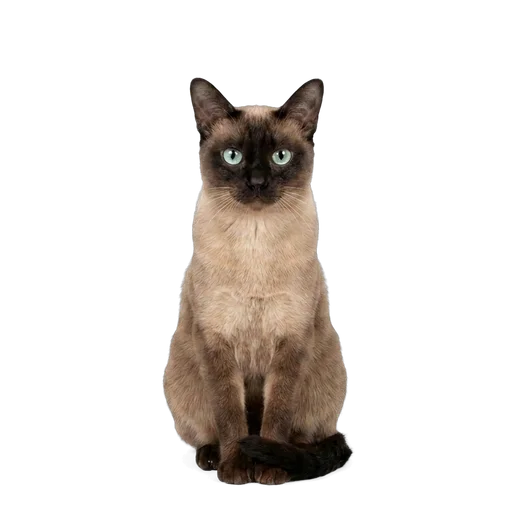
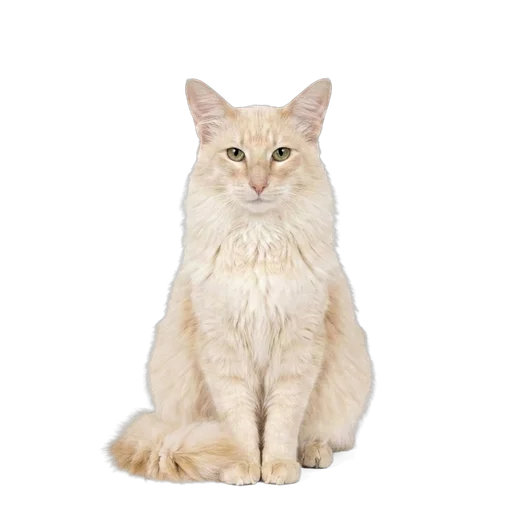
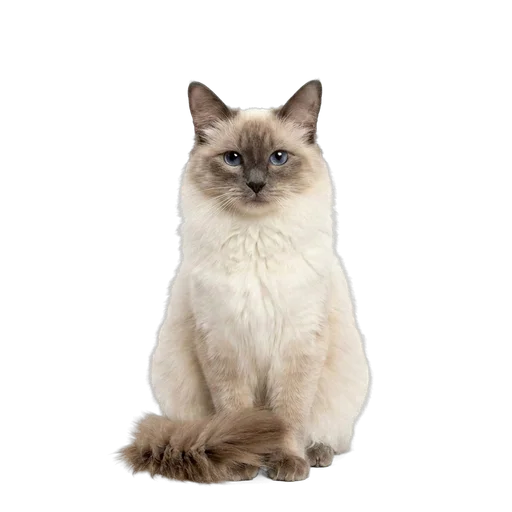
Deciding between similar breeds? Here is the Javanese next to Tonkinese and Oriental Longhair.
| Javanese | Tonkinese | Oriental Longhair | |
|---|---|---|---|
| Size | Medium | Medium | Medium |
| Weight | 2.5-4.5 kg | 2.7-5.5 kg | 2.5-5.5 kg |
| Lifespan | 12-16 yrs | 14-18 yrs | 12-15 yrs |
| Activity | Active | Active | Active |
| Shedding | Low | Low | Low |
| Good with kids | Yes | Yes | Yes |
| Apartment-friendly | Yes | Yes | Yes |
Frequently asked questions
Can a Javanese be left home alone all day?
Not comfortably. This breed is exceptionally social and prone to separation stress, so long days alone are hard on it. A companion pet or a home with people around for much of the day suits it far better.
How is the Javanese different from a Siamese or Balinese?
It belongs to the same family. Broadly, the Javanese is a longhaired pointed cat available in a wider range of point colors than the traditional Siamese, sharing their vocal, people-focused temperament and fine coat.
Are Javanese cats good for first-time owners?
They can be a lot for a beginner. Their high intelligence, vocal demands and need for constant company suit an owner who has the time and commitment to keep them engaged, more than someone wanting a low-maintenance, independent cat.
Do Javanese cats shed much?
Very little. The single coat has minimal undercoat, so shedding is low and a weekly comb is generally all the coat care they need.
What health issues should I ask a breeder about?
Ask about progressive retinal atrophy, feline asthma, amyloidosis and dental disease, all seen in the Siamese line. A good breeder will test where possible and talk openly about their cats' health history.
Related breeds
Health and care information is drawn from established veterinary sources and is general guidance, not veterinary advice. See our sources
Keep records for your Javanese
Vaccinations, food and treat safety, allergy alerts and parasite reminders - all tracked for your Javanese in the Pethls app.