

Origin: United Kingdom
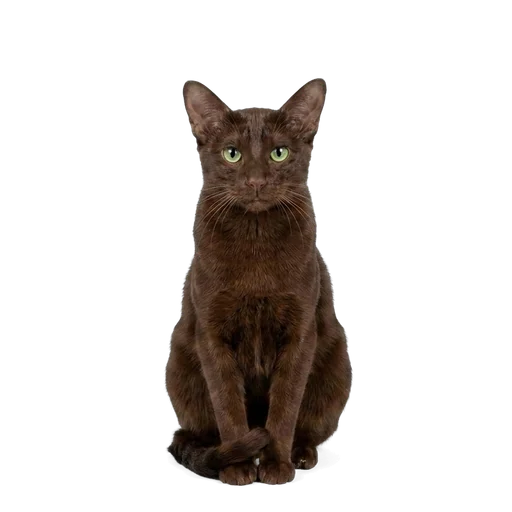
Havana Brown
Get reminders for your Havana Brown's vaccines
Vaccination and parasite reminders, food-safety scans and health records — free to start in the Pethls app.


Good for
The Havana Brown is a rarity in every sense. This is a scarce breed defined by one striking feature: a rich, even chocolate-brown coat paired with vivid green eyes. Beyond the looks, the Havana is prized for temperament. These cats are playful, clever, and deeply attached to their people, often reaching out with a paw to touch your face or get your attention. It is a small breed, usually 2.5 to 5 kg, with a lifespan of 12 to 15 years. If you want a cat that engages with you constantly, the Havana Brown delivers, though that same trait means it does not cope well with being left alone for long stretches.
Temperament & personality
Havana Browns are people cats through and through. They want to be involved in whatever you are doing and are known for that endearing paw-reaching gesture, gently patting at your hand or face to make contact. This is a breed that thrives on interaction and forms strong, specific bonds with its household.
They are also genuinely smart and curious. Havanas enjoy puzzle toys, games of fetch, and learning little tricks, and they will investigate every new box, bag, and cupboard. That intelligence keeps them engaging but also means they need daily play and attention to stay content.
The flip side of all that devotion is a low tolerance for being alone. A Havana left by itself all day, every day can become lonely and stressed. They do best in homes where someone is around often, or with a companion animal for company. For that reason, they suit people who are home a lot and want a hands-on cat, whether that is an experienced owner or a committed first-timer prepared for a needy companion.
Vaccination schedule
Core FVRCP vaccination (rhinotracheitis, calicivirus, panleukopenia) begins at 6 to 8 weeks, with boosters every 3 to 4 weeks until the kitten reaches at least 16 weeks. The full series is what confers dependable protection, so complete every dose on time.
Rabies is given between 12 and 16 weeks, followed by boosters as your vet and local law require. Keep the certificate, as it is often needed for boarding or travel.
FeLV (feline leukemia) is recommended for cats with outdoor access or contact with cats of unknown status. Many Havana Browns are kept as indoor-only cats, in which case long-term FeLV boosters may not be necessary, but most vets still advise the kitten series and then a lifestyle-based reassessment.
Best food & diet
Feed a complete, high-quality cat food centered on animal protein, matched to life stage: a growth formula for kittens up to about a year, then an adult maintenance diet. As obligate carnivores, Havanas do best with meat-forward recipes rather than carbohydrate-heavy ones.
Water intake deserves particular attention with this breed because of its tendency toward calcium oxalate bladder stones. Feeding a good proportion of wet food raises overall moisture intake, which helps keep urine dilute and lowers stone risk. A pet water fountain can encourage a cat that does not drink much.
Keep portions measured to maintain a lean weight, and change diets gradually over 7 to 10 days. If your cat has a history of urinary stones, your vet may prescribe a specific therapeutic diet, which should then be fed exclusively as directed.
Common health problems
The Havana Brown is generally a healthy breed, but a few issues come up more than others. Upper respiratory infections can affect them, especially as kittens or in multi-cat environments, showing up as sneezing, runny eyes and nose, and congestion. Keeping vaccinations current and stress low helps.
The more specific concern is calcium oxalate urolithiasis, or bladder stones. Watch for straining to urinate, frequent trips to the litter box, blood in the urine, or urinating outside the box. A male cat straining and producing little or no urine is an emergency, as a blockage can be life-threatening within hours.
Dental health matters too, and gingivitis is the main thing to catch early. Regular tooth brushing and veterinary dental checks go a long way. With good preventive care, though, most Havana Browns enjoy a healthy 12 to 15 years.
Allergies & skin
The Havana Brown is not hypoallergenic. Its short, glossy coat sheds very little and needs almost no grooming, but the Fel d 1 protein responsible for cat allergies comes from saliva and skin, so a low-shedding coat does not make the breed allergy-safe.
Skin is usually trouble-free thanks to the short single coat. As always, over-grooming, scabbing, or thinning fur points to fleas, food sensitivity, or environmental allergy and is worth a closer look.
Because Havanas are so tactile and hands-on, you will likely notice any skin change early. Run your hands over the coat during your regular cuddle sessions and check for lumps, scabs, or sore spots.
Flea, tick & worm prevention
Use flea and tick products formulated specifically for cats, never dog treatments. Permethrin, common in canine spot-ons, is highly toxic to cats and can be fatal. This holds even if your Havana is a pampered indoor cat, because fleas still arrive on shoes, clothing, and other pets.
Your vet can advise on a cat-safe monthly preventive. Indoor-only Havanas may need lighter parasite coverage than an outdoor cat, but they are not risk-free, so keep some form of protection going based on veterinary advice.
Worming schedules depend on lifestyle. Kittens are dewormed on a set timetable, and indoor adults typically need less frequent treatment than outdoor hunters. Some cat-safe products combine flea and worm control in one treatment, though coverage varies by product, so check which parasites yours actually targets.
Medications & dosing
Medication doses are set by body weight and must be vet-directed. In a small cat like the Havana Brown, around 2.5 to 5 kg, precise dosing matters, so base it on a current weight rather than an estimate.
Human medicines are off limits unless a vet prescribes them for your cat. Paracetamol (acetaminophen) and ibuprofen are toxic to cats even in tiny doses. When in doubt, phone your vet before giving anything.
If your Havana has had bladder stones or urinary problems, follow any prescribed diet or medication exactly, and do not stop early once symptoms improve. If gingivitis or dental disease ever comes up, complete any prescribed course and keep up the at-home dental routine your vet recommends between treatments.
Grooming & coat care
Grooming a Havana Brown is about as easy as cat care gets. The short, glossy coat sheds little and needs only occasional attention. A weekly wipe-down with a grooming glove or soft brush removes the small amount of loose hair and brings up the coat's shine.
The bigger care priorities are teeth and general upkeep. To help guard against gingivitis, aim to brush the teeth several times a week with a cat-safe toothpaste, starting young so your cat accepts it. Add routine nail trims and quick ear checks.
Use grooming as connection time. This breed loves contact, so a short brushing or glove session doubles as bonding and gives you a regular chance to check skin, weight, and overall condition.
How the Havana Brown compares
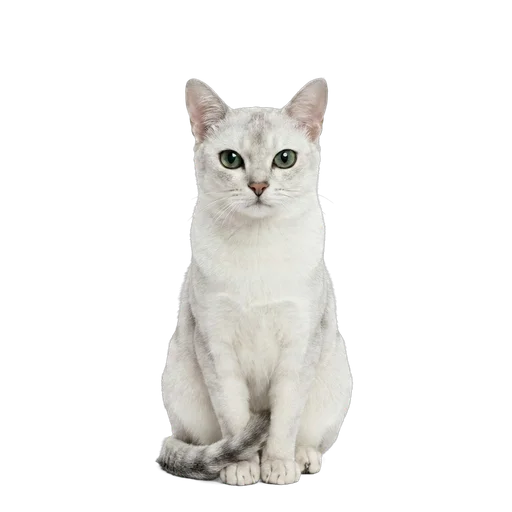
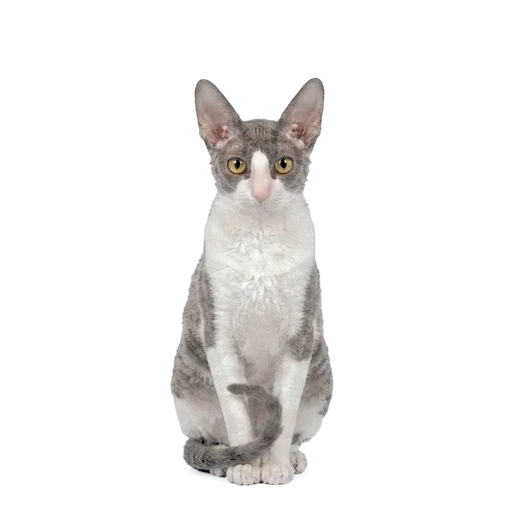
Deciding between similar breeds? Here is the Havana Brown next to Burmilla and Cornish Rex.
| Havana Brown | Burmilla | Cornish Rex | |
|---|---|---|---|
| Size | Small | Medium | Small |
| Weight | 2.5-5 kg | 3-6 kg | 2.5-4.5 kg |
| Lifespan | 12-15 yrs | 10-15 yrs | 11-15 yrs |
| Activity | Moderate | Moderate | Active |
| Shedding | Low | Low | Low |
| Good with kids | Yes | Yes | Yes |
| Apartment-friendly | Yes | Yes | Yes |
Frequently asked questions
Why is the Havana Brown so rare?
It is a numerically small breed with a limited gene pool and relatively few breeders worldwide. Its distinctive even chocolate-brown coat and green eyes come from specific breeding, which keeps numbers low and kittens hard to find.
Can Havana Browns be left alone during the day?
Not comfortably for long. They are very people-oriented and dislike being alone, and prolonged isolation can leave them lonely and stressed. A companion pet or a household where someone is often home suits them best.
What is the paw-reaching thing Havanas do?
Havana Browns are known for gently reaching out with a paw to touch your hand or face to get attention or make contact. It is a signature, affectionate breed trait that reflects how tactile and people-focused they are.
What health problem should Havana Brown owners watch for most?
Calcium oxalate bladder stones are the standout concern. Encourage water intake, feed plenty of wet food, and see a vet urgently if your cat strains to urinate or produces little urine, since a urinary blockage is an emergency.
Do Havana Browns need much grooming?
Very little. The short, glossy coat sheds minimally and a weekly brush or glove is enough. Put more effort into dental care, since gingivitis is common in cats and largely preventable with routine brushing.
Related breeds
Health and care information is drawn from established veterinary sources and is general guidance, not veterinary advice. See our sources
Keep records for your Havana Brown
Vaccinations, food and treat safety, allergy alerts and parasite reminders - all tracked for your Havana Brown in the Pethls app.