

Origin: United Kingdom
Burmilla
Get reminders for your Burmilla's vaccines
Vaccination and parasite reminders, food-safety scans and health records — free to start in the Pethls app.


Good for
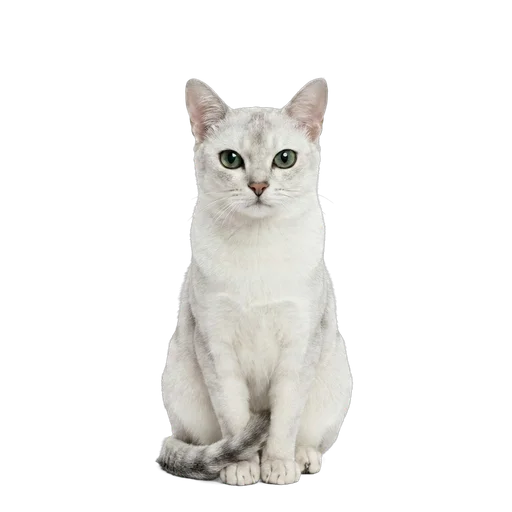
The Burmilla is a British cat that began in 1981 with an accidental mating between a Chinchilla Persian and a Burmese; the kittens won people over so completely that breeders went on to develop them deliberately into a breed in its own right. It has a striking silvery coat, often tipped or shaded, with the breed's signature dark eyeliner outlining the eyes and pigment on the nose. In character it blends the Burmese love of company with a gentler, more easygoing streak, staying sweet, playful and a touch kittenish well into adulthood. That makes it a lovely, sociable family cat. On the health side, its Persian ancestry means polycystic kidney disease deserves attention, and some Burmillas have sensitive, allergy-prone skin.
Temperament & personality
Burmillas are affectionate and people-oriented without being as demanding or loud as a full Burmese. They like to be near you, will happily settle on a lap and tend to greet visitors rather than hide from them. That sociable, gentle nature is a big part of why the breed is so well liked.
They keep a playful, kittenish streak long after kittenhood, enjoying toys, games and a bit of mischief into their adult years. They are clever and curious enough to stay interested in the world, but they are not the relentless livewires some Oriental breeds can be, which suits households that want an affectionate cat without a constant handful.
This easygoing temperament makes the Burmilla a strong choice for families with children and for homes with other calm pets. They generally cope well with a busy household and don't like being left alone for long stretches, so they do best where someone is around a good part of the day or where they have feline company.
Vaccination schedule
Burmilla kittens follow the standard feline core schedule. The FVRCP vaccine, protecting against feline viral rhinotracheitis, calicivirus and panleukopenia, starts at around six to eight weeks. Boosters are given every three to four weeks until the kitten is at least sixteen weeks old, so that maternal antibodies don't blunt the response.
Rabies is given between twelve and sixteen weeks where it is required by law or by risk, for example before travel. After the kitten series a booster follows at about one year, then the FVRCP booster is repeated every one to three years, with the interval set by your vet according to the cat's lifestyle and risk.
FeLV vaccination is recommended for any Burmilla with outdoor access or contact with cats of unknown health status. Many Burmillas are kept indoors, but vaccinating kittens against FeLV is a reasonable default, since the strongest protection comes from starting young and plans for an indoor-only life can change.
Best food & diet
Feed a complete, meat-first diet formulated to AAFCO or FEDIAF standards, with a named animal protein leading the ingredients and some wet food to keep the cat well hydrated. Because polycystic kidney disease runs in the breed, good hydration is worth prioritizing, so lean on wet food and keep fresh water available at all times.
Burmillas are prone to putting on weight if overfed, so measure portions rather than free-feeding, and keep a waist you can see and ribs you can feel under a light covering. Count treats within the daily allowance, and adjust amounts as the cat's age and activity change.
If a Burmilla is diagnosed with kidney disease later in life, your vet may recommend a therapeutic renal diet that is lower in phosphorus and controlled in protein. For a cat with sensitive skin, a diet trial under veterinary guidance can help rule food out as an itch trigger. Any change of food should be made gradually over about a week.
Common health problems
The health concern that most defines responsible Burmilla breeding is polycystic kidney disease, or PKD, inherited from the Chinchilla Persian side of the family. In PKD, fluid-filled cysts form in the kidneys and can slowly reduce kidney function over the cat's life. A DNA test exists, so ask a breeder whether the parents were screened, and buy only from lines that test.
Signs of kidney trouble, whether from PKD or age-related decline, include increased thirst and urination, weight loss, reduced appetite and low energy. These often appear only once function is well reduced, which is why regular vet checks and, in older cats, blood and urine tests to catch changes early are so valuable.
The other breed-linked issue is allergic dermatitis, covered in the next section. Alongside these, Burmillas face the everyday feline concerns of dental disease and weight gain. Yearly vet visits, moving to twice a year in older cats, catch these problems early.
Allergies & skin
Some Burmillas have sensitive skin and are prone to allergic dermatitis, meaning they react more readily than the average cat to things that trigger itching. The result is scratching, overgrooming, scabs or patchy hair loss, often around the head, neck and back.
The triggers are the usual three: fleas, food and the environment. Flea allergy dermatitis is the most common, where a single bite causes a big reaction, which makes strict year-round flea control especially important for this breed. Food allergies and atopic (environmental) allergies produce similar itching and sometimes recurrent ear problems.
If your Burmilla is itchy despite good flea control, see your vet rather than guessing. Working out the cause may involve a food elimination trial or investigation of environmental allergens, and treatment can range from medicated washes to anti-itch medication. Catching and managing skin flare-ups early keeps the cat comfortable and the lovely silvery coat intact.
Flea, tick & worm prevention
Use only flea and tick products licensed for cats, and never a dog product. Permethrin, found in many canine spot-ons, is highly toxic to cats and can cause tremors, seizures and death, so keep any treated dog in the home separate from the cat until the product has fully dried.
For a Burmilla, consistent flea control is doubly important because of the breed's tendency to flea-allergic skin, where even one bite can set off a miserable reaction. Regular, uninterrupted cover from a vet-recommended spot-on or tablet is the goal, tailored to whether the cat goes outdoors.
Worm your cat on a routine schedule, roughly every three months, and more often if it hunts, since prey and fleas both carry worms. Ticks are mainly a concern for cats that roam through long grass, so choose a product covering ticks if that suits your cat. Your vet can set the right frequency for your Burmilla's lifestyle.
Medications & dosing
All feline medication is dosed by body weight, so keep an accurate current weight for your Burmilla, which generally sits between three and six kilograms. On a cat this size, precise dosing matters, and regular weigh-ins make treatment safer.
Never give human medicines. Paracetamol is fatal to cats even in tiny amounts, and ibuprofen and aspirin are also toxic. This matters for a breed predisposed to polycystic kidney disease, since some drugs, including certain painkillers, can strain the kidneys and must only be used under veterinary direction.
For a Burmilla with reduced kidney function, your vet will choose and dose medications with the kidneys in mind and may monitor with periodic blood tests. Always follow the prescribed dose and finish any course, and if your cat is difficult to tablet, ask about liquid or flavored options rather than skipping doses.
Grooming & coat care
The Burmilla is fundamentally a shorthaired cat, with a short, dense, silky silvery coat that is easy to look after. A semi-longhair variety exists but is uncommon. A weekly brush keeps it glossy, removes loose hair and lets you check the skin at the same time, which is useful in a breed that can be prone to dermatitis. During molts you may want to brush a little more often.
This is a low-shedding, low-maintenance coat compared with a true longhair, and mats are rarely a problem. Even so, running your hands through the fur regularly helps you catch scabs, thinning patches or signs of overgrooming early, so a skin flare-up gets attention before it worsens.
Round out grooming with the usual basics: check the ears for wax, trim claws every few weeks if they aren't wearing down, and keep an eye on dental health with brushing or dental products where the cat allows. Handling a Burmilla gently and often from kittenhood makes all of this, and vet visits, far easier.
How the Burmilla compares
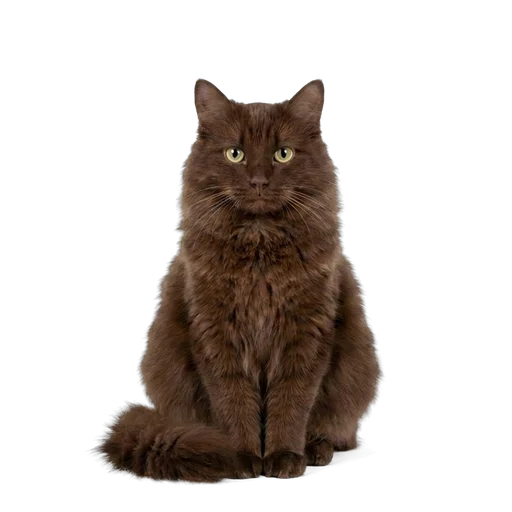
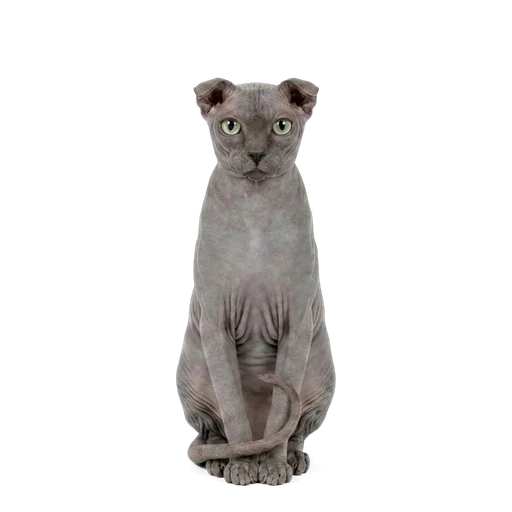
Deciding between similar breeds? Here is the Burmilla next to Chantilly and Ukrainian Levkoy.
| Burmilla | Chantilly | Ukrainian Levkoy | |
|---|---|---|---|
| Size | Medium | Medium | Medium |
| Weight | 3-6 kg | 3.5-7 kg | 5-7 kg |
| Lifespan | 10-15 yrs | 11-15 yrs | 15-20 yrs |
| Activity | Moderate | Moderate | Moderate |
| Shedding | Low | Medium | Low |
| Good with kids | Yes | Yes | Yes |
| Apartment-friendly | Yes | Yes | Yes |
Frequently asked questions
Where does the Burmilla come from?
It began in the UK as an accidental mating between a Burmese and a Chinchilla Persian. The kittens were so appealing that breeders developed them into an established breed, keeping the Burmese sociability alongside a distinctive silvery, dark-rimmed look.
Are Burmillas good family cats?
Very much so. They are affectionate, easygoing and playful, keeping a kittenish streak into adulthood, and they usually do well with children and calm pets. They enjoy company and dislike long stretches alone, so they suit fairly busy households.
What health problems should I watch for in a Burmilla?
The two breed-linked concerns are polycystic kidney disease, inherited from the Persian side, and allergic dermatitis from sensitive skin. Buy from a breeder who DNA-tests parents for PKD, keep up strict flea control for the skin, and stay current with dental and general care.
Do Burmillas shed much or need a lot of grooming?
No. The short, dense coat sheds fairly little and only needs a weekly brush to stay in good condition, with a little extra during molts. It is far lower maintenance than a longhaired breed and rarely mats.
Are Burmillas hypoallergenic?
No. No cat is genuinely hypoallergenic, and the Burmilla is no exception, so it is not a safe choice for someone with a diagnosed cat allergy. Its light shedding may mean a little less loose hair around the home, but it still produces the usual allergens.
Related breeds
Health and care information is drawn from established veterinary sources and is general guidance, not veterinary advice. See our sources
Keep records for your Burmilla
Vaccinations, food and treat safety, allergy alerts and parasite reminders - all tracked for your Burmilla in the Pethls app.