

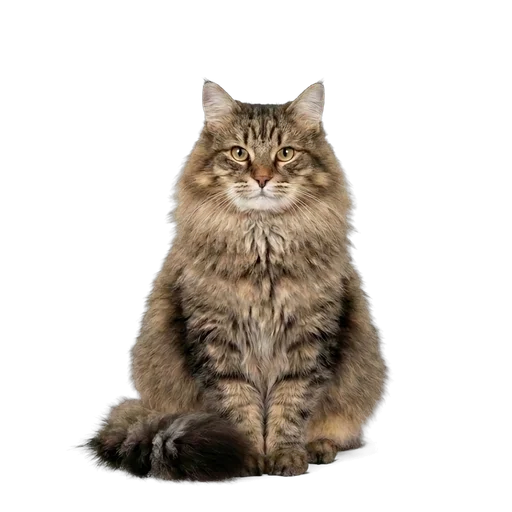
Origin: Russia
Kurilian Bobtail
Get reminders for your Kurilian Bobtail's vaccines
Vaccination and parasite reminders, food-safety scans and health records — free to start in the Pethls app.


Good for
The Kurilian Bobtail is a rugged natural breed from the Kuril Islands off the coast of Russia, instantly recognisable by its short, kinked pom-pom tail. No two tails are quite the same, and unlike the Manx, this bobtail comes from a healthy natural gene rather than a spinal defect. These are intelligent, dog-like cats that follow their owners around, learn quickly, and stay loyal to the whole family. They are excellent hunters with a calm, adaptable disposition that suits busy households, other pets, and children. Centuries of surviving a harsh island climate left a sturdy, long-lived cat that asks for very little beyond company and something to do.
Temperament & personality
Kurilian Bobtails act more like dogs than most cats. They come when called, enjoy learning tricks, and often bond with the entire family rather than a single person. Many will carry toys, play fetch, and greet you at the door, which makes them a favorite for people who want an interactive pet.
They are calm and even-tempered rather than hyperactive, but that placid nature sits on top of a serious hunting drive. This is a working island cat by heritage, so expect real interest in birds, insects, and anything that moves. A tall cat tree, puzzle feeders, and daily play give that instinct a healthy outlet.
Socially they are easygoing. Kurilians usually get on well with children, dogs, and other cats, and they tend to handle change and travel better than many breeds. They like company and can get bored or lonely if left alone for long stretches, so a second pet or plenty of interaction suits them best.
Vaccination schedule
Kittens begin the FVRCP core vaccine (feline viral rhinotracheitis, calicivirus, and panleukopenia) at 6 to 8 weeks, then get boosters every 3 to 4 weeks until at least 16 weeks old. Completing the full series is what builds durable protection, so do not stop at the first shot.
Rabies is given once between 12 and 16 weeks, in line with local law on timing and boosters. Because Kurilians are keen hunters that often want outdoor access, rabies cover is especially important for this breed.
FeLV (feline leukemia) vaccination is recommended for any Kurilian with outdoor access or that lives with cats who roam, since the breed's hunting habits raise contact risk. Indoor-only cats may not need ongoing FeLV boosters, so talk lifestyle through with your vet. Adults continue with FVRCP and rabies boosters every 1 to 3 years depending on the products used.
Best food & diet
As obligate carnivores, Kurilian Bobtails need a diet built on quality animal protein. Choose a complete food with a named meat as the main ingredient, and include wet food or good hydration to support urinary and kidney health across a long life.
This is an athletic, muscular breed that stays active well into adulthood, which helps keep weight in check. Even so, measure portions and check body condition regularly, because a bored or under-exercised indoor cat can still gain weight.
Given how long this breed tends to live, feeding for the long game matters. Support the diet with fresh water, adjust portions as an older cat slows down, and ask your vet about a senior formula once your Kurilian passes the ten-year mark. Hunters that catch and eat prey also need regular worming.
Common health problems
The Kurilian Bobtail is one of the healthier pedigree cats, a benefit of developing as a natural breed rather than through heavy selective breeding. No breed-specific hereditary conditions are established for it.
The short tail is worth a specific note. Unlike the Manx, whose taillessness is linked to a spinal-defect gene that can cause serious problems, the Kurilian bobtail comes from a different, generally benign gene. If you ever notice changes in movement or toileting, have your vet check it, but the tail itself is not considered a source of neurological or bowel disease in this breed.
Because there is no single dominant illness to watch, prevention is the whole game here. Keep up routine wellness checks so problems are caught early, prioritize dental care, and maintain screening as your cat ages, particularly kidney and heart checks in seniors.
Allergies & skin
The Kurilian Bobtail is not hypoallergenic. It comes in short-coated and long-coated varieties, and both shed and both carry the Fel d 1 allergen in saliva and dander that triggers most cat allergies. Grooming and cleaning help manage exposure but cannot remove it.
The coat is weather-resistant and low in trouble, but as a hunter this breed spends time in undergrowth if it has outdoor access, so check the skin for scratches, ticks, and flea dirt after time outside. Flea allergy is the most common feline skin problem and one flea bite can cause days of itching.
Watch for overgrooming, hair loss, or scabby bumps, which can signal flea allergy, a food sensitivity, or an environmental allergy. These look similar on the skin but need different treatment, so let your vet diagnose the cause rather than treating it blind.
Flea, tick & worm prevention
Only ever use flea and tick products labeled for cats. Dog spot-ons containing permethrin are highly toxic to cats and can cause tremors, seizures, and death, so never put a dog product on a Kurilian and keep freshly treated dogs away from the cat until it dries.
This breed's strong hunting drive means outdoor-access Kurilians pick up more parasites than an indoor cat, so consistent monthly or quarterly cat-safe prevention is important. Your vet can match the product to how much your cat roams and hunts.
Hunters that catch mice and birds are at higher risk of tapeworms and other intestinal worms, so worm a hunting Kurilian more often, typically every 1 to 3 months, versus every 3 to 6 months for a low-risk indoor adult. Watch for visible segments near the tail, a pot-bellied look, or weight loss despite eating well.
Medications & dosing
Every medication for a Kurilian Bobtail should be weight-based and prescribed by your vet. Cats process drugs very differently from dogs and people, so a safe canine or human dose can be toxic to a cat. Weigh your cat before dosing rather than estimating.
Human painkillers are off-limits. Paracetamol (acetaminophen) is deadly to cats in tiny amounts, and ibuprofen and aspirin are dangerous without veterinary oversight. If your cat seems sore or off, call your vet for a cat-safe option instead of guessing.
Finish any prescribed course in full, even when your cat perks up early, and check with your vet before mixing two medicines or adding a supplement. Kurilians are stoic and active, so they often mask illness until it is advanced, which is another reason to follow the plan exactly rather than stopping when they seem better.
Grooming & coat care
Grooming needs depend on which coat your Kurilian has. The short-coated type needs a quick weekly brush or comb to remove loose hair, while the long-coated type benefits from combing two or three times a week to keep the longer fur and britches free of tangles.
Both coats are weather-resistant and reasonably self-maintaining, so grooming is easy rather than demanding. Step it up during spring and autumn when shedding increases, using a comb to lift out the loose undercoat before it ends up on your furniture.
Pay attention to the pom-pom tail during grooming, checking gently for any matting in the longer fur there, and never pull on it. Finish with the standard routine: a nail trim every few weeks, a weekly ear check, and regular tooth brushing or vet-approved dental care, since dental disease is the most common dental problem in cats and a frequent long-term health issue.
How the Kurilian Bobtail compares
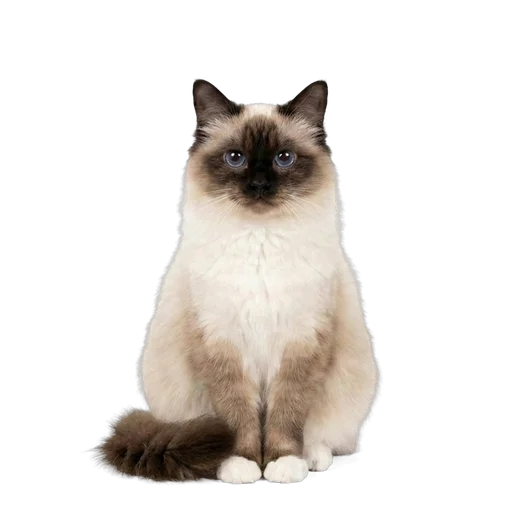
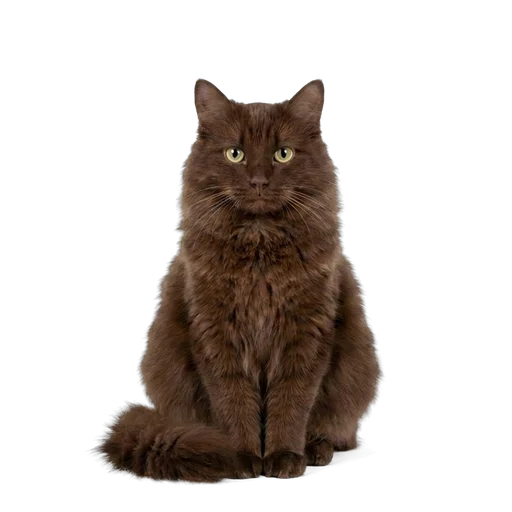
Deciding between similar breeds? Here is the Kurilian Bobtail next to Birman and Chantilly.
| Kurilian Bobtail | Birman | Chantilly | |
|---|---|---|---|
| Size | Medium | Medium | Medium |
| Weight | 3-7 kg | 4-6 kg | 3.5-7 kg |
| Lifespan | 15-20 yrs | 12-16 yrs | 11-15 yrs |
| Activity | Moderate | Moderate | Moderate |
| Shedding | Medium | Medium | Medium |
| Good with kids | Yes | Yes | Yes |
| Apartment-friendly | Yes | Yes | Yes |
Frequently asked questions
Is the Kurilian Bobtail's short tail a health problem?
No. Unlike the Manx, whose taillessness is tied to a spinal-defect gene, the Kurilian's bobtail is a healthy natural trait with no linked spinal or nerve disease. Every tail is a little different, and none of them cause the cat harm.
Are Kurilian Bobtails good family cats?
Very much so. They are calm, intelligent, and dog-like, and they typically get on well with children, dogs, and other cats. They enjoy company and interaction, which makes them a strong fit for busy family homes.
How long do Kurilian Bobtails live?
This is a long-lived natural breed, with many cats reaching 15 to 20 years. Good routine and dental care still matter for every cat.
Do Kurilian Bobtails need a lot of grooming?
Grooming is moderate and depends on the coat. The short-coated type needs a weekly brush, while the long-coated type needs combing two or three times a week, with a little extra during seasonal shedding.
Are Kurilian Bobtails hypoallergenic?
No. Both the short and long coats shed and carry the Fel d 1 allergen found in all cats. Regular grooming and cleaning can reduce exposure, but no cat is truly allergy-free.
Related breeds
Health and care information is drawn from established veterinary sources and is general guidance, not veterinary advice. See our sources
Keep records for your Kurilian Bobtail
Vaccinations, food and treat safety, allergy alerts and parasite reminders - all tracked for your Kurilian Bobtail in the Pethls app.