

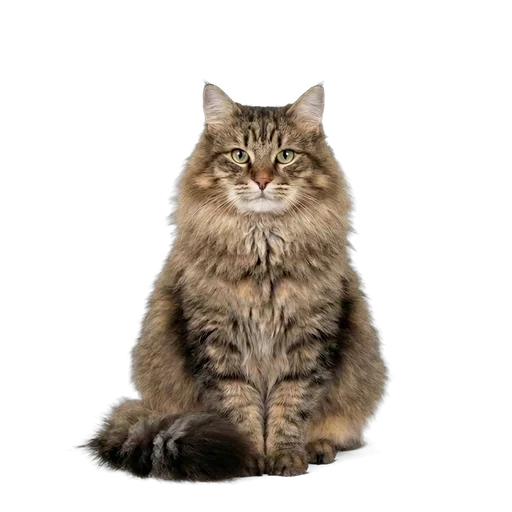
Origin: United States
Maine Coon
Get reminders for your Maine Coon's vaccines
Vaccination and parasite reminders, food-safety scans and health records — free to start in the Pethls app.


Good for
The Maine Coon is the largest domestic cat breed, and its reputation as a gentle giant is well earned. These shaggy, tuft-eared cats from the American Northeast pair a big body with an easygoing, sociable nature. Good Maine Coon care comes down to a few things: feeding a large slow-growing cat correctly, staying ahead of a couple of breed-specific heart and joint conditions, and keeping that long double coat brushed. Here is what owners should know before and after bringing one home.
Temperament & personality
Maine Coons act more like dogs than most cats. They follow you room to room, greet you at the door, and many can be leash-trained for backyard walks. This is a cat that wants to be part of whatever you are doing, not one that hides under the bed when guests arrive.
Instead of a standard meow, Maine Coons chirp and trill, a chattery little sound that stays kitten-like their whole lives. Plenty of them are also oddly fascinated by water and will paw at a running faucet or dip a toy in their bowl.
Their patience makes them a solid pick for busy households. They tolerate toddlers, get along with dogs, and rarely lash out when handled. Still, they are large and strong, so teach kids to support the whole body when lifting one.
Vaccination schedule
Kittens start the FVRCP core vaccine (feline viral rhinotracheitis, calicivirus, and panleukopenia) around 6 to 8 weeks, then get boosters every 3 to 4 weeks until roughly 16 weeks old. Rabies is given once, usually between 12 and 16 weeks, and is legally required in most US states.
Cats that go outdoors, live in multi-cat homes, or spend time in boarding should also get the FeLV (feline leukemia) vaccine, ideally started in kittenhood after a negative test. Indoor-only single cats may not need it, so ask your vet.
After the kitten series, cats get a booster at about one year. From there, core vaccines run on a 1- to 3-year cycle depending on the specific product and your cat's lifestyle. Your vet sets the exact interval based on local disease risk.
Best food & diet
Maine Coons are slow growers that keep filling out until 3 to 5 years old, so they benefit from staying on a high-protein kitten formula longer than average, often to 12 to 15 months. Kitten food supports the extra muscle and bone this large frame needs.
Feed a mix of wet and dry. Canned food adds moisture that supports urinary and kidney health, a real advantage for a breed this size, while dry kibble is convenient and helps with dental wear. Look for a named animal protein as the first ingredient and a diet meeting AAFCO standards.
Portion to body condition, not to the bowl. A grown Maine Coon usually weighs about 4 to 8 kg (roughly 9 to 18 pounds), with females at the lower end and males at the top, but that range covers a lot of frame, so you should still feel the ribs under a light layer. Split the daily amount into two or three measured meals and adjust with your vet if weight creeps up.
Common health problems
Hypertrophic cardiomyopathy (HCM) is the health issue most linked to the breed. Maine Coons can carry a specific MyBPC3 gene mutation that thickens the heart muscle. A DNA test identifies cats that carry the MyBPC3 mutation, which raises their risk rather than guaranteeing disease, and a cardiac ultrasound (echocardiogram) catches disease that genetics alone can miss, since not every affected cat carries the known mutation.
A couple of other conditions are worth monitoring: hip dysplasia, unusual in cats but something a frame this large can develop, and spinal muscular atrophy, which can cause muscle weakness in kittens and has its own DNA test. As with any cat, kidney issues such as polycystic kidney disease (PKD) can occur, and the kidneys are checked at routine exams and can be assessed by ultrasound if your vet has concerns.
Buy from breeders who test their breeding cats for HCM, SMA, and PKD and share the results. If you already have a Maine Coon, ask your vet about baseline heart screening. You can keep a written record of vaccination dates, weights, and screening results so nothing slips between visits. None of this replaces a hands-on exam, so keep up with yearly checkups.
Allergies & skin
Maine Coons tend to have tough, resilient skin, and most owners never deal with anything dramatic. Even so, the coat is the thing to watch. A cat this big and this fluffy can hide problems under all that fur, so run your hands right down to the skin every week and look for scabs, redness, or thinning patches you would otherwise miss.
The most common trigger for Maine Coon allergies is fleas. A single bite can set off flea allergy dermatitis, which shows up as scabby little bumps along the back and base of the tail, plus a lot of scratching and licking. Keep every cat in the house on year-round flea prevention, because clearing an established flea problem in a long double coat is a slog. Some Maine Coons also react to their food, usually a protein they have eaten for years, and that tends to look like itchy skin, ear irritation, or loose stools. Environmental things like pollen and dust can drive itching too. If your cat is chewing itself raw and you have ruled out fleas, an elimination diet and a vet visit are the next steps.
Maine Coon overgrooming is worth taking seriously because the coat mats fast where a cat licks the same spot over and over. A bald strip on the belly or inner thigh often points to itch, pain, or stress rather than a coat fault, so get it checked rather than just brushing it out. Mats themselves can trap moisture and irritate the skin underneath, which is another reason for the weekly hands-on check.
On the human side, no Maine Coon is hypoallergenic, and if anything this breed is a harder sell for allergy sufferers. The allergen that makes people react is Fel d 1, a protein in cat saliva and skin that spreads onto the fur during grooming and then floats around your home on shed hair and dander. A Maine Coon is a large cat with a huge coat that sheds a lot, so it puts more of that protein into the air than a small short-haired cat would. If you are asking whether you are allergic to Maine Coons or whether Maine Coons are hypoallergenic, spend real time around one before committing, because reactions vary from person to person.
Are Maine Coons hypoallergenic?
No. No cat breed is truly hypoallergenic, and the Maine Coon is not a good bet for allergy sufferers. Cat allergies are triggered mainly by Fel d 1, a protein in saliva and skin oils that ends up on the fur during grooming. Every cat produces it.
The heavy shedding makes things worse, since all that loose, dander-coated hair spreads the allergen around your home. A larger cat with more coat simply puts more of it into the air than a small short-haired cat would.
If someone in the house is mildly sensitive, frequent brushing, a HEPA air purifier, regular vacuuming, and keeping the cat out of bedrooms can cut exposure. Worth knowing too: Maine Coons may develop their own allergies to food, fleas, or pollen, which often shows up as itchy skin or overgrooming worth a vet visit.
Flea, tick & worm prevention
Indoor cats need parasite prevention too. Fleas hitch rides on clothing and other pets, ticks come in on dogs, and mosquitoes that slip through a door can transmit heartworm, which has no approved treatment in cats and is far easier to prevent.
Use a vet-recommended monthly or seasonal product matched to your cat's weight, and never split a dog product for a cat, since some canine ingredients are toxic to felines. Many modern preventives cover fleas, ticks, and several intestinal worms in one dose.
Deworm on your vet's schedule, and if your Maine Coon hunts or goes outdoors, mention it, because that raises the risk of tapeworm and other parasites and may change how often treatment is needed.
Medications & dosing
Maine Coons are one of the breeds most often affected by hypertrophic cardiomyopathy (HCM), a thickening of the heart muscle. If your cat is diagnosed after a scan or an echocardiogram, your vet may put them on a beta-blocker like atenolol to slow the heart rate, and clopidogrel to lower the risk of dangerous blood clots. These are usually daily, long-term medications, and the dose is calculated for your specific cat. Give exactly what is prescribed, at the same times each day, and do not stop or change the amount without talking to your vet first, even if your cat seems perfectly fine.
This is also a big, heavy breed, and hip dysplasia is worth keeping an eye on and raising with your vet. Older or arthritic Maine Coons may be prescribed joint-support supplements or a vet-approved anti-inflammatory to keep them comfortable. Never reach for anything from your own medicine cabinet to help with pain. A lot of common human drugs, including paracetamol (acetaminophen) and ibuprofen, are extremely toxic to cats and can be fatal even in small amounts. Only your vet can choose a pain medication that is safe for a cat and dose it for one this size.
Because a large Maine Coon can weigh up to about 18 pounds (8 kg), parasite preventives (flea, tick, and worming products) need to match their actual weight, not an average cat. A dose meant for a 9-pound cat may not fully protect a large one. Pilling any cat is a bit of an art, so ask your vet or a nurse to show you the technique in person, and consider a pill pocket or a spot-on option if tablets turn into a wrestling match. Keeping a running record of each prescription, the dose, and when the next refill is due makes life much easier. Note all of that down and set a reminder on your phone before you run out.
Grooming & shedding
That long, water-resistant double coat is the breed's signature, and it sheds a lot, especially in spring and fall. Brush three to four times a week with a stainless steel comb and a slicker brush to pull out the dead undercoat before it clumps. During heavy seasonal sheds you may need to do it daily.
Mats form fastest in the high-friction spots: behind the ears, in the armpits, on the belly, and in the long fur on the back legs, often called the trousers or britches. Work through those areas gently and split any small tangle with your fingers before it tightens into a pelt.
Also handle nails, ears, and the occasional bath as needed. One thing to watch: a sudden change in coat quality or a burst of shedding outside the normal seasons can signal stress, poor diet, or an underlying illness, so book a vet check if the coat looks off. A grooming reminder on your phone helps keep the routine on track.
How the Maine Coon compares
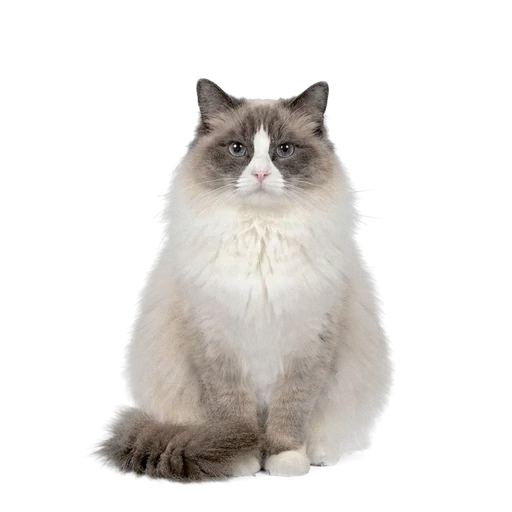
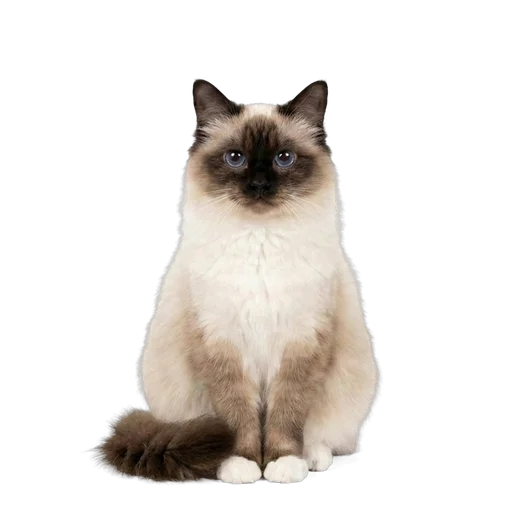
Deciding between similar breeds? Here is the Maine Coon next to Ragdoll and Birman.
| Maine Coon | Ragdoll | Birman | |
|---|---|---|---|
| Size | Large | Large | Medium |
| Weight | 5-11 kg | 4-9 kg | 4-6 kg |
| Lifespan | 12-15 yrs | 12-17 yrs | 12-16 yrs |
| Activity | Moderate | Calm | Moderate |
| Shedding | High | Medium | Medium |
| Good with kids | Yes | Yes | Yes |
| Apartment-friendly | Yes | Yes | Yes |
Frequently asked questions
Are Maine Coons hypoallergenic?
No. Maine Coons produce the Fel d 1 allergen like all cats, and their heavy shedding spreads dander through the home, which can make them harder on allergy sufferers than smaller short-haired cats. Frequent brushing, air purifiers, and keeping them out of bedrooms can reduce exposure but will not eliminate it.
How big do Maine Coons get?
They are the largest domestic cat breed, typically weighing about 4 to 8 kg (roughly 9 to 18 pounds), with males at the higher end. They keep growing until 3 to 5 years old, much longer than most cats, and their lifespan usually runs 12 to 15 years.
What health problems are Maine Coons prone to?
The main concerns are hypertrophic cardiomyopathy (HCM), linked to a MyBPC3 gene mutation, along with hip dysplasia and spinal muscular atrophy, both worth raising with your vet. Reputable breeders screen for these with DNA tests and heart ultrasounds, and yearly vet exams help catch issues early.
What is the best food for a Maine Coon?
A high-protein diet with a named meat as the first ingredient, fed as a mix of wet and dry for hydration and dental health. Because Maine Coons grow slowly, many stay on kitten formula until 12 to 15 months. Feed measured meals to body condition, since this large frame can hide extra weight.
How often should you brush a Maine Coon?
Three to four times a week, moving to daily during the spring and fall shedding seasons. Focus on mat-prone areas behind the ears, on the belly, and in the leg fur. A sudden or off-season change in shedding can point to a health issue and is worth a vet check.
Related breeds
Health and care information is drawn from established veterinary sources and is general guidance, not veterinary advice. See our sources
Keep records for your Maine Coon
Vaccinations, food and treat safety, allergy alerts and parasite reminders - all tracked for your Maine Coon in the Pethls app.