

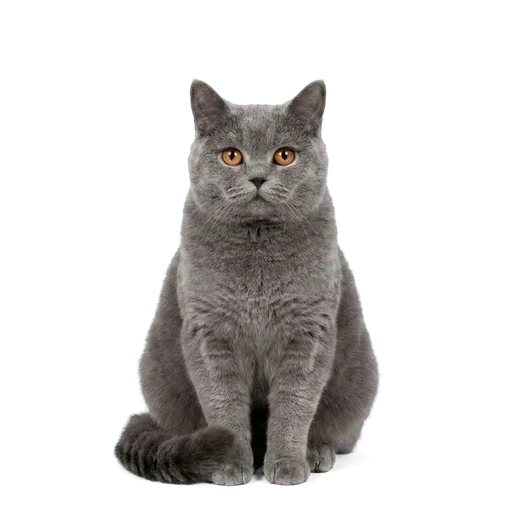
Origin: United Kingdom
British Shorthair
Get reminders for your British Shorthair's vaccines
Vaccination and parasite reminders, food-safety scans and health records — free to start in the Pethls app.


Good for
The British Shorthair is often said to be the inspiration for the Cheshire Cat, and one look explains why: round face, round eyes, and a dense coat you want to sink your hands into. This is a calm, sturdy breed that bonds hard but rarely demands the spotlight. If you want a quiet, affectionate cat that suits apartments and busy schedules, British Shorthair temperament and care sit near the easy end of the scale. Here is what to expect on personality, health, feeding, and grooming.
Temperament & personality
British Shorthairs are famously even-tempered. They greet strangers with polite curiosity rather than panic, and they settle into a household routine quickly. Loud homes, kids, other pets, a doorbell that never stops, most of it rolls off this breed.
Affection here comes on the cat's terms. A British Shorthair will follow you room to room and flop down nearby, but many dislike being picked up or carried. Think loyal roommate, not lap-glued velcro cat. That reserved streak is part of the charm.
They are independent enough to handle a workday alone without shredding the couch. A few toys and a window perch usually cover it. The nickname teddy bear cat fits the plush coat and the stocky, huggable build, though a good number would rather be admired than squeezed.
Vaccination schedule
Kittens start the core FVRCP vaccine (feline viral rhinotracheitis, calicivirus, and panleukopenia) around 6 to 8 weeks, with boosters every 3 to 4 weeks until roughly 16 weeks of age. This series builds immunity as protection from the mother fades.
Rabies is given once the kitten reaches about 12 to 16 weeks, and it is legally required in many US states. If your British Shorthair will spend time outdoors or live with cats that do, the feline leukemia (FeLV) vaccine is strongly recommended.
After the kitten series, cats get a booster at one year, then FVRCP and rabies every 1 to 3 years depending on the vaccine product and your cat's lifestyle. Your vet sets the interval, indoor-only cats often stretch to three-year cores.
Best food & diet
British Shorthairs put on weight easily. They mature slowly, stay fairly sedentary, and have a big appetite for their frame, which is a recipe for a chunky cat if you are not paying attention. Obesity is the single biggest diet-related risk in this breed.
Feed measured meals two or three times a day and skip free-feeding, where a full bowl sits out around the clock. Pick a protein-rich food built for cats, and weigh or scoop exact portions rather than eyeballing them. Wet food helps with hydration and adds bulk without a pile of calories.
Watch the waistline more than the scale. You should feel the ribs under a light layer and see a slight tuck behind the belly. If your cat is rounding out, cut portions before it becomes a problem, a few extra ounces on a stocky cat is easy to miss until it is pounds. Keeping a written record of weight and meals makes the trend obvious early.
Common health problems
Hypertrophic cardiomyopathy (HCM), a thickening of the heart muscle, is the most significant hereditary concern in the breed. Responsible breeders screen breeding cats with echocardiograms. Ask about HCM testing before you buy, and mention the breed history to your vet so heart checks are on the radar.
Hemophilia B, an inherited factor IX clotting deficiency, is the other documented concern in the breed and can cause prolonged bleeding after injury or surgery. A DNA test identifies carriers, so reputable catteries should be able to show hemophilia B results for the parents before they breed a line.
Weight is the everyday health issue, because carrying extra pounds strains joints and stacks the odds toward diabetes. Dental disease is common too, tartar and gum inflammation creep up with age, so annual oral exams and at-home tooth care pay off. In practice, the two things that move the needle most are buying from a breeder who screens for HCM and hemophilia B, and holding the line on weight.
Allergies & skin
British Shorthairs are hardy cats with generally uncomplicated skin, which is part of their easy reputation. Most of the allergy issues you will run into are food-related. A British Shorthair with a food sensitivity often shows it as itchy skin, over-licking, or the odd bout of loose stools. The way to pin it down is a food-elimination trial run past your vet, feeding a single novel or hydrolyzed protein for several weeks and watching whether the signs clear.
Flea allergy dermatitis is still the most common cause of sudden itching, even in a placid indoor cat, so keep up regular flea prevention. The classic signs are scabby bumps over the lower back and tail base along with a cat that grooms or scratches more than usual. Environmental allergies to pollen and dust are less talked about in this breed but do happen, producing itchy ears and face without any gut symptoms. If itching persists after you have ruled out fleas, an elimination diet is the usual way to sort food from environment.
That dense, plush double coat is the thing to keep an eye on. It is short but very thick, and it can hide the early scabs and thin patches that signal a skin problem, so a weekly hands-on check pays off. British Shorthair overgrooming is less common than in the highly strung breeds, so a cat that suddenly starts licking a patch bare is worth investigating rather than ignoring.
A short coat leads a lot of people to assume this breed is safe for allergies, and that assumption is wrong. British Shorthairs are not hypoallergenic. The allergen is Fel d1 in saliva and skin, not fur length, and this breed's thick coat sheds plenty of dander regardless of how short the hairs are. If you are wondering whether you are allergic to British Shorthairs or whether British Shorthairs are hypoallergenic, do not let the tidy short coat fool you, and test your reaction around one before you commit.
Medications & dosing
British Shorthairs are among the breeds screened for hypertrophic cardiomyopathy (HCM), a heart-muscle disease that can be silent until it is advanced. If your vet detects a murmur or confirms HCM on an echo, your cat may go on medication such as atenolol to steady the heart rate, and often clopidogrel to guard against clots. These are daily, lifelong drugs, and the amount is set for your individual cat. Stick to the exact dose and timing your vet gives you, and never stop suddenly because your cat looks well. Heart medication is doing its job precisely because things seem stable.
This is a solid, easygoing breed that puts on weight readily, and extra pounds bring their own problems, from strain on the joints to a higher risk of diabetes. Some of these conditions come with their own prescriptions, so whatever your vet hands you, whether it is for the heart, the weight, or something else entirely, give only the exact dose and duration written on the label. Do not raid your own medicine cabinet to help. Many human drugs, including paracetamol (acetaminophen) and ibuprofen, are severely toxic to cats and can kill even at low doses. Because every dose here is calculated by exact weight, weigh your cat now and then and mention any change to your vet.
Even a mellow British Shorthair can turn slippery when a tablet appears, so ask your vet to show you how to pill a cat safely, or ask about pill pockets and liquid forms. Keeping one tidy record of each medication, its dose, and when the next refill is due saves a lot of last-minute pharmacy scrambles. Keeping a written note of those details and a reminder on your phone before you run low is handy when a heart medication should never lapse.
Grooming & coat care
The signature coat is short but extremely dense, standing away from the body with a crisp, plush feel and no long guard hairs to mat. Most of the year, brushing once or twice a week keeps it clean and spreads the natural oils.
Shedding runs medium and picks up sharply during the spring and fall coat changes. During those weeks, brush every day or two to pull out the loose undercoat, or you will find it woven into your furniture. A rubber curry or a short-bristle brush works better than a fine comb on this thick coat.
Otherwise, upkeep is light. Trim the nails every couple of weeks, check the ears, and brush the teeth as often as your cat tolerates. British Shorthairs rarely need bathing unless something goes wrong in the litter box.
Flea, tick & worm prevention
Even a strictly indoor British Shorthair can pick up fleas from a dog, a visitor, or a bag of groceries, so year-round parasite prevention is the safe default. Vet-approved topical or oral products handle fleas and, where needed, ticks.
Kittens are usually dewormed on a schedule during their early vet visits, since roundworms and hookworms are common in young cats. Adults get periodic fecal checks and deworming based on risk and lifestyle.
Match the product to your cat's weight and never use a dog flea treatment on a cat, some canine formulas contain ingredients that are toxic to felines. Your vet will recommend the right prevention plan for your climate and whether the cat ever goes outside.
Is the British Shorthair right for you?
If you want a calm, low-drama cat that fits a small space and a full calendar, this breed is one of the easiest around. British Shorthairs are quiet, tolerant, and content to entertain themselves, which makes them a strong pick for first-time owners and apartment living.
The trade-offs are modest: seasonal shedding you brush through, a real tendency to gain weight, and a cat that loves you nearby but may not want to be held. If a portable lap cat is the goal, look elsewhere.
For most households, singles, families, older owners, anyone who prefers a mellow companion over a needy one, the British Shorthair delivers years of steady, easygoing company. Keep the meals measured and the vet visits regular, and you will have a healthy cat well into its teens.
How the British Shorthair compares
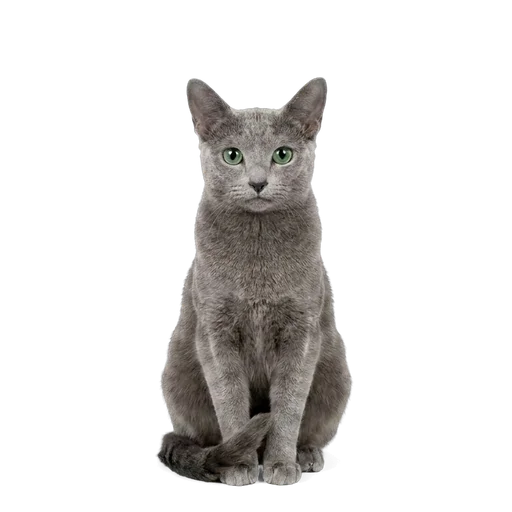
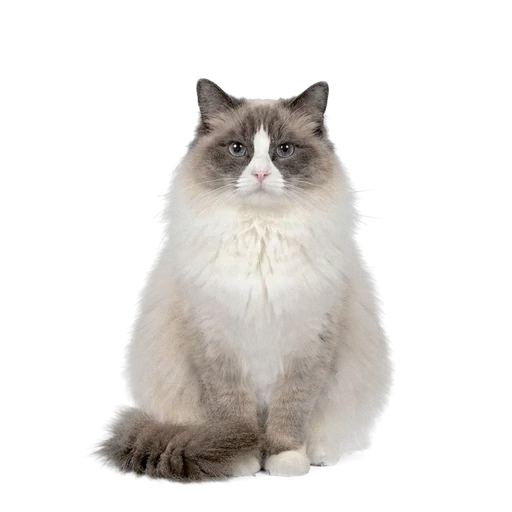
Deciding between similar breeds? Here is the British Shorthair next to Russian Blue and Ragdoll.
| British Shorthair | Russian Blue | Ragdoll | |
|---|---|---|---|
| Size | Medium | Medium | Large |
| Weight | 4-8 kg | 3-6 kg | 4-9 kg |
| Lifespan | 12-17 yrs | 15-20 yrs | 12-17 yrs |
| Activity | Calm | Calm | Calm |
| Shedding | Medium | Low | Medium |
| Good with kids | Yes | Yes | Yes |
| Apartment-friendly | Yes | Yes | Yes |
Frequently asked questions
Are British Shorthairs affectionate?
Yes, but on their own terms. They bond closely and like to stay in the same room as their people, following you around and settling nearby. Many dislike being picked up or held for long, so the affection tends to be companionable rather than cuddly. It is a loyal, low-key kind of love.
Do British Shorthairs get fat easily?
They do. The breed is naturally stocky, slow to mature, and not very active, and it has a hearty appetite. Free-feeding almost guarantees a chunky cat. Feed measured meals, choose a protein-rich food, and keep an eye on the waistline, obesity is the most common health problem in the breed.
Are British Shorthairs good for first-time owners?
Very. They are calm, independent, tolerant of noise and change, and happy to spend the workday alone. Grooming is light and their temperament is forgiving, which makes them one of the more beginner-friendly cat breeds. The main things to stay on top of are portion control and routine vet care.
How much do British Shorthairs shed?
Medium, with heavier seasonal shedding in spring and fall. The coat is short but very dense, so loose hair builds up fast during the twice-a-year coat change. Brushing once or twice a week normally, and daily during shedding season, keeps it under control and off your furniture.
How long do British Shorthairs live?
Typically 12 to 17 years, and often longer with good care. Keeping your cat at a healthy weight, staying current on vaccines and dental care, and asking the breeder about HCM and hemophilia B testing all help your British Shorthair reach the upper end of that range.
Related breeds
Health and care information is drawn from established veterinary sources and is general guidance, not veterinary advice. See our sources
Keep records for your British Shorthair
Vaccinations, food and treat safety, allergy alerts and parasite reminders - all tracked for your British Shorthair in the Pethls app.