

Origin: Russia
Russian Blue
Get reminders for your Russian Blue's vaccines
Vaccination and parasite reminders, food-safety scans and health records — free to start in the Pethls app.


Good for
The Russian Blue is a quiet, elegant cat that bonds hard with its people and stays gentle for a long life. This guide covers Russian Blue temperament and care in plain terms: what to feed a cat that loves to beg, how vaccines and parasite prevention fit together, the health issues to watch, and why the plush silver-blue coat needs less work than it looks. Small to medium in size, low shedding, and often long-lived, this breed rewards a calm, steady home.
Temperament & personality
Russian Blue temperament is calm, gentle, and a little reserved. New people and loud rooms make this cat step back and watch before it decides anything. Give it a few visits and it warms up on its own schedule, never on demand.
With its own family the reserve disappears. A Russian Blue often picks one or two favorite humans and follows them room to room, sitting nearby rather than climbing all over you. Affection here is quiet and steady.
These cats are playful, but in a measured way. They like feather teasers, puzzle feeders, and a good window perch more than wild chases. They also read your mood and go still when the house is tense.
One thing to know: they care about routine. Feed, play, and clean the litter box at consistent times. Sudden changes to the schedule or the furniture can leave a sensitive Russian Blue sulking for a day or two.
Vaccination schedule
Kittens start the FVRCP combination vaccine (feline viral rhinotracheitis, calicivirus, and panleukopenia) at about 6 to 8 weeks, with boosters every 3 to 4 weeks until roughly 16 weeks of age. This core series protects against the most common and dangerous feline viruses.
Rabies is the other core vaccine, usually given once between 12 and 16 weeks, then boosted on the schedule your state or vet requires. Many areas treat it as a legal requirement, not an option.
FeLV (feline leukemia) is recommended for kittens and for any cat that goes outdoors or lives with cats of unknown status. Indoor-only adults with no exposure may not need ongoing boosters. Your vet decides based on lifestyle.
After the kitten series, most cats move to booster visits every 1 to 3 years depending on the vaccine and local risk. Keep a written record of the dates so nothing lapses.
Best food & diet
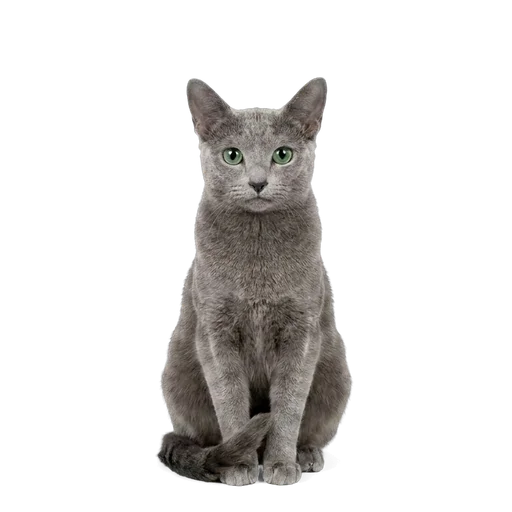
Here is the honest truth about this breed: the Russian Blue loves food and will beg for it with real conviction. Those pleading green eyes are persuasive, and giving in is the fastest way to an overweight cat.
Feed measured meals, not a bottomless bowl. Free-feeding is the main way owners let a Russian Blue drift into obesity, which is the single biggest diet risk for the breed. Portion the daily amount your vet recommends and split it into two or three set meals.
Choose a complete, balanced cat food with real animal protein high on the ingredient list. Wet food or a mix adds moisture and helps keep a cat well hydrated. Keep treats to a small share of daily calories.
Weigh your cat every month or two. A steady creep upward is easier to catch on a scale than by eye, since the dense coat hides a widening middle.
Common health problems
The Russian Blue is a hardy, long-lived breed, often reaching 15 to 20 years. There is no long list of inherited diseases attached to it, which is part of the appeal.
Obesity sits at the top of the real concerns, because extra weight strains a cat's whole body and can raise the risk of other health problems. Portion control is the best medicine here.
Like any cat, a Russian Blue can occasionally develop lower-urinary-tract signs, so watch for straining in the litter box, frequent tiny trips, or blood in the urine and call a vet promptly. A male cat that cannot pass urine is an emergency, so call a vet at once.
Dental disease is the other quiet problem. Tartar and gum inflammation build up over years and cause pain long before you notice. Regular checkups, dental cleanings when advised, and at-home tooth care keep the mouth healthy.
Allergies & skin
The Russian Blue is a hardy cat with a plush, dense double coat and a fairly clean bill of health on the skin front. Russian Blue allergies, when they appear, most often trace to food or the occasional flea bite. Signs are the usual ones: nibbling and licking the same spot until the fur thins, small scabby bumps, itchy ears, or a loose stool that points back to something in the bowl. Environmental triggers such as dust mites can play a part too, so keep them in mind alongside food and fleas.
That thick coat hides skin changes well, so run your hands through it now and then to feel for scabs, dandruff, or thin patches you cannot see at a glance. Flea control is the first line of defense, since flea allergy dermatitis causes a big reaction from a small trigger. If the itch continues once fleas are ruled out, a vet-supervised elimination diet sorts food allergy from everything else, and prescription medication can settle a bad flare while you find the cause.
Russian Blue skin problems are not a defining trait of the breed, so a sudden onset of hair loss or heavy scaling is worth a vet visit rather than a wait-and-see. Russian Blue bathing is rarely necessary because that double coat stays clean and mats little, so regular brushing to manage shedding is usually all the coat care they need.
Russian Blues also have a reputation for being easier on allergy sufferers, tied to Fel d1, the main cat-allergy protein. The dedicated hypoallergenic section below covers what that reputation is and is not worth.
Are Russian Blues hypoallergenic?
Russian Blues are often marketed as low-allergen, and there is a grain of truth to it. Some evidence suggests the breed may produce less Fel d 1, the protein in saliva and skin that triggers most cat allergies.
Still, no cat is truly hypoallergenic. Every Russian Blue still makes Fel d 1 and still spreads it through grooming. People with mild sensitivity sometimes do better with the breed, but reactions vary from person to person.
If allergies are a concern, spend real time around an adult Russian Blue before committing. A short visit tells you far more than any label.
You can lower exposure at home: brush the cat weekly, wash bedding often, keep the bedroom cat-free, and run a HEPA air filter. Talk to an allergist if symptoms are serious rather than counting on the breed alone.
Flea, tick & worm prevention
Even a quiet indoor Russian Blue needs parasite prevention. Fleas ride in on other pets, on your shoes, and through open doors, and one flea problem quickly becomes an infestation.
Use a vet-approved flea and tick product on the schedule it specifies, usually monthly. Cats that go outdoors or live near wooded areas face higher tick risk and may need year-round coverage. Never use a dog product on a cat, since some ingredients are toxic to cats.
Deworming matters too. Kittens are dewormed on a set early schedule, and adults are treated based on lifestyle and stool checks. Fleas can carry tapeworm, so flea control and deworming work together.
Bring a stool sample to routine checkups so your vet can catch intestinal parasites you cannot see. They will tailor the exact prevention plan to your cat and your region.
Medications & dosing
The Russian Blue has no long list of breed-specific medications. Most treatment is the same general care any cat might need, prescribed for a specific problem rather than the breed itself.
The common reasons a Russian Blue needs medication trace back to weight-related problems or dental disease. That can mean a course of antibiotics, pain relief after a dental procedure, or similar.
Always follow the exact dose and schedule your vet gives you, and finish the full course even if the cat seems fine. Never give human medications. Common painkillers like ibuprofen and acetaminophen are poisonous to cats and can kill them.
Log every dose and refill so you and your vet can see the full history. Keeping a written record makes it easy to track what was given and when, which matters if a symptom returns.
Grooming & coat care
The Russian Blue's signature is its coat: a dense, plush double coat that stands slightly away from the body and carries a silver-blue sheen tipped with light guard hairs. It feels like soft velvet under your hand.
Despite the thickness, this is a low-shedding, low-maintenance coat. A weekly brush with a soft slicker or grooming glove is usually enough to lift loose hair, spread natural oils, and keep the sheen bright.
During spring and fall shedding, add a second brushing session for a few weeks. Regular brushing also cuts down the hair the cat swallows, which means fewer hairballs.
Round out grooming with the basics: check and trim nails every couple of weeks, glance in the ears, and build a tooth-brushing habit early. A Russian Blue that learns grooming as a kitten accepts it calmly for life.
How the Russian Blue compares
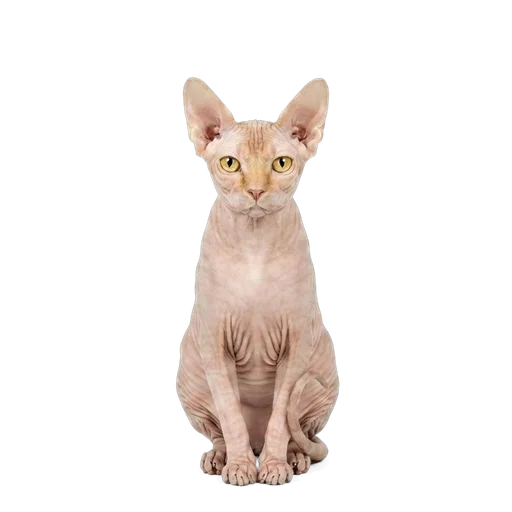
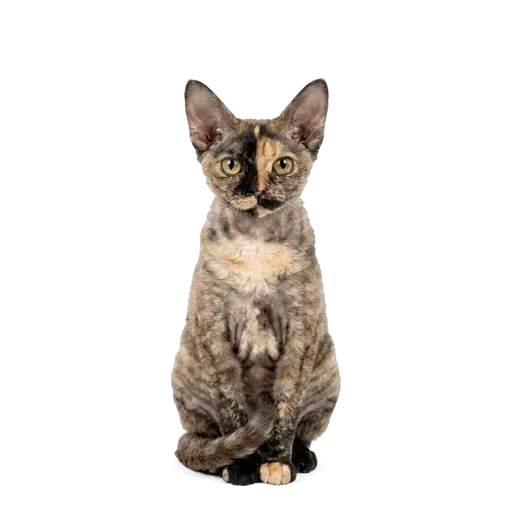
Deciding between similar breeds? Here is the Russian Blue next to Sphynx and Devon Rex.
| Russian Blue | Sphynx | Devon Rex | |
|---|---|---|---|
| Size | Medium | Small | Small |
| Weight | 3-6 kg | 3-5 kg | 3-5 kg |
| Lifespan | 15-20 yrs | 8-14 yrs | 9-15 yrs |
| Activity | Calm | Active | Active |
| Shedding | Low | Low | Low |
| Good with kids | Yes | Yes | Yes |
| Apartment-friendly | Yes | Yes | Yes |
Frequently asked questions
Are Russian Blues hypoallergenic?
No cat is truly hypoallergenic, including the Russian Blue. The breed may produce less of the Fel d 1 allergen and some sensitive people tolerate it better, but reactions vary. Spend time with an adult cat before deciding, and reduce exposure with weekly brushing and regular cleaning.
Are Russian Blues affectionate or shy?
Both, depending on who you are. They are reserved and cautious around strangers, hanging back until they trust you. With their own family they are devoted and affectionate in a quiet, close way, often bonding tightly to one or two people.
Do Russian Blues shed a lot?
No. The dense double coat sheds very little for most of the year, with light seasonal increases in spring and fall. A weekly brush keeps loose hair and hairballs to a minimum.
How long do Russian Blues live?
Russian Blues are generally very healthy and often live 15 to 20 years. Keeping them at a lean weight, staying current on vaccines and dental care, and seeing a vet for regular checkups gives them the best shot at the long end of that range.
Are Russian Blues good for apartments?
Yes. They are quiet, calm, and small to medium in size, which suits apartment living well. Give them a window perch, daily play, and a steady routine, and they settle in happily as indoor cats.
Related breeds

Health and care information is drawn from established veterinary sources and is general guidance, not veterinary advice. See our sources
Keep records for your Russian Blue
Vaccinations, food and treat safety, allergy alerts and parasite reminders - all tracked for your Russian Blue in the Pethls app.