

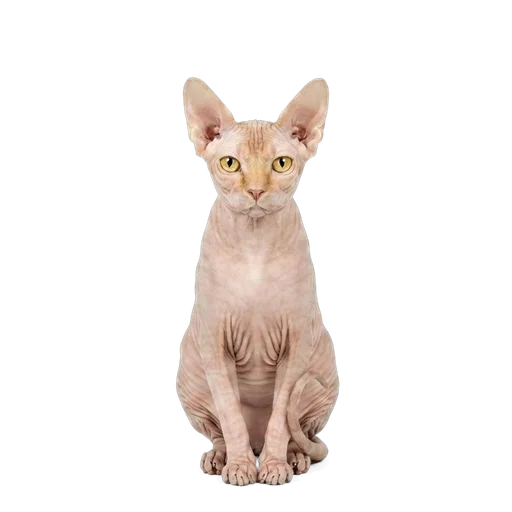
Origin: Canada
Sphynx
Get reminders for your Sphynx's vaccines
Vaccination and parasite reminders, food-safety scans and health records — free to start in the Pethls app.


Good for
The Sphynx cat is famous for being hairless, but owners fall for the personality, not the look. This is a warm, social, slightly needy cat that follows you room to room and wants to be on you, not near you. Originally from Canada, the Sphynx is a medium-sized cat, weighing about 3 to 5 kg, and lives roughly 8 to 14 years. Sphynx cat care leans heavier than most breeds: skin, warmth, and diet all need attention. Here is what to expect.
Temperament & personality
Sphynx cats are extroverts. They greet people at the door, ride around on shoulders, and insert themselves into whatever you are doing. If you want a cat that treats you like part of the furniture, this is not it. This one wants a relationship.
They are often called dog-like, and it fits. Many learn their name, come when called, and play fetch. They are also unapologetic attention seekers, so quiet independence is not part of the package.
A big driver of their behavior is warmth. With no coat, a Sphynx is always looking for a heat source, which usually means your lap, your neck, or under the blankets at night. That warmth-seeking is a real chunk of why they seem so affectionate.
One thing to plan for: Sphynx cats hate being alone. Long days with an empty house can leave them stressed and lonely. A second pet or a genuinely interactive household suits them far better than solo life.
Vaccination schedule
Core vaccines protect a Sphynx from the diseases that hit hardest. FVRCP, which covers feline viral rhinotracheitis, calicivirus, and panleukopenia, starts as a kitten series, usually given every 3 to 4 weeks from about 6 to 16 weeks of age.
Rabies is the other core shot and is legally required in most US states. Kittens typically get it once between 12 and 16 weeks, then a booster a year later.
FeLV, the feline leukemia vaccine, is recommended for kittens and for any cat with outdoor access or exposure to other cats of unknown status. Your vet will decide based on your Sphynx's lifestyle.
After the kitten series, adults move to booster intervals of one to three years depending on the vaccine and local risk. Keep the exact dates in a written record and set a reminder on your phone so nothing lapses.
Best food & diet
The best food for a Sphynx starts with one fact: they run hot. That hairless body burns energy constantly to stay warm, so a Sphynx has a fast metabolism and a bigger appetite than you would guess from its size.
Feed a quality, high-protein diet built around real meat. Cats are obligate carnivores, and an active, high-metabolism breed like this does best on food that matches those calorie needs without leaning on cheap fillers.
Big appetite does not mean unlimited food. Sphynx cats can still gain weight, and a chunky Sphynx puts extra strain on the heart, which is already a sensitive area for the breed. Measure portions and check the waistline instead of free-feeding by instinct.
Fresh water always, and ask your vet whether your individual cat needs slightly more calories in winter when heat loss climbs.
Skin care & bathing
Here is the trade-off with a hairless cat. There is essentially no shedding, but there is also no coat to absorb the natural oils the skin produces. Those oils build up, so a Sphynx gets greasy and can leave marks on bedding and furniture.
Most Sphynx cats need a bath about once a week with a gentle, cat-safe shampoo. Alongside baths, clean the ears regularly, since wax builds up fast, and wipe the nail folds, where a dark, waxy residue tends to collect.
Skin also means sun and cold exposure. Bare skin sunburns, so limit direct sun through windows and keep them off sunny sills for hours at a time. On the cold side, they chill quickly, so sweaters, warm bedding, and a heated spot help a lot.
Keep them warm as a rule, not an exception. A comfortable Sphynx is a warm Sphynx, and consistent warmth cuts down on the stress that heat-seeking behavior can otherwise cause.
Common health problems
The health problem to know before anything else is hypertrophic cardiomyopathy, or HCM. This heart-muscle disease is the most significant concern in the breed, and it can progress quietly. Ask about cardiac screening, including ultrasound, and repeat it on the schedule your vet recommends.
Skin conditions are the next most common issue, which follows from having exposed skin and heavy oil production. Rashes, blackheads, and yeast or bacterial infections can show up, especially if bathing and ear care slip.
Dental disease is also worth watching. Like many cats, Sphynx are prone to gingivitis and tooth problems, so regular dental checks and at-home care pay off over a lifespan of 8 to 14 years.
None of this is a reason to avoid the breed. It is a reason to keep up with vet visits and catch things early, HCM above all.
Allergies & skin
With a Sphynx, the skin is the whole story. A coated cat's fur soaks up the natural oils the skin produces. A Sphynx has no coat to do that job, so those oils sit on the surface and the skin turns greasy, sometimes leaving a brownish film on bedding, ears, and nail folds. This is why Sphynx bathing is part of ordinary care and not a luxury. A gentle bath about once a week, with a mild cat-safe shampoo, keeps the buildup down. Bathe too often or with harsh product and the skin overproduces oil to compensate, so easy does it.
The warm skin folds are a favorite spot for Malassezia, a yeast that lives on normal skin but overgrows when conditions suit it. Yeasty armpits, a musty smell, red irritated folds, or waxy ears are the signs to watch. Sphynx skin problems also include comedones, which look like blackheads along the chin and body, and a skin condition called urticaria pigmentosa that some Sphynx cats develop, showing up as itchy, crusty little bumps. None of these are your fault as an owner, but they do need a vet, since yeast and urticaria pigmentosa are treated very differently.
Keep a simple routine and most of this stays manageable: regular gentle baths, weekly ear cleaning, and a look over the skin for new bumps or redness. If the skin flares, gets itchy, or smells off, get it checked rather than reaching for human acne or dandruff products, which can be too strong. Sphynx cats also feel the cold and can get sunburned, so indoor warmth and shade matter for the skin too.
Sphynx are the poster cat for the hypoallergenic myth. Are Sphynx hypoallergenic? No. The allergy trigger is Fel d1, a protein in saliva and skin oils, and a hairless cat still makes plenty of it. In fact, because a Sphynx grooms itself and spreads saliva straight onto bare, oily skin, some allergy sufferers react more, not less. If you are wondering am I allergic to Sphynx cats, spend real time with one before committing. Frequent bathing lowers the surface allergen a bit, but Sphynx allergies in people are real and the no-fur look does not make them safe.
Flea, tick & worm prevention
A common myth is that hairless cats do not need parasite prevention. Fleas and ticks do not care about fur. They feed on the cat, and a Sphynx is just as much of a target as any coated breed.
The one upside is visibility. On bare skin you will spot fleas, flea dirt, and ticks far sooner than you would under a thick coat, which makes early treatment easier.
Stick with a year-round prevention plan your vet approves, covering fleas, ticks, and worms. Indoor cats are still exposed, since parasites hitch rides on people, other pets, and shoes. Deworming stays part of the routine even for a house-bound Sphynx.
Medications & dosing
If your Sphynx is diagnosed with HCM, the vet may prescribe heart medications to manage it. These are lifelong in many cases and need to be given exactly as directed, since timing and dose matter for cardiac drugs.
Skin and ear issues may call for medicated shampoos, ear cleaners, or topical or oral treatments. Use the full course even if things look better early, and follow the vet's instructions rather than stopping short.
Never give human medications to a cat. Common painkillers and cold remedies that are fine for people can be toxic or fatal to cats, and dosing is not something to estimate at home.
Note down every dose and every treatment so nothing gets doubled up or missed. Keeping a written record of medications also gives your vet a clean history at the next visit.
Are Sphynx cats hypoallergenic?
No. This is the biggest misunderstanding about the breed. People assume hairless means allergy-free, but the allergen that affects most people is not hair. It is a protein called Fel d 1, produced in saliva and skin oils.
A Sphynx still makes Fel d 1, and with all that exposed, oily skin, the protein spreads onto surfaces through grooming and contact. Less loose fur floating around helps a little, but the allergen itself is very much present.
Frequent bathing does reduce the dander and oil buildup that carry the allergen, so some allergy sufferers tolerate a Sphynx better than a heavy-shedding cat. Better tolerated is not the same as allergen-free, though. If someone in the home has a cat allergy, spend real time around a Sphynx before committing.
How the Sphynx compares
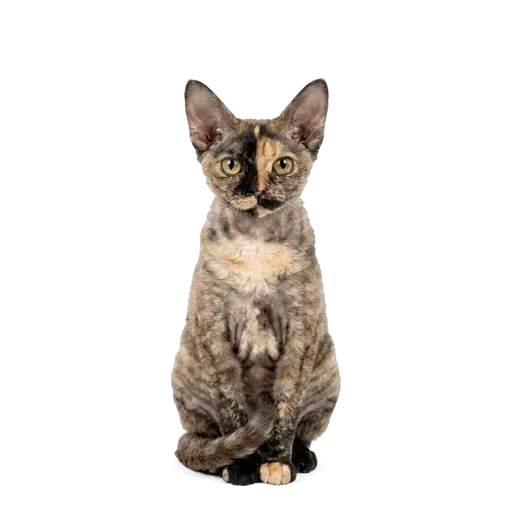
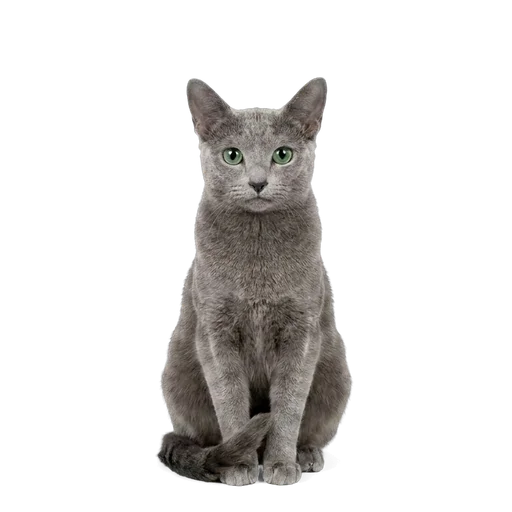
Deciding between similar breeds? Here is the Sphynx next to Devon Rex and Russian Blue.
| Sphynx | Devon Rex | Russian Blue | |
|---|---|---|---|
| Size | Small | Small | Medium |
| Weight | 3-5 kg | 3-5 kg | 3-6 kg |
| Lifespan | 8-14 yrs | 9-15 yrs | 15-20 yrs |
| Activity | Active | Active | Calm |
| Shedding | Low | Low | Low |
| Good with kids | Yes | Yes | Yes |
| Apartment-friendly | Yes | Yes | Yes |
Frequently asked questions
Are Sphynx cats hypoallergenic?
No. Sphynx cats still produce Fel d 1, the allergy-causing protein found in saliva and skin oils. There is little to no shedding, and frequent bathing reduces dander, but the allergen is not eliminated. Anyone with a cat allergy should spend time around one before adopting.
Do Sphynx cats really need regular baths?
Yes. With no coat to absorb skin oils, a Sphynx gets greasy and needs a bath roughly once a week with cat-safe shampoo, plus regular ear cleaning and nail-fold wiping to control wax and oil buildup.
Do Sphynx cats get cold?
Very easily. Without fur they lose heat fast and are also prone to sunburn. Keep them warm with sweaters, cozy bedding, and heated spots, and limit long stretches in direct sun.
What health problems are Sphynx cats prone to?
The main concern is hypertrophic cardiomyopathy (HCM), a heart condition that needs screening. They are also prone to skin conditions and dental disease. Regular vet checks and cardiac screening help catch issues early.
How long do Sphynx cats live?
A Sphynx typically lives about 8 to 14 years. Consistent vet care, weight management, good skin and dental care, and HCM monitoring give them the best shot at the upper end of that range.
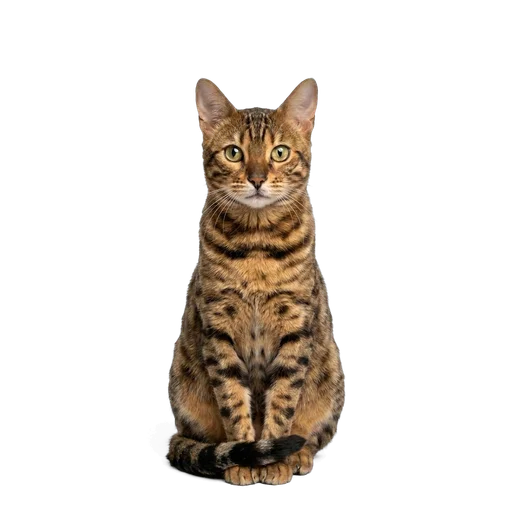
Related breeds
Health and care information is drawn from established veterinary sources and is general guidance, not veterinary advice. See our sources
Keep records for your Sphynx
Vaccinations, food and treat safety, allergy alerts and parasite reminders - all tracked for your Sphynx in the Pethls app.