


Origin: England
Devon Rex
Get reminders for your Devon Rex's vaccines
Vaccination and parasite reminders, food-safety scans and health records — free to start in the Pethls app.


Good for
The Devon Rex is a small cat with a big personality. Born in England in the 1960s, it has a pixie face, oversized ears, and a soft curly coat that sheds very little. These cats are playful, clever, and glued to their people. They ride on shoulders, follow you room to room, and hunt down the warmest spot in the house. This guide covers Devon Rex temperament, size and lifespan, feeding, vaccines, health risks, and the coat and skin care that keeps them comfortable.
Temperament & personality
Devon Rex cats act more like dogs than the aloof feline stereotype. They are mischievous, endlessly curious, and completely people-obsessed. Leave a drawer open or a bag unattended and a Devon will investigate. They stay kitten-like well into adulthood.
Expect a cat that perches on your shoulders, curls into your lap, and burrows under the blankets at night. Devons crave body heat and physical closeness, so they gravitate to laps, warm laundry, and sunny windowsills.
They are smart and trainable. Many learn to fetch, respond to their name, and pick up simple tricks with a bit of patience and a few treats. A bored Devon Rex will find its own entertainment, so give it puzzle toys, climbing space, and plenty of daily attention.
Vaccination schedule
Kittens start the core FVRCP vaccine, which protects against feline viral rhinotracheitis, calicivirus, and panleukopenia. The series typically runs from 6 to 16 weeks of age, given every 3 to 4 weeks until the kitten is old enough for the final dose.
Rabies is a core vaccine and is legally required in most US states. It is usually given once between 12 and 16 weeks, then boostered on a one or three year schedule depending on the product and local law.
Feline leukemia (FeLV) is recommended for kittens and for adults with outdoor access or exposure to other cats. An indoor-only Devon at low risk may not need ongoing FeLV boosters. Your vet will set the exact timing and booster intervals based on lifestyle and local disease rates.
Best food & diet
The Devon Rex is a small but active cat with a hearty appetite. That combination means it burns energy fast and often begs for more, so portion control matters as much as quality.
Choose a high-protein food built around named animal ingredients. Cats are obligate carnivores and do best with meat-forward recipes rather than fillers. Both quality wet and dry foods work, and many owners feed a mix.
Feed measured meals instead of leaving food out all day, and follow the calorie guidance for your cat's weight and age. Keep fresh water available at all times, and check with your vet before switching diets or adding supplements.
Common health problems
The Devon Rex is generally healthy, but a few inherited conditions run in the breed. Hypertrophic cardiomyopathy (HCM) is a thickening of the heart muscle and is the most serious concern. It can develop with few obvious early signs, so periodic heart checks are wise.
Devon Rex hereditary myopathy, sometimes called spasticity, is a muscle condition that causes weakness and difficulty holding the head and neck up. Patellar luxation, where the kneecap slips out of place, also shows up in the breed.
Buy from breeders who screen their cats and can show health testing for the parents. Ask specifically about HCM screening and myopathy history. Responsible breeding lowers the odds, and early vet detection gives you more options if a problem does appear.
Allergies & skin
The Devon Rex has a fine, wavy coat that is sparse in places, and that thin covering changes how the skin behaves. With less fur to absorb them, the skin's natural oils build up on the surface, so Devons can get greasy skin and waxy ears faster than a normal-coated cat. Devon Rex bathing is part of routine care for this reason. An occasional gentle bath with a mild cat shampoo keeps the oil in check, and regular ear cleaning stops wax from turning into a problem.
Because the skin stays oily, Devons can sometimes develop yeast-related skin irritation, and an established overgrowth can turn into Malassezia dermatitis. Watch for itchy, reddened skin, greasy or smelly patches, and dirty-looking ears, and ask your vet if you spot them. Devon Rex skin problems can also include the same kind of build-up between the toes and under the chin. A vet can confirm yeast with a simple skin sample and treat it, which matters because plain washing alone often will not clear an established yeast overgrowth.
Beyond yeast, Devons can react to food or environmental allergens like any cat, with overgrooming, thinning fur, miliary scabs, or GI upset as the clues. Keep up steady flea control, and if the itch persists, ask your vet about an elimination diet and medication to calm things down. Because the coat is so light, skin changes are easy to spot early, which works in your favor if you check them over regularly.
Devon Rex are sometimes marketed as lower-allergen because they shed so little, and people ask whether Devon Rex are hypoallergenic, hoping the answer is yes. They are not. They still produce Fel d1 in saliva and skin oils, and grooming spreads it onto that oily, exposed skin. Whether you react depends on you, not the breed's reputation, so meet one in person before assuming the light coat makes them safe. Less shedding can mean a bit less allergen drifting around the house, but Devon Rex allergies in people are still very possible.
Coat, skin & ear care
The Devon Rex coat is fine, soft, and sparse, with loose waves rather than a dense double coat. Because there is so little fur to absorb natural oils, the skin can feel slightly greasy and the ears build up wax faster than in most cats.
Wipe the ears gently on a regular schedule using a vet-approved cleaner, and never push anything deep into the canal. An occasional bath with a mild cat shampoo keeps oily skin and paws comfortable, but do not overdo it since frequent washing dries the skin.
That thin coat also means Devons get cold easily. Keep the home warm, offer heated beds or blankets, and consider a sweater in winter. A shivering Devon is telling you it needs a warmer spot.
Flea, tick & worm prevention
Even indoor Devon Rex cats need parasite protection. Fleas hitch rides on clothing and other pets, and a thin-coated cat still gets bitten. Use a vet-recommended flea and tick preventive on a year-round or seasonal schedule based on your climate and risk.
Because the coat is so sparse, flea dirt and bites are often easier to spot on a Devon than on a fluffy cat. Check the skin during your regular ear and grooming routine.
Deworming keeps intestinal parasites in check, especially for kittens and any cat that goes outdoors or hunts. Your vet may run fecal tests and set a deworming schedule. Always match the product and dose to your cat's exact weight.
Medications & dosing
If your Devon is diagnosed with HCM, the vet may prescribe heart medication to manage the condition. Ear cleaners and skin treatments are also common given the breed's waxy ears and oily skin. Use only what your vet prescribes.
Follow the exact dose and timing your vet gives you, and never give human medications. Many common human drugs are toxic to cats even in small amounts. Keep a written log of what you give and when so nothing is missed or doubled up, and set a reminder on your phone so doses stay on schedule.
If your Devon has known hereditary myopathy or affected family lines, flag it before any procedure that needs anesthesia. Cats with muscle conditions can respond differently, so your vet may adjust the anesthetic plan. Devon Rex myopathy is now rare thanks to breeder screening, but always mention any known family history when your cat goes in for surgery or dental work.
Grooming & shedding
Grooming a Devon Rex is refreshingly simple. The short curly coat sheds very little, which is a big part of the breed's appeal for people who dislike fur on furniture.
The catch is that the coat is delicate. Stiff brushing can break the fine hairs and leave bald patches. Skip aggressive tools and instead stroke the coat with your hand or use a very soft brush now and then.
Do not over-groom. A gentle weekly once-over, paired with routine ear cleaning and the occasional bath, keeps a Devon looking and feeling its best without damaging that signature curl.
How the Devon Rex compares
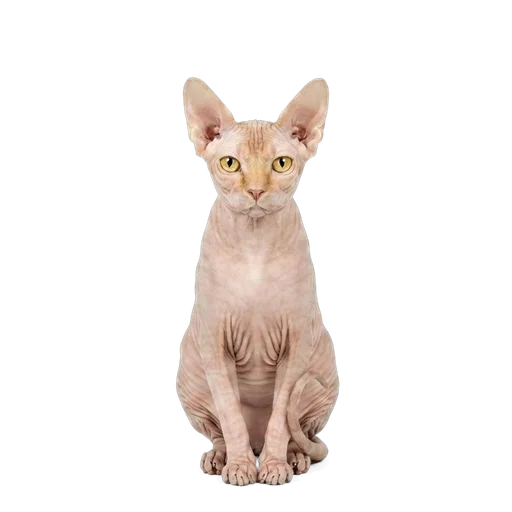
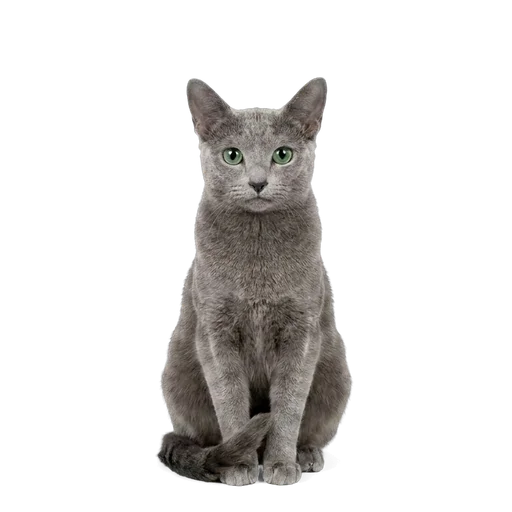
Deciding between similar breeds? Here is the Devon Rex next to Sphynx and Russian Blue.
| Devon Rex | Sphynx | Russian Blue | |
|---|---|---|---|
| Size | Small | Small | Medium |
| Weight | 3-5 kg | 3-5 kg | 3-6 kg |
| Lifespan | 9-15 yrs | 8-14 yrs | 15-20 yrs |
| Activity | Active | Active | Calm |
| Shedding | Low | Low | Low |
| Good with kids | Yes | Yes | Yes |
| Apartment-friendly | Yes | Yes | Yes |
Frequently asked questions
Are Devon Rex cats hypoallergenic, and do they shed?
No cat is truly hypoallergenic, but the Devon Rex sheds very little thanks to its short, sparse coat. Many allergy sufferers tolerate the breed better than others, though reactions come from proteins in saliva and skin, not just fur. Spend time with a Devon before committing if you have allergies.
Are Devon Rex cats affectionate?
Very. Devons are famously people-oriented, often described as dog-like. They follow their owners around, ride on shoulders, seek out laps, and love to snuggle for warmth. If you want an independent, hands-off cat, this is not the breed.
What health problems do Devon Rex cats have?
The main concerns are hypertrophic cardiomyopathy (HCM), Devon Rex hereditary myopathy or spasticity, and patellar luxation. Choosing a breeder who health-tests the parents lowers the risk, and regular vet checkups help catch issues early.
How do I care for a Devon Rex coat and skin?
Handle the coat gently, since firm brushing breaks the fine hairs. Stroke it or use a soft brush occasionally, clean the waxy ears regularly, and bathe now and then to manage oily skin. Keep your Devon warm, because the thin coat leaves it sensitive to cold.
How long do Devon Rex cats live?
Devon Rex cats typically live 9 to 15 years. Good nutrition, parasite prevention, routine vet care, and staying alert to breed-specific heart and muscle conditions all help your cat reach the upper end of that range.
Related breeds

Health and care information is drawn from established veterinary sources and is general guidance, not veterinary advice. See our sources
Keep records for your Devon Rex
Vaccinations, food and treat safety, allergy alerts and parasite reminders - all tracked for your Devon Rex in the Pethls app.