


Origin: Thailand
Siamese
Get reminders for your Siamese's vaccines
Vaccination and parasite reminders, food-safety scans and health records — free to start in the Pethls app.


Good for
The Siamese is the cat that talks back. Originally from Thailand, this sleek, medium-sized breed weighs 3 to 5 kg, lives 12 to 20 years, and forms opinions about everything you do. Siamese cat temperament runs loud, clever, and deeply attached to its people. If you want a quiet, aloof pet, look elsewhere. If you want a shadow with blue eyes who narrates your morning, read on for what Siamese care actually involves.
Temperament & personality
Siamese cats are among the most social cats you can own. They follow you room to room, sit on your keyboard, and expect to be part of whatever you're doing. This is a breed that decides you are its person and then commits fully. Left alone for long stretches, a Siamese gets stressed, and stress in this breed often shows up as louder, more insistent meowing.
They are also famously vocal. Siamese don't just meow, they hold conversations, with a distinctive raspy voice that some owners adore and others need time to adjust to. Expect commentary when you're late with dinner, when a door is closed, or when you've simply been ignoring them for ten minutes.
Intelligence is the other defining trait. Siamese learn fast, open cabinets, play fetch, and get bored without stimulation. Puzzle feeders, wand toys, and a rotating set of things to climb keep that busy brain occupied. A bored Siamese finds its own entertainment, and you usually won't like the results.
Vaccination schedule
Kittens start the core FVRCP vaccine (feline viral rhinotracheitis, calicivirus, and panleukopenia) at around 6 to 8 weeks, then get boosters every 3 to 4 weeks until roughly 16 weeks of age. This series protects against the respiratory and gut viruses that hit young cats hardest.
Rabies is the other core vaccine, usually given once between 12 and 16 weeks depending on the product and state law. If your Siamese will go outdoors or lives with cats that do, your vet will likely recommend the FeLV (feline leukemia) vaccine as well, since exposure risk climbs sharply outside.
After the kitten series, cats get a booster at one year, then move to a schedule set by your vet, often every 1 to 3 years based on vaccine type and lifestyle. Indoor-only Siamese may need less frequent non-core shots. Your vet decides the exact timing, so keep those records handy.
Best food & diet
Cats are obligate carnivores, and the Siamese is a lean, active breed that does best on protein-rich food with meat as the first ingredient. Look for a complete diet that meets AAFCO standards for your cat's life stage, whether that's a quality wet food, dry, or a mix.
Portion control matters more than it looks. Siamese are slim by nature, but free-feeding kibble can still push a less active cat toward weight gain, which strains joints and worsens dental problems. Measured meals twice a day, rather than a permanently full bowl, keep body condition where it should be.
Fresh water should always be available, and many Siamese drink more readily from a fountain than a bowl. If you're switching foods, do it over 7 to 10 days to avoid stomach upset. When in doubt about the right amount or formula, your vet can set a target based on weight and activity.
Common health problems
As kittens, Siamese are prone to upper respiratory infections, the sneezing, watery-eyed cat cold caused by herpesvirus and calicivirus. Most cases clear up, but early vet care prevents flare-ups that can linger for life. Their fine build also makes them sensitive to cold, so young kittens need a warm spot.
Dental disease is common and often underestimated. Siamese are predisposed to gingivitis and periodontal disease, which is why home tooth brushing and vet dental checks pay off over a 15-plus-year lifespan. Bad breath is a signal, not a quirk.
The breed also carries genetic risks worth knowing. Progressive retinal atrophy can slowly reduce vision, and amyloidosis, a protein-deposit disorder that typically affects the liver, is worth flagging to your vet. Watch for changes in appetite, weight, thirst, or vision, and get anything unusual checked early. Keeping a written record of these makes it easier to spot those slow trends before they become emergencies.
Allergies & skin
Siamese are over-represented for feline asthma and other allergic-type skin and airway conditions. The one to know about is feline asthma, an allergic airway disease that shows up as coughing, wheezing, and episodes where the cat crouches with its neck stretched out, trying to catch its breath. Dust, smoke, aerosols, and scented products can all set it off. If your Siamese has a recurring dry cough or any breathing difficulty, treat it as urgent and get to a vet, because asthma attacks can be serious.
On the skin, Siamese can develop psychogenic alopecia (overgrooming), where a stressed or itchy cat licks fur off in neat symmetrical strips, often on the belly and inner legs. Sometimes there is a genuine allergy underneath, food or environmental, and sometimes anxiety is the main driver, but the two feed into each other. Food allergies in this breed can also bring vomiting or diarrhea alongside itchy skin, and flea allergy dermatitis remains the most common single trigger, so flea prevention is non-negotiable. Sorting out overgrooming in a Siamese usually means ruling out fleas, running an elimination diet, checking for pain, and looking hard at stress in the household.
Because Siamese are so sensitive and so attached to their people, changes that would not bother another cat, a new baby, a schedule shift, a house move, can tip them into overgrooming. That makes this breed one where the vet visit is worth pairing with an honest look at the cat's routine and enrichment. A bald symmetrical patch is a signal, not a cosmetic issue.
For allergy sufferers, Siamese are often described as lower-shedding and easier to live with, and there is a grain of truth in it: the short, fine, single coat drops less hair and dander than a heavy double coat. That is not the same as hypoallergenic, though. No Siamese is truly hypoallergenic, because they still produce Fel d1, the saliva and skin protein that causes human reactions, and as talkative, active cats that groom constantly, they spread it around freely. If you are wondering whether you are allergic to Siamese or whether Siamese are hypoallergenic, spend time with the breed in person and test your own reaction before relying on the coat to spare you.
Companionship needs
This is not a breed you leave home alone all day without consequences. Siamese crave company and can run into genuine separation stress, showing it through excessive vocalizing, over-grooming, or destructive behavior when their person is gone too long.
Many Siamese thrive with a second pet, another cat or a cat-friendly dog, especially in households where everyone works away from home. A companion gives them someone to play with, groom, and sleep against during the hours you can't be there.
If a second animal isn't an option, build in structure: interactive play before and after work, food puzzles that stretch out mealtime, window perches with a view, and a real greeting when you walk in. Siamese pay attention to routine, and a predictable one goes a long way toward keeping them settled.
Flea, tick & worm prevention
Even indoor Siamese need parasite protection. Fleas ride in on shoes, other pets, and secondhand furniture, and a single missed infestation is miserable to clear. A vet-recommended monthly flea preventive, given year-round in most climates, is the simplest defense.
Ticks are mainly a concern for cats with outdoor access or those living alongside dogs that roam. Some feline products cover ticks as well as fleas, so ask your vet to match the preventive to your cat's actual exposure rather than doubling up unnecessarily.
For worms, kittens are dewormed on a set schedule early in life, and adults get periodic checks or treatment based on lifestyle. Outdoor hunters need more frequent deworming than an indoor-only cat. Never use a dog flea or tick product on a cat, since some ingredients, like permethrin, are toxic to felines.
Medications & dosing
Siamese cats are prone to gum disease, and dental resorption is common in cats generally, so dental medication is often part of their care. After a cleaning or extractions, your vet may send home a short course of antibiotics and pain relief, and sometimes an antiseptic oral gel for ongoing use. Give the full course even if the mouth looks better after a day or two, and dose strictly by your cat's exact weight, since Siamese tend to run lean and a dose meant for a heavier cat can be too much.
Many Siamese carry feline herpesvirus from kittenhood and flare up with sneezing, runny eyes, and congestion, sometimes throughout life. Vets treat these episodes with things like L-lysine, antiviral eye drops, or a short antibiotic course if a secondary infection sets in. A blocked-up cat also stops eating, which is where anti-nausea medication such as maropitant and appetite support like mirtazapine come in. Never try to cover a fever or discomfort with human medication. Paracetamol (acetaminophen) and ibuprofen are highly toxic to cats and can be fatal.
Because Siamese need regular pilling for dental and respiratory issues, ask your vet or a tech to show you the safe technique in person, and pair pills with a treat or a follow-up water syringe so nothing gets stuck. Keep a running record of what was prescribed, the dose, and when refills are due, and set a reminder on your phone before a course runs out, which matters for a breed that tends to come back with the same flare-ups more than once.
Grooming & coat care
The Siamese coat is short, fine, and close-lying, which makes grooming refreshingly simple. This is a low-shedding breed, so you'll see far less hair on your furniture than with a longhaired cat. A once-a-week pass with a rubber grooming brush or grooming glove lifts loose hair and keeps the coat glossy, and most Siamese enjoy the attention.
Because they shed so little, they rarely need bathing. Wipe the corners of the eyes if they get crusty, check ears occasionally, and trim nails every couple of weeks. That's most of the coat routine covered.
The real grooming priority for this breed is dental care. Given their tendency toward gum disease, regular tooth brushing with cat-safe toothpaste does more for a Siamese's long-term health than any amount of coat work. Start young if you can, keep sessions short, and track the routine, in a notebook or in a health log, so nothing slips.
How the Siamese compares
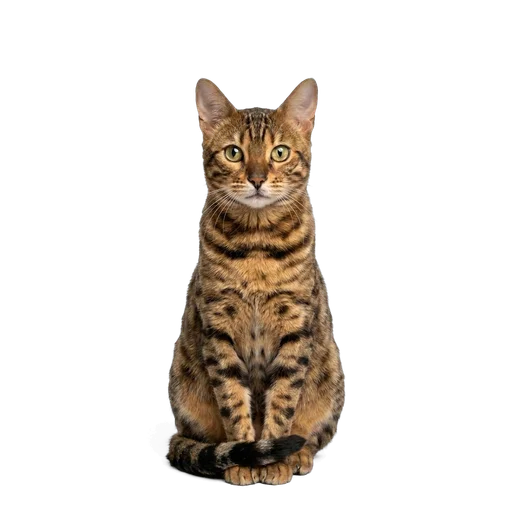
Deciding between similar breeds? Here is the Siamese next to Bengal and Abyssinian.
| Siamese | Bengal | Abyssinian | |
|---|---|---|---|
| Size | Small | Medium | Small |
| Weight | 3-5 kg | 4-7 kg | 3-5 kg |
| Lifespan | 12-20 yrs | 12-16 yrs | 12-15 yrs |
| Activity | Active | Active | Active |
| Shedding | Low | Low | Low |
| Good with kids | Yes | Yes | Yes |
| Apartment-friendly | Yes | No | Yes |
Frequently asked questions
Are Siamese cats really that loud and vocal?
Yes. Siamese are one of the most talkative cat breeds, with a loud, distinctive voice they use to greet you, demand food, or protest a closed door. They genuinely seem to want conversation. If constant meowing would bother you, this is not the breed to choose.
Can a Siamese cat be left alone during the day?
Short workdays are fine, but Siamese don't handle long stretches of solitude well. They bond intensely and can develop separation stress, showing it through loud vocalizing, over-grooming, or destructive behavior. A second pet, food puzzles, and a solid routine help a lot if you're out for full days.
Do Siamese cats shed a lot?
No. Siamese have a short, fine coat and are considered low shedders, so they leave much less hair around the house than most breeds. A weekly brush with a rubber glove or grooming mitt is usually all the coat care they need.
How long do Siamese cats live?
Siamese are long-lived cats, typically reaching 12 to 20 years with good care. Their lifespan makes preventive health, especially dental care and regular vet checks, well worth the effort across those years.
What health problems are Siamese cats prone to?
Common concerns include upper respiratory infections in kittens, dental and gum disease, progressive retinal atrophy affecting vision, and amyloidosis, a protein-deposit disorder often involving the liver. Regular vet visits and early attention to appetite, weight, or vision changes give the best odds of catching issues early.
Related breeds

Health and care information is drawn from established veterinary sources and is general guidance, not veterinary advice. See our sources
Keep records for your Siamese
Vaccinations, food and treat safety, allergy alerts and parasite reminders - all tracked for your Siamese in the Pethls app.