

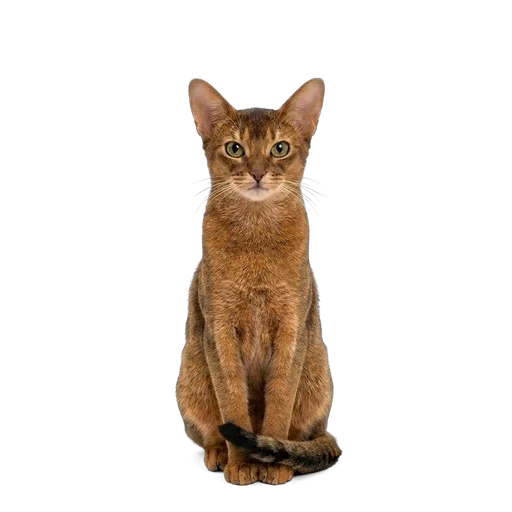
Origin: Ethiopia
Abyssinian
Get reminders for your Abyssinian's vaccines
Vaccination and parasite reminders, food-safety scans and health records — free to start in the Pethls app.


Good for
The Abyssinian is a medium-sized, ticked-coat cat from Ethiopia that acts less like a house cat and more like a four-legged toddler with a climbing habit. Abyssinian cat temperament runs hot: curious, athletic, and endlessly nosy about whatever you're doing. If you want a quiet lap warmer, look elsewhere. If you want a bright, agile companion that stays kitten-like for years and needs almost no grooming, this breed earns its fans. Here's what care actually looks like.
Temperament & personality
Abyssinians are busy cats. They investigate open drawers, ride around on shoulders, and treat the top of the fridge as prime real estate. Expect a cat that follows you room to room and wants to be involved rather than watching from a cushion.
This is not a lap cat, and pushing one to sit still usually backfires. Aby affection shows up as presence and participation. Yours will supervise your cooking, bat a pen off the desk, then perch nearby to keep an eye on things. Physical, restless, engaged.
The breed stays playful well past kittenhood. Many act like adolescents at ten years old. They also dislike being alone for long stretches, so a household with people around, or a second pet, suits them far better than an empty apartment all day.
Vaccination schedule
Kittens start the core FVRCP vaccine (feline viral rhinotracheitis, calicivirus, and panleukopenia) around 6 to 8 weeks, then get boosters every 3 to 4 weeks until roughly 16 weeks of age. Rabies is given once at about 12 to 16 weeks, and required by law in most US states.
If your Abyssinian goes outdoors or lives with cats who do, ask your vet about the FeLV (feline leukemia) vaccine. It's recommended for kittens and for any cat with outdoor exposure.
After the kitten series, cats get a booster at one year, then core vaccines every 1 to 3 years depending on the product and your vet's protocol. Your vet sets the exact timing based on lifestyle and local risk.
Best food & diet
Abyssinians are lean, muscular cats that do well on a high-protein diet built around real animal protein. At 3 to 5 kg, they don't carry much spare weight, and most rarely overeat. All the same, portion by your cat's body condition, not by the scoop on the bag.
Their restless intelligence makes them ideal candidates for puzzle feeders and interactive bowls. Making an Aby work for a few kibbles slows fast eaters, burns mental energy, and taps the natural hunting drive that keeps this breed occupied.
Fresh water matters, especially if you feed dry food. Ask your vet before switching diets or adding supplements, and match the food to life stage. Kittens, adults, and seniors have different needs. Keeping a written record of meals and weight trends helps you catch changes early.
Common health problems
Abyssinians are generally hardy, but the breed carries a few known genetic conditions. Progressive retinal atrophy (PRA) gradually destroys the retina and can lead to blindness. There's a DNA test for the Aby-specific form, and responsible breeders screen their cats before pairing them.
Pyruvate kinase deficiency (PK deficiency) is another inherited disorder in the breed. It causes anemia because red blood cells break down early, and signs range from mild to serious. A simple genetic test tells you whether a cat is clear, a carrier, or affected, so ask breeders for results.
Dental disease is worth keeping an eye on too. Like many cats, Abyssinians may develop gingivitis and periodontal problems, so build in regular tooth brushing at home and professional dental checks. Catching gum inflammation early keeps small problems from turning into extractions. Any vision changes, tiredness, or bad breath deserve a vet visit.
Allergies & skin
The Abyssinian is a hardy, athletic cat with a short ticked coat, and skin trouble is not something the breed is famous for. Even so, Abyssinian allergies do happen. Food allergy and environmental allergy (atopy, the feline version of hay fever) are the usual suspects, and both tend to show as itch. Watch for overgrooming that thins the fur on the belly or legs, small crusty scabs, itchy ears, or a bit of GI upset if the trigger is something in the diet.
Because Abys are so active and lean, owners sometimes miss early skin changes until a bald patch appears from constant licking. Flea allergy dermatitis is worth ruling out first, since it is common and easy to prevent with a good flea product. If fleas are controlled and the itch continues, a vet may suggest a food trial or seasonal allergy management. Environmental allergies often flare at certain times of year, which is a useful clue.
Management follows the same path as most cats: reliable flea control, an elimination diet if food is suspected, and vet-prescribed medication to break the itch cycle when needed. Abyssinian skin problems that come with hair loss should be checked rather than assumed to be stress, since ringworm and mites can look similar and need different treatment.
People often ask whether Abyssinians are hypoallergenic, given that short, low-shedding coat. They are not. Whether you react to an Abyssinian comes down to the Fel d1 protein in saliva and skin, and Abys produce it like any cat. Less shedding means slightly less allergen spread around the house, which some sensitive people notice, but it is not the same as being safe for allergy sufferers. Abyssinian bathing is rarely needed thanks to that easy-care coat, so an occasional wipe-down is usually plenty.
Exercise & enrichment
This breed needs vertical space. A tall cat tree, wall shelves, or a cleared bookshelf gives an Aby somewhere to climb and survey the room, which is exactly how they like to spend their day. Floor-only environments leave them bored and frustrated.
Plan on a couple of active play sessions daily. Wand toys, feather teasers, and thrown crinkle balls satisfy the chase instinct, and puzzle toys keep their brains busy while you're at work. Rotate the toys so novelty doesn't wear off.
Because Abyssinians hate being under-stimulated and dislike solitude, a compatible companion animal, often another active cat, can absorb a lot of that energy. Two Abys will chase, wrestle, and nap together, which spares your curtains and your ankles.
Flea, tick & worm prevention
Even a strictly indoor Abyssinian isn't immune to parasites. Fleas hitch rides on clothing and other pets, and the occasional mosquito or tick finds its way inside. A monthly vet-approved flea and tick preventive keeps infestations from taking hold.
Deworming matters for intestinal parasites like roundworms and tapeworms, and many broad preventives also protect against heartworm, which can be treated in dogs but has no safe cure in cats, making prevention the only real protection. Your vet will recommend a schedule based on your cat's exposure.
Never use dog parasite products on a cat. Some ingredients, permethrin in particular, are toxic to felines. Stick to feline-labeled products and confirm dosing with your vet, since a 3 kg Aby needs different amounts than a large cat.
Medications & dosing
Abyssinians are active, healthy cats overall, but as in any cat they can run into dental disease, so oral care and dental medication tend to come up over their lifetime. After a cleaning or extractions your vet may prescribe a short course of antibiotics and pain relief. Give the whole course as directed and measure by your cat's exact weight, because Abyssinians are small and wiry and an overestimate can matter. Never fill in gaps with human medicine. Paracetamol (acetaminophen) and ibuprofen are highly toxic to cats even in tiny doses.
The breed also carries a few inherited conditions worth knowing about. Pyruvate kinase (PK) deficiency can cause anemia, and while there is no single pill that cures it, a diagnosed cat may need supportive treatment and close monitoring, sometimes for life. Progressive retinal atrophy (PRA) is another Abyssinian concern, and it has no drug cure, so care there is about adapting the home rather than medicating. For anything inherited or chronic, follow the vet's plan exactly and keep up with the recheck bloodwork or exams they order.
Most of what an Abyssinian needs is routine vet-prescribed care given properly, dosed to current weight, for the full duration on the label. Ask your vet or a tech to show you how to pill a cat safely so tablets go down cleanly, since these cats are quick and not always keen to sit still. Keep a record of every prescription and refill date so nothing slips, especially for a condition that needs steady monitoring. A written medication log, and a reminder on your phone when a refill is due, keep everything on track.
Grooming & coat care
The Abyssinian's short, ticked coat is one of its easiest features. Each hair carries bands of color that give the fur its warm, glowing look, and it lies close to the body with almost no undercoat. Shedding is low, so you won't be fighting fur on every surface.
A quick brush once a week is plenty. It clears loose hairs, spreads natural oils, and gives you a moment to check for lumps, fleas, or skin irritation. Most Abys enjoy the attention as long as you keep it short.
Round out grooming with regular nail trims, a glance inside the ears, and the tooth brushing this breed genuinely needs. Bathing is rarely necessary. Their coat stays clean and sleek on its own for the most part.
How the Abyssinian compares
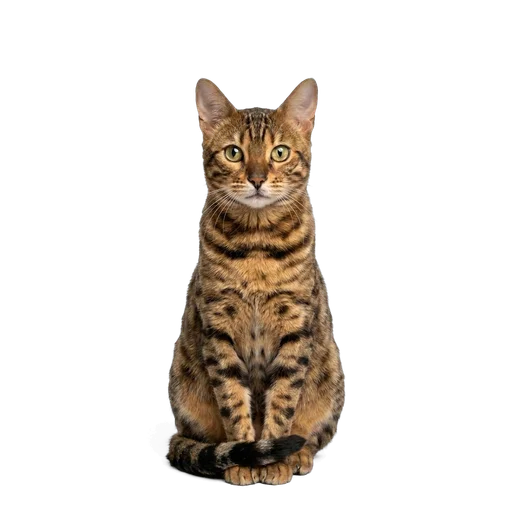
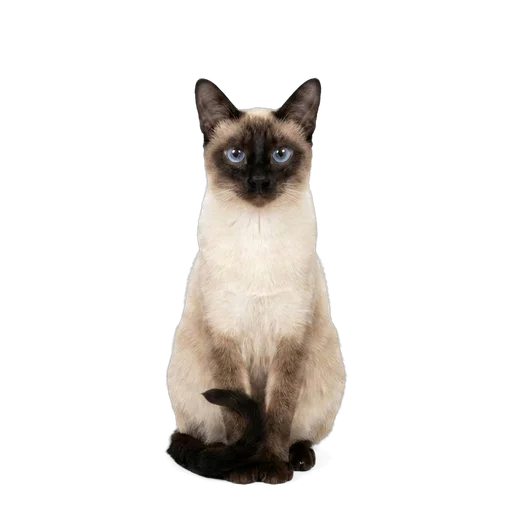
Deciding between similar breeds? Here is the Abyssinian next to Bengal and Siamese.
| Abyssinian | Bengal | Siamese | |
|---|---|---|---|
| Size | Small | Medium | Small |
| Weight | 3-5 kg | 4-7 kg | 3-5 kg |
| Lifespan | 12-15 yrs | 12-16 yrs | 12-20 yrs |
| Activity | Active | Active | Active |
| Shedding | Low | Low | Low |
| Good with kids | Yes | Yes | Yes |
| Apartment-friendly | Yes | No | Yes |
Frequently asked questions
Are Abyssinian cats affectionate?
Yes, but on their terms. Abyssinians bond closely with their people and want to be near you, following you around and joining whatever you're doing. They show love through company and involvement rather than long lap cuddles, so expect an engaged shadow more than a snuggler.
Do Abyssinian cats need a lot of attention?
They do. This is a social, high-energy breed that dislikes being alone for long hours. Without enough interaction, play, and climbing space, Abyssinians get bored and can turn mischievous. Daily play sessions and, ideally, a companion pet keep them content.
Do Abyssinian cats shed a lot?
No. Their short, single-layered ticked coat sheds very little, which makes them a low-maintenance choice for grooming. A weekly brush keeps loose hair in check. They are not hypoallergenic, though, since all cats produce allergens in saliva and skin.
How long do Abyssinian cats live?
Most Abyssinians live around 12 to 15 years, though the range runs from about 9, and some reach older with good care. Regular vet checkups, dental care, a high-protein diet, and keeping them at a healthy weight all help them make the most of that lifespan.
What health problems are Abyssinians prone to?
The breed is generally sturdy but carries a few inherited risks, mainly progressive retinal atrophy (which can cause blindness), pyruvate kinase deficiency (a form of anemia), and dental disease. DNA testing screens for the genetic conditions, and routine dental care manages the rest. Ask breeders for test results.
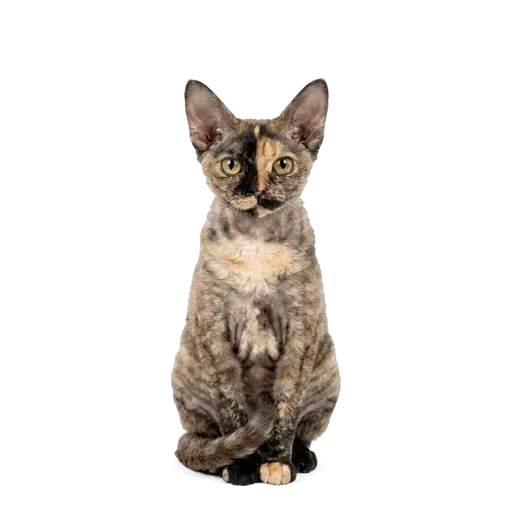
Related breeds
Health and care information is drawn from established veterinary sources and is general guidance, not veterinary advice. See our sources
Keep records for your Abyssinian
Vaccinations, food and treat safety, allergy alerts and parasite reminders - all tracked for your Abyssinian in the Pethls app.