

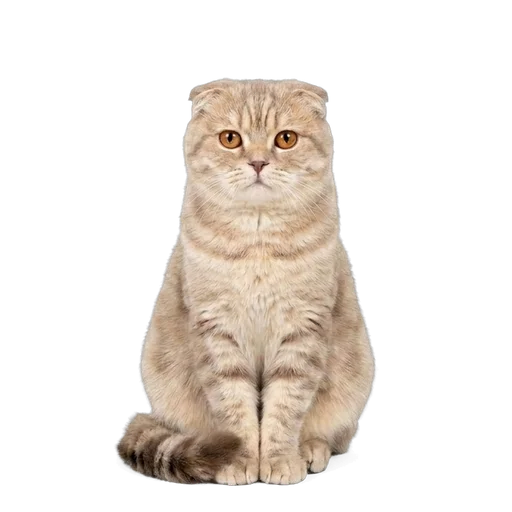
Origin: Scotland
Scottish Fold
Get reminders for your Scottish Fold's vaccines
Vaccination and parasite reminders, food-safety scans and health records — free to start in the Pethls app.


Good for
The Scottish Fold is easy to love and easy to read wrong. Those folded ears and round eyes give it a permanent look of gentle surprise, but the real draw is the temperament: a soft-spoken, people-oriented cat that wants to be wherever you are. Before you fall for the face, though, know what the fold gene means for the breed's joints. Good Scottish Fold care starts with honesty about health, and this guide covers temperament, feeding, grooming, and what to weigh before bringing one home.
Temperament & personality
Scottish Folds are famously mellow. They tend to greet strangers with curiosity instead of a dash under the bed, settle quickly into new routines, and get along with children, dogs, and other cats when introductions are done slowly. Most are talkers in a quiet way, using soft chirps and trills rather than loud meows.
This is a shadow cat. A Fold will follow you room to room, supervise your laptop, and pick one person to bond with most closely, though it usually spreads affection across the household. Leave one alone for long stretches every day and it will mope, so a second pet or a busy home suits the breed well.
They are also known for odd, endearing postures, including the Buddha sit, where the cat props itself upright on its haunches with legs splayed out front like it is about to read a newspaper. It looks comic, and it is usually harmless, but sitting like that to ease joint discomfort can also be a sign, so it is worth watching alongside how your cat moves overall.
Vaccination schedule
Kittens get their core FVRCP series (feline viral rhinotracheitis, calicivirus, and panleukopenia) starting around 6 to 8 weeks, with boosters every 3 to 4 weeks until about 16 weeks of age. Rabies is given once between 12 and 16 weeks depending on the vaccine and local law.
If your Fold will spend time outdoors or lives with cats that do, the feline leukemia (FeLV) vaccine is recommended, ideally after a negative FeLV test. Strictly indoor cats may skip it, but talk it through with your vet rather than assuming.
After the kitten series, a booster follows at roughly one year. From there, core vaccines run on a one to three year cycle based on the product used and your cat's lifestyle. Your vet will set the exact intervals, and keeping a written record of the dates means you are not guessing when the next one is due.
Best food & diet
Cats are obligate carnivores, so build the diet around animal protein with a named meat as the first ingredient. Whether you feed wet, dry, or a mix, moisture matters, and wet food helps keep a Fold hydrated and supports urinary health.
Because this breed carries a real risk of joint and cartilage problems, nutrients that support joints earn their place here. Look for diets or vet-approved supplements with omega-3 fatty acids, plus glucosamine and chondroitin, and ask your vet before adding anything on top of a complete food.
Weight control is the single most useful thing you can do for a Fold's joints. Extra pounds load already-vulnerable cartilage, so measure portions instead of free-feeding, and check body condition every few weeks. Kittens need calorie-dense growth food; adults do best on steady, measured meals.
Common health problems
The trait that defines the breed also defines its biggest health concern. The same gene that folds the ears affects cartilage throughout the body, a condition called osteochondrodysplasia. It can cause stiff or painful joints, a thickened, inflexible tail, and reluctance to jump or play, sometimes appearing while the cat is still young. Every Scottish Fold carries some degree of this cartilage change, which is why the breed's welfare is openly debated among vets.
Folds are also prone to hypertrophic cardiomyopathy (HCM), a thickening of the heart muscle. Periodic vet exams, and cardiac screening when advised, help catch it early. Polycystic kidney disease appears in some lines too, so ask a breeder about testing.
Their folded ears reduce airflow and can trap wax and moisture, so ear infections and mites are worth catching early and checking with your vet. If your cat is limping, moving stiffly, or shrinking its world to avoid jumping, see a vet promptly. There is no cure for the cartilage condition, but pain management, joint support, and a lean body weight genuinely improve day-to-day comfort, so work closely with your vet on a long-term plan.
Allergies & skin
Scottish Folds are usually sturdy cats, but a few allergy triggers turn up often. Beef, chicken, and dairy are common food triggers, while dust mites in the home can set off itching year-round. Food sensitivities show up as itchy skin, scabby bumps along the back and neck (miliary dermatitis), or a soft stool that comes and goes. Fleas are another common trigger. A single flea bite can set off flea allergy dermatitis, which means overgrooming and bald patches even when you barely see a flea, so year-round flea control does more good here than any special diet.
The folded ears deserve their own routine. That fold traps wax and moisture, and a warm, damp ear canal is where yeast and bacteria like to settle. Check inside the ears every week for a dark buildup, a yeasty smell, or head shaking, and clean gently with a vet ear cleaner rather than digging with cotton buds. Catching an ear problem early is far easier than clearing a full infection.
For itchy skin that keeps coming back, a vet can run an eight to twelve week elimination diet to rule out food, or prescribe medication to calm the reaction while you sort out the cause. Stiff joints or a reluctance to jump are a separate story from the skin, since the same cartilage gene behind the ears can affect the legs, so mention any lameness to your vet too.
Are Scottish Folds hypoallergenic? No, and no cat truly is. That dense double coat sheds, and the Fel d1 protein that triggers human cat allergies lives in saliva and skin oils, not in coat length. If someone in the home reacts to cats, they will likely react to a Fold too. Regular brushing and wiping the coat with a damp cloth can lower the amount of loose allergen floating around, which helps a little but does not remove it.
Medications & dosing
The folded ears that define this breed come from a cartilage gene, and that same gene affects cartilage in the joints. Many Scottish Folds develop osteochondrodysplasia, a painful joint and bone condition, so pain management is not an occasional need for this breed, it is often a long-term plan. Vets commonly prescribe anti-inflammatories made for cats, gabapentin for chronic pain, and joint supplements with glucosamine or omega-3s. Do not substitute anything from your own medicine cabinet. Paracetamol (acetaminophen) and ibuprofen are highly toxic to cats, and a human anti-inflammatory can kill one.
Long-term pain control takes patience and regular vet checks. The right dose of a drug like gabapentin varies a lot between cats, and the vet will adjust it based on how your Fold moves, jumps, and grooms over time. Give only the exact dose and duration prescribed, and report back honestly if your cat seems drowsy or, on the other hand, still sore. Some Folds also carry HCM, so if a heart murmur or an abnormal scan shows up, expect cardiac medication such as atenolol or clopidogrel added to the routine.
With a cat likely to be on medication for years, an organized system pays off. Ask your vet to show you how to pill a cat safely, since a sore Fold may resist handling and you want the process to be quick and low-stress. Keep a clear record of every prescription, dose change, and refill date. Note all of it down and set reminders on your phone, which helps when you are juggling a joint drug, a supplement, and possibly a heart medication at the same time.
Grooming & ear care
The plush double coat is low-maintenance but not no-maintenance. Brush once or twice a week to lift loose hair, cut down on hairballs, and keep the coat from matting behind the legs and around the neck. Shedding is moderate and picks up in spring and fall, when a little extra brushing pays off.
Ears need real attention on this breed. The fold makes them harder to see into and slower to dry, so check them weekly for wax buildup, redness, odor, or dark debris. Clean gently with a vet-recommended solution and cotton pads, never cotton swabs pushed into the canal.
Round out grooming with a nail trim every couple of weeks and regular tooth brushing to head off dental disease. Start these habits early and most Folds tolerate them calmly, which fits their easygoing nature.
Flea, tick & worm prevention
Even indoor cats are not off the hook. Fleas ride in on clothing, dogs, and secondhand furniture, so keep your Fold on a year-round vet-approved flea preventive suited to its weight. Cats are sensitive to certain insecticides, especially some dog products, so never share treatments between species without your vet's sign-off.
Ticks matter more for cats with outdoor access, but any cat that goes outside or lives with a dog that does should be covered. Some monthly products handle fleas and ticks together, which keeps the routine simple.
For worms, kittens are dewormed on a schedule early in life, and adults are treated based on risk and fecal testing. Many parasite preventives also guard against heartworm and common intestinal worms, so ask your vet to match one product line to your cat's lifestyle rather than juggling several.
Is the Scottish Fold right for you?
If you want a calm, affectionate cat that leans into company and adapts to a busy household, the Fold delivers in personality. It is a gentle, low-drama companion that suits families, seniors, and first-time cat owners on temperament alone.
The hard part is the health picture. Every Scottish Fold lives with some degree of the cartilage condition, and that means possible lifelong joint discomfort, veterinary costs, and the ethical weight of a breed shaped by a gene that harms it. Several countries and cat registries have restricted or refused to recognize Fold breeding for exactly this reason.
If the breed is right for you, adopt where you can, choose a breeder who screens for HCM and joint issues and is honest about them, and budget for proactive veterinary care. Track weight, symptoms, vet visits, and medication reminders in a written record so small changes get caught early. Going in with clear eyes is the kindest thing you can do for a cat like this.
How the Scottish Fold compares
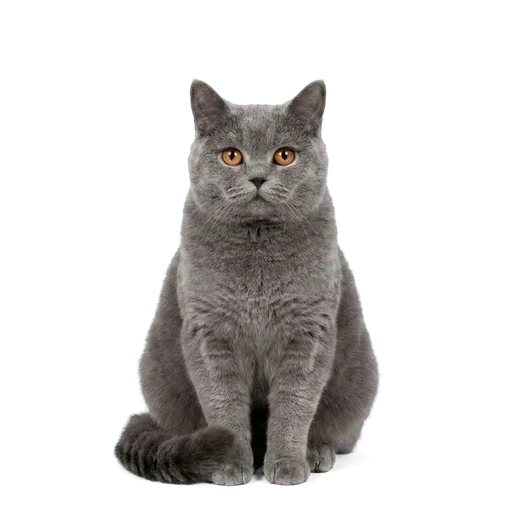
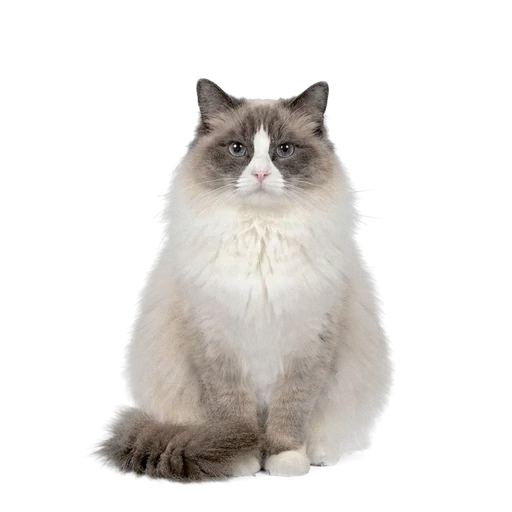
Deciding between similar breeds? Here is the Scottish Fold next to British Shorthair and Ragdoll.
| Scottish Fold | British Shorthair | Ragdoll | |
|---|---|---|---|
| Size | Small | Medium | Large |
| Weight | 3-6 kg | 4-8 kg | 4-9 kg |
| Lifespan | 11-15 yrs | 12-17 yrs | 12-17 yrs |
| Activity | Moderate | Calm | Calm |
| Shedding | Medium | Medium | Medium |
| Good with kids | Yes | Yes | Yes |
| Apartment-friendly | Yes | Yes | Yes |
Frequently asked questions
Are Scottish Folds healthy cats?
Not fully. The gene that folds their ears also affects cartilage across the body, so every Scottish Fold carries some risk of osteochondrodysplasia, a painful joint condition. They are also prone to hypertrophic cardiomyopathy and ear infections. With a lean weight, joint support, and regular vet care, many live comfortable lives, but the breed's health is a genuine concern to go in aware of.
Are Scottish Folds affectionate?
Very. They bond closely with their people, follow you around the house, and usually pick a favorite human while still being friendly to the whole family. They are calm rather than clingy, and they dislike being left alone for long stretches, so they do best in homes where someone is around or another pet keeps them company.
How do I care for a Scottish Fold's folded ears?
Check them weekly. The fold restricts airflow and traps wax and moisture, which raises the risk of infection and mites. Look for redness, odor, or dark debris, and clean gently with a vet-recommended solution and a cotton pad, never a swab pushed into the canal. If you see head-shaking or scratching, book a vet visit.
Do Scottish Folds shed a lot?
They are moderate shedders. The plush double coat sheds year-round with heavier periods in spring and fall. Brushing once or twice a week keeps loose hair and hairballs under control and stops mats from forming around the neck and legs.
How long do Scottish Folds live?
Most Scottish Folds live about 11 to 14 years. Lifespan depends heavily on managing their joint and heart risks, so keeping your cat at a healthy weight, staying current on vet checkups, and screening for HCM all help them reach the upper end of that range.
Related breeds
Health and care information is drawn from established veterinary sources and is general guidance, not veterinary advice. See our sources
Keep records for your Scottish Fold
Vaccinations, food and treat safety, allergy alerts and parasite reminders - all tracked for your Scottish Fold in the Pethls app.