

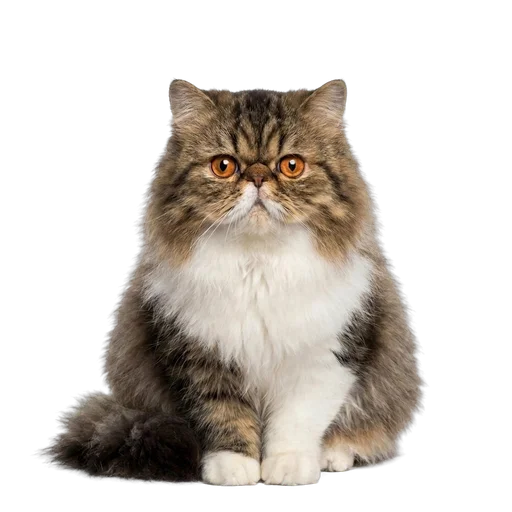
Origin: Iran (Persia)
Persian
Get reminders for your Persian's vaccines
Vaccination and parasite reminders, food-safety scans and health records — free to start in the Pethls app.


Good for
The Persian cat is the ultimate homebody: a soft, round-faced cat that would rather nap on your lap than chase a laser across the living room. Bred over centuries from cats out of Iran (historic Persia), this medium-sized breed weighs 3 to 6 kg and typically lives 12 to 16 years. Behind that famous long coat sits a calm, affectionate personality and a real grooming commitment. Here's what Persian cat temperament and care actually look like day to day.
Temperament & personality
Persians are quiet, gentle, and slow-paced. They pick a few favorite people, settle into a warm spot, and stay there. Expect a cat that greets you with a soft chirp rather than loud demands, and that prefers a predictable, low-drama household over a busy one full of foot traffic and noise.
This is a lap cat in the truest sense. Many Persians will happily doze on you for an hour, then follow you room to room at a leisurely walk. They tolerate gentle handling well, which makes them a reasonable fit for calm children and seniors, though they dislike being chased or grabbed.
They still play, just in short, dignified bursts. A feather wand or a soft ball keeps them moving, and a few minutes of daily play helps a low-energy cat stay a healthy weight. Loud, chaotic homes stress them; steady routines and quiet corners bring out their sweet, mellow side.
Vaccination schedule
Kittens start their core FVRCP vaccine (feline viral rhinotracheitis, calicivirus, and panleukopenia) around 6 to 8 weeks, then get boosters every 3 to 4 weeks until roughly 16 weeks of age. This series protects against the most common and dangerous feline viruses, and skipping doses leaves gaps in immunity.
Rabies is given as a single dose, usually between 12 and 16 weeks, and is legally required in most US states. After the kitten series, your vet will move to booster intervals of one to three years depending on the vaccine product and local law.
FeLV (feline leukemia) is recommended for kittens and for any cat that goes outdoors or lives with cats that do. Indoor-only Persians may not need ongoing FeLV boosters, but your vet decides based on lifestyle and regional risk. Always confirm the exact schedule with your veterinarian.
Best food & diet
Persians are low-energy cats that gain weight easily, so portion control matters more than with an active breed. Feed a measured amount of a complete, life-stage-appropriate cat food twice a day rather than leaving a bowl out all day, and adjust the amount as your cat ages or slows down.
Coat and skin health starts on the plate. Look for foods with omega-3 fatty acids (EPA and DHA), which support that long, dense coat and help calm dry, flaky skin. These are often sourced from fish oil, so if your Persian reacts to fish such as salmon or tuna, ask your vet about non-fish sources of EPA and DHA instead. Adequate high-quality protein keeps the fur strong and reduces excessive shedding.
The flat face is a practical feeding problem. Brachycephalic cats struggle to pick up standard round kibble, so many owners do better with the flatter, curved, or ring-shaped pieces sold in Persian-specific formulas, or with wet food that's easy to lap. Fresh water should always be available, since good hydration supports the kidneys, a known weak spot in this breed.
Common health problems
The flat face that defines the breed also causes trouble. Brachycephalic Persians can have noisy or labored breathing, snoring, and reduced heat tolerance, and their compressed tear ducts cause constant eye watering that stains the fur below the eyes. Flatter-faced show lines tend to have more severe issues than moderate, doll-face types.
Polycystic kidney disease (PKD) is the breed's most serious inherited condition. It causes fluid-filled cysts that slowly damage the kidneys over years. Responsible breeders screen breeding cats with DNA testing or ultrasound, so ask for PKD results before buying a kitten, and have your vet monitor kidney values as the cat ages.
Eye and eyelid problems are common too. Entropion (an inward-rolling eyelid), blocked tear ducts, and corneal irritation are worth catching early and need veterinary treatment if they appear. Dental disease is something to stay alert to too, and a shortened jaw can crowd the teeth, so annual dental checks and at-home care pay off. See your vet promptly for any breathing difficulty, cloudy eye, or drop in appetite.
Allergies & skin
The Persian face is beautiful and also the source of most of this breed's skin trouble. That flat profile creates deep folds around the nose and eyes, and those folds stay warm and damp from tears and food. Moisture plus friction plus trapped debris can add up to skin-fold dermatitis, which looks like redness, a yeasty smell, and sore, weepy creases. Wiping the facial folds and tear-stained areas clean every day is the single most useful habit for a Persian owner.
Beyond the folds, Persians can run into fungal skin problems, ringworm in particular, which shows as patchy hair loss and flaky, crusty skin and spreads easily in a dense coat. They also react to the usual allergy triggers. Fleas can set off flea allergy dermatitis, food allergies show as itchy skin and ear trouble or digestive upset, and environmental allergens cause facial itching. Because the coat is so thick, any of these can simmer unnoticed until the skin is genuinely inflamed, so part the fur and check the skin regularly rather than trusting how the surface looks.
Persian overgrooming needs a careful eye, partly because it is harder to spot bald patches in a long dense coat and partly because a flat-faced cat that grooms obsessively may be reacting to eye or fold discomfort rather than a true skin itch. If your Persian is licking one area raw or pulling out fur, get the skin, the eyes, and the folds all checked together. Daily brushing does double duty here, keeping mats down and giving you a chance to feel for scabs and thin spots.
Persians are firmly not hypoallergenic, and they are one of the trickier breeds for allergy sufferers. Fel d1, the protein in saliva and skin that causes human reactions, ends up smeared through that long coat during grooming and then sheds heavily onto every surface. Because a Persian sheds so heavily, it spreads a lot of allergen around the home. For anyone asking whether Persians are hypoallergenic, this coat is about the worst case for a reactive owner, so spend time with one before deciding.
Medications & dosing
Persians have those big, flat faces and shortened tear ducts, which means eye problems are almost a breed signature. Excess tearing, tear-duct blockages, and corneal ulcers are all common, and your vet may prescribe medicated drops or an ointment to treat infection, calm inflammation, or protect a damaged cornea. Follow the schedule closely, because eye medications often need to go in several times a day to work, and a course cut short can let a small ulcer turn serious. Wipe away discharge gently before applying anything, and ask your vet to show you how to give drops without stressing your cat.
This breed is also prone to polycystic kidney disease (PKD), an inherited condition that can progress to chronic kidney disease (CKD) over time, and, as with most cats, Persians may develop age-related kidney decline. If either develops, treatment leans on kidney-support medications, a prescription renal diet, and sometimes drugs to manage blood pressure or nausea. Dental disease is common in Persians too, and infected teeth may call for antibiotics before or after a cleaning. One thing worth flagging with any flat-faced breed: anesthesia carries extra risk because of their airway shape, so tell your vet if a procedure is planned and make sure they know your cat is a brachycephalic breed. Give only the exact dose and duration prescribed, and never substitute human medicines, since many, including acetaminophen and ibuprofen, are highly toxic to cats.
Pilling a Persian can be a challenge, partly because of that facial structure, so ask your vet or a nurse to demonstrate a safe, calm technique before you try it at home. With eye drops, kidney meds, and dental antibiotics sometimes running at once, it is easy to lose track of what is due when. Keep a clear written record of every prescription, its dose, and the next refill date, and set reminders on your phone so nothing slips.
Grooming & coat care
This is the part no Persian owner escapes. That long, dense double coat tangles fast, so daily brushing with a metal comb and slicker brush is the baseline, not a luxury. Skip a few days and you'll find mats, especially behind the ears, under the legs, and around the rear, which can pull the skin and become painful.
Bathe your Persian every few weeks to keep the coat clean and reduce grease and dander. Use a cat-safe shampoo, dry the coat thoroughly, and comb it out afterward. Many owners keep a shorter lion cut in summer to cut down on matting and heavy shedding.
The face needs its own daily routine. Wipe under the eyes every day with a soft, damp cloth to clear tear staining and prevent the moist fur from getting infected, and check the facial skin folds while you're there. Trim nails regularly and keep up with dental care. Persians shed heavily year-round, so frequent brushing is also how you keep fur off your furniture and out of your cat's stomach.
Flea, tick & worm prevention
A dense coat hides fleas and ticks well, which makes routine parasite prevention important even for indoor Persians. Vet-recommended monthly spot-on or oral products handle fleas and ticks; the right choice depends on your cat's weight, age, and whether it ever goes outside or shares a home with dogs.
Worming keeps intestinal parasites in check. Kittens are dewormed on a set early schedule, and adults are treated periodically based on lifestyle and your vet's advice. Cats that hunt or roam need more frequent coverage than a strictly indoor lap cat.
Part the fur down to the skin during your daily brush and look for flea dirt (small black specks) or ticks, particularly around the neck and tail base. Noting each dose keeps you on schedule, and a phone reminder plus a written treatment record helps make sure nothing lapses. Confirm every product and interval with your veterinarian.
Is the Persian right for you?
A Persian suits someone who wants a calm, affectionate indoor companion and has time for real grooming. If you're home often, keep a quiet household, and like the idea of a cat that lives on your lap, this breed is a lovely match. They're not built for busy outdoor life or rough-and-tumble play.
Go in clear-eyed about the work. Daily brushing, daily eye wiping, regular baths, and closer-than-average vet attention for breathing, eyes, and kidneys are all part of the deal. Budget for grooming tools and possible health costs, and factor the flat-faced traits into where you'll keep the cat during hot weather.
If that level of care fits your life, few cats are as rewarding to come home to. Tracking vaccines, grooming, and parasite treatments in one place makes the routine easier to keep. When in doubt about health or care, your veterinarian is the right person to ask.
How the Persian compares
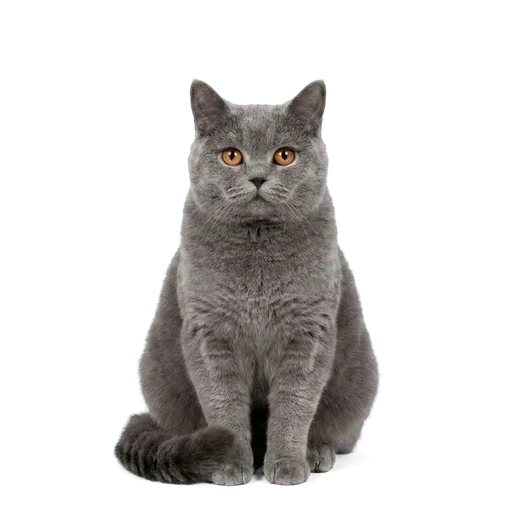
Deciding between similar breeds? Here is the Persian next to Birman and British Shorthair.
| Persian | Birman | British Shorthair | |
|---|---|---|---|
| Size | Medium | Medium | Medium |
| Weight | 3-6 kg | 4-6 kg | 4-8 kg |
| Lifespan | 12-16 yrs | 12-16 yrs | 12-17 yrs |
| Activity | Calm | Moderate | Calm |
| Shedding | High | Medium | Medium |
| Good with kids | Yes | Yes | Yes |
| Apartment-friendly | Yes | Yes | Yes |
Frequently asked questions
How much grooming does a Persian cat need?
A lot. Plan on daily brushing with a comb and slicker brush to prevent mats, a bath every few weeks, and a daily wipe under the eyes to manage tear staining. Skipping grooming leads to painful mats and skin problems, so this is a real, ongoing commitment.
Are Persian cats healthy?
They're prone to several breed-specific issues: breathing and tear-duct problems from the flat face, polycystic kidney disease (PKD), eyelid conditions like entropion, and dental disease. Buying from a breeder who screens for PKD and keeping up with vet checkups goes a long way. Many Persians live full, comfortable lives with attentive care.
Are Persians good apartment cats?
Yes. Persians are quiet, low-energy, and indoor-loving, which suits apartment life perfectly. They don't need much space or vertical climbing, just a calm environment, a few play sessions a day, and a warm spot to nap.
Do Persian cats shed a lot?
Yes, heavily and year-round. The long, dense double coat drops fur constantly, so frequent brushing is essential to control loose hair, reduce hairballs, and keep your furniture manageable. There's no such thing as a low-shedding Persian.
How long do Persian cats live?
Most Persians live 10 to 17 years. Indoor living, a healthy weight, good dental and coat care, and regular veterinary monitoring for kidney and breathing issues all help them reach the upper end of that range.
Related breeds

Health and care information is drawn from established veterinary sources and is general guidance, not veterinary advice. See our sources
Keep records for your Persian
Vaccinations, food and treat safety, allergy alerts and parasite reminders - all tracked for your Persian in the Pethls app.