

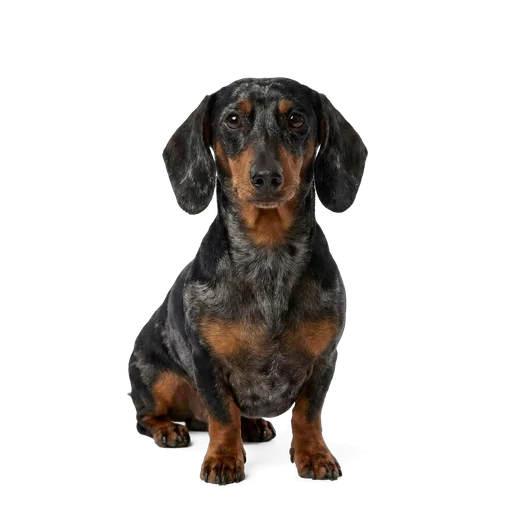
Origin: Germany
Dachshund
Get reminders for your Dachshund's vaccines
Vaccination and parasite reminders, food-safety scans and health records — free to start in the Pethls app.


Good for
The Dachshund is a small hound built long and low, bred in Germany to chase badgers underground. That history explains a lot about Dachshund temperament and care: they are bold, clever, and famously stubborn, packed into a body that lives 12 to 16 years and comes in two sizes: the standard Dachshund at about 7 to 15 kg and the miniature at under about 5 kg. Their long back is the trait everyone loves and the one that needs the most attention. Get their weight, exercise, and daily habits right and you have a funny, devoted companion for well over a decade.
Temperament & personality
Dachshunds are big dogs in a small frame. They were bred to track badgers into a den and hold their ground alone, so courage and stubbornness are baked in. A Dachshund will decide it has a plan, and your job is often to talk it out of that plan.
At home they are lively, curious, and deeply attached to their people. Most bond hard with one or two family members and follow them room to room. They are clever and quick to learn, though that same brain makes them selective about which commands they feel like obeying.
Many Dachshunds are wary of strangers and will bark first, ask questions later. Early socialization softens the sharp edges. With kids they do well when handled gently and taught to respect the dog, but rough play and that long spine are a bad mix, so supervise young children closely.
Vaccination schedule
Puppies start their core DHPP vaccine (distemper, hepatitis, parvovirus, parainfluenza) at around 6 to 8 weeks, with boosters every 3 to 4 weeks until roughly 16 weeks of age. Parvo hits small puppies hard, so do not skip a dose or cut the series short.
Rabies is required by law in most US states and is usually given once between 12 and 16 weeks, then boosted a year later. After that, rabies runs on a one or three year cycle depending on the vaccine and your state rules.
Adult Dachshunds need DHPP and rabies boosters on the schedule your vet sets. Leptospirosis is now a core vaccine recommended for every dog, given as a 2 dose puppy series and then an annual booster, so it is due yearly rather than on the every 3 year cycle some core boosters follow. Contact with water, wildlife, or rural areas raises the risk and makes that yearly booster especially important, but the vaccine is advised for all dogs regardless of lifestyle. Depending on where you live and how your dog spends its time, your vet may also add lifestyle vaccines such as Bordetella, or Lyme.
Best food & diet
The single best thing you can do for a Dachshund is keep it lean. Extra weight is the biggest driver of back injury in this breed, because every spare pound pulls on that long spine and loads the discs. A trim Dachshund should have a visible waist and ribs you can feel without pressing hard.
Feed measured meals, not a bowl left out all day. Pick a complete food formulated for small breeds, weigh the portions, and split the daily amount into two meals. Adjust the total based on your dog's body condition, not the generous number on the bag.
Treats are where Dachshunds get fat without anyone noticing. Keep treats under about 10 percent of daily calories and count table scraps as part of that. You can keep a written record of meals, weight, and treats to catch creeping weight gain early, before it turns into a back problem.
Back health & IVDD
Intervertebral disc disease, or IVDD, is the defining health issue of the breed. The long spine and short legs come from a form of dwarfism that also makes the spinal discs age and harden faster than in other dogs. A hardened disc can bulge or rupture and press on the spinal cord, causing pain, weakness, or paralysis.
You can lower the risk with daily habits. Discourage jumping on and off the couch and bed, and set up ramps or steps to the spots your dog loves. Skip stairs when you can. When you pick a Dachshund up, support the chest and hindquarters so the spine stays level, and never lift by the front legs or scruff.
Know the warning signs of a disc episode: sudden yelping, a hunched or tense back, shivering, refusing to jump or climb, dragging the back legs, or wobbly, uncoordinated walking. If you see wobbling, weakness, or any loss of movement in the back legs, treat it as an emergency and get to a vet right away. Fast treatment gives the best odds of a full recovery.
Common health problems
Beyond IVDD, dental disease is worth keeping an eye on. In small dogs a compact jaw can crowd the teeth and plaque builds up fast, and that leads to gum infection and tooth loss. Brush your Dachshund's teeth several times a week and get professional cleanings when your vet recommends them.
Patellar luxation, where the kneecap slips out of its groove, can sometimes develop in small breeds and shows up as a skip or hop in the back legs. Mild cases are managed, more severe ones may need surgery. Obesity deserves its own mention because it makes IVDD and joint strain worse and can raise the risk of other weight-related problems.
Eye conditions such as progressive retinal atrophy and cataracts are worth monitoring, so mention any cloudiness or bumping into things to your vet. Buying from a breeder who screens for eye and back issues stacks the odds in your favor.
Allergies & skin
Dachshunds sometimes develop atopic dermatitis and food sensitivities, and they also carry a couple of skin conditions worth knowing about. Environmental atopy makes them itch at pollen and dust mites, while a food allergy in a Dachshund is a reaction to a routine ingredient and often adds mild digestive upset to the itching.
The first condition to know is acanthosis nigricans, where the skin in the armpits and groin turns dark, thick and sometimes greasy or smelly. It shows up more in Dachshunds than most breeds and can be linked to friction, inflammation or an underlying hormonal issue, so it is always worth a vet check. The second worth being aware of is pattern baldness, a thinning of hair on the ears, chest and belly reported in some lines. It is largely cosmetic, but a vet should confirm it rather than assume, since other causes of hair loss look similar.
Standard Dachshund skin problems still apply on top of those. The floppy ears can trap moisture and lead to recurrent ear infections, and in Dachshunds the itching often turns up as paw licking, belly redness, scratching and scabby patches. Fleas cause a lot of grief too, and flea allergy dermatitis can set off heavy itching from very few bites.
Work with your vet to sort out what is driving the itch. Keep flea prevention going all year, and if a food allergy is the suspected cause, commit to an elimination diet for eight to twelve weeks. Atopy is managed long term with oclacitinib, Cytopoint, occasional antihistamines and medicated shampoos, while darkened or thickened skin may need its own targeted treatment. Are Dachshunds hypoallergenic? No. All three coat types shed and produce dander, so they are not a good choice for people with allergies.
Flea, tick & worm prevention
Dachshunds ride low to the ground and love to nose through grass and leaf litter, which puts them right where fleas and ticks wait. Keep them on a year round flea and tick preventive, whether that is a monthly chew, a topical, or a vet recommended collar.
Ticks carry Lyme disease and other infections, so run your hands through the coat after walks in wooded or grassy areas and remove any tick promptly. In warm regions, mosquitoes spread heartworm, which is why year round heartworm prevention matters even for a mostly indoor dog.
Deworm puppies on the schedule your vet sets, then keep adults on a monthly product that covers intestinal worms and heartworm together. Many combination preventives handle several parasites in one dose, which makes it easier to stay consistent.
Medications & dosing
Back flare-ups often call for medication. Vets treat IVDD pain and inflammation with prescription NSAIDs, sometimes gabapentin for nerve pain, and in some cases steroids and muscle relaxants. These are used strictly on vet direction, and NSAIDs and steroids must never be combined, so follow the plan exactly.
Never give human painkillers. Ibuprofen, acetaminophen, and aspirin can cause severe stomach ulcers, kidney damage, or worse in dogs, even in small amounts. If your Dachshund is in pain, call your vet instead of reaching for anything in your own cabinet.
Dental and ear infections may need antibiotics or medicated drops, and a course only works if you finish it. Give every dose on time and note it down so nothing gets doubled or missed. Keeping a written dosing log makes it easy when more than one family member helps with care.
Grooming & coat care
Dachshunds come in three coat types, and each is groomed a little differently. The smooth coat is short and sleek and needs only a weekly wipe or rubber curry brush to lift loose hair and keep it shiny.
The longhaired coat is soft and feathered on the ears, chest, legs, and tail. Brush it a few times a week, and check the feathering and behind the ears for tangles so mats do not form. The wirehaired coat has a coarse outer layer, a soft undercoat, and a beard and eyebrows. It needs regular brushing plus hand-stripping or trimming a couple of times a year to keep the texture right.
All three types shed at a moderate level, so weekly brushing keeps hair off your clothes and furniture year round. Round out grooming with regular nail trims, ear checks, and tooth brushing, since long ears and crowded teeth both need routine attention.
How the Dachshund compares
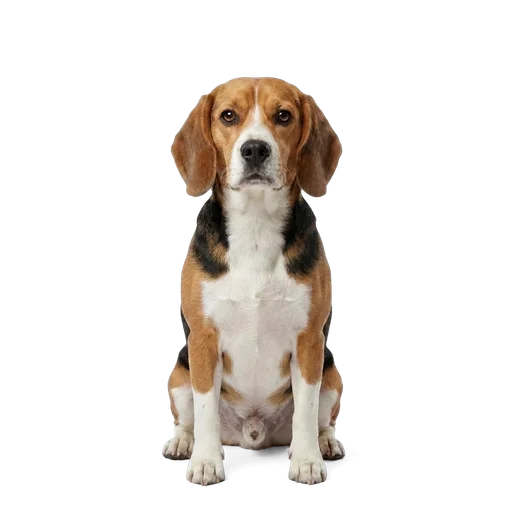
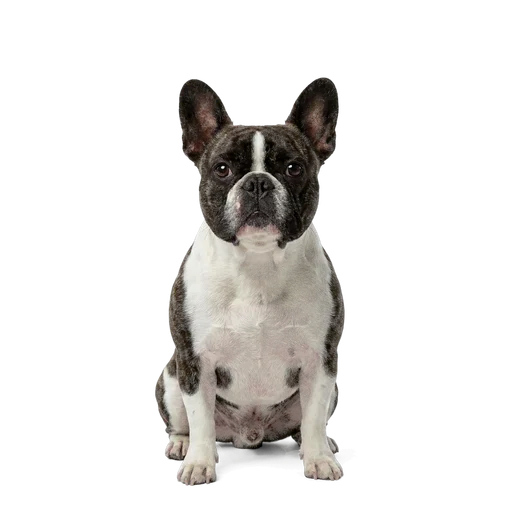
Deciding between similar breeds? Here is the Dachshund next to Beagle and French Bulldog.
| Dachshund | Beagle | French Bulldog | |
|---|---|---|---|
| Size | Small | Small | Small |
| Weight | 7-15 kg | 9-11 kg | 8-14 kg |
| Lifespan | 12-16 yrs | 12-15 yrs | 10-12 yrs |
| Activity | Moderate | Active | Calm |
| Shedding | Medium | Medium | Low |
| Good with kids | Yes | Yes | Yes |
| Apartment-friendly | Yes | No | Yes |
Frequently asked questions
Are Dachshunds prone to back problems?
Yes. Their long spine makes them the breed most associated with intervertebral disc disease (IVDD). You can lower the risk by keeping your dog lean, using ramps instead of jumps, avoiding stairs, and supporting the back whenever you lift. Sudden pain, a hunched back, or weakness in the back legs is an emergency, so see a vet right away.
Are Dachshunds good with kids?
They can be, with the right setup. Dachshunds are playful and devoted, but their fragile back means rough handling and being dropped are real risks. They tend to do best with older, gentle children who are taught to support the dog properly and give it space. Always supervise time with young kids.
Are Dachshunds hard to train?
They are smart but stubborn, a combination that tests your patience. Dachshunds learn quickly when they see a reason to cooperate, so short, upbeat sessions with treats and praise work far better than repetition or force. House-training in particular can take extra time and consistency.
Do Dachshunds shed a lot?
They are moderate shedders across all three coat types. Weekly brushing keeps loose hair under control, and wirehaired dogs also need occasional hand-stripping. None of the coats are truly hypoallergenic, so expect some hair on your clothes and furniture.
How long do Dachshunds live?
Most Dachshunds live 12 to 16 years, which is a long life span for a dog. Keeping them at a healthy weight, protecting the back, staying current on vaccinations, and caring for their teeth all help them reach the upper end of that range in good shape.
Related breeds
Health and care information is drawn from established veterinary sources and is general guidance, not veterinary advice. See our sources
Keep records for your Dachshund
Vaccinations, food and treat safety, allergy alerts and parasite reminders - all tracked for your Dachshund in the Pethls app.