

Dogs care guide
How Often Should You Bathe a Dog?
Ask ten dog owners how often they bathe their dog and you'll get ten different answers. The honest reply is that most healthy dogs do fine with a bath every 4 to 6 weeks, but that number shifts a lot depending on the coat, the skin underneath it, and what your dog has been rolling in. Bathe too little and things get greasy and smelly. Bathe too much and you strip the natural oils that keep skin healthy, which leads to flaking and itching. This guide walks through the real answer for your dog, not the one-size-fits-all version.
The general rule: every 4 to 6 weeks
For a typical healthy dog with no skin issues, a bath every 4 to 6 weeks is a solid baseline. That window keeps them clean and smelling reasonable without drying out the skin. Plenty of dogs can stretch it longer if they mostly stay indoors and don't get into much.
The point of a bath is to remove dirt, loose hair, dander, and built-up oil. A dog who spends afternoons at the park in the mud clearly needs one sooner than a small dog who naps on the couch all day. Let the dog's actual state guide you: if the coat feels greasy, looks dull, or your dog has picked up that distinct doggy smell, it's time. If the coat still feels clean and soft, you can wait.
Activity level and environment matter more than the calendar. Working dogs, swimmers, and dogs with allergies often land on the shorter end. Indoor lap dogs sit at the longer end.
How coat type changes the answer
Short, smooth coats (think Beagles, Boxers, Dalmatians) are the lowest maintenance. They shed dirt easily and rarely need more than a bath every 6 to 8 weeks. A rubber curry brush and a wipe-down handle most of the in-between grime.
Oily breeds are the exception on the frequent end. Basset Hounds, Cocker Spaniels, and some retrievers produce more skin oil and can go a bit funky faster, so every 3 to 4 weeks is common for them. If you notice a waxy feel or a strong smell returning quickly, that's the oil talking.
Double-coated breeds (Huskies, German Shepherds, Golden Retrievers) need brushing far more than bathing. Their undercoat traps loose fur and dirt, and the real work is deshedding, not sudsing. Bathing every 6 to 8 weeks or so is plenty, and over-washing can actually mat the undercoat if it isn't dried and brushed out properly.
Curly and continuously growing coats, like Poodles, Bichons, and Doodles, are on a tighter loop. They pick up debris in those curls and usually get bathed every 3 to 4 weeks, often paired with a trim or clip. Wire coats and corded coats have their own quirks, so a breed-specific groomer is worth asking.
Why over-bathing backfires
A dog's skin has a protective layer of natural oils and a coat of good bacteria that keep it balanced. Wash too often and you strip that layer faster than the skin can rebuild it. The result is dry, flaky, itchy skin, and ironically a dog who scratches more and can smell worse because the skin overproduces oil to compensate.
Weekly baths are a common mistake, usually with good intentions. Unless a vet has told you to bathe that often for a medical reason, once a week is too much for most dogs and is a frequent cause of chronic dry skin and dandruff. If your dog is already itchy or has flaky patches, cutting back on baths is often part of the fix, not more of them.
Signs you're overdoing it: dandruff, a dull or brittle coat, redness, and increased scratching right after bath day. If you see those, space baths out and switch to a gentle, moisturizing dog shampoo.
Shampoo and products: what to use
Never use human shampoo on a dog, not even baby shampoo in a pinch. Human skin is more acidic than dog skin, and our products are formulated for a different pH. Using them throws off the dog's skin barrier and dries it out. Reach for a shampoo made for dogs, every time.
The best dog shampoo is a gentle, soap-free or oatmeal-based formula for everyday use. Look for something labeled for sensitive skin if your dog runs itchy. Avoid heavy fragrances and dyes, which are common irritants. A conditioner or leave-in spray helps long or curly coats stay tangle-free.
Medicated and prescription shampoos are a separate category. If your vet has prescribed one for allergies, yeast, or a bacterial skin issue, follow their schedule and contact time exactly, since those often need to sit on the skin for 5 to 10 minutes to work. Don't mix a medicated schedule with your regular grooming routine unless the vet says it's fine.
Puppies: start slow
Most vets suggest waiting until a puppy is around 8 weeks old before a full bath, since very young pups struggle to regulate their body temperature when wet. Before that, a warm damp cloth handles spot messes just fine.
Once they're old enough, puppies don't need frequent baths, roughly once a month is plenty, but they do benefit from early, positive exposure to the whole routine. Keep the water warm, keep sessions short, and pair it with treats and praise so bath time doesn't become a lifelong wrestling match. A puppy who learns baths are no big deal is a much easier adult dog to groom.
Use a shampoo formulated specifically for puppies, since it's milder and gentler on developing skin. Get them used to having their paws, ears, and tail handled while you're at it.
Brushing and drying between baths
Brushing does most of the heavy lifting between baths. It pulls out loose hair, spreads natural oils down the shaft for a healthier coat, and stops mats before they start. Short coats are happy with a weekly brush; double and curly coats often need it several times a week or even daily during heavy shedding.
Drying matters more than people think. Leaving a dog damp, especially a double coat or any breed with skin folds like Bulldogs and Pugs, creates the warm, moist conditions where yeast and bacteria thrive, which leads to hot spots and infections. Towel thoroughly, then use a dryer on a cool or low-heat setting for thick coats, and always dry inside skin folds and between paw pads.
For the small stuff between baths, a damp cloth, dog-safe wipes, or a rinse of just the dirty bit works well. Muddy paws after a walk don't require a full bath. A quick wipe keeps your dog clean and saves the real bath for when the whole coat needs it.
Frequently asked questions
Can I bathe my dog every week?
Usually no, not for a healthy dog. Weekly baths tend to strip the skin's natural oils and cause dryness, flaking, and itching. The main exception is a medicated bathing schedule your vet has prescribed for a skin condition. For general cleanliness, every 4 to 6 weeks is a better target, with brushing and spot-cleaning in between.
How often should I wash my dog if they have allergies or itchy skin?
It depends on the cause, so check with your vet first. In some cases regular bathing with a prescribed medicated or hypoallergenic shampoo actually helps by rinsing allergens off the coat and soothing the skin. In others, frequent washing makes dryness worse. Don't guess with an itchy dog, get a plan from your vet and stick to their schedule and shampoo.
What shampoo is best for dogs?
A gentle, dog-formulated shampoo, ideally soap-free or oatmeal-based, works for most dogs. Choose a sensitive-skin formula if your dog is itchy, and skip heavy fragrances and dyes. Never substitute human shampoo, since the pH is wrong for dog skin. If your dog has a diagnosed skin issue, use the medicated shampoo your vet recommends.
How often should I bathe a puppy?
Wait until around 8 weeks old for a first full bath, and before that use a warm damp cloth for messes. After that, about once a month is plenty. Use a mild puppy shampoo, keep the water warm and sessions short, and add treats so your puppy learns to tolerate baths early.
My dog got skunked or rolled in something awful. What now?
That's a clear time to bathe outside the normal schedule, and no one will blame you. For skunk, skip the tomato juice myth and use a mix of hydrogen peroxide, baking soda, and a little dish soap, then rinse well and follow with dog shampoo. For mud or a dead-thing roll, a full bath with your regular dog shampoo does the job. Just dry thoroughly afterward, especially in any folds or thick coat.
Popular dogs breeds
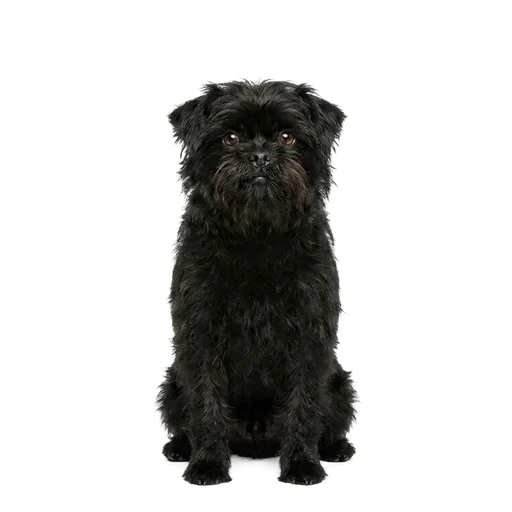
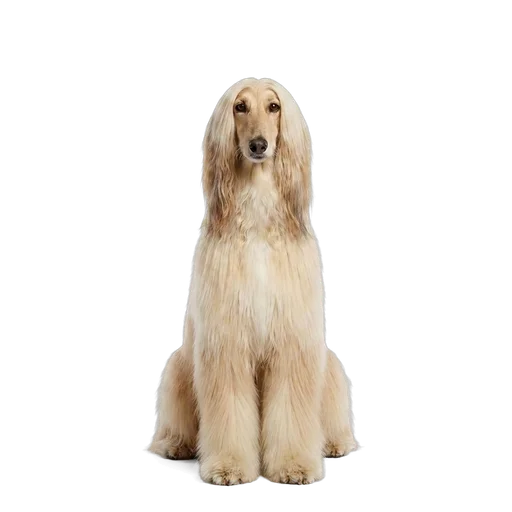
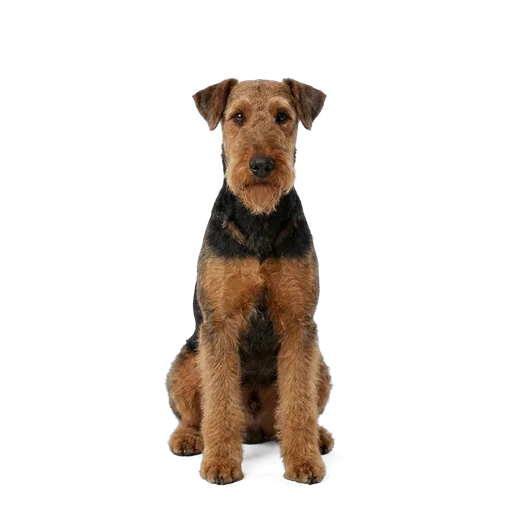
Never miss a dog vaccine or dose
Pethls keeps your dog's vaccination and parasite schedule, sends reminders, and stores health records - so the plan in this guide actually happens.

