


Origin: Germany
Affenpinscher
Get reminders for your Affenpinscher's vaccines
Vaccination and parasite reminders, food-safety scans and health records — free to start in the Pethls app.


Good for
The Affenpinscher earned the nickname "monkey dog" honestly: the pushed-in face, round dark eyes, and shaggy eyebrows give it a permanently mischievous, almost human expression. Bred in Germany centuries ago as a ratter for shops and stables, this 3 to 6 kg toy dog is confident, stubborn, funny, and fiercely loyal to its people, with a scrappy, terrier-like attitude. Affens take themselves very seriously, which is precisely what makes them so entertaining to live with. They typically live 12 to 15 years and suit adults and families with older, gentle children rather than toddler households.
Temperament & personality
The Affenpinscher is comically serious. It patrols the apartment like a tiny security chief, investigates every noise, and greets absurd situations with a gravity that makes people laugh out loud. Underneath the comedy sits real ratting grit: this breed was killing rats in German stables long before it became a lap companion, and it seems entirely unaware of how small it is. Affens will square up to dogs ten times their size, so leash awareness and calm introductions matter.
With their own family they are devoted, sometimes to the point of velcro. They bond hard, prefer to be in the same room as you, and make sharp little watchdogs. Strangers get a reserved once-over before acceptance. Barking is moderate for a toy breed but real; they announce doorbells with enthusiasm.
Affens do best with adults and sensible older kids. They have limited patience for grabbing, chasing, or being carried around like a toy, and at 3 to 6 kg they are easily hurt by a fall or a stumbling toddler. Stubbornness is part of the package: training works when it feels like a game with excellent snacks, and fails completely when it feels like drill practice. Keep sessions short, funny, and rewarding.
Vaccination schedule
Affenpinscher puppies follow the same core protocol as every dog; their tiny size does not shrink the dose per shot or let you skip parts of the series. The DHPP combination (distemper, hepatitis, parainfluenza, parvovirus) begins at 6 to 8 weeks and repeats every 3 to 4 weeks until at least 16 weeks of age. Because Affen puppies are so small and portable, owners are tempted to carry them everywhere early; hold off on floors in pet shops and dog parks until the series is complete.
Rabies is given once at 12 to 16 weeks according to local regulations, boosted at one year, then moved to the interval your region and vaccine license allow, commonly every one to three years. DHPP follows a similar adult pattern after the first annual booster.
Some toy dogs can be sensitive to vaccine reactions, so vets often prefer not to stack every vaccine into a single visit for a small puppy, spacing rabies a couple of weeks from DHPP instead. That changes the timing, not the total protection your puppy ends up with. Watch for lethargy or facial swelling in the hours after any shot, and get in touch with the clinic if you see them. Keeping a simple record of dates and batch numbers means boosters never slip.
Best food & diet
Feed a complete diet formulated for toy or small breeds. The small kibble size is easier for a little jaw with crowded teeth, and the calorie density suits a fast metabolism. An adult Affen typically needs somewhere in the range of 200 to 300 kcal per day depending on size and activity, which looks like a startlingly small bowl. Measure it; eyeballing portions is how 5 kg dogs become 7 kg dogs. Numbers like these are a rough guide only; real needs shift with age, neuter status and activity, so watch the waistline and adjust with your vet.
Split meals into two or three servings a day. Toy puppies in particular are prone to low blood sugar (hypoglycemia) if they skip meals, so young Affens under six months should eat three to four times daily. If a puppy becomes wobbly, glassy-eyed, or limp, rub a little honey or glucose syrup on the gums and call your vet immediately.
Dental health drives some food choices in this breed. Crowded teeth in a small brachycephalic-leaning muzzle collect plaque quickly, so a kibble with a dental claim can help alongside daily brushing, though brushing does the heavy lifting. Keep an eye on treat calories: one dental chew can be a tenth of an Affen's daily energy budget. Weight matters doubly here because extra load worsens both luxating kneecaps and airway effort.
Common health problems
Patellar luxation leads the list, as it does for most toy breeds. The kneecap slips out of its groove, producing the classic skip-hop step where the dog runs three-legged for a few strides and then carries on as if nothing happened. Grade 1 to 2 cases are often managed with weight control and muscle-building exercise; higher grades that cause persistent lameness may need surgery. Your vet grades the knees at routine exams, which is worth asking about at the next visit.
Legg-Calve-Perthes disease affects some Affen puppies between roughly four and twelve months of age. The blood supply to the head of the femur fails, the bone dies and crumbles, and the dog develops progressive hind-leg pain and lameness. It looks like hip dysplasia but strikes young. Surgery to remove the femoral head works very well in dogs this size, and most return to full, pain-free activity.
The shortened face brings mild brachycephalic obstructive airway syndrome in some individuals: snoring, snorting, and reduced tolerance for heat and hard exercise. Affens are far less affected than pugs or French bulldogs, but take the warning seriously in summer. Walk early or late, provide shade and water, and treat noisy, labored breathing in warm weather as an emergency.
Later in life, mitral valve disease is the main concern. The heart's mitral valve degenerates and leaks, first heard as a murmur at a routine checkup, sometimes years before any symptom. Annual exams from age seven or eight catch it early, and modern drugs such as pimobendan meaningfully delay heart failure when started at the right stage. A resting breathing rate creeping above thirty breaths per minute during sleep is a signal to call the vet.
Allergies & skin
The Affenpinscher's rough, wiry coat sheds very little, and the breed often appears on low-allergen lists. Be realistic about what that means: no dog is truly hypoallergenic, because the allergenic proteins live in saliva, dander, and urine, not the hair itself. A low-shedding coat spreads less of it around the home, which some allergic people find makes the difference. Spend time with adult Affens before committing.
The dogs themselves usually have sound skin, but like any dog an individual Affen can develop allergic skin disease (atopic dermatitis), which may show as face rubbing, paw chewing, and recurrent ear trouble; see your vet if these signs appear. The heavy facial furnishings deserve attention too: food, tears, and moisture caught in the beard and eyebrows can lead to yeasty skin-fold irritation and staining. A quick daily wipe of the face with a damp cloth prevents most of it.
Flea allergy dermatitis punches above its weight in small dogs, where a handful of bites represents a lot of allergen per kilo. Year-round flea control is the cheapest skin treatment you will ever buy. For suspected food allergies, resist boutique diet-hopping and run a structured elimination trial with your vet, and keep a written log of flare dates and diet changes so the consultation has real data to work from.
Flea, tick & worm prevention
Small dogs need the same year-round parasite protection as big ones, dosed for their size. Use a flea and tick product licensed for dogs in the 3 to 6 kg range, whether that is a monthly spot-on or a chewable. Read labels carefully: many products have a minimum weight, and a very young puppy may need to wait or use a specific puppy-safe formulation. Never split a large dog's dose to save money; concentrations are not designed for it.
Even a city Affen that mostly walks pavements picks up fleas from other dogs and ticks from park shrubbery, and their low ride height puts that beard right at vegetation level. Check the face, ears, and armpits after green-space walks. Absolutely never use a permethrin product intended for dogs on a household that also has cats handling the dog closely, and never use dog spot-ons on the cat.
Worming runs on the standard schedule: every two weeks from two to twelve weeks of age, monthly until six months, then either monthly broad-spectrum prevention or fecal-test-guided deworming every six to twelve months for adults. In heartworm areas, monthly prevention is essential regardless of size; mosquitoes bite small dogs just as readily. A recurring reminder on your phone keeps the cycle honest.
Medications & dosing
Dosing precision matters more in a 3 to 6 kg dog than in almost any other patient. The margin between an effective dose and an overdose shrinks with body weight, and a bathroom-scale guess can be off by a third of the dog's mass. Weigh your Affen on a proper small-animal or baby scale before any new medication, and leave the exact dose to your vet. Many drugs for dogs this size are dispensed as liquids or compounded formulations precisely so they can be measured accurately.
Human medication accidents are disproportionately dangerous at this size. A single ibuprofen tablet can cause kidney injury and gastric ulcers in a toy dog, one paracetamol can be a poisoning event, and xylitol chewing gum is an emergency. Keep bags and pockets out of reach; ratters are enthusiastic scavengers.
If your Affen develops heart disease later in life, expect a multi-drug routine with exact timing, and possibly pre-anesthesia airway planning for any dental work under sedation given the short muzzle. Log every medication, dose, and time somewhere the whole household can see it, so everyone knows what has already been given; in a dog this small, double-dosing is not a minor slip.
Grooming & coat care
The Affenpinscher's dense, harsh, roughly 2.5 cm coat is meant to look neatly untidy, standing off the body with that signature shaggy face. Brush two or three times a week with a slicker, then run a metal comb through the beard, eyebrows, and leg furnishings where mats form first. Sessions are short at this size, perhaps ten minutes, but skipping them lets the soft undercoat felt up near the skin.
The correct coat is maintained by hand-stripping: pulling dead outer hairs out by the root every few months so a new harsh coat grows in. Pet owners often opt for clipping instead, which is entirely reasonable but gradually softens the texture and can dull the color. Decide which route you want and find a groomer accordingly; a bath and tidy every six to eight weeks fits most pet schedules.
Face care is daily and non-negotiable: wipe the beard after meals, check the prominent eyes for hair rubbing against them, and trim carefully around the eye corners. Add nail trims every three to four weeks and, most important of all in this breed, daily tooth brushing. Crowded toy-breed teeth accumulate tartar fast, and periodontal disease is both painful and linked to worse outcomes in dogs with heart disease, so budget for professional dental cleanings when your vet recommends them.
How the Affenpinscher compares
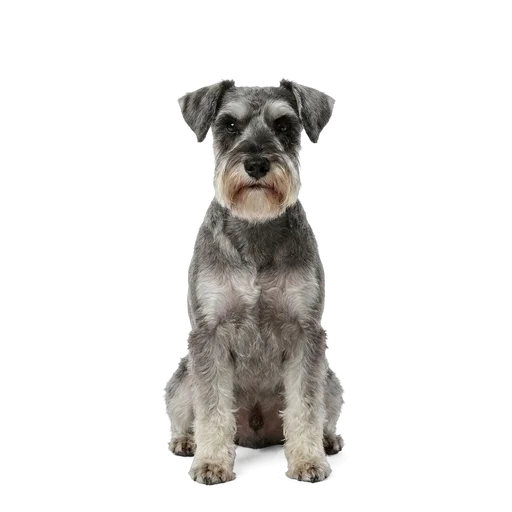
Deciding between similar breeds? Here is the Affenpinscher next to Miniature Schnauzer and Norfolk Terrier.
| Affenpinscher | Miniature Schnauzer | Norfolk Terrier | |
|---|---|---|---|
| Size | Small | Small | Small |
| Weight | 3-6 kg | 5-9 kg | 5-5 kg |
| Lifespan | 12-15 yrs | 12-15 yrs | 12-15 yrs |
| Activity | Moderate | Moderate | Moderate |
| Shedding | Low | Low | Low |
| Good with kids | No | Yes | Yes |
| Apartment-friendly | Yes | Yes | Yes |
Frequently asked questions
Are Affenpinschers good with children?
They do best with adults and calm older kids, roughly age ten and up. Affens dislike rough handling and being treated like a stuffed toy, and at 3 to 6 kg they are fragile enough that a fall or an accidental kick can cause a fracture. In toddler households, most breeders will steer you elsewhere.
Do Affenpinschers shed?
Very little. The wiry coat holds dead hair until it is brushed or stripped out rather than dropping it around the house. That low shedding is why the breed appears on allergy-friendly lists, though no dog is truly hypoallergenic, so allergy sufferers should test their reaction to an adult Affen first.
Are Affenpinschers hard to train?
They are clever but famously stubborn, so it depends on your approach. Short, playful sessions with high-value treats work well; repetitive drilling gets you a dog that stares at you and walks off. House-training takes patience, as it does with most toy breeds, and consistency beats intensity every time.
Can Affenpinschers handle hot weather?
Only with care. The slightly flattened face makes their cooling less efficient than a long-muzzled dog's, so they are mildly heat sensitive. Walk in the cool parts of the day, provide shade and water, and never leave one in a car. Loud raspy breathing or collapse in heat is an emergency.
How much exercise does an Affenpinscher need?
Around thirty to forty-five minutes a day split into a couple of walks, plus indoor play. They enjoy trick training and puzzle feeders as much as mileage. It is enough activity to keep the kneecaps supported by good muscle without stressing a small frame, and it fits apartment life nicely.
Related breeds

Health and care information is drawn from established veterinary sources and is general guidance, not veterinary advice. See our sources
Keep records for your Affenpinscher
Vaccinations, food and treat safety, allergy alerts and parasite reminders - all tracked for your Affenpinscher in the Pethls app.