

Origin: United Kingdom
Norfolk Terrier
Get reminders for your Norfolk Terrier's vaccines
Vaccination and parasite reminders, food-safety scans and health records — free to start in the Pethls app.


Good for
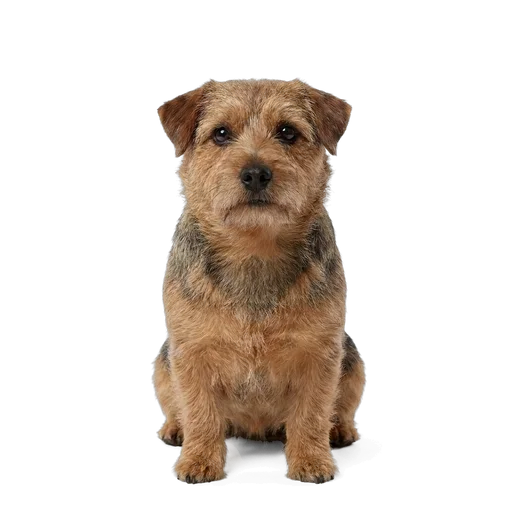
The Norfolk Terrier is one of the smallest of the working terriers, a compact little dog of around 5kg with folded drop ears and a hard, weatherproof coat. Bred in East Anglia to bolt vermin and go to ground, the breed kept its game spirit but carries it with an unusually sociable, even-tempered nature. Norfolks tend to be merry and outgoing rather than scrappy, which is a big part of why they settle so well into busy family homes. Most live 12 to 15 years and stay physically sturdy for their size. If you want a small terrier with real character but without the constant fireworks, this is a sensible pick.
Temperament & personality
Norfolks are cheerful, people-oriented dogs that genuinely want to be part of whatever the household is doing. They have the classic terrier confidence and curiosity, but the edges are softened. Where some terriers pick fights and hold grudges, a well-raised Norfolk is more likely to greet a stranger with a wagging tail than a warning. That sociability extends to other dogs in many cases, helped by a bolt-and-go-to-ground working history that leaned on temperament rather than aggression, so many read canine company better than the typical terrier.
This is still a terrier, though, and the working brain is very much switched on. They love to dig, they will chase a squirrel or a leaf with equal commitment, and they have a strong prey drive around small furries and birds. A securely fenced garden matters, because a Norfolk who finds a gap will follow its nose. Off-lead recall needs real practice and should never be assumed near roads or wildlife.
With children they are patient and playful, sturdy enough not to be fragile with toddlers, yet small enough to suit a modest home. They do not like being left alone for long stretches and can get vocal or destructive if bored. Give a Norfolk daily exercise, a bit of training to chew on, and plenty of company, and you get a delightful, easygoing companion.
Vaccination schedule
Norfolk puppies follow the standard UK core vaccination program. The primary course of DHPP (distemper, hepatitis, parvovirus and parainfluenza) usually starts at around 8 weeks, with a second injection at 10 to 12 weeks. Some protocols add a third dose at 16 weeks in high-risk situations, and your vet will confirm the timing based on the vaccine brand used.
Rabies vaccination is not legally required for dogs living in the UK, but it is mandatory if you plan to travel abroad with your dog under pet travel rules. If foreign travel is on the cards, the rabies dose has to be given after the microchip and after a minimum age of 12 weeks, followed by a waiting period before the trip.
Leptospirosis is now a core vaccine recommended for every dog under current US guidelines, and the risk is higher with a wet climate and wildlife reservoirs, which is why the annual booster matters. Kennel cough (Bordetella and parainfluenza) is worth discussing if your Norfolk will attend classes, boarding kennels or dog shows. A first annual booster follows roughly 12 months after the puppy course, and after that your vet will tailor the interval, with some components boosted every year and others every three years.
Best food & diet
Norfolks are small but genuinely active, and their diet should reflect a working-terrier metabolism rather than a lapdog's. A complete food formulated for small breeds, with a named animal protein as the first ingredient and a sensible fat level, suits them well. Small-breed kibble also has an appropriately sized biscuit that these little jaws can manage.
Portion control is where most owners slip up. At around 5kg the daily ration is small, so even a couple of extra treats can tip a Norfolk into being overweight, which strains the joints and the heart. Weigh the food rather than eyeing it, and fold any training treats into the daily total. A quick body-condition check every couple of weeks, where you should be able to feel the ribs without a fat layer over them, catches gradual weight creep before it becomes a problem.
Feed puppies a growth diet split across three or four meals a day, moving to two meals daily by adulthood. Fresh water should always be available. Because the breed can carry heart disease later in life, keeping a lean body weight throughout life is one of the most useful everyday things an owner can do.
Common health problems
The Norfolk is a hardy breed, but a handful of conditions turn up often enough to be worth knowing. Mitral valve disease, a degenerative heart-valve problem, is the most significant. It is common in small breeds and tends to appear in middle to older age, often first picked up as a heart murmur on a routine exam before any symptoms show. Caught early and monitored, many dogs live comfortably for years with the right management.
Orthopaedic issues also feature. Patellar luxation, where the kneecap slips out of its groove, can cause a skipping or hopping gait and ranges from mild to severe enough to need surgery. Hip dysplasia, a poor fit of the hip joint, is seen in the breed too and can lead to arthritis over time. Reputable breeders screen breeding stock, so ask about the parents' hip status.
One further condition is worth watching for in Norfolks: an upper airway syndrome, a breathing problem linked to narrowing in the throat and airway, is worth catching early, as it can cause noisy breathing, reduced exercise tolerance and coughing, and warrants a vet assessment if you hear persistent snorting or laboured breaths. Regular check-ups let your vet catch any of these early.
Allergies & skin
The Norfolk's wiry double coat is fairly protective, and the breed is not especially prone to skin disease compared with many terriers. Still, dogs can sometimes develop atopic dermatitis, an allergic skin condition triggered by pollens, dust mites or other environmental allergens. Signs include itching, licking or chewing at the paws, redness in the ears and recurring ear infections. If your dog is scratching more than seems normal, book a vet check so the cause can be pinned down early.
Food-related allergies are less common but do happen, usually showing up as itchy skin or digestive upset rather than sneezing. Diagnosing them takes a proper elimination diet run under veterinary guidance, not guesswork with over-the-counter foods. Flea allergy dermatitis is another cause of intense itching, which is one more reason to keep parasite control consistent year-round.
Good coat care supports skin health. Hand-stripping the dead wiry hair keeps the coat doing its job and lets air reach the skin, while clipping tends to soften the texture and can trap moisture over time. Keep the ears clean and dry, check the skin when you groom, and mention any new lumps, scaly patches or hot spots to your vet.
Flea, tick & worm prevention
Parasite control is a year-round job in the UK, and the small size of the Norfolk makes accurate dosing important. Flea and tick products come as spot-on pipettes, tablets or collars, and every one is dosed by body weight, so a Norfolk of around 5kg needs the correct small-dog bracket rather than a leftover product bought for a bigger dog. Ticks are a real risk on grassy walks and can carry Lyme disease, so a product with tick cover is sensible for most Norfolks.
Worming covers roundworms and tapeworms, and puppies need it frequently, typically every two weeks until 12 weeks of age, then monthly to six months. Adult dogs are usually wormed every three months, though dogs that hunt, scavenge or eat raw food may need it more often. Lungworm, spread by slugs and snails, is a growing concern in parts of Britain and can be fatal, so choose a product that covers it if your area is affected.
Rather than juggling separate products, many owners use a single prescription treatment that covers fleas, worms and often ticks in one dose. Your vet can build a plan around your dog's weight, lifestyle and local risks, and will adjust the dose as a puppy grows into its adult weight.
Medications & dosing
In a dog this small, medication doses are calculated tightly by body weight, so an accurate, up-to-date weight matters every time something is prescribed. A dose that would be trivial for a Labrador can be far too much for a 5kg terrier, which is why you should never share medication between dogs or use a human product without veterinary advice.
Some over-the-counter human painkillers, including paracetamol and ibuprofen, are toxic to dogs and must never be given. If your Norfolk seems sore or unwell, your vet can prescribe a licensed canine anti-inflammatory or pain relief at the right dose. Should heart disease develop later in life, dogs are often managed well on daily cardiac medication, and sticking precisely to the prescribed timing and amount makes a real difference.
Give the full course of any prescribed drug even if your dog seems better, use the syringe or measuring device provided, and keep all medicines out of reach. If you miss a dose or think your dog has swallowed something it should not have, ring your vet or an animal poison line straight away.
Grooming & coat care
The Norfolk has a hard, wiry outer coat over a softer undercoat, and it is a genuinely low-shedding breed when looked after correctly. The traditional way to maintain it is hand-stripping, which means plucking out the dead outer hairs by hand or with a stripping tool rather than clipping them. This keeps the coat's weatherproof texture and its rich color, and it needs doing a few times a year.
Between stripping sessions, a weekly brush and comb keeps the coat tidy and free of mats, particularly behind the ears, under the legs and around the beard where debris collects. Many pet owners choose to have a professional groomer hand-strip the coat, then keep on top of it at home. Clipping is an option for those who prefer it, but it softens the texture and can dull the color over time, so most enthusiasts stick with stripping.
Round out the routine with regular nail trims, ear checks to catch wax build-up or early infection, and tooth brushing, which small breeds especially benefit from given their tendency toward dental problems. Start all of this gently in puppyhood so your Norfolk learns to accept handling, and grooming becomes a calm shared habit rather than a wrestle.
How the Norfolk Terrier compares
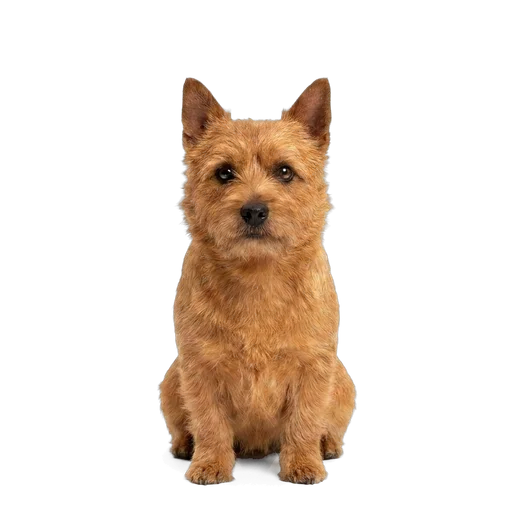
Deciding between similar breeds? Here is the Norfolk Terrier next to Norwich Terrier and Dandie Dinmont Terrier.
| Norfolk Terrier | Norwich Terrier | Dandie Dinmont Terrier | |
|---|---|---|---|
| Size | Small | Small | Small |
| Weight | 5-5 kg | 5-5 kg | 8-11 kg |
| Lifespan | 12-15 yrs | 12-15 yrs | 12-15 yrs |
| Activity | Moderate | Active | Moderate |
| Shedding | Low | Low | Low |
| Good with kids | Yes | Yes | Yes |
| Apartment-friendly | Yes | Yes | Yes |
Frequently asked questions
What is the difference between a Norfolk and a Norwich Terrier?
They are very close cousins and were once considered the same breed. The clearest difference is the ears: Norfolks have folded drop ears that fall forward, while Norwich Terriers have upright pointed prick ears. In temperament both are sociable and game, with the Norfolk often described as the slightly steadier of the two.
Are Norfolk Terriers good with children?
Yes, they generally make good family dogs. They are sturdy for their size, playful and patient, and they enjoy being in the thick of family life. As with any dog, supervise interactions with young children and teach kids to handle the dog gently and respect its space.
How much exercise does a Norfolk Terrier need?
They have moderate needs, usually around an hour a day split into a couple of walks plus some play and sniffing time. They are active little dogs that enjoy exploring, but they are also happy to settle indoors afterwards. Mental stimulation through games and training matters as much as the physical exercise.
Do Norfolk Terriers shed a lot?
No, they are low shedders. Their wiry coat holds onto loose hair rather than dropping it around the house, especially when maintained by hand-stripping. They are not classed as hypoallergenic, though, so people with dog allergies should spend time with the breed before committing.
How long do Norfolk Terriers live?
Typically 12 to 15 years. They are a hardy breed, and keeping your dog at a lean weight, staying current with veterinary check-ups and monitoring the heart as it ages all help toward a long, comfortable life.
Related breeds

Health and care information is drawn from established veterinary sources and is general guidance, not veterinary advice. See our sources
Keep records for your Norfolk Terrier
Vaccinations, food and treat safety, allergy alerts and parasite reminders - all tracked for your Norfolk Terrier in the Pethls app.