

Origin: United Kingdom
Norwich Terrier
Get reminders for your Norwich Terrier's vaccines
Vaccination and parasite reminders, food-safety scans and health records — free to start in the Pethls app.


Good for
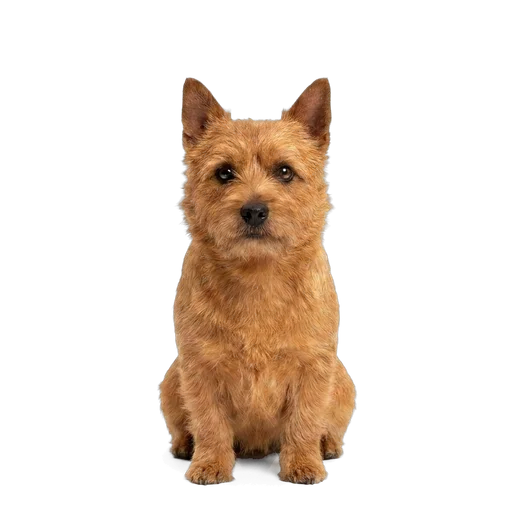
The Norwich Terrier is a bold, compact little dog, close kin to the Norfolk but distinguished by its upright pointed prick ears. Weighing around 5kg and standing among the smallest of the terriers, it was bred in East Anglia to hunt rats and go to ground, and it still carries that fearless working drive in a companionable package. Norwich Terriers are affectionate, sociable and hardy, lively enough to keep you on your toes yet keen to be close to their people. Most enjoy a long life of 12 to 15 years. For anyone wanting a big personality in a small, robust frame, the breed delivers.
Temperament & personality
Norwich Terriers are outgoing, confident and full of energy, the kind of small dog that thinks it is much bigger than it is. They form strong bonds with their families and love being involved in daily life, following you from room to room and joining in whatever is happening. That affection is genuine, and a Norwich left out of the action for too long will let you know it is unimpressed.
The working heritage shows in their drive. They are alert, quick to investigate a noise, and carry a healthy prey instinct toward rodents, squirrels and birds. This makes a secure garden essential and off-lead reliability something you build carefully over time. They can be vocal, using their bark to announce visitors, which makes them decent little watchdogs but does need managing so it does not become a habit.
Socially they tend to be friendly with people and, having been worked in packs historically, often get along with other dogs. They are hardy and playful with children, sturdy rather than delicate. Early socialization and consistent, reward-based training bring out the best in them, channelling that bright terrier brain into good manners instead of mischief.
Vaccination schedule
Norwich puppies receive the standard UK core vaccines. The primary DHPP course, covering distemper, hepatitis, parvovirus and parainfluenza, generally begins at about 8 weeks with a second dose at 10 to 12 weeks. Depending on the vaccine used and local disease risk, your vet may recommend a further dose at 16 weeks to complete the primary protection.
Rabies is not routinely required for dogs staying within the UK, but it is compulsory for travel abroad under pet passport and animal health certificate rules. The rabies vaccine must follow microchipping, be given no earlier than 12 weeks of age, and be timed to allow the required wait before departure.
Leptospirosis is now a core vaccine recommended for every dog and is usually included with the puppy course; damp, rural and wildlife-heavy surroundings raise the exposure risk, which is part of why the annual booster matters. Kennel cough protection is worth arranging if your Norwich will mix at training classes, shows or boarding kennels. A booster is given around a year after the initial course, then your vet sets an ongoing schedule, boosting some components annually and others every three years.
Best food & diet
As an energetic small breed, the Norwich does well on a complete small-breed food with a named meat or fish as the main ingredient and a fat content that supports its active nature. Small-breed formulations offer a kibble size these compact jaws handle easily and a nutrient density suited to a fast little metabolism.
Weight management is critical at this size. A Norwich only needs a small daily ration, so treats and table scraps add up quickly and can push the dog into carrying excess weight, which stresses the joints and the airway. Weigh out meals, count treats as part of the daily allowance, and check body condition regularly by feeling for the ribs beneath a thin covering. A defined waist when viewed from above is what you are after.
Feed puppies a growth-formula diet in three to four small meals a day, then settle into two meals daily as an adult. Keep fresh water down at all times. Given the breed's tendency toward an upper airway condition, keeping your Norwich trim genuinely helps its breathing and general comfort, so resist the temptation to overfeed a dog that acts perpetually hungry.
Common health problems
The most notable breed-specific concern in the Norwich is upper airway syndrome, sometimes called Norwich Terrier upper airway syndrome. It involves narrowing at several points in the throat and airway, which can cause noisy or laboured breathing, snorting, coughing, reduced exercise tolerance and, in warm weather, a struggle to cool down. Severity varies widely. If you notice persistent noisy breathing or your dog tiring quickly on walks, get it looked at early. Milder cases are often handled by keeping the dog lean and avoiding heat, while more affected dogs may benefit from surgery.
Orthopaedic problems are also seen. Patellar luxation, a slipping kneecap, produces an intermittent skipping gait and can be mild or severe enough to warrant surgical correction. Hip dysplasia, where the hip joint is poorly formed, occurs in the breed and can progress to arthritis, so responsible breeders screen their stock and you should ask about the parents' results.
With either kneecap or hip trouble, catching it early gives you the most options, from managing weight and activity through to surgery when it is warranted. Regular check-ups let your vet track the airway, joints and overall health as your dog ages.
Allergies & skin
The Norwich's hard wiry coat gives reasonable protection, and the breed is not among the most skin-troubled terriers. Even so, atopic dermatitis, an allergy to environmental triggers like pollen and house dust mites, can affect individual dogs. Watch for itching, paw licking, face rubbing, red or infected ears and recurrent scratching, and get any persistent itch checked rather than letting it run.
Food allergies are relatively uncommon but possible, typically causing itchy skin or an upset stomach. Pinning one down needs a proper vet-supervised elimination diet rather than switching foods on a hunch. Fleas are a frequent and easily missed cause of itching, and flea allergy dermatitis can make a dog miserable from just a bite or two, which is a strong argument for steady year-round parasite control.
Support the skin through good grooming. Hand-stripping the dead coat keeps the texture correct and allows air to the skin, while clipping softens the coat and may hold moisture against it. Clean and dry the ears regularly, particularly given how those upright ears sit, look over the skin whenever you groom, and flag any bald patches, scabs or hot spots to your vet promptly.
Flea, tick & worm prevention
Parasite prevention runs all year in the UK, and precise dosing matters for a dog of only around 5kg. Flea and tick treatments, whether spot-on, tablet or collar, are dosed by weight, so a Norwich needs the correct small-dog band, never a portion of a large-dog product. Ticks lurk in grass and undergrowth and can transmit Lyme disease, so most Norwich owners should pick a product that covers them, especially with a dog this keen to nose through hedgerows.
Worming targets roundworms and tapeworms. Puppies need frequent treatment, roughly every two weeks until 12 weeks old, then monthly until six months. Adults are typically wormed every three months, more often if they hunt, scavenge or are fed raw. Lungworm, carried by slugs and snails, is spreading across parts of Britain and can be deadly, so factor it in if it is present in your area.
To keep life simple, many owners use a single prescription product that combines flea, tick and worm cover in one regular dose. Your vet will recommend a schedule based on your dog's weight, habits and where you live, and will step the dose up as a growing puppy reaches its adult size.
Medications & dosing
With a dog weighing only around 5kg, every medication is dosed carefully against body weight, so keep an accurate weight on record. An amount that is safe for a large dog can be dangerous for a small terrier, which is why medicines should never be shared between pets or given from the human cabinet without veterinary direction.
Common human painkillers such as paracetamol and ibuprofen are toxic to dogs and must never be used. If your Norwich is in pain, your vet can prescribe a licensed canine product at the correct dose. The same weight-based care applies to any long-term medication: it works best on exact, consistent dosing, and doses should never be changed or stopped abruptly without veterinary advice.
Always finish a prescribed course even once your dog seems well, measure liquids with the supplied syringe, and store all medicines safely out of reach. If a dose is missed, ask your vet how to get back on track. If you suspect your dog has swallowed something harmful, call your vet or a pet poison line straight away.
Grooming & coat care
The Norwich wears a hard, wiry outer coat with a softer undercoat, and it sheds very little when maintained properly. The correct method is hand-stripping, plucking out the dead outer hairs rather than cutting them, which preserves the coat's weatherproof texture and keeps its color rich. This is done several times a year, either by you or a groomer familiar with wire coats.
In between, a weekly brush and comb keeps the coat free of tangles and removes debris, paying attention to the beard, the legs and around those upright ears where dirt gathers. Some owners have the coat hand-stripped by a professional and simply keep it tidy at home. Clipping is possible but softens the texture and fades the color over time, so breed enthusiasts generally avoid it.
Finish the routine with regular nail trimming, careful ear cleaning to catch wax or early infection given the ears stand open, and tooth brushing, since small breeds are prone to dental disease. Introduce all of it gently while your Norwich is a puppy so handling feels normal, turning grooming into a relaxed part of your week rather than a battle.
How the Norwich Terrier compares
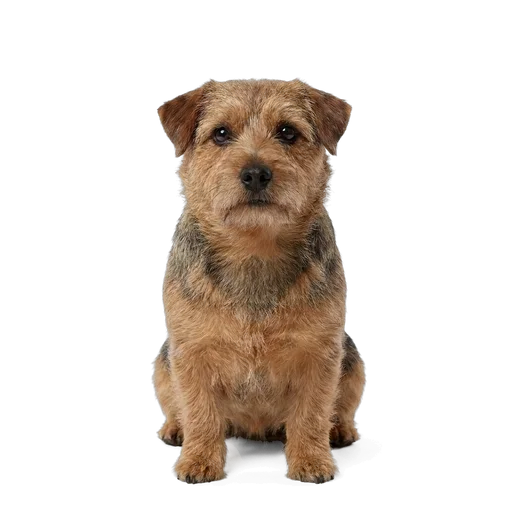
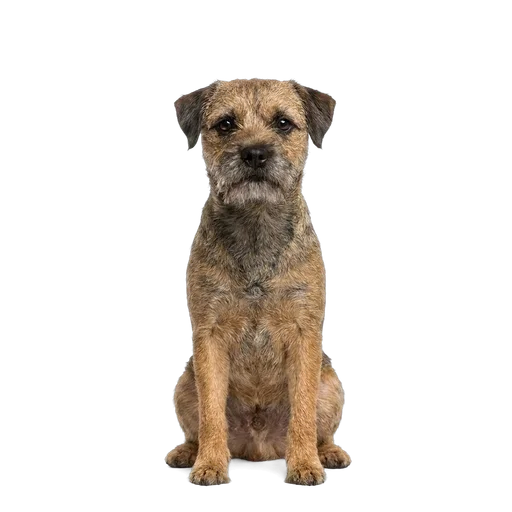
Deciding between similar breeds? Here is the Norwich Terrier next to Norfolk Terrier and Border Terrier.
| Norwich Terrier | Norfolk Terrier | Border Terrier | |
|---|---|---|---|
| Size | Small | Small | Small |
| Weight | 5-5 kg | 5-5 kg | 5-7 kg |
| Lifespan | 12-15 yrs | 12-15 yrs | 12-15 yrs |
| Activity | Active | Moderate | Active |
| Shedding | Low | Low | Low |
| Good with kids | Yes | Yes | Yes |
| Apartment-friendly | Yes | Yes | Yes |
Frequently asked questions
What is the difference between a Norwich and a Norfolk Terrier?
The two breeds are close cousins and were once registered together. The giveaway is the ears: the Norwich has upright pointed prick ears, while the Norfolk has folded drop ears. Both are small, game and sociable, with the Norwich often seen as the slightly bolder, livelier of the pair.
Are Norwich Terriers good family dogs?
Yes. They are affectionate, hardy and playful, and they thrive on being part of family life. They suit households with children provided youngsters are taught to handle them gently, and their small, sturdy build makes them a manageable size for many homes.
Do Norwich Terriers bark a lot?
They can be vocal. As alert little terriers they will announce visitors and unusual sounds, which makes them handy watchdogs but can become excessive without guidance. Consistent training from puppyhood and enough mental and physical exercise keep the barking in check.
How much exercise does a Norwich Terrier need?
They are active for their size and appreciate around an hour a day of walking, play and sniffing, split across the day. They enjoy exploring and games that engage their minds. After a good outing they are content to relax at home, but a bored Norwich can turn mischievous.
Is the Norwich Terrier prone to breathing problems?
The breed has a recognized upper airway syndrome that can cause noisy breathing and reduced exercise tolerance, ranging from mild to serious. Keeping your dog at a lean weight helps, and any persistent noisy or laboured breathing should be checked by a vet, as management and treatment options are available.
Related breeds
Health and care information is drawn from established veterinary sources and is general guidance, not veterinary advice. See our sources
Keep records for your Norwich Terrier
Vaccinations, food and treat safety, allergy alerts and parasite reminders - all tracked for your Norwich Terrier in the Pethls app.