

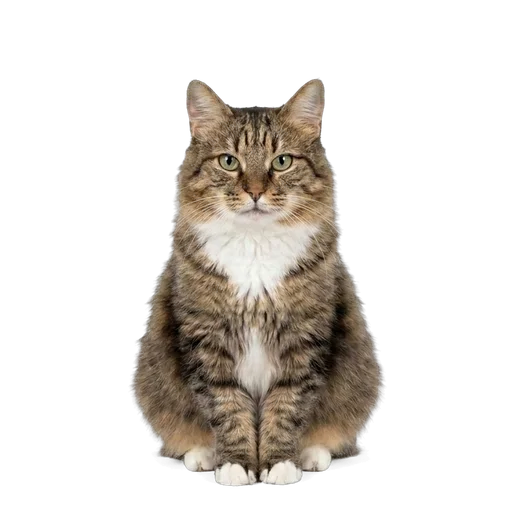
Origin: United States
American Bobtail
Get reminders for your American Bobtail's vaccines
Vaccination and parasite reminders, food-safety scans and health records — free to start in the Pethls app.


Good for
The American Bobtail is the friendly, adaptable cat behind the stubby tail. Sturdy and athletic, with a short tail that runs about one-third to one-half the length of a normal cat's tail, this US breed was developed for personality as much as looks. Owners often describe them as dog-like: sociable, playful, and happy to greet visitors rather than hide from them. They travel well, settle into busy family homes easily, and tend to stay engaged with people well into adulthood.
Temperament & personality
American Bobtails are outgoing, people-oriented cats that like to be in the middle of family life. They are playful without being frantic, and many keep a kittenish streak for years, happily chasing a toy or learning to fetch. The dog-like label comes up again and again because they greet people at the door and often walk on a leash.
Adaptability is a defining trait. This breed copes with change better than most cats, which is why they show up as travel companions and even as therapy cats. A move, a new routine, or a road trip tends to rattle them less than it would a more sensitive breed.
That easygoing nature makes them a strong pick for homes with children, dogs, or other cats. They are affectionate and interactive but not usually clingy or loud, striking a nice balance between lap-cat and independent temperaments. Give them company and a bit of play and they thrive.
Vaccination schedule
Kittens begin the core FVRCP vaccine (feline viral rhinotracheitis, calicivirus, and panleukopenia) at around 6 to 8 weeks, followed by boosters every 3 to 4 weeks until they are at least 16 weeks old. Completing the whole series is what builds reliable protection, so keep the later appointments even when the kitten looks fine.
Rabies is given once between 12 and 16 weeks, then renewed on a 1-year or 3-year schedule set by the vaccine and your local rules. Because American Bobtails often travel and go outdoors on a harness, rabies coverage is a practical need for this breed; even a leashed cat can meet wildlife or a stray outdoors.
For cats with outdoor access or contact with cats of unknown health status, the feline leukemia (FeLV) vaccine is advised, particularly through the first year. Discuss with your vet whether an indoor-only adult still benefits, and keep an up-to-date record so nothing lapses.
Best food & diet
Feed a complete, balanced cat food built around named animal protein, and match the portion to your cat's ideal weight and activity level. Kittens need a growth formula for roughly the first year, then a steady transition to an adult diet. American Bobtails are muscular cats, so aim for lean and toned rather than heavy.
Keeping this breed lean protects the hips and joints, which matters since hip dysplasia can occasionally turn up in cats and extra weight only adds strain. Weigh out meals rather than leaving food down all day, and use interactive or puzzle feeders to burn a little energy and satisfy their playful side at mealtime.
Fresh water should be available around the clock, and a fountain or wide bowl often encourages better drinking. Change diets gradually over a week or so to protect the gut, and check body condition monthly by running your hands over the ribs and waist, which tells you more than the scale.
Common health problems
The good news about the American Bobtail's tail is that it comes from a different gene than the Manx cat's. The short tail here is generally trouble-free and is not linked to the spinal problems seen in Manx cats. Even so, responsible breeding still matters, and reputable breeders avoid pairings that could produce spinal defects.
Because the breed carries a bobtail mutation, one rare condition worth knowing about is Manx-type syndrome, a spectrum of spinal and rear-end problems that can appear when tailless genetics go wrong. It is very uncommon in well-bred Bobtails, which is why it pays to buy from a breeder who screens their lines rather than one chasing the shortest possible tail.
Hip dysplasia can also occur, as it can in cats generally, showing up as stiffness, reluctance to jump, or a change in gait as the cat ages. Keeping the cat lean is the single most useful thing an owner can do to reduce joint strain. Book a vet check if you notice limping, difficulty using the litter box, or dragging of the back legs.
Allergies & skin
American Bobtails are not hypoallergenic. Like all cats they make the Fel d 1 allergen found in saliva and dander, and their dense short or medium double coat sheds like any other, so they are not suited to someone with a confirmed cat allergy.
Their skin is usually healthy and unfussy. The most frequent cause of itching is flea bites, followed by food or environmental allergies that appear as over-grooming, scabbing, or thinning fur, often around the neck and tail base. Reliable flea control clears up the most common trigger by itself.
If a Bobtail is scratching persistently, licking one area bare, or developing sore spots, get it checked, because flea, food, and environmental allergies look similar but need different treatment. Weekly brushing doubles as a skin check, letting you catch redness or flakes early.
Flea, tick & worm prevention
Bobtails that travel or go outside pick up more parasites, so year-round prevention pays off. Always use a flea and tick treatment labeled for cats. Dog products containing permethrin must never go on a cat; permethrin is severely toxic to cats and can trigger tremors, seizures, and death.
Worming should match the cat's lifestyle. A hunter or an outdoor roamer usually needs worming every 3 months, partly because fleas spread tapeworm, while a strictly indoor cat needs it less often. Your vet can pick the right wormer and schedule for your situation.
Treat every pet in the home on the same timetable, or an untreated animal keeps fleas cycling through the house. After outdoor trips, check the coat for ticks, especially around the head, neck, and ears, and remove any you find with a tick tool by pulling straight out.
Medications & dosing
All cat medicines are dosed by body weight, so an accurate weight from the vet is the starting point for any prescription. Never assume a dose or borrow a product meant for a dog; even the right drug at the wrong dose can harm a cat.
Several substances that are fine for dogs or humans are toxic to cats. Paracetamol (acetaminophen) can kill a cat, and many over-the-counter pain relievers and dog flea products are unsafe for felines. Give only what your vet has prescribed for this individual cat.
Complete the full course of any antibiotic even once symptoms fade, and check with your vet before mixing medications or supplements. If dosing is a battle, ask about flavored liquids, transdermal options, or pill pockets to make it easier on both of you.
Grooming & coat care
The American Bobtail comes in short and medium coat lengths, both fairly easy to care for. A weekly brushing keeps loose hair and shedding in check and helps you keep tabs on the skin; medium coats may need a second session during heavy seasonal molts in spring and autumn.
The short tail needs no special grooming, but it is worth a gentle look now and then to make sure the base stays clean and comfortable. Otherwise, standard care applies: keep an eye out for mats behind the legs on longer-coated cats.
Fill out the routine with the essentials. Trim the nails every couple of weeks, brush the teeth regularly to prevent dental disease, and check the ears and eyes for discharge. This breed's easygoing temperament usually makes grooming a calm, cooperative affair, especially if you start early.
How the American Bobtail compares
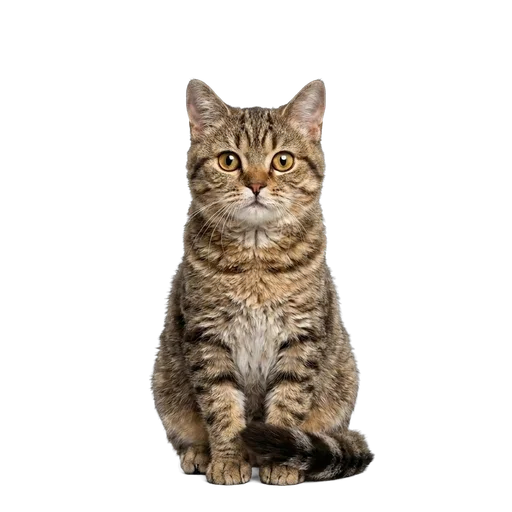
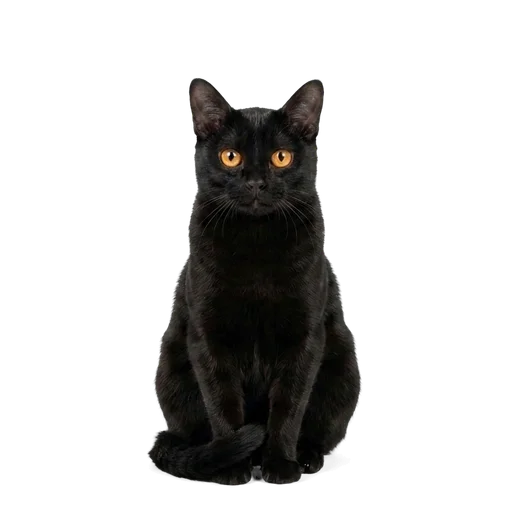
Deciding between similar breeds? Here is the American Bobtail next to American Wirehair and Bombay.
| American Bobtail | American Wirehair | Bombay | |
|---|---|---|---|
| Size | Medium | Medium | Medium |
| Weight | 3-7 kg | 3-7 kg | 3-5 kg |
| Lifespan | 13-15 yrs | 12-18 yrs | 12-16 yrs |
| Activity | Moderate | Moderate | Moderate |
| Shedding | Medium | Low | Low |
| Good with kids | Yes | Yes | Yes |
| Apartment-friendly | Yes | Yes | Yes |
Frequently asked questions
Is the American Bobtail related to the Manx cat?
No. Their short tails come from different genes. The American Bobtail's tail mutation is separate from the Manx gene and is generally not tied to the spinal problems seen in tailless Manx cats. Responsible breeding still matters, but the two breeds are not the same genetically.
How long is an American Bobtail's tail?
It varies a lot. A Bobtail's tail is usually about one-third to one-half the length of a normal cat's tail, and every cat's is a little different. Some are barely a nub while others are longer. A completely absent tail is not typical and can be a red flag in breeding.
Are American Bobtails good family cats?
They are one of the more family-friendly breeds. Their adaptable, sociable, playful nature suits homes with children, dogs, and other cats, and they handle change and travel better than most. As always, supervise young children and give the cat a quiet place to retreat to.
Do American Bobtails really act like dogs?
Many do. They often greet people at the door, play fetch, and take to leash walking, and they tend to bond closely with their family. That dog-like sociability, combined with their calm adaptability, is a big part of why the breed is popular.
What health problems should American Bobtail owners watch for?
The two to keep in mind are hip dysplasia and, less commonly, Manx-type spinal issues from the bobtail gene, both of which are uncommon in this breed. Buying from a breeder who screens their lines lowers the risk, and keeping your cat lean is the best day-to-day protection for the hips and joints.
Related breeds
Health and care information is drawn from established veterinary sources and is general guidance, not veterinary advice. See our sources
Keep records for your American Bobtail
Vaccinations, food and treat safety, allergy alerts and parasite reminders - all tracked for your American Bobtail in the Pethls app.