

Origin: United States
Bombay
Get reminders for your Bombay's vaccines
Vaccination and parasite reminders, food-safety scans and health records — free to start in the Pethls app.


Good for
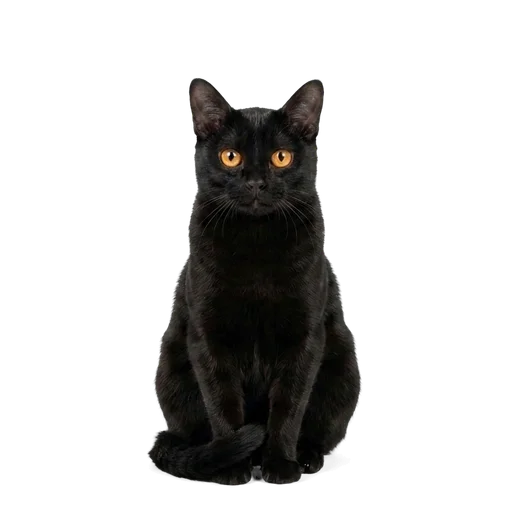
People call the Bombay a mini panther, and the nickname fits. This is a muscular medium cat with a short, satiny jet-black coat and round copper eyes, developed in the United States by crossing sable Burmese with black American Shorthairs. Bombays weigh roughly 3 to 5 kg and often live 12 to 16 years. They are among the most people-oriented cats you will meet: chatty, affectionate, and quick to claim a warm lap. The Burmese ancestry gives them a slightly shorter muzzle than most shorthairs. It stays moderate, but it can bring a mild form of brachycephalic airway syndrome in some cats, so noisy breathing and eye care are both worth keeping an eye on.
Temperament & personality
Bombays want to be part of whatever you are doing. They follow owners from room to room, greet visitors instead of hiding, and tend to pick one person as a favorite while still being warm with the whole household. Expect a cat that talks back, plays fetch, and expects a response when it comments on your day.
The playful streak lasts well past kittenhood. A Bombay will chase a wand toy, learn to open a cupboard it has decided is interesting, and settle down for cuddles once the energy is spent. That combination of easy affection and low drama makes them a solid fit for first-time owners.
They are social with children who handle them gently and usually get along with other cats and cat-friendly dogs. Bombays dislike being left alone for long stretches. If your days are long, a second pet or plenty of interactive play helps prevent boredom and the attention-seeking behavior that comes with it.
Vaccination schedule
Kittens start the core FVRCP vaccine (feline viral rhinotracheitis, calicivirus, and panleukopenia) at 6 to 8 weeks, with boosters every 3 to 4 weeks until they are at least 16 weeks old. This series matters because maternal antibodies fade at different rates, and a single early shot does not reliably protect.
Rabies is given once between 12 and 16 weeks, then boosted according to the product label and local law, either yearly or every three years. FVRCP moves to a booster one year later, then every one to three years based on your vet's risk assessment.
FeLV (feline leukemia) vaccination is strongly recommended for any Bombay with outdoor access or exposure to cats of unknown status. Even indoor-only Bombays benefit from the initial kitten FeLV series, since living situations change. Bring vaccine records to every visit so boosters are not missed or doubled up.
Best food & diet
Bombays do well on a complete, species-appropriate cat food with named animal protein as the first ingredient and moderate fat. Because they gain weight easily, measure meals and do not leave the bowl always full.
This breed has a real tendency toward obesity, and carrying too much weight strains the heart and joints. Weigh your cat every month or two, feel for a waist and easily palpable ribs, and adjust portions before a little extra weight turns into true obesity. Wet food helps with hydration and satiety.
Some Bombays react to common proteins. If you see itching, ear inflammation, or loose stool, talk to your vet about a diet trial. Fresh water should always be available, and treats should stay under about 10 percent of daily calories.
Common health problems
The Burmese-type muzzle gives some Bombays a mild form of brachycephalic airway syndrome: they may snore a little or breathe noisily after hard play. It is usually mild in this breed rather than the severe airway disease seen in flat-faced cats, but it is worth watching, and any open-mouth breathing, blue-tinged gums, or breathing distress is an emergency that needs a vet at once. Excessive tearing and eye staining also turn up in some Bombays, so keep the eye corners clean.
Hypertrophic cardiomyopathy (HCM), a thickening of the heart muscle, is the most significant inherited concern in the breed. It can be silent until advanced, so ask your vet about listening for murmurs or gallops and consider periodic cardiac screening, especially in breeding lines. Early detection allows treatment that improves comfort and lifespan.
Like most cats, Bombays can occasionally develop dental disease and gingivitis over time, and combined with the weight tendency, oral care is worth building into the routine. Yearly exams, dental checks, and body-condition scoring catch most problems early, while they are still cheap and easy to manage.
Allergies & skin
Bombays sometimes run into food-related allergies, with beef, chicken, and dairy among the more common triggers. Signs show up as itchy skin, overgrooming, recurrent ear infections, or digestive upset rather than sneezing. A vet-guided elimination diet over 8 to 12 weeks is the reliable way to identify the culprit.
Environmental allergens matter too. Dust mites are a known trigger, so wash bedding weekly in hot water, vacuum often, and keep the sleeping area clean. Flea allergy dermatitis is another cause of itching, which is one more reason to keep parasite prevention current year-round.
The dark, close coat makes flaky skin and scratch marks easy to spot. If you notice bald patches, scabs, or constant licking, book a visit sooner rather than later.
Flea, tick & worm prevention
Use only cat-labeled parasite products. Never apply a dog flea or tick treatment to a Bombay: many dog spot-ons contain permethrin, which is severely toxic and often fatal to cats. If a product does not clearly say it is safe for cats, do not use it.
A monthly vet-recommended flea preventive keeps infestations and flea allergy dermatitis in check, and it matters even for indoor cats since fleas hitchhike on clothing and other pets. In tick areas, choose a product that also covers ticks. Your vet can match the option to your cat's weight and lifestyle.
Worming should follow your vet's schedule, typically every 3 months for most adult cats, more often for kittens or hunters. Many modern combination products handle fleas plus common intestinal worms in one dose, which simplifies the routine. Where feline heartworm is a local risk, your vet may add heartworm-related coverage, so ask what your area calls for.
Medications & dosing
Cat medications are dosed by body weight, so an accurate current weight is essential before anything is given. A dose that suits a 5 kg cat can overdose a 3 kg one. Weigh at the clinic or on a home scale and update the number as your cat's weight changes.
Never give human painkillers. Paracetamol (acetaminophen) is lethal to cats even in tiny amounts, and ibuprofen and aspirin are dangerous without veterinary direction. Always confirm any drug, dose, and frequency with your vet, and finish prescribed courses even if your cat seems better.
If a Bombay is diagnosed with HCM or a breathing issue, it may need long-term medication. Keep a simple log of what is given and when, watch for side effects like lethargy or appetite loss, and never adjust a cardiac dose on your own. Report changes promptly so the plan can be tuned.
Grooming & coat care
Grooming a Bombay is genuinely easy. The short, close, satiny coat sheds little and rarely mats. A weekly wipe with a soft cloth or a rubber grooming glove removes loose hairs and brings out the mirror shine the breed is known for.
For any tearing or eye staining, gently wipe the eye corners with a damp cloth to prevent buildup. Check ears for wax, and keep nails trimmed every couple of weeks. Introduce toothbrushing early, since dental disease is common in cats generally.
Bathing is seldom needed. The main grooming payoff is the routine handling itself: a weekly once-over lets you catch weight gain, skin changes, dental tartar, or eye trouble before they turn into vet visits.
How the Bombay compares
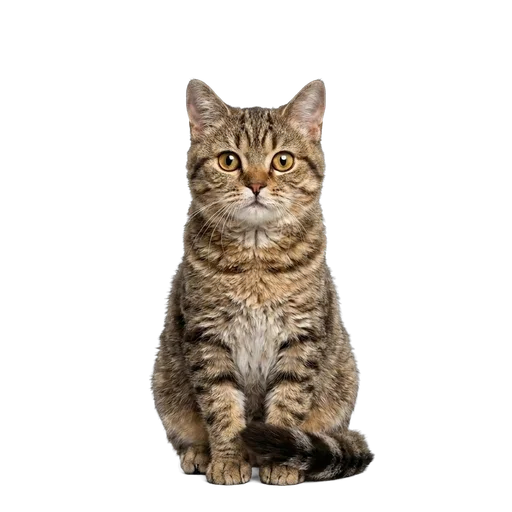
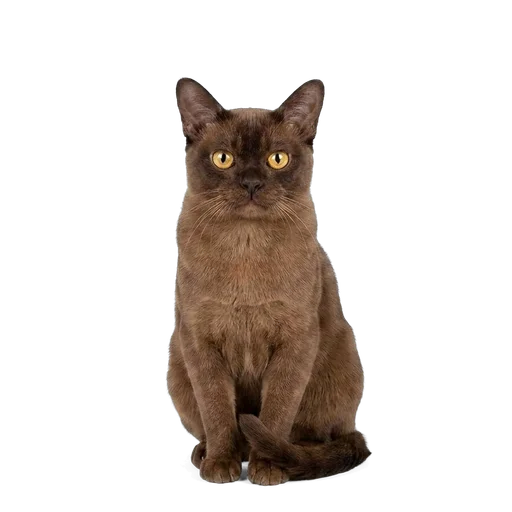
Deciding between similar breeds? Here is the Bombay next to American Wirehair and Burmese.
| Bombay | American Wirehair | Burmese | |
|---|---|---|---|
| Size | Medium | Medium | Medium |
| Weight | 3-5 kg | 3-7 kg | 3.5-6 kg |
| Lifespan | 12-16 yrs | 12-18 yrs | 15-18 yrs |
| Activity | Moderate | Moderate | Moderate |
| Shedding | Low | Low | Low |
| Good with kids | Yes | Yes | Yes |
| Apartment-friendly | Yes | Yes | Yes |
Frequently asked questions
Are Bombay cats hypoallergenic?
No. The Bombay is not hypoallergenic. It sheds lightly, but it still produces the Fel d 1 protein in saliva and skin that triggers most cat allergies. Regular cleaning and washing bedding can reduce exposure, but no cat is truly allergy-free.
Do Bombay cats have breathing problems?
Some do. The Burmese ancestry gives the Bombay a slightly shorter muzzle, so a few cats snore mildly or tear at the eyes more than most, but this is usually minor rather than a true airway condition. Even so, open-mouth breathing or distress is an emergency and needs a vet immediately.
How much should a Bombay cat weigh?
A healthy adult Bombay typically weighs 3 to 5 kg. They gain weight easily, so measure meals, skip free-feeding, and check monthly that you can feel the ribs and see a waist. Extra weight strains the heart and joints, so keep them lean.
Are Bombay cats good for first-time owners?
Yes. Bombays are affectionate, social, and low-maintenance to groom, which suits beginners well. They do need company and interactive play, so they fit best in homes where someone is around or where a second pet keeps them busy.
Do Bombay cats get along with children and other pets?
Generally yes. Bombays are playful and people-oriented, and they usually do well with gentle children, other cats, and cat-friendly dogs, especially when introductions are calm and gradual. Supervise young kids to keep handling gentle.
Related breeds
Health and care information is drawn from established veterinary sources and is general guidance, not veterinary advice. See our sources
Keep records for your Bombay
Vaccinations, food and treat safety, allergy alerts and parasite reminders - all tracked for your Bombay in the Pethls app.