

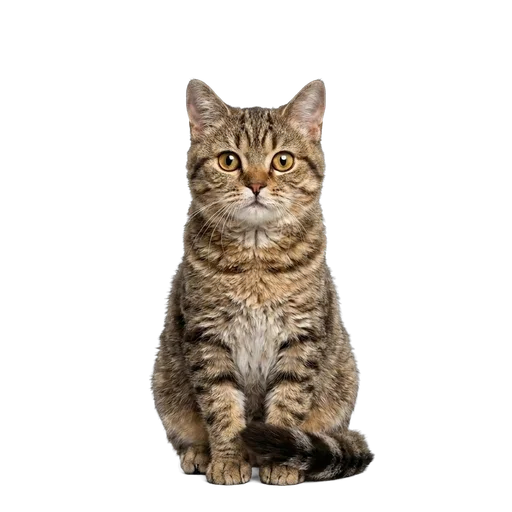
Origin: United States
American Wirehair
Get reminders for your American Wirehair's vaccines
Vaccination and parasite reminders, food-safety scans and health records — free to start in the Pethls app.


Good for
The American Wirehair is one of the rarest cat breeds in the world, and it is named for its coat. A spontaneous mutation in an upstate New York farm litter in 1966 produced a springy, crimped, wiry coat unlike any other cat, and even the whiskers are often curled. Underneath that unusual fur is an active, good-natured cat that fits family life easily. Wirehairs are affectionate and playful, and they are famously tolerant of a busy household.
Temperament & personality
American Wirehairs are active but adaptable cats that are simple to live with. They enjoy a good play session and take a keen interest in their surroundings, yet they are not high-strung or demanding. Most settle happily into whatever rhythm the household keeps.
This breed is affectionate without being needy. A Wirehair will keep you company, join in a game, then settle on a comfortable perch to watch the room. They tend to attach to the whole family rather than fixating on one person.
Their tolerant nature is a real asset in a full house. They generally get along with children, other cats, and dogs, and they cope well with noise and activity. If you want a cat that is sociable and easy to have around, the Wirehair fits the description.
Vaccination schedule
Kittens start the core FVRCP vaccine (feline viral rhinotracheitis, calicivirus, and panleukopenia) at about 6 to 8 weeks, with boosters every 3 to 4 weeks until they reach at least 16 weeks of age. The full series is what creates dependable immunity, so keep every booster appointment even if the kitten seems perfectly well.
Rabies is given once between 12 and 16 weeks, then renewed every 1 to 3 years depending on the vaccine and local law. Even for a mostly indoor cat, rabies is often legally required and worth keeping current.
The feline leukemia (FeLV) vaccine is recommended for cats that go outdoors or meet cats of unknown status, especially in the first year of life. Most American Wirehairs live as indoor family cats, so an adult's ongoing FeLV cover comes down to its actual lifestyle. Keep vaccine records handy for every visit.
Best food & diet
Feed a complete, balanced cat food led by a named meat protein, and portion it to your cat's ideal weight. Kittens need a growth formula for the first year or so before moving to an adult diet. There is nothing about the wiry coat that calls for a special diet; good general nutrition keeps both skin and fur in good shape.
Indoor cats gain weight easily if they free-feed. Measure meals rather than topping up a bowl all day, and add a little play or a puzzle feeder to keep an active cat moving.
Keep fresh water available at all times, since good hydration supports the urinary tract and overall health. Introduce any new food over 7 to 10 days to avoid stomach upset, and assess body condition by feeling the ribs and waist each month instead of relying only on the scale.
Common health problems
The American Wirehair is a hardy, long-lived breed, often reaching the mid-to-late teens with good care. There is no long list of breed-specific diseases, which is part of what makes them a low-worry companion for many families.
The one condition worth screening for is hypertrophic cardiomyopathy (HCM), a thickening of the heart muscle that affects many cat breeds. Responsible breeders often have breeding cats screened, and a vet can listen for a murmur or an abnormal rhythm at routine checkups. Early signs at home can include faster breathing, lethargy, or reduced appetite, all worth a checkup since they can be early hints of a heart problem.
Beyond the heart, the usual feline priorities apply: dental care and weight control do more for long-term health than almost anything else.
Allergies & skin
Despite the unusual coat, American Wirehairs are not hypoallergenic. They produce the same Fel d 1 allergen as other cats, so the wiry fur offers no special relief for allergy sufferers. Anyone with a diagnosed cat allergy should spend time around the breed before committing.
Cats can also build up ear wax over time, so include gentle ear checks in the routine.
As with any cat, flea bites are the leading cause of itching, ahead of food and environmental allergies. Over-grooming, scabs, or bald patches on the skin are worth a vet visit rather than guesswork, since the wiry coat can make skin changes harder to spot at a glance.
Flea, tick & worm prevention
Even a mostly indoor American Wirehair needs parasite prevention, since fleas hitch a ride indoors on people and other pets. Only use flea and tick products licensed for cats. Never apply a dog spot-on containing permethrin to a cat; permethrin is highly toxic to cats and can cause tremors, seizures, and death.
Worming frequency depends on lifestyle. A strictly indoor cat needs worming less often than one that hunts or goes outside, but every cat should be on a routine because fleas transmit tapeworm. A cat-licensed product and a sensible interval keep it simple.
If you have several pets, treat them all on the same schedule so one untreated animal does not keep fleas cycling through the home. Should your cat go outdoors, check the coat for ticks afterward and remove any with a proper tick tool, pulling straight out rather than crushing the body.
Medications & dosing
Cat medications are dosed by body weight, so start any treatment with an accurate weight from the vet rather than an estimate. Do not repurpose a dog's medication or guess a dose; the wrong amount of even the right drug can be dangerous for a cat.
Some things that are safe for dogs and people are toxic to cats. Paracetamol (acetaminophen) can be fatal, and various over-the-counter pain relievers and dog flea treatments are not cat-safe. Only give medication your vet has prescribed for this particular cat.
Always finish a full course of antibiotics, even after your cat perks up, and confirm any new combination of products is safe before giving them together. If pills are difficult, flavored liquid formulations or pill pockets can help; the Wirehair's tolerant temperament usually makes dosing easier than with a more reactive breed.
Grooming & coat care
The wiry coat is genuinely low-maintenance, and the key rule is counterintuitive: do not over-brush it. Aggressive or frequent brushing can damage the springy, crimped texture that defines the breed. A gentle groom now and then to remove loose hair is all most Wirehairs need.
Since brushing has to stay gentle, an occasional bath is the better way to lift loose hair and keep the coat and skin fresh without stripping its character. Bathe only when the coat looks dull or grimy, use a cat-appropriate shampoo, then let the coat dry naturally to preserve the crimp.
Round out care with the basics every cat needs: trim the nails every couple of weeks, brush the teeth regularly to protect against dental disease, and check the ears and clean away wax as needed, as with any cat. A quick weekly once-over keeps the coat, skin, and ears in good order without overdoing it.
How the American Wirehair compares
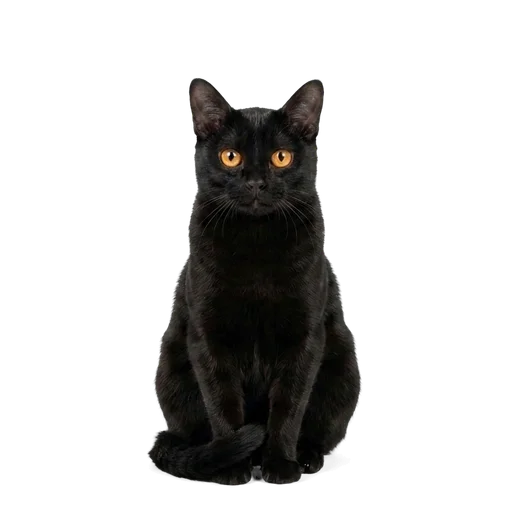
Deciding between similar breeds? Here is the American Wirehair next to Bombay and American Bobtail.
| American Wirehair | Bombay | American Bobtail | |
|---|---|---|---|
| Size | Medium | Medium | Medium |
| Weight | 3-7 kg | 3-5 kg | 3-7 kg |
| Lifespan | 12-18 yrs | 12-16 yrs | 13-15 yrs |
| Activity | Moderate | Moderate | Moderate |
| Shedding | Low | Low | Medium |
| Good with kids | Yes | Yes | Yes |
| Apartment-friendly | Yes | Yes | Yes |
Frequently asked questions
What makes the American Wirehair's coat different?
A spontaneous genetic mutation gives the breed a springy, crimped, wiry coat, with hairs that are hooked or bent rather than straight. Even the whiskers are often curled. It appeared in a single upstate New York farm litter in 1966, and every American Wirehair traces back to that mutation.
How should I groom a wiry coat?
Gently and not too often. Over-brushing can damage the coat's distinctive crimp, so a light groom to lift loose hair is enough. Since brushing has to stay gentle, an occasional bath when the coat looks dull or grimy is the better way to freshen it. Keep baths rare and use a cat-safe shampoo.
Are American Wirehairs rare?
Yes, they are one of the rarest cat breeds in the world. The breed descends from a single mutation and has stayed small in numbers, so finding a kitten often means waiting for a reputable breeder rather than choosing on demand.
Are American Wirehairs healthy cats?
On the whole, yes. They are a hardy, long-lived breed, frequently living into their mid-to-late teens. The main thing worth screening for is hypertrophic cardiomyopathy (HCM), a heart condition seen across many breeds, so buying from a breeder who screens for it is wise.
Are American Wirehairs good with children and other pets?
They tend to be. The breed is known for a tolerant, easygoing temperament that copes well with children, dogs, and other cats, and with the general noise of family life. Supervise interactions with young children and give the cat a quiet spot of its own.
Related breeds
Health and care information is drawn from established veterinary sources and is general guidance, not veterinary advice. See our sources
Keep records for your American Wirehair
Vaccinations, food and treat safety, allergy alerts and parasite reminders - all tracked for your American Wirehair in the Pethls app.