

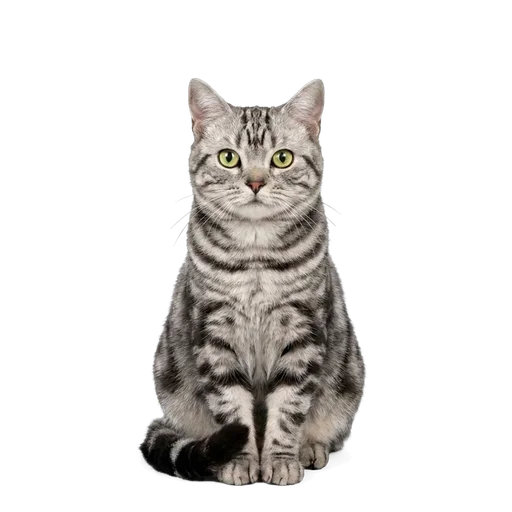
Origin: United States
American Shorthair
Get reminders for your American Shorthair's vaccines
Vaccination and parasite reminders, food-safety scans and health records — free to start in the Pethls app.


Good for
The American Shorthair is the cat most people picture when they think of a solid, uncomplicated house cat. It descends from working cats that came over on European ships and earned their keep controlling rodents, and that hardy, practical background still shows in the breed's build and easy temperament. Expect a medium, muscular cat weighing roughly 3.5 to 7 kg, with a dense short coat and a lifespan that typically runs 15 to 20 years. They are friendly without being demanding, playful without being frantic, and they slot into busy households with kids and other pets about as smoothly as any cat can. The single thing you have to stay on top of is the waistline, because this breed puts on weight easily.
Temperament & personality
American Shorthairs are the definition of even-tempered. They enjoy company and will follow you room to room, but they are just as content to nap on a sunny windowsill while you work. This is not a lap cat that insists on being held for hours, and it is not an aloof cat that vanishes when guests arrive. It sits comfortably in the middle, which is exactly why the breed has such a long track record as a family cat.
They keep a playful streak well into adulthood. A feather wand, a crinkle ball, or a puzzle feeder will get a middle-aged American Shorthair up and moving, and that matters more than it sounds because play is your best tool against the breed's weight problem. Kittens are busy and curious. Adults settle into a calmer rhythm but still appreciate a daily burst of activity.
Socially they are forgiving. They tolerate handling from children, adjust to a new dog with time, and rarely hold a grudge. First-time cat owners do well with this breed precisely because it does not demand a lot of reading between the lines. What you see is roughly what you get.
Vaccination schedule
The core vaccine for cats is FVRCP, which covers feline viral rhinotracheitis, calicivirus, and panleukopenia. Kittens start the series at 6 to 8 weeks and get boosters every 3 to 4 weeks until they are at least 16 weeks old. Skipping the final booster leaves gaps in immunity, so finish the full series even if the kitten seems healthy.
Rabies is given once between 12 and 16 weeks, then boosted according to the product used and local law, which is usually every 1 to 3 years. FeLV (feline leukemia) vaccination matters most for cats that go outdoors or live with cats of unknown status. The American Association of Feline Practitioners recommends FeLV for all kittens, then continuing it based on lifestyle. An indoor-only adult with no exposure risk may not need ongoing FeLV boosters, and that is a conversation to have with your vet.
After the kitten series, most adults move to an FVRCP booster every 1 to 3 years depending on the vaccine and risk profile. Keep a written record, because a long-lived breed like this will accumulate many years of history and it is easy to lose track.
Best food & diet
Portion control is the whole game with this breed. American Shorthairs gain weight quietly, and an extra 10 percent of body weight on a cat is a much bigger deal than it looks. Feed a complete, life-stage-appropriate food, measure the portions with an actual scoop or scale rather than free-pouring, and weigh your cat every couple of months so you catch creep early.
Cats are obligate carnivores, so look for a food built around named animal protein. Wet food helps with both hydration and satiety, which is useful for a breed that tends to overeat dry kibble out of boredom. Many owners do well with a measured wet-and-dry combination and a set feeding schedule instead of leaving a bowl out all day.
This breed's common allergens include beef, chicken, salmon, and dairy, so if you see itching, ear trouble, or digestive upset, a food ingredient may be involved. Skip the milk bowl. Cats do not need dairy, and many are lactose intolerant. Fresh water should always be available, and a water fountain often nudges a lazy drinker to take in more.
Common health problems
Obesity is the practical number one issue and it feeds into everything else. A heavy American Shorthair is at higher risk for diabetes, joint strain, and reduced lifespan, so keeping this cat lean is the most valuable health decision you make. You should be able to feel the ribs under a thin layer of fat and see a slight waist from above.
Hypertrophic cardiomyopathy (HCM) is the most common heart disease in cats and is seen in this breed. It thickens the heart muscle and can progress silently before causing trouble. Your vet may pick up a murmur or gallop on a routine exam, and an echocardiogram is the way to confirm it. Catching it early lets you manage it before a crisis like a blood clot or heart failure.
Beyond obesity and HCM, the American Shorthair is genuinely hardy, with no long list of breed-specific problems. Keeping the cat lean does most of the heavy lifting, since excess weight is what turns minor issues like joint stiffness or reluctance to jump into real ones. Annual exams, moving to twice a year once the cat is past about 10, catch most issues while they are still manageable.
Allergies & skin
Food allergies in this breed most often trace back to common proteins, and beef, chicken, and salmon are the usual suspects, along with dairy. The signs are rarely dramatic sneezing. Instead you get itchy skin, overgrooming, scabs around the head and neck, or recurring ear inflammation. Because these overlap with flea allergy and environmental allergy, sorting it out takes a methodical elimination diet run past your vet, not guesswork with the food aisle.
Environmental triggers matter as well. Dust mites are a documented allergen for this breed, and they concentrate in bedding and carpet. Washing the cat's bedding weekly in hot water and keeping dust down helps more than people expect.
The dense short coat can hide skin problems, so part the fur now and then and check for redness, flaking, or flea dirt. Any bald patch from overgrooming is a signal to investigate rather than ignore, because cats groom away discomfort long before an owner notices the underlying cause.
Flea, tick & worm prevention
Use only products labeled for cats. This is not a minor detail. Permethrin, common in dog flea treatments, is toxic to cats and can cause tremors, seizures, and death. Never apply a dog product to your American Shorthair, and if you have both a dog and a cat, keep the treated dog separated until the application has dried.
Even indoor cats need parasite coverage, because fleas ride in on people and other pets and a single flea allergy flare-up is miserable. A monthly cat-safe topical or an oral product keeps fleas and, where relevant, ticks under control. Your vet will match the product to your cat's weight and your regional risk.
Worming is part of the same routine. Kittens are dewormed on a schedule starting a few weeks old, and adults are treated based on lifestyle and a periodic fecal check. Roundworms and tapeworms are the usual ones, and tapeworm often travels with fleas, so good flea control does double duty.
Medications & dosing
Cat medication is dosed by body weight, which is one more reason to know your American Shorthair's actual weight rather than a guess. A dose calculated for a lean 5 kg cat is wrong for a 7 kg one, and the margin for error in cats is narrower than in dogs because of how their livers process certain drugs.
Never give human medications on your own. Paracetamol (acetaminophen) is lethal to cats even in small amounts, and ibuprofen and many other over-the-counter drugs are dangerous. If you think your cat is in pain, that is a call to the vet, not a trip to the medicine cabinet.
For any prescription, finish the full course, keep to the timing, and ask your vet how to give it, since pilling a cat is a skill. If a heart condition like HCM is diagnosed, medication is lifelong and consistency matters, so build it into a daily routine and track doses so nothing gets missed or doubled.
Grooming & coat care
Grooming an American Shorthair is refreshingly light. The short, dense coat needs a brush about once a week to pull out loose hair and cut down on shedding and hairballs. During spring and autumn coat changes you may want to brush more often, because the coat sheds in bigger volume then.
Weekly brushing also gives you a routine moment to run your hands over the cat and check for lumps, mats, fleas, or sore spots. It doubles as bonding time, and most American Shorthairs tolerate or even enjoy it.
Round it out with the basics: trim nails every couple of weeks, check ears for wax or debris, and get a toothbrushing habit going early, since dental disease is common in all cats and prevention beats treatment. Baths are rarely needed for this coat unless the cat gets into something.
How the American Shorthair compares
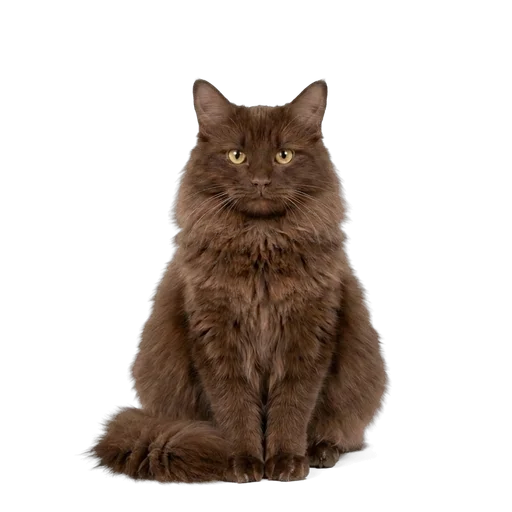
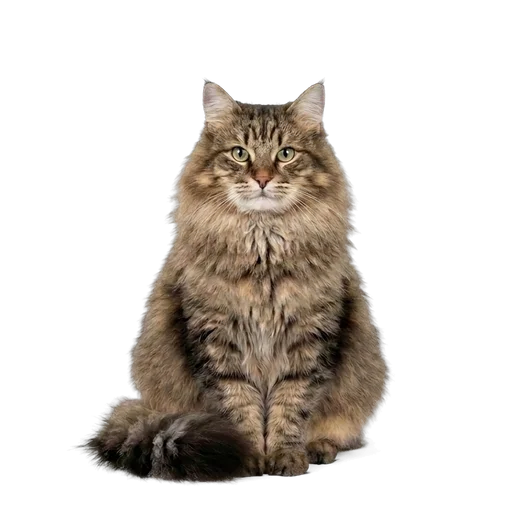
Deciding between similar breeds? Here is the American Shorthair next to York Chocolate and American Longhair.
| American Shorthair | York Chocolate | American Longhair | |
|---|---|---|---|
| Size | Medium | Medium | Medium |
| Weight | 3.5-7 kg | 4.5-7.5 kg | 3.5-7 kg |
| Lifespan | 15-20 yrs | 13-15 yrs | 12-17 yrs |
| Activity | Moderate | Moderate | Moderate |
| Shedding | Medium | Medium | High |
| Good with kids | Yes | Yes | Yes |
| Apartment-friendly | Yes | Yes | Yes |
Frequently asked questions
Are American Shorthairs good for first-time cat owners?
Yes. Their easygoing, adaptable nature and low grooming needs make them one of the more forgiving breeds to start with. The main thing a new owner has to manage is portion control, since the breed gains weight easily.
How long do American Shorthairs live?
Commonly 15 to 17 years. Keeping the cat lean, staying current on vaccines and parasite prevention, and screening for heart disease as they age all support that long lifespan.
Do American Shorthairs get along with dogs and children?
Generally yes. They tolerate handling from kids and adjust to other pets, including dogs, with a proper gradual introduction. Their steady temperament is a big part of why they are considered a classic family cat.
Are American Shorthairs hypoallergenic?
No. They produce the Fel d1 protein that triggers most cat allergies and they shed a moderate amount, so they are not a good match for allergy sufferers.
Why is my American Shorthair gaining weight?
This breed is prone to obesity and will overeat when food is left out. Measure portions, favor scheduled meals over free feeding, add daily play, and weigh the cat regularly. If weight keeps climbing despite that, have your vet rule out a medical cause.
Related breeds
Health and care information is drawn from established veterinary sources and is general guidance, not veterinary advice. See our sources
Keep records for your American Shorthair
Vaccinations, food and treat safety, allergy alerts and parasite reminders - all tracked for your American Shorthair in the Pethls app.