

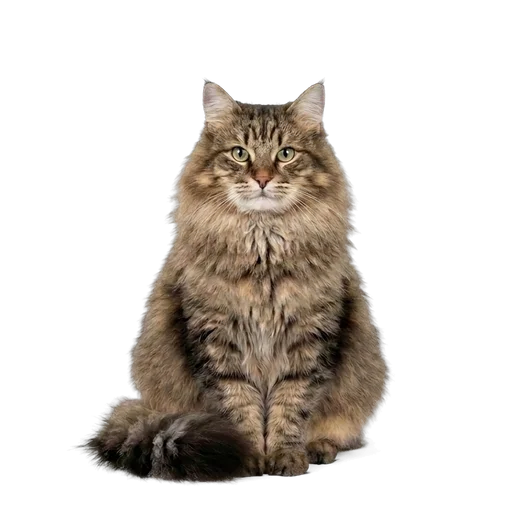
Origin: United States
American Longhair
Get reminders for your American Longhair's vaccines
Vaccination and parasite reminders, food-safety scans and health records — free to start in the Pethls app.


Good for
The American Longhair is, at heart, an American Shorthair wearing a winter coat all year round. It is worth knowing up front that "American Longhair" is not a breed recognized by the major registries (CFA, TICA, GCCF); the name is used informally for longhaired cats of American Shorthair ancestry, which the CFA registers as American Shorthairs and other bodies often class as domestic longhairs. Whatever the paperwork says, the temperament carries straight over from the Shorthair line: steady, friendly, and remarkably easy to live with. These are large cats, typically 3.5 to 7 kg, with a working-cat build under all that fur and a lifespan that commonly runs 12 to 17 years. If you want a family cat that handles noise, visitors, and schedule changes without drama, this type belongs on your shortlist. The trade-off is a dense double coat that asks for regular brushing and produces its fair share of hairballs.
Temperament & personality
The American Longhair is an easy cat to share a home with: friendly and playful without being demanding, and confident enough to greet a new dog or visitor rather than bolt under the bed. Descended from working farm and ship cats, they come from stock shaped by generations of practical life rather than the show ring, and a sensible, level nature tends to be the result. New babies, barking dogs next door, a move across town: most American Longhairs take it all in stride after a day or two of cautious observation.
They bond with the whole household rather than a single person. Expect a cat that follows the general flow of family life, naps in the busiest room, and shows up for dinner prep with polite interest. Many enjoy a lap in the evening but few demand one. They tend to greet guests rather than hide, which makes them a good match for social homes.
Play drive is real but measured. A feather wand session or two per day, a few puzzle feeders, and a window perch cover most of their enrichment needs. Their hunting instincts run deep, so households with pet birds or hamsters should keep enclosures secure. With respectful children and other cats or cat-friendly dogs, they usually settle into easy coexistence.
Vaccination schedule
Core protection for an American Longhair kitten starts with the FVRCP combination vaccine, which covers feline viral rhinotracheitis, calicivirus, and panleukopenia. The first dose is given at six to eight weeks of age, with boosters every three to four weeks until the kitten is at least 16 weeks old. That last dose matters: maternal antibodies can block earlier vaccines, so stopping the series too soon leaves a gap in protection.
Rabies vaccination is given once between 12 and 16 weeks, depending on the product your clinic uses and local law. Many US states and municipalities require it even for indoor-only cats, so check the rules where you live rather than assuming an indoor cat is exempt.
FeLV (feline leukemia virus) vaccination is recommended for kittens in their first year and for any adult cat with outdoor access or exposure to cats of unknown status. An American Longhair that lives strictly indoors as an adult may be able to skip FeLV boosters, but discuss this with your vet based on your actual household. For FVRCP, cats typically get one booster about a year after the kitten series, followed by a booster every three years for lower-risk cats, though some vets use annual boosters for higher-risk or outdoor cats depending on lifestyle and the product used; follow your vet's protocol and keep a record of the dates so nothing slips.
Best food & diet
Feed a complete diet that meets AAFCO standards for the cat's life stage, with animal protein listed first on the label. American Longhairs are sturdy, food-motivated cats, and the main dietary risk is overfeeding. A neutered adult of this breed often needs less food than the bag suggests, so measure meals rather than free-feeding, and weigh the cat monthly. You should be able to feel ribs under the coat with light pressure.
The long, dense coat means swallowed hair is a daily reality. A diet with adequate fiber helps move hair through the gut, and many owners rotate in a hairball-control formula during heavy spring and fall shedding. Wet food is worth including for its moisture content, which supports urinary health, an area where large, less active cats can run into trouble.
Kittens need kitten-formulated food until roughly 12 months, since this breed matures slowly and keeps filling out past its first birthday. For seniors, ask your vet about a diet review around age ten; kidney and thyroid changes are common in older cats generally, and early diet adjustments make a measurable difference.
Common health problems
These are generally hardy cats. Because they are not a tightly bred pedigree line and draw on the broad genetic base of working American Shorthair stock, they tend to avoid many of the concentrated hereditary problems seen in more narrowly bred cats. Most American Longhairs sail through their first decade with little more than routine care.
The one heart condition worth watching for is hypertrophic cardiomyopathy (HCM), a thickening of the heart muscle. HCM often shows no outward signs until it is advanced, so have your vet listen carefully at every annual exam, and if you are getting a kitten from a breeder, ask whether the parents have had cardiac screening. An echocardiogram is the definitive test if a murmur or arrhythmia turns up.
Beyond the heart, the practical risks are weight gain and dental disease. Extra kilos strain joints and raise diabetes risk in middle age, and untreated gingivitis quietly erodes health long before it causes obvious pain. Annual dental checks, weight tracking, and body condition scoring catch both problems early. Set reminders in a health log for yearly exams, and twice-yearly exams once the cat passes ten.
Allergies & skin
The American Longhair is not hypoallergenic. It produces normal levels of Fel d 1, the protein behind most human cat allergies, and the plush coat holds dander and spreads it around the house as the cat sheds. Allergy sufferers should spend time with an adult cat of this type before committing, since individual reactions vary widely.
The cat's own skin is generally trouble-free, but problems can hide under that dense fur. Flea allergy dermatitis is the most common skin complaint in cats, and a single flea bite can set off weeks of itching in a sensitized cat, so year-round flea prevention doubles as skin care. Food allergies are less common but show up as itching around the head and neck or recurrent ear irritation; a strict elimination diet run with your vet is the only reliable way to diagnose them.
During grooming sessions, part the coat down to the skin in a few spots and look for redness, scabs, dandruff, or thinning patches. Matting near the hindquarters or belly can trap moisture and irritate the skin underneath, so brushing those areas regularly is worth the effort.
Flea, tick & worm prevention
Use a cat-specific flea and tick product year-round, even for indoor cats, since fleas hitchhike in on shoes, dogs, and secondhand furniture. Vet-recommended options include topical spot-ons with fluralaner, selamectin, or fipronil formulated for cats. One rule is absolute: never apply a dog flea product containing permethrin to a cat. Permethrin is highly toxic to cats and exposure can be fatal, including from close contact with a recently treated dog.
The thick coat makes fleas easy to miss until the infestation is established. Run a fine-toothed flea comb through the rump, tail base, and neck weekly; black pepper-like specks that dissolve to a rusty-red smear on a damp tissue are flea dirt and mean fleas are present even if you never see one moving.
Deworming should follow your vet's schedule based on lifestyle. Kittens are typically treated for roundworms every two weeks from about three weeks of age until eight weeks, then monthly to six months. Adults with outdoor access or hunting habits need broad-spectrum worming every one to three months; indoor-only adults may only need annual fecal checks and treatment as indicated. Cats that catch mice need tapeworm coverage specifically, since standard monthly preventives do not always include it.
Medications & dosing
Every medication dose for a cat is calculated from body weight, and with a breed spanning 3.5 to 7 kg, the difference between a small female and a big male can be a full doubling of the dose. Weigh your cat before starting any new medication rather than guessing, and log the current weight in a health log so it is on hand at the clinic or pharmacy.
Never give human painkillers to a cat. Paracetamol (acetaminophen) is lethal to cats at any dose, and ibuprofen and aspirin cause kidney damage and ulcers at doses people consider tiny. Cats lack the liver enzymes to process these drugs safely. If your American Longhair seems painful, call your vet; there are cat-safe options such as properly dosed meloxicam or buprenorphine, dispensed and monitored professionally.
Give the full course of any prescribed antibiotic even when the cat looks better by day three, and ask for a demonstration if pilling a strong, thickly furred cat proves difficult. Many drugs come as flavored liquids, transdermal gels, or can be hidden in pill treats. If the cat is ever diagnosed with a heart condition such as HCM, medication timing becomes especially important, so set dose reminders and keep a written record of what was given and when.
Grooming & coat care
Plan on brushing three times a week as a baseline, daily during spring and fall coat blows. The American Longhair carries a dense double coat: a soft insulating undercoat beneath a weather-resistant outer layer. A slicker brush handles the surface, but a stainless steel comb or undercoat rake is what actually reaches the loose undercoat where mats begin. Pay particular attention to the armpits, britches, belly, and behind the ears.
Hairballs come with the territory. Regular brushing removes hair before the cat swallows it, which is the single most effective prevention. If your cat still brings up hairballs more than once or twice a month, add a hairball diet or a vet-approved lubricant paste, and mention it at the next checkup, since frequent vomiting of any kind deserves a look.
Baths are rarely needed for a healthy cat, but a bath with cat shampoo during peak shedding can strip out impressive amounts of dead coat. Round out the routine with nail trims every two to three weeks, a weekly ear check, and tooth brushing with feline toothpaste as often as the cat tolerates, ideally several times a week. Start all of this in kittenhood and the adult cat will treat grooming as ordinary handling rather than an ordeal.
How the American Longhair compares
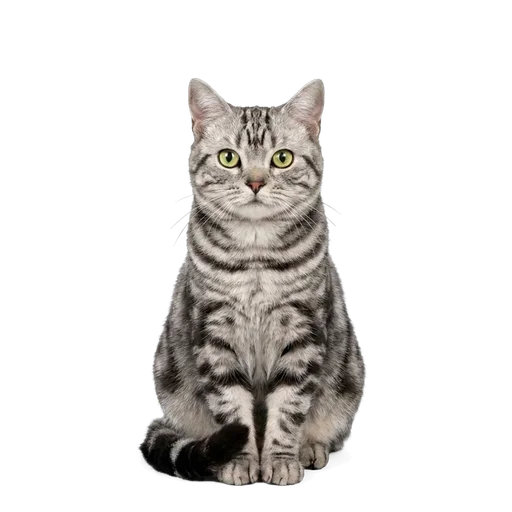
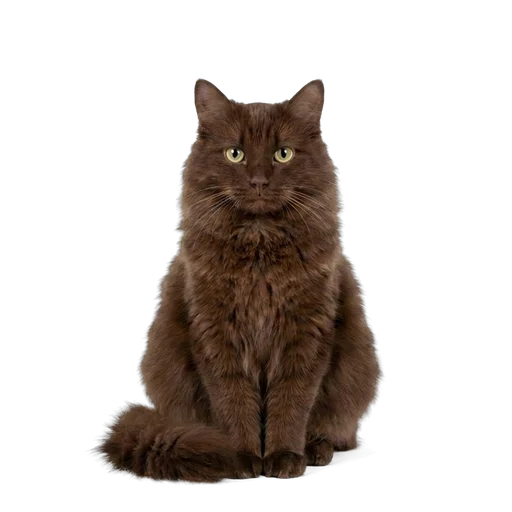
Deciding between similar breeds? Here is the American Longhair next to American Shorthair and Chantilly.
| American Longhair | American Shorthair | Chantilly | |
|---|---|---|---|
| Size | Medium | Medium | Medium |
| Weight | 3.5-7 kg | 3.5-7 kg | 3.5-7 kg |
| Lifespan | 12-17 yrs | 15-20 yrs | 11-15 yrs |
| Activity | Moderate | Moderate | Moderate |
| Shedding | High | Medium | Medium |
| Good with kids | Yes | Yes | Yes |
| Apartment-friendly | Yes | Yes | Yes |
Frequently asked questions
Is the American Longhair the same as a Maine Coon?
No. The Maine Coon is a distinct, formally recognized breed with its own standard, larger size, and shaggy coat. The American Longhair label generally refers to longhaired cats of American Shorthair ancestry, so it shares the Shorthair's rounder face, sturdy build, and famously level temperament, just with a long coat.
How much do American Longhairs shed?
Quite a bit. The double coat sheds moderately year-round and heavily during spring and fall coat changes. Brushing three or more times a week keeps loose hair on the brush instead of on your sofa and cuts down on hairballs significantly.
Are American Longhairs good with kids and other pets?
Yes, this is one of their strongest points. They are patient, sturdy, and tolerant of household commotion, and they usually get along with other cats and cat-friendly dogs after a gradual introduction. Small caged pets like birds or hamsters should be kept securely out of reach, since the hunting instinct is intact.
What health problems should I watch for in this breed?
The breed is generally hardy. One condition worth keeping an eye on is hypertrophic cardiomyopathy, which is why annual heart checks matter and why responsible breeders of longhaired American Shorthair cats screen their breeding cats for it. Day to day, the biggest risks are obesity and dental disease, both preventable with portion control and regular dental care.
How long do American Longhairs live?
Most live 12 to 17 years, and indoor cats with good weight management and dental care regularly reach the upper end of that range. Keeping the cat lean is one of the most impactful things an owner can do for longevity.
Related breeds
Health and care information is drawn from established veterinary sources and is general guidance, not veterinary advice. See our sources
Keep records for your American Longhair
Vaccinations, food and treat safety, allergy alerts and parasite reminders - all tracked for your American Longhair in the Pethls app.