

Origin: United States
York Chocolate
Get reminders for your York Chocolate's vaccines
Vaccination and parasite reminders, food-safety scans and health records — free to start in the Pethls app.


Good for
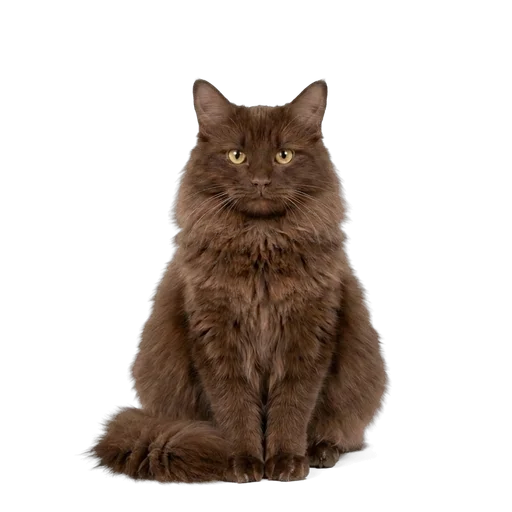
The York Chocolate is a rare American breed that began on a New York farm in the 1980s, named for its home state and the rich chocolate coat that defines it. These are large cats, 4.5 to 7.5 kilograms, wrapped in semi-long silky fur in chocolate or lavender, with very little undercoat. Temperament is the selling point: sweet, quiet and openly devoted, a York Chocolate will trail its person from room to room and claim the first available lap. That gentle nature extends to careful children and other pets, making it an easy cat to live with. Expect a lifespan of 13 to 15 years, with obesity and dental disease as the two things worth actively managing.
Temperament & personality
If you want a cat that acts like it chose you, the York Chocolate delivers. This breed is famous for shadowing its favorite person through the house, supervising chores from the counter, and settling onto a lap the moment one becomes available. It is affectionate without being loud about it; Yorks tend to have soft voices and use them sparingly, preferring purrs and physical closeness to conversation.
Under the devotion sits a farm cat's practical streak. The founding cats were working barn stock, and the breed kept a genuine play drive and decent hunting instincts. A York will chase a wand toy with real intent and appreciates a window perch with bird traffic, but it is not a high-octane athlete. Energy runs moderate: bursts of play, then long stretches of contented company-keeping.
That balance makes the York Chocolate one of the easier rare breeds to place in a real household. Gentle kids get a patient, sturdy playmate. Cat-friendly dogs and other cats are usually accepted after a normal introduction period. The main thing a York cannot tolerate is being alone all day, every day; a cat this people-oriented can slide into boredom eating and clinginess when the house stays empty. Homes with someone around, or a second pet for company, suit it best.
Vaccination schedule
The York Chocolate follows the standard feline core schedule. Kittens receive their first FVRCP vaccine, covering viral rhinotracheitis, calicivirus and panleukopenia, at 6 to 8 weeks of age. Boosters follow every 3 to 4 weeks until at least 16 weeks, because maternal antibodies can neutralize earlier doses and the last shot in the series is the one that reliably sticks.
Rabies vaccination happens once between 12 and 16 weeks, then on a one-year or three-year cycle depending on the product and your local regulations. In most US states this vaccine is legally required, indoor lifestyle or not.
FeLV (feline leukemia) is recommended for all kittens as a two-dose series. Whether an adult York needs ongoing FeLV boosters depends on lifestyle: most York Chocolates live entirely indoors, where the risk is minimal, but any cat with outdoor access or exposure to cats of unknown status should stay current. After the kitten year, adults settle into boosters every one to three years per your vet's protocol. Write the dates down once and set a reminder on your phone so the next booster does not slip past.
Best food & diet
Diet is where York Chocolate ownership gets serious, because this breed loves comfort and it shows on the scale. Feed measured meals of a high-quality, protein-forward cat food rather than free-feeding; a laid-back lap cat with an open bowl is an obesity case in progress. Two to three portioned meals a day, weighed with a kitchen scale rather than eyeballed with a scoop, keeps intake honest.
Healthy adult weight spans a wide range in this breed, roughly 4.5 to 7.5 kilograms across both sexes and normal variation, so feed to body condition instead of a number. You should feel ribs under a light fat cover and see a waist from above. Yorks also mature slowly in body, filling out over two to three years, which owners sometimes misread as license to keep feeding kitten-level calories long after growth ends.
Wet food is a useful ally here: higher moisture, fewer calories per gram, and more satisfying volume than dry kibble. Many owners do a wet-food base with a small measured ration of dry, some of it dispensed through puzzle feeders to convert the breed's food motivation into activity. Treats count too; cap them at ten percent of daily calories, and remember that a York staring soulfully at your plate is negotiating, not starving.
Common health problems
The York Chocolate is a generally healthy breed, and no serious hereditary diseases have been tied to it so far. Because it traces back to a single 1983 farm cat named Brownie, the gene pool is narrow, so responsible breeders watch matings carefully and buyers should ask about the parents' health. The two conditions that actually show up in practice are lifestyle-driven: obesity and periodontal disease. Both are preventable and both quietly shorten lives when ignored.
Obesity is the bigger threat because of everything it drags along: diabetes, arthritis, urinary problems and anesthesia risk. A York that gains half a kilogram a year does not look dramatically different month to month, which is exactly the trap. Weigh the cat monthly on a home scale, keep a written record of the numbers, and treat two consecutive monthly weigh-ins that both rise as the cue to trim portions before the vet has to say the word 'diet.'
Periodontal disease is the other quiet one. Gingivitis starts with red gum lines and bad breath, progresses to painful tartar and loose teeth, and by middle age can mean extractions under anesthesia. A dental routine started in kittenhood, plus annual vet exams where the mouth actually gets looked at, keeps most Yorks eating comfortably into their teens. With those two fronts managed, 13 to 15 years is a realistic expectation and many cats exceed it.
Allergies & skin
No, the York Chocolate is not hypoallergenic, despite what its low-undercoat coat might suggest. Human cat allergies react to the Fel d 1 protein in feline saliva and skin secretions, not to hair itself, and Yorks produce it like any other cat. The sparse undercoat does mean less loose fluff drifting around the house, which some mildly allergic people find makes cohabiting easier, but it is no guarantee. Spend time with the breed before committing if allergies are in the picture.
The cat's own skin and coat are typically trouble-free. The silky, semi-long fur with minimal undercoat resists matting and tends to stay glossy on a good diet. A dulling, greasy or dandruffy coat in this breed is usually a message about something else: overweight cats often cannot groom their lower back and develop a scurfy strip above the tail, one more argument for keeping the weight down.
When itching does appear, work the common list: fleas first (flea allergy dermatitis causes scabby rashes around the neck and tail base), then food allergy, then environmental allergens like dust mites or pollen. Overgrooming a bald patch on the belly or inner thighs can be allergic or stress-related in a breed this attached to its people. Persistent scratching, hot spots or ear irritation are vet visits, not wait-and-see items.
Flea, tick & worm prevention
Even a fully indoor York Chocolate needs parasite prevention, because fleas commute on shoes, dogs and secondhand furniture, and one female flea can seed a household. Use a cat-licensed preventive dosed to your cat's current weight: spot-ons with fipronil or selamectin, or oral and topical isoxazolines your vet recommends. Never use a dog product containing permethrin on a cat; it is severely toxic to cats and even sleeping next to a freshly treated dog can cause poisoning.
Weight matters more than usual with this breed. A York can drift from a lower dose band into a heavier one as it matures or gains, and an underdosed preventive protects nobody. Confirm the weight before each purchase, and update the product band when the scale says so.
Worming for an indoor York is straightforward: a broad-spectrum dewormer every three to six months covers roundworms and, since indoor cats still catch the odd house mouse or swallow a flea, tapeworms. Cats with outdoor access, or households with dogs coming and going, should tighten that to every one to three months on veterinary advice. Ticks are mainly a concern for Yorks that patrol a yard; a fingertip check after outdoor time plus a tick-effective preventive handles it. Note down every application so the monthly rhythm survives busy weeks.
Medications & dosing
All medication for a York Chocolate should be weight-based and vet-directed, and the breed's wide size range makes this more than a formality. The difference between a 4.5 kilogram cat and a 7.5 kilogram one is a different dose of almost everything, and if your York has been winning the treat negotiations, its true weight may surprise you. Weigh before dosing, every time.
The absolute rules apply: no human painkillers, ever. Paracetamol (acetaminophen) kills cats at doses that would not faze a child, and NSAIDs like ibuprofen cause kidney failure and stomach ulceration. Cats also process many common drugs differently from dogs, so never share medications between household pets without explicit veterinary instruction, whatever the label math seems to suggest.
The good news is that Yorks are among the easier cats to medicate. A trusting, food-motivated lap cat usually accepts pill pockets, crushed-tablet-in-lickable-treat tactics (ask the vet first, some coatings must stay intact) or flavored compounded liquids without drama. Finish every prescribed course completely, even when symptoms vanish early, and keep a written record of each dose so two family members do not each give the evening dose.
Grooming & coat care
The York Chocolate's coat looks high-maintenance and mostly is not. Because the semi-long fur carries very little undercoat, it resists the dense matting that plagues true longhairs. A thorough once-weekly session with a wide-toothed comb followed by a slicker or soft bristle brush keeps it silky and catches trouble early. Pay attention to the friction zones: behind the ears, the armpits, the britches and the belly, where the first small knots form.
During spring and autumn molts, shedding steps up from moderate to noticeable and the weekly comb needs to become two or three sessions. Extra combing in molt season also reduces hairballs, which matters in a semi-longhaired breed that grooms itself as devotedly as it follows you around. Baths are rarely needed; when you do bathe, use lukewarm water and a mild cat shampoo, and dry the cat thoroughly since the fine coat holds water.
Fold dental care into the grooming routine, because periodontal disease is one of this breed's two documented weak points. Brushing with feline toothpaste several times a week is the gold standard; dental diets, chews and water additives are decent backups for cats that veto the brush. Add a monthly claw trim, an ear check for wax or redness, and a hands-on once-over for lumps and weight change, and the whole maintenance package still fits comfortably inside an hour a week.
How the York Chocolate compares
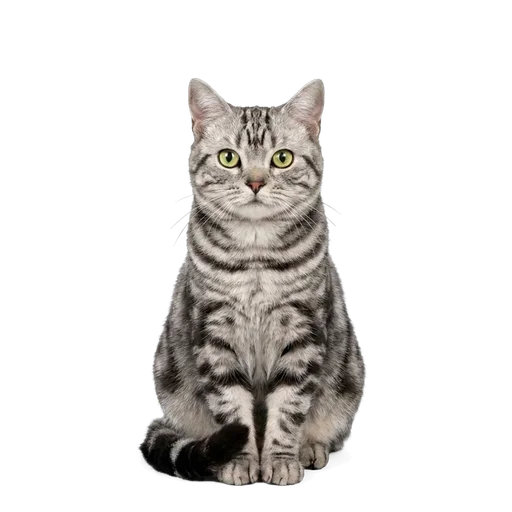
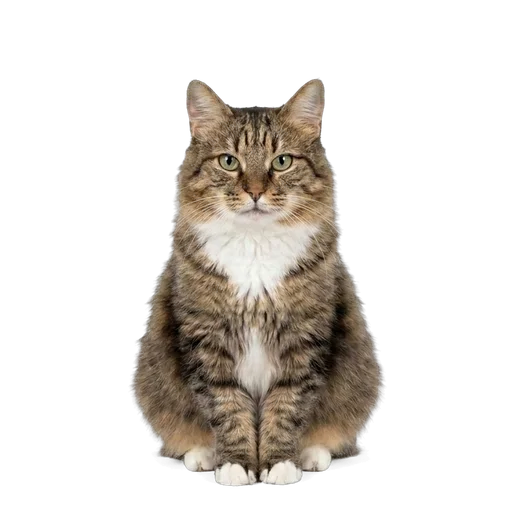
Deciding between similar breeds? Here is the York Chocolate next to American Shorthair and American Bobtail.
| York Chocolate | American Shorthair | American Bobtail | |
|---|---|---|---|
| Size | Medium | Medium | Medium |
| Weight | 4.5-7.5 kg | 3.5-7 kg | 3-7 kg |
| Lifespan | 13-15 yrs | 15-20 yrs | 13-15 yrs |
| Activity | Moderate | Moderate | Moderate |
| Shedding | Medium | Medium | Medium |
| Good with kids | Yes | Yes | Yes |
| Apartment-friendly | Yes | Yes | Yes |
Frequently asked questions
Are York Chocolate cats good lap cats?
Yes, arguably among the best. The breed was selected largely for temperament, and a typical York Chocolate follows its person around the house and settles onto any available lap. They are quiet, gentle and strongly people-oriented, which also means they do poorly in homes where they are left alone most of the day.
How rare is the York Chocolate breed?
Very rare. The breed descends from a single farm cat named Brownie in 1983 in New York state, achieved recognition with some registries in the 1990s, and never became widespread. Active breeders are few, so expect a search and a waiting list, and verify any seller carefully since chocolate-colored domestic longhairs are often mislabeled as Yorks.
Do York Chocolate cats get fat easily?
They are prone to it. Yorks are food-motivated comfort lovers with moderate energy, a combination that gains weight quietly. Measured meals instead of free-feeding, monthly weigh-ins, capped treats and daily play sessions keep most cats lean. Since healthy adults range from 4.5 to 7.5 kilograms, judge by body condition, not the number alone.
What colors do York Chocolate cats come in?
The signature color is a rich, solid chocolate brown, with lavender (a soft grayish lilac) as the second accepted color, plus bicolor versions of each with white. Kittens are often born lighter or with faint tabby ghost markings that clear as the adult coat comes in, usually by around 18 months.
Is the York Chocolate high-maintenance to groom?
Middling. The semi-long coat has little undercoat, so it mats far less than a Persian-type coat, and a weekly combing normally suffices. Plan on two to three sessions weekly during spring and autumn molts. The bigger routine commitment is dental care, since periodontal disease is one of the breed's known issues.
Related breeds
Health and care information is drawn from established veterinary sources and is general guidance, not veterinary advice. See our sources
Keep records for your York Chocolate
Vaccinations, food and treat safety, allergy alerts and parasite reminders - all tracked for your York Chocolate in the Pethls app.