

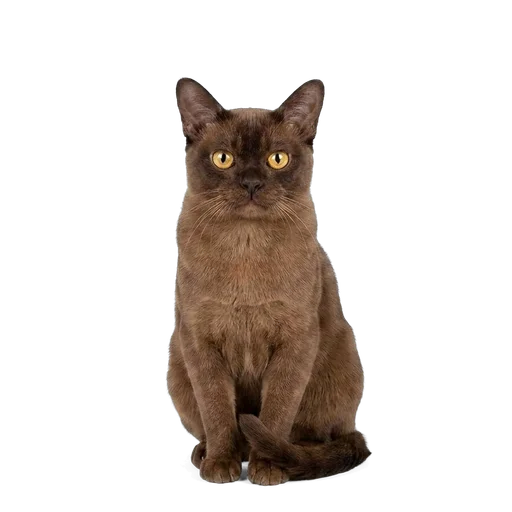
Origin: Burma
Burmese
Get reminders for your Burmese's vaccines
Vaccination and parasite reminders, food-safety scans and health records — free to start in the Pethls app.


Good for
The Burmese is the cat that follows you from room to room, supervises your cooking, and expects a spot on your lap the second you sit down. Bred from a small brown cat brought to the United States from Burma in the 1930s, this is a compact, muscular breed that feels surprisingly heavy when you lift it. People call them velcro cats for good reason. They stay playful and curious well into their senior years, and they bond hard with the people they live with.
Temperament & personality
Burmese cats are relentlessly people-oriented. They want to be part of whatever you are doing, and a Burmese left alone all day, every day, tends to get vocal and unhappy. A normal workday is fine, but if the house sits empty from morning to night, this breed does better with a companion animal than it does solo.
They keep their kitten energy for years. Expect a cat that fetches, learns to open cabinets, and greets you at the door. That intelligence is charming, but it also means a bored Burmese will invent its own entertainment, usually at your expense.
They suit first-time owners, families with children, and homes that already have a friendly dog or cat, as long as you can meet their need for company. Burmese are patient, rarely aggressive, and read as social rather than skittish, but this same sociability means they do best in a household that is not empty all day. Early, gentle handling of kittens sets up that confident adult temperament.
Vaccination schedule
Kittens start their core FVRCP vaccine (feline viral rhinotracheitis, calicivirus, and panleukopenia) at 6 to 8 weeks, then boosters every 3 to 4 weeks until they are at least 16 weeks old. That final booster past 16 weeks matters because maternal antibodies can block earlier doses from taking full effect.
Rabies is given once between 12 and 16 weeks depending on the vaccine and your local law. After the kitten series, FVRCP and rabies move to a booster at one year, then every 1 to 3 years based on your vet's protocol and your cat's lifestyle.
FeLV (feline leukemia) is strongly recommended for any Burmese with outdoor access or exposure to cats of unknown status. Most vets vaccinate all kittens for FeLV and then reassess yearly based on risk. Because Burmese are long-lived, keep a steady vaccine and wellness record so nothing lapses over 15-plus years.
Best food & diet
Burmese have a strong predisposition to diabetes mellitus, so weight control is not optional. A high-protein, moderate-fat diet with controlled carbohydrates suits the breed, and portion feeding beats leaving a bowl out all day. Many Burmese will happily eat their way to an unhealthy weight if you let them.
This breed also carries food-related sensitivities, with beef, chicken, and dairy showing up as common triggers. Despite the folklore, adult cats do not need milk, and dairy often causes loose stools. If you suspect a reaction, a vet-guided elimination diet using a novel or hydrolyzed protein is the reliable way to find the culprit.
Fresh water should always be available, and wet food helps with hydration and satiety. Weigh your cat every few months and adjust portions before a little extra weight becomes a diabetes risk you are managing with insulin.
Common health problems
Several Burmese health concerns are breed-specific and inherited. Hypokalemic polymyopathy causes low blood potassium, which shows up as muscle weakness, a wobbly gait, or a head that hangs low. It is manageable with potassium supplementation once diagnosed, so flag any weakness to your vet promptly.
Burmese head defect and gangliosidosis are serious inherited conditions that reputable breeders screen for with DNA testing. Ask any breeder directly for the results of parental testing before you commit to a kitten. Diabetes mellitus is the other big one, tied closely to weight, and worth annual bloodwork as your cat ages.
On top of the breed-specific list, as with most cats, Burmese benefit from routine dental care to keep gum disease in check. Yearly checkups that include a mouth exam catch problems early, and dental disease is usually cheaper to prevent than to treat.
Allergies & skin
The most common allergy triggers in Burmese are dietary: beef, chicken, and dairy top the list. Food allergies in cats usually show as itchy skin around the head and neck, over-grooming, or digestive upset rather than sneezing. If your cat is scratching a bald patch, food is a prime suspect.
Environmental allergens matter too, and dust mites are a frequent one. Washing bedding weekly in hot water, vacuuming often, and cutting household dust can noticeably reduce flare-ups. A Burmese that licks itself raw needs a vet visit, not just more brushing.
Because the coat is so short, skin problems are easy to spot early. Run your hands over your cat during your weekly wipe-down and note any scabs, redness, or thinning fur. Catching a reaction early keeps it from turning into a secondary skin infection.
Flea, tick & worm prevention
Use only cat-labeled flea and tick products. This is a safety rule, not a preference: never put a dog product containing permethrin on a cat, because cats cannot metabolize it and even a small dog dose can cause tremors, seizures, and death. If you own a dog too, keep the two products clearly separated.
A year-round vet-approved spot-on or oral preventive works well for most indoor Burmese, since fleas travel in on shoes, dogs, and open windows. Your vet will pick a product matched to your cat's weight and your regional parasite pressure.
Worming schedules depend on lifestyle. Indoor-only cats generally need less frequent deworming than hunters with outdoor access. Many combination products cover fleas and common intestinal worms in one dose, so ask your vet to build a single plan rather than layering products.
Medications & dosing
All feline medication is dosed by body weight, and the Burmese habit of looking lean while weighing more than expected makes accurate scale weight important. Guessing a dose off appearance is a real risk here. Get your cat weighed at the clinic and dose to that number.
Never give human painkillers. Paracetamol (acetaminophen) is lethal to cats even in tiny amounts, and ibuprofen is dangerous too. If your Burmese is in pain, only a vet-prescribed feline analgesic is safe.
For a diabetic Burmese, insulin dosing is precise and adjusted with your vet using glucose curves; never change the dose on your own.
Grooming & coat care
The Burmese coat is short, glossy, and lies close to the body, which makes grooming refreshingly simple. A weekly wipe with a soft cloth or a quick pass with a rubber grooming mitt removes loose hair and keeps the sheen. Shedding is low, so there is very little loose fur to deal with around the house.
Use grooming time as a health check. Look at the teeth for tartar and red gums, glance at the eyes, and check the ears for wax or odor. Regular tooth brushing with a cat-safe paste is the single best thing you can do for their long-term oral health.
Trim the nails every couple of weeks and keep a scratching post available. Because Burmese are so hands-on and social, most of them tolerate grooming and handling well, especially if you started when they were kittens.
How the Burmese compares
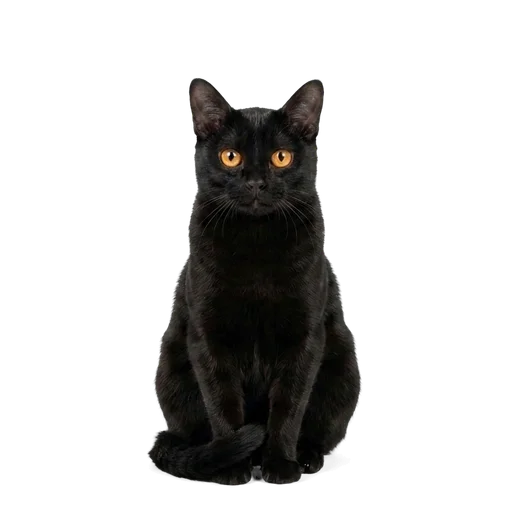
Deciding between similar breeds? Here is the Burmese next to Bombay and American Wirehair.
| Burmese | Bombay | American Wirehair | |
|---|---|---|---|
| Size | Medium | Medium | Medium |
| Weight | 3.5-6 kg | 3-5 kg | 3-7 kg |
| Lifespan | 15-18 yrs | 12-16 yrs | 12-18 yrs |
| Activity | Moderate | Moderate | Moderate |
| Shedding | Low | Low | Low |
| Good with kids | Yes | Yes | Yes |
| Apartment-friendly | Yes | Yes | Yes |
Frequently asked questions
Are Burmese cats good for first-time owners?
Yes. They are affectionate, adaptable, and rarely aggressive, which makes them one of the easier breeds to start with. The main things a new owner needs to manage are their need for company and their tendency to gain weight.
Can Burmese cats be left alone during the workday?
They tolerate a normal workday better than a home that is empty from dawn to night. Burmese bond closely and can get lonely, so if you are out for long stretches, a second pet as company helps a lot.
Why is my Burmese prone to diabetes?
The breed has a genuine genetic predisposition to diabetes mellitus, and extra weight compounds it. Portion-controlled, high-protein feeding and yearly bloodwork as your cat ages are the best ways to lower the risk.
Do Burmese cats shed a lot?
No. The short, close-lying coat sheds very little, and a weekly wipe is usually all it needs. They are one of the lower-maintenance breeds for coat care.
Are Burmese cats hypoallergenic?
No. No cat is truly hypoallergenic, and the Burmese still produces the Fel d 1 protein that triggers most people's allergies. A short coat means less loose fur around the house, but it does not remove the allergen.
Related breeds
Health and care information is drawn from established veterinary sources and is general guidance, not veterinary advice. See our sources
Keep records for your Burmese
Vaccinations, food and treat safety, allergy alerts and parasite reminders - all tracked for your Burmese in the Pethls app.