

Origin: Australia
Australian Mist
Get reminders for your Australian Mist's vaccines
Vaccination and parasite reminders, food-safety scans and health records — free to start in the Pethls app.


Good for
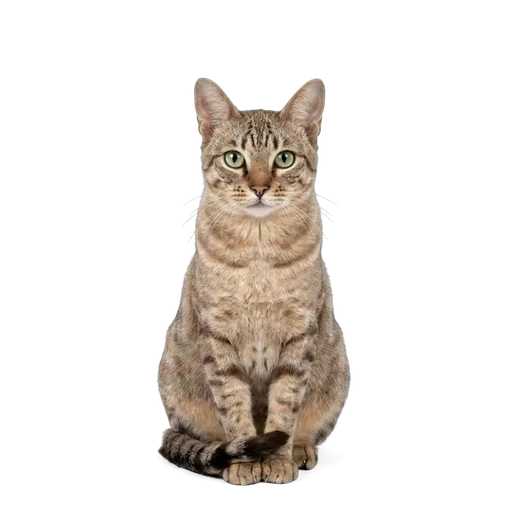
The Australian Mist was bred with one clear goal: to be an affectionate, easygoing indoor companion, and that shows in its character. This is a social, gentle, playful cat that genuinely wants to be around people and settles happily into apartments and family homes alike. Its short coat carries a soft spotted or marbled pattern over a misted ground color, which is where the name comes from. Tolerant of handling and slow to take offence, the Australian Mist does well with children, other pets, and a settled life indoors.
Temperament & personality
Australian Mists are people cats. This is a breed that seeks out laps, follows you around the house, and greets visitors rather than hiding from them. They tend to be tolerant of being picked up and handled, which suits homes with gentle children.
They are playful without being frantic. Expect enthusiastic games in bursts, then long stretches of contented lounging near their favorite person. This balance of social and calm is exactly what makes the breed such an easy indoor cat, content in an apartment as long as it has company and things to do.
Because they love company, Australian Mists do not cope well with long stretches of isolation. If the house is empty all day, a second pet or plenty of interaction in the mornings and evenings keeps them content. They generally get on well with other cats and cat-friendly dogs.
Vaccination schedule
Kittens start the FVRCP core vaccine (feline viral rhinotracheitis, calicivirus, and panleukopenia) at 6 to 8 weeks, with boosters every 3 to 4 weeks until at least 16 weeks of age. Finishing the whole series is what gives lasting protection, so keep every booster appointment.
Rabies is given once between 12 and 16 weeks where required, following local law on timing and revaccination. Even for a purely indoor Australian Mist, rabies cover is sensible and is often legally required.
FeLV (feline leukemia) vaccination is aimed at cats with outdoor access or those living with cats who go outside. Since the Australian Mist is usually kept indoors, ongoing FeLV boosters may not be needed after the kitten series, but confirm with your vet. Adults then continue FVRCP and rabies boosters every 1 to 3 years based on the vaccines used.
Best food & diet
The Australian Mist needs a complete, meat-first diet like any cat, since cats are obligate carnivores. Pick a food with a named animal protein at the top of the ingredient list, and include wet food or ensure good water intake to support urinary and kidney health.
Weight is the single biggest diet issue for this breed. As a dedicated indoor cat that loves lounging, the Australian Mist burns fewer calories than a roaming cat, so free-feeding easily tips it into obesity. Measure portions, limit treats, and use play to keep it moving.
Weigh your cat every few months and check its body condition: you should be able to feel the ribs easily under a thin layer of fat, which is the healthy target. Keeping an Australian Mist lean protects its joints, its heart, and its long-term health, and it is far easier to prevent weight gain than to reverse it. Ask your vet about a senior diet as the cat ages.
Common health problems
The Australian Mist is a generally healthy breed with no long list of inherited diseases, which is one of its real strengths. Most cats live full, comfortable lives with routine care and sensible feeding, so the focus is on prevention rather than managing a known breed illness.
The main thing to watch is weight. Because these cats are kept indoors and love to relax, obesity is the most likely problem, and it drives everything from diabetes to arthritis and heart strain. Portion control and daily play are the core defense.
Dental disease is the other common issue, as it is across all cats, so build in regular tooth care from a young age. Beyond that, keep up routine wellness checks and age-appropriate screening, especially kidney and heart checks in older cats, to catch any problem early while it is still easy to treat.
Allergies & skin
The Australian Mist is not hypoallergenic. Its short coat sheds only lightly, which some allergy sufferers find a little easier to live with, but it still produces the Fel d 1 allergen in its saliva and dander that causes most cat allergies. No cat is genuinely allergy-free.
The short, low-maintenance coat rarely causes skin trouble on its own. Even so, check the skin during grooming for redness, flaking, or scabby bumps, and keep up flea prevention, because flea allergy is the most common cause of feline skin irritation and a single bite can trigger it.
If your Australian Mist starts overgrooming, losing hair in patches, or scratching more than usual, see your vet rather than guessing. Flea allergy, food sensitivity, and environmental allergy can all look alike on the skin but each needs its own treatment.
Flea, tick & worm prevention
Use only cat-labeled flea and tick products. Dog spot-on treatments containing permethrin are highly toxic to cats and can cause tremors, seizures, and death, so never apply a dog product to an Australian Mist, and keep a treated dog away from the cat until the product has dried.
As a mostly indoor breed, the Australian Mist is lower risk than a roaming cat, but fleas still hitch rides indoors on shoes, other pets, and open windows. A regular cat-safe preventive, monthly or every few months depending on the product, keeps an infestation from ever getting started.
Worm your cat on the schedule your vet recommends, usually every 3 to 6 months for a low-risk indoor adult, with more frequent worming for kittens. Watch for a pot-bellied appearance, visible segments near the tail, or weight loss despite a healthy appetite, and treat promptly if they appear.
Medications & dosing
All medication for an Australian Mist must be weight-based and directed by your vet. Cats break down drugs very differently from dogs and humans, so a dose that is fine for another species can be dangerous. Weigh your cat before dosing rather than estimating, especially since an overweight cat's dose is calculated on lean body weight.
Never give human painkillers. Paracetamol (acetaminophen) is fatal to cats even in small amounts, and ibuprofen and aspirin are unsafe without veterinary guidance. If your cat seems unwell or in pain, phone your vet for a cat-safe medication instead of using anything from your own cabinet.
Give any prescribed course in full, even when your cat looks recovered early, and check with your vet before combining medicines or adding supplements. Cats hide illness well, so stick to the prescribed plan rather than stopping at the first sign of improvement.
Grooming & coat care
Grooming an Australian Mist is genuinely easy. The short, close-lying coat needs only a quick brush or comb once a week to remove loose hair and keep it glossy. Many owners find a soft brush and a few minutes is all it takes, and the cat usually enjoys the attention.
Shedding is low year-round, with a slight increase in spring and autumn when a little extra brushing keeps stray hair off your clothes and furniture. The coat does not mat and needs no trimming or special products, which makes this a great breed for anyone who wants a companion cat without a grooming commitment.
The rest of the routine matters more than the coat. Trim nails every few weeks, check the ears weekly, and above all keep up dental care through tooth brushing or vet-approved dental products, since dental disease is the most common ongoing health issue for cats of every breed.
How the Australian Mist compares
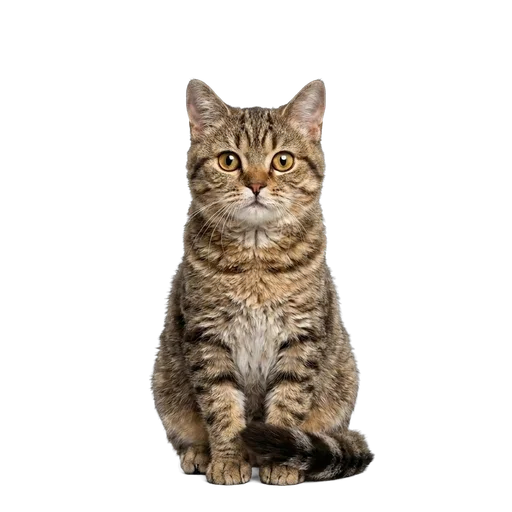
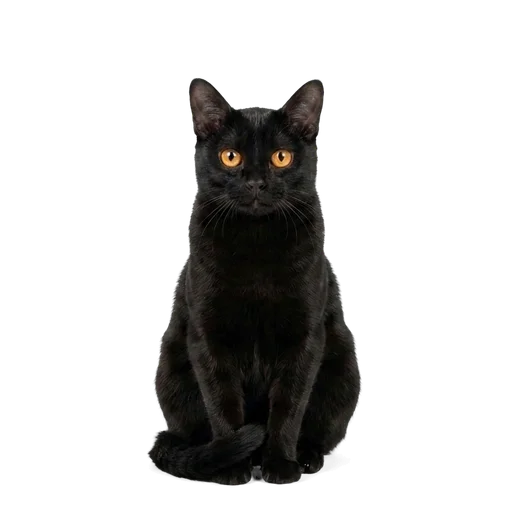
Deciding between similar breeds? Here is the Australian Mist next to American Wirehair and Bombay.
| Australian Mist | American Wirehair | Bombay | |
|---|---|---|---|
| Size | Medium | Medium | Medium |
| Weight | 3-6.5 kg | 3-7 kg | 3-5 kg |
| Lifespan | 12-16 yrs | 12-18 yrs | 12-16 yrs |
| Activity | Moderate | Moderate | Moderate |
| Shedding | Low | Low | Low |
| Good with kids | Yes | Yes | Yes |
| Apartment-friendly | Yes | Yes | Yes |
Frequently asked questions
Are Australian Mist cats good for apartments?
Yes, they are one of the best breeds for apartment living. They are content in smaller spaces as long as they get company, play, and attention from their people.
Are Australian Mist cats good with children and other pets?
Very much so. They are tolerant, gentle, and naturally sociable, which makes them well suited to homes with children, other cats, and cat-friendly dogs. They enjoy being handled and are slow to take offence.
What is the biggest health concern for an Australian Mist?
Weight gain is the main thing to watch. As a relaxed indoor cat it burns fewer calories, so obesity is the most likely problem and it drives issues like diabetes and arthritis. Measured portions and daily play are the best defense, along with routine dental care.
Do Australian Mist cats need much grooming?
No, grooming needs are low. The short coat sheds lightly and only needs a quick weekly brush, with a little extra during seasonal shedding. It does not mat or require trimming.
Are Australian Mist cats hypoallergenic?
No. Although the short coat sheds only lightly, the breed still produces the Fel d 1 allergen in saliva and dander that causes most cat allergies. Regular grooming and cleaning can reduce exposure, but no cat is truly allergy-free.
Related breeds
Health and care information is drawn from established veterinary sources and is general guidance, not veterinary advice. See our sources
Keep records for your Australian Mist
Vaccinations, food and treat safety, allergy alerts and parasite reminders - all tracked for your Australian Mist in the Pethls app.