

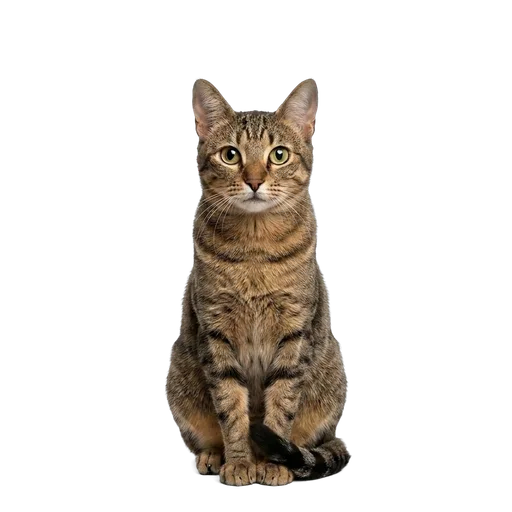
Origin: Brazil
Brazilian Shorthair
Get reminders for your Brazilian Shorthair's vaccines
Vaccination and parasite reminders, food-safety scans and health records — free to start in the Pethls app.


Good for
The Brazilian Shorthair holds a special place as the first cat breed formally recognized in Brazil, developed from the sturdy street cats found across the country's cities. Years of natural selection gave this cat an athletic build, a friendly outlook and a genuine love of company. Owners tend to describe them as easygoing and sociable, happy to trail after the family from room to room. The short, sleek coat asks for almost nothing in the way of upkeep, and the breed is known for a long, healthy life. They stay playful well into their teens and ask for very little grooming.
Temperament & personality
Brazilian Shorthairs are active, curious cats that stay engaged with their surroundings well into adulthood. They like to be where the action is, whether that means the kitchen counter or the nearest available lap. This is a breed that bonds closely with its people rather than picking a single favorite, so most households find the affection spreads around evenly.
They get on well with children who handle them gently, and they generally accept other cats and cat-friendly dogs after a proper introduction. Their intelligence shows up in how quickly they learn routines. Many figure out which cupboard holds the treats and will remind you of feeding time with impressive precision.
Because they are genuinely playful, they need outlets. Wand toys, puzzle feeders and a tall cat tree go a long way toward keeping a bored Brazilian Shorthair from inventing its own entertainment. A cat left with nothing to do may start opening doors or knocking things off shelves just to see what happens.
Vaccination schedule
Kittens start their core FVRCP vaccine (feline viral rhinotracheitis, calicivirus and panleukopenia) at around 6 to 8 weeks of age, then receive boosters every 3 to 4 weeks until they are at least 16 weeks old. This series matters because maternal antibodies fade at different times in different kittens, and the repeat doses make sure protection actually takes hold.
Rabies vaccination is given between 12 and 16 weeks depending on local law and the product used. Your vet will confirm the timing and legal requirements for your area.
If your Brazilian Shorthair will have any outdoor access or lives with cats who go outside, the feline leukaemia (FeLV) vaccine is strongly recommended, ideally after a negative FeLV test. Indoor-only cats with no exposure may not need it. After the kitten series, boosters follow adult schedules that your vet will set based on lifestyle and risk, usually every 1 to 3 years.
Best food & diet
As obligate carnivores, Brazilian Shorthairs do best on a complete, meat-forward diet with animal protein as the leading ingredient. A good-quality commercial cat food that meets AAFCO or FEDIAF standards for the cat's life stage covers the nutritional bases without guesswork.
This is an athletic, active breed, so portion to the individual cat rather than free-feeding a full bowl all day. Adults typically eat measured meals twice daily. Kittens need more frequent feeding and a growth-formula food until roughly 12 months. Fresh water should always be available, and many cats drink more readily from a wide bowl or a pet fountain.
Watch the waistline as the years pass. Even a naturally trim breed can creep toward overweight once activity dips in middle age, and extra weight loads the joints and raises diabetes risk. If you are unsure how much to feed, ask your vet for a target weight and a daily calorie figure to work from.
Common health problems
The Brazilian Shorthair is a robust natural breed, which is one of its biggest draws. Because it developed from a large, genetically varied population of street cats rather than a small founder group, it carries fewer of the inherited conditions that trouble some pedigree lines.
Even then, no cat is problem-free. The most common issues in this breed are the everyday ones any cat faces: dental disease, weight gain and parasites, with parasite risk depending on whether the cat goes outdoors. Routine dental checks and home tooth-brushing prevent a surprising amount of pain and expense later on.
Annual wellness exams matter, and once a cat reaches its senior years, bloodwork and blood pressure checks help pick up age-related conditions like kidney disease or hyperthyroidism.
Allergies & skin
The short, sleek coat is easy to inspect, which makes skin problems simple to catch early. Flea allergy dermatitis is the most common skin complaint in cats, and even one or two bites can trigger intense itching in a sensitive cat, so consistent flea control is your first line of defense.
Some cats react to environmental allergens like pollen or dust, or less often to something in their food, which can show up as overgrooming, scabby bumps along the back or itchy ears. Bald patches, persistent scratching or recurring ear infections are all worth a vet visit to pin down the cause.
For food-related itching, a proper vet-guided elimination diet is the only reliable way to identify the trigger. Over-the-counter hypoallergenic foods and internet advice tend to muddy the picture rather than solve it.
Flea, tick & worm prevention
Use only flea and tick products labeled specifically for cats. This is not a minor detail: dog spot-on treatments that contain permethrin are highly toxic to cats and can cause tremors, seizures and death. Never apply a dog product to a cat, and keep treated dogs separate until the product dries.
A monthly or vet-recommended cat-safe preventive keeps fleas and ticks off, which matters even for mostly-indoor cats since fleas hitch rides on shoes and other pets. Your vet can match the product to your cat's weight and lifestyle.
Worming should follow a schedule based on lifestyle. Indoor-only cats generally need less frequent deworming than cats that hunt or have outdoor access. Kittens are wormed frequently in their first months, then transition to an adult schedule. Many modern parasite products combine flea, tick and worm coverage, which simplifies the routine, so ask your vet what fits your cat.
Medications & dosing
All medications for your Brazilian Shorthair should be dosed by weight and prescribed by your vet. Cats metabolize drugs very differently from dogs and humans, and a dose that is safe for one species can be dangerous for a cat.
Never give human painkillers. Paracetamol (acetaminophen) is lethal to cats even in small amounts, and ibuprofen and other NSAIDs are also dangerous. If your cat seems to be in pain, call your vet rather than reaching for anything in your own medicine cabinet.
When your vet prescribes a course of medication, finish it as directed even if the cat seems better, particularly with antibiotics. Weigh your cat accurately before dosing anything you administer at home, and check with your clinic before combining any supplements or over-the-counter products with a prescribed drug.
Grooming & coat care
Grooming a Brazilian Shorthair is close to effortless. The short, close-lying coat needs only a weekly brush with a rubber curry or a fine comb to lift loose hair and keep it glossy. Shedding is light year-round, so you will not be fighting drifts of fur around the house.
The weekly session doubles as a health check. Run your hands over the body to feel for lumps, scabs or fleas, and take a look at the ears and eyes while you are at it. Cats that are handled regularly from kittenhood tend to accept nail trims and vet exams far more calmly.
Trim the claws every few weeks, brush the teeth as often as your cat tolerates, and check the ears for wax or debris. A yearly professional dental scale-and-polish, on your vet's advice, rounds out a very manageable care routine.
How the Brazilian Shorthair compares
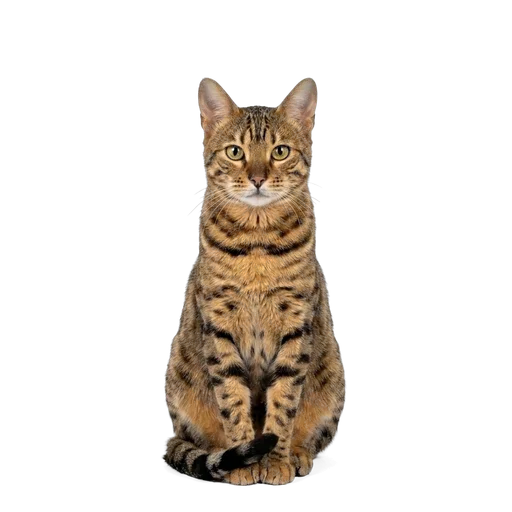
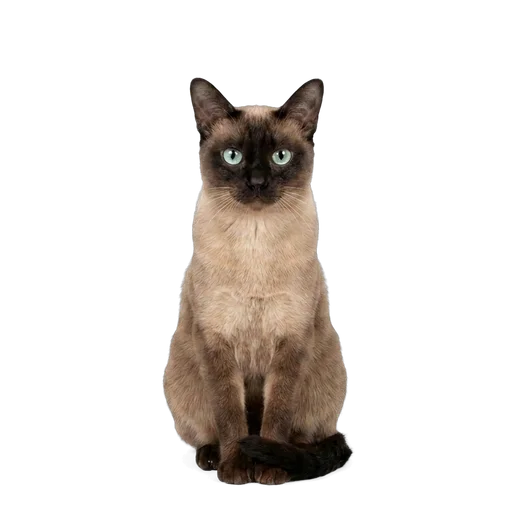
Deciding between similar breeds? Here is the Brazilian Shorthair next to Cheetoh and Tonkinese.
| Brazilian Shorthair | Cheetoh | Tonkinese | |
|---|---|---|---|
| Size | Large | Large | Medium |
| Weight | 4.5-10 kg | 5.5-11.5 kg | 2.7-5.5 kg |
| Lifespan | 14-20 yrs | 10-15 yrs | 14-18 yrs |
| Activity | Active | Active | Active |
| Shedding | Low | Low | Low |
| Good with kids | Yes | Yes | Yes |
| Apartment-friendly | Yes | No | Yes |
Frequently asked questions
Are Brazilian Shorthairs good family cats?
Yes. They are sociable, easygoing and playful, and they generally do well with gentle children and with other pets once introductions are handled properly. Their affectionate, people-focused nature suits busy family homes.
How long do Brazilian Shorthairs live?
This is a long-lived breed, with many cats reaching 14 to 20 years. Their hard-wearing natural genetics, combined with routine vet care, good diet and weight management, support a long and healthy life.
Do Brazilian Shorthairs shed a lot?
No. The short, sleek coat sheds only lightly and needs just a weekly brush. This makes the breed one of the lower-maintenance choices for people who want to avoid constant grooming and loose fur.
Are Brazilian Shorthairs hypoallergenic?
No cat is truly hypoallergenic, and the Brazilian Shorthair is no exception. All cats produce the Fel d 1 protein that triggers allergies. If you are allergic, spend time around the breed before committing.
Do Brazilian Shorthairs need a lot of exercise?
They are active and athletic, so they thrive with daily play and vertical space to climb. Wand toys, puzzle feeders and a tall cat tree keep them stimulated. A bored Brazilian Shorthair will often find its own mischief.
Related breeds
Health and care information is drawn from established veterinary sources and is general guidance, not veterinary advice. See our sources
Keep records for your Brazilian Shorthair
Vaccinations, food and treat safety, allergy alerts and parasite reminders - all tracked for your Brazilian Shorthair in the Pethls app.