

Origin: United States
California Spangled
Get reminders for your California Spangled's vaccines
Vaccination and parasite reminders, food-safety scans and health records — free to start in the Pethls app.


Good for
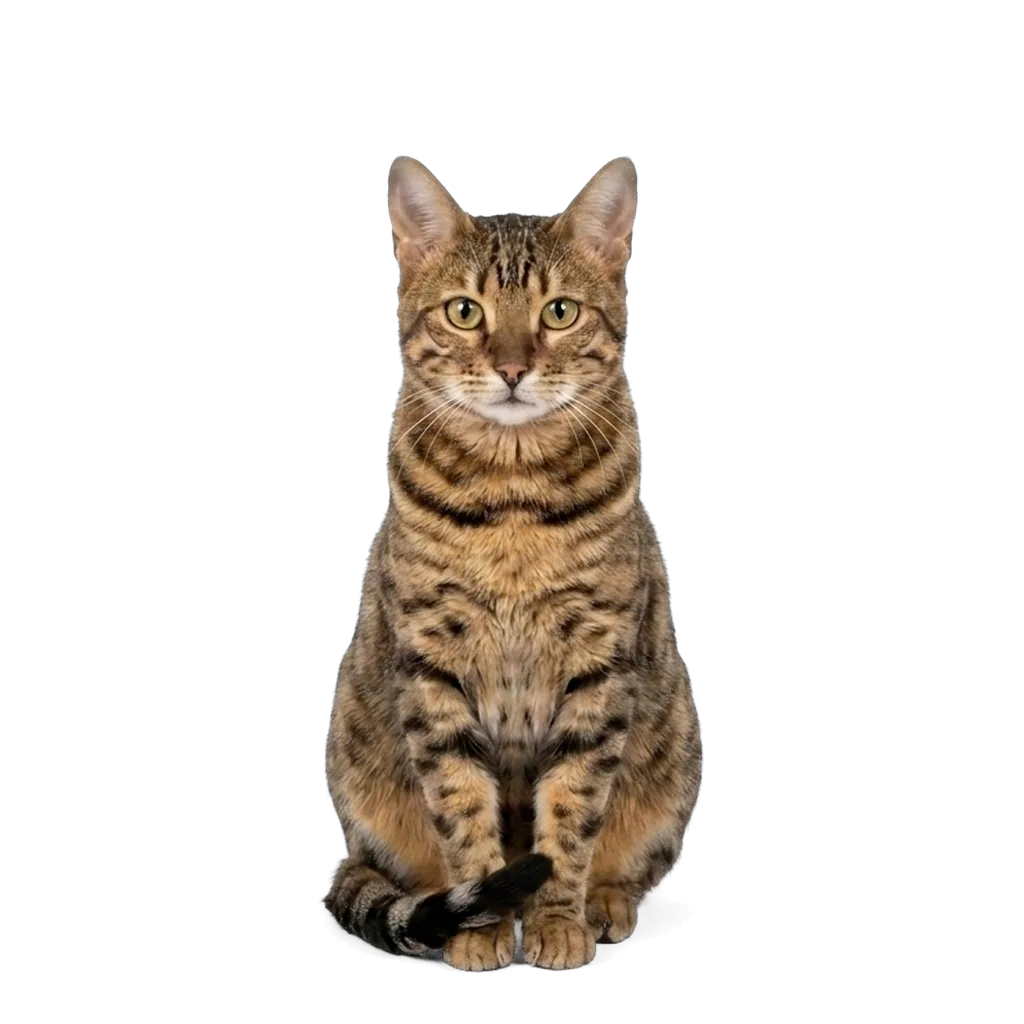
The California Spangled was bred in the 1980s to look like a leopard in miniature, a deliberate piece of advocacy meant to make people think twice about wearing spotted fur. The breed made headlines when it appeared in a Neiman Marcus holiday catalog, then faded as the Bengal and Ocicat captured the spotted-cat market, and today it is one of the rarest breeds in the world. Under the wild-looking spots is a devoted, sharp-witted house cat weighing 4 to 7 kg, with a reported lifespan of about 9 to 16 years, though so few cats exist that the figure is only approximate. These are athletes and problem solvers that want high perches, real play sessions, and a family that includes them in daily life. If you ever manage to find one, expect a cat that acts like a small, affectionate leopard with excellent manners.
Temperament & personality
Everything about the California Spangled says hunter: the low-slung, muscular walk, the fixation on moving objects, the urge to survey the room from the tallest available point. In practice this translates into a house cat that turns wand toys into serious athletic events, learns the exact sound of the treat drawer, and claims the top of the bookshelf as a command post. Daily interactive play is not optional with this breed; a bored Spangled invents projects, and you will not like most of them.
The wild look is entirely cosmetic. Breed founder Paul Casey built the Spangled from a deliberately diverse pool of domestic cats, reportedly including street cats from Cairo alongside domestic cats from Asia and the US, with no wildcat blood, and the temperament reflects that. These cats are sociable, people-oriented, and genuinely devoted to their families. Many follow their person from room to room and insist on supervising whatever is happening at counter height.
Intelligence runs high. Spangleds take readily to clicker training, learn fetch on their own, and figure out cabinet doors and lever handles ahead of schedule. Puzzle feeders, rotating toys, and a tall cat tree near a window are the minimum enrichment package. They generally do well with children who play actively, and with other cats or dogs that can match their energy, though very small pets like birds and rodents are best kept well out of reach.
Vaccination schedule
A California Spangled kitten follows the standard feline core schedule. FVRCP, covering rhinotracheitis, calicivirus, and panleukopenia, begins at six to eight weeks with boosters every three to four weeks until at least 16 weeks of age. The final booster at or after 16 weeks is the one that reliably takes hold once maternal antibodies fade, so do not cut the series short even if the kitten seems sturdy.
Rabies is given between 12 and 16 weeks. Given how much these cats enjoy patrolling, some owners eventually allow supervised outdoor time in a catio or on a harness, and rabies coverage is legally required in much of the US regardless of lifestyle.
FeLV vaccination is recommended for all kittens and remains important for any adult with outdoor access, which is a live question for a breed this drawn to the outdoors. An indoor-only adult Spangled in a single-cat home can often drop FeLV boosters later, on your vet's advice. Adult FVRCP boosters typically shift to every three years after the first annual booster. With a breed this rare, complete vaccination and health records also matter for the small preservation breeding community, so keep everything documented in a health log.
Best food & diet
Feed this breed like the athlete it is. A high-protein, meat-first complete diet supports the Spangled's lean muscle mass, and most do well on a mix of wet and dry food with the wet portion providing hydration. Their activity level gives them more caloric headroom than a couch-dwelling breed, but neutered adults still gain weight if food is unlimited, so portion out meals and adjust to body condition.
This is a great breed for making food part of the fun. Puzzle feeders, treat balls, and hidden food stations put that hunting brain to work and slow down fast eaters. Some owners split the daily ration into four or five small hunts around the house, which mirrors natural feline feeding patterns and burns energy at the same time.
Kittens should stay on a growth formula until around 12 months. No breed-specific dietary problems have been documented, so standard best practice covers it: a consistent brand, gradual transitions over a week when changing foods, fresh water in several locations, and a monthly weight check. Beef and chicken are the proteins cats most often react to, so if you see loose stools, itchy skin, or ear trouble after a food, a switch to a novel protein is worth trying. It also helps to store dry food sealed and clean the bowls often, since dust mites thrive in open kibble and can bother a sensitive cat.
Common health problems
The California Spangled carries no widely documented hereditary diseases, which is partly good genetics and partly small numbers: the breed nearly vanished after the early 1990s, and there have never been enough cats to build large-scale health statistics. Its foundation stock was deliberately diverse, drawing on unrelated domestic populations from several continents, and that outcrossed base worked in the breed's favor. Treat health claims from any seller skeptically and ask for actual veterinary records.
Hypertrophic cardiomyopathy is the most common heart disease in cats overall, so have your vet auscultate at every annual visit and pursue an echocardiogram if anything sounds off. Beyond that, the everyday risks are the universal feline ones: dental disease, obesity in later years as activity drops, and kidney and thyroid changes in seniors.
One practical note dominates everything else: this breed is nearly extinct and almost never available. Only a small number of cats existed at the breed's peak, and organized breeding largely stopped decades ago. Most cats sold today as California Spangleds are actually Bengals, Ocicats, or spotted domestic shorthairs. If provenance matters to you, insist on pedigree documentation; if it does not, a spotted rescue cat delivers the same look and the same love for a fraction of the search.
Allergies & skin
The California Spangled is not hypoallergenic. Like nearly all cats it produces Fel d 1 in saliva and skin glands, and grooming spreads the protein through the coat. The short coat and modest shedding may keep less dander circulating in the home than a longhaired breed would, but that offers no guarantee for an allergic person. Always test your reaction around adult cats before committing. The cat's own skin is a separate question from your Fel d 1 reaction. If the Spangled itself develops itchy skin or a rash, common culprits include a food protein it is sensitive to, such as beef or chicken, or environmental triggers like household dust mites. In that case, ask your vet to weigh food proteins and dust mites alongside fleas.
The Spangled's own skin is typically low-maintenance. The short, close-lying spotted coat dries quickly, rarely mats, and makes skin problems easy to spot early, which is a real advantage. The most likely trigger for itching in any cat is flea allergy dermatitis, so consistent flea prevention protects the skin as much as it prevents infestations.
Watch for overgrooming, which appears as thinning fur or bald patches, often on the belly or inner thighs. In a high-drive, intelligent breed, overgrooming can signal boredom or stress just as easily as allergy or parasites. If it appears, rule out fleas and skin disease with your vet first, then take an honest look at the cat's enrichment and daily play time.
Flea, tick & worm prevention
Keep a cat-licensed flea and tick preventive going year-round. Spot-on products with selamectin or fluralaner suit most cats, and the Spangled's short coat makes topical application easy and reliable. The non-negotiable rule: never use dog products containing permethrin on or around a cat. Permethrin causes tremors, seizures, and death in cats, and poisoning can occur just from a cat grooming or sleeping against a freshly treated dog.
If your Spangled gets harness walks or catio time, tick checks become part of the routine. Run your hands over the head, neck, ears, and between the toes after outdoor sessions; the short coat means an attached tick is usually easy to feel. Remove ticks promptly with a tick hook, twisting slowly, and note the date in case illness follows.
Worming follows lifestyle. Kittens need roundworm treatment every two weeks from three to eight weeks of age, then monthly until six months. Indoor adults typically need annual fecal exams with treatment as indicated, while any cat with outdoor access, or an enthusiastic mouser that catches the occasional intruder, should get broad-spectrum worming every one to three months plus tapeworm coverage. Log every treatment in a health log so the intervals stay honest.
Medications & dosing
All feline medication is dosed by weight, and a California Spangled can sit anywhere between 4 and 7 kg, so an actual scale reading beats any estimate. Muscular cats are routinely heavier than they look, and underdosing a wormer or overdosing a sedative both start with a bad weight guess. Weigh before dosing and keep the number current in a health log.
Human pain medications are off the table entirely. Paracetamol destroys feline red blood cells and liver tissue and is frequently fatal; ibuprofen and other NSAIDs cause kidney failure and gastric ulcers at very small doses. If your cat is limping after a hard landing from the top of the bookcase, which for this breed is a plausible scenario, call the vet rather than reaching for your own medicine cabinet.
For an athletic, quick-pawed breed, medication technique matters. Wrapping the cat in a towel, using a pill popper, or switching to a flavored liquid compound saves everyone stress; ask your clinic which forms a prescription comes in. Finish antibiotic courses completely, store medications where a clever, agile cat genuinely cannot reach them, and set repeat-dose reminders rather than trusting memory.
Grooming & coat care
This is close to the easiest coat in the cat fancy. The Spangled's short, spotted coat lies flat, does not mat, and sheds lightly. One weekly session with a rubber grooming mitt or soft bristle brush removes loose hair, distributes skin oils, and keeps the spots glossy. During seasonal shedding you might step up to twice a week. Baths are almost never necessary.
That weekly session is really a health check with a brush in hand. Feel along the body for lumps, scabs, or ticks, look inside the ears for wax or redness, and check the teeth and gums. Because the coat hides so little, changes show up early on this breed, and early is when they are cheap and simple to treat.
Nails need trimming every two to three weeks, though a Spangled with a good sisal post and plenty of climbing will do some of the work itself. Dental care is the one grooming area not to shortchange: brush with feline toothpaste several times a week if the cat allows, because dental disease is the most common health problem in all cats and no coat type protects against it.
How the California Spangled compares
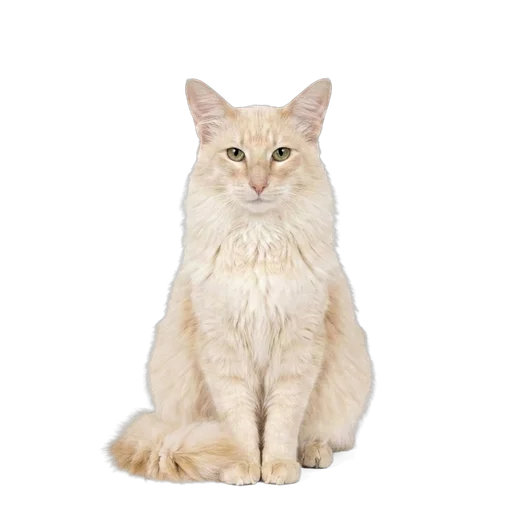
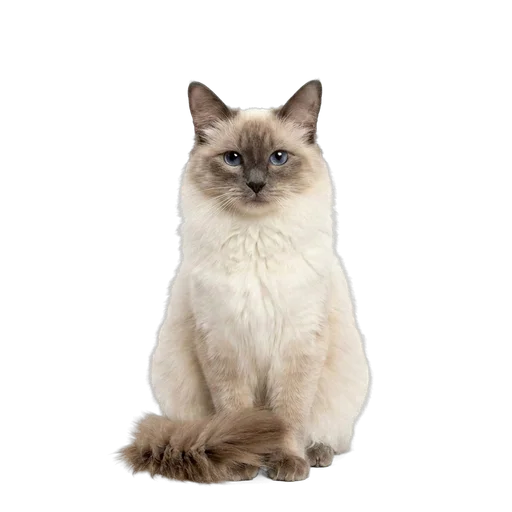
Deciding between similar breeds? Here is the California Spangled next to Oriental Longhair and Balinese.
| California Spangled | Oriental Longhair | Balinese | |
|---|---|---|---|
| Size | Medium | Medium | Medium |
| Weight | 4-7 kg | 2.5-5.5 kg | 2.5-5 kg |
| Lifespan | 9-16 yrs | 12-15 yrs | 12-20 yrs |
| Activity | Active | Active | Active |
| Shedding | Low | Low | Low |
| Good with kids | Yes | Yes | Yes |
| Apartment-friendly | Yes | Yes | Yes |
Frequently asked questions
Can I actually buy a California Spangled cat?
Realistically, almost certainly not. The breed peaked at a small population in the late 1980s, organized breeding had all but stopped by the mid-1990s, and it is now considered nearly extinct. Cats advertised under the name today are usually Bengals, Ocicats, or spotted domestic cats. Demand pedigree documentation before paying breed prices.
Is the California Spangled part wildcat like the Bengal?
No. Despite the leopard styling, the Spangled was developed entirely from domestic cats, reportedly including street cats from Cairo alongside domestic cats from Asia and the US. There is no wild species in the pedigree, and the temperament is fully domestic: social, trainable, and family-oriented.
How much exercise does this breed need?
A lot, by house-cat standards. Plan on at least two energetic interactive play sessions daily, plus climbing furniture, window perches, and puzzle feeders. An under-stimulated Spangled becomes a mischievous one, so enrichment is the core of ownership.
Does the California Spangled have health problems?
No breed-specific diseases were ever widely documented, thanks in part to its deliberately diverse founding stock. Standard care applies: annual exams with heart auscultation, dental attention, weight monitoring, and parasite prevention. The tiny historical population means data is limited, so vigilance beats assumption.
Why was the breed created in the first place?
Writer Paul Casey developed it in the 1980s as conservation advocacy: a domestic cat that looked like a leopard, meant to make fur buyers uncomfortable about spotted pelts. Its appearance in a Neiman Marcus holiday catalog made it briefly famous, and controversial, before the breed slipped into obscurity.
Related breeds
Health and care information is drawn from established veterinary sources and is general guidance, not veterinary advice. See our sources
Keep records for your California Spangled
Vaccinations, food and treat safety, allergy alerts and parasite reminders - all tracked for your California Spangled in the Pethls app.