


Origin: France
Chartreux
Get reminders for your Chartreux's vaccines
Vaccination and parasite reminders, food-safety scans and health records — free to start in the Pethls app.


Good for
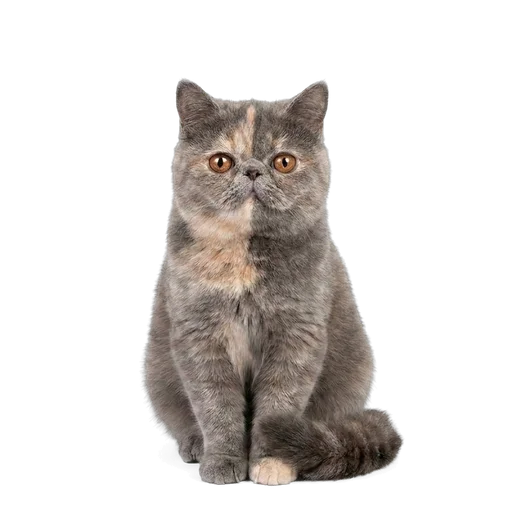
The Chartreux is the blue-gray cat of France, easy to spot by its dense woolly coat, round copper-orange eyes, and the gentle upturned mouth that gives it a permanent soft smile. This is a quiet, undemanding cat that bonds hard to its people and then follows them room to room without making a fuss about it. Chartreux rarely meow; most owners get a soft chirp or a silent look instead. They settle well into calm homes and handle families, other pets, and apartment life with the same low-drama ease. If you want a devoted companion that watches you cook dinner rather than yells at you for it, this is the breed.
Temperament & personality
Chartreux are famously placid. They like to be near you, often on the same sofa or the next chair over, but they are not clingy in the demanding sense. A Chartreux will sit quietly and wait rather than pester you, which is part of why the breed reads as calm and loyal rather than needy.
They tend to attach strongly to one or two people while staying friendly with the rest of the household. Because they are so quiet, changes in their routine or mood can be easy to miss, so pay attention to appetite and litter-box habits as your early warning system.
Despite the mellow reputation, these cats keep a working hunter's brain. Some will carry a toy back for another throw, most learn where the treats live, and all of them can stalk a feather toy with real focus. Short daily play sessions keep them satisfied and help prevent the weight gain that a laid-back indoor cat can drift into.
Vaccination schedule
Kittens start the FVRCP core vaccine (feline viral rhinotracheitis, calicivirus, and panleukopenia) at 6 to 8 weeks, with boosters every 3 to 4 weeks until at least 16 weeks of age. This series protects against the most common and most dangerous feline viruses, and skipping the later boosters leaves real gaps in immunity.
Rabies is given once between 12 and 16 weeks, following local law on timing and revaccination intervals. Even a strictly indoor Chartreux should have it, since indoor cats do occasionally slip outside and bats can get into the house.
FeLV (feline leukemia) vaccination is recommended for any cat with outdoor access or that lives with cats who go outside. A purely indoor-only Chartreux may not need ongoing FeLV boosters after the kitten series, so discuss lifestyle honestly with your vet. Adults then move to FVRCP and rabies boosters every 1 to 3 years based on the product used and your vet's protocol.
Best food & diet
Chartreux do best on a complete, species-appropriate diet built around real animal protein. Cats are obligate carnivores, so look for a named meat as the first ingredient and enough moisture in the overall diet, whether through wet food, a wet-plus-dry mix, or good hydration alongside kibble.
This is a solid, muscular breed that can quietly gain weight because it moves less than a wiry outdoor cat. Feed measured portions rather than free-feeding, weigh your cat every few months, and cut back at the first sign the waistline is disappearing. Staying lean matters for this breed given its joint tendencies.
Chartreux can develop urinary issues such as struvite bladder stones. Wet food and a clean, always-available water source both help dilute the urine and lower stone risk, and a diet formulated for urinary health is worth discussing with your vet if your cat has had a problem before.
Common health problems
The Chartreux is generally hardy, but a few conditions are worth knowing. Patellar luxation, where the kneecap slips out of its groove, can cause a skipping or hopping gait in a back leg. Mild cases are managed conservatively; more severe ones sometimes need surgery.
Hip dysplasia is unusual in cats but is documented in the Chartreux. It shows up as stiffness, reluctance to jump, or a change in how the cat gets up onto favorite perches. For both this and patellar luxation, keeping the cat lean is the single most useful thing an owner can do to protect the knees and hips.
Polycystic kidney disease (PKD) is an inherited condition where fluid-filled cysts form in the kidneys over time. Responsible breeders screen for it, so ask about parental testing. Chartreux can also form struvite bladder stones: watch for straining to urinate, blood in the urine, or frequent small trips to the litter box. A male cat straining to pass urine and producing nothing is a medical emergency.
Allergies & skin
The Chartreux is not a hypoallergenic breed. Its dense double coat sheds a moderate amount, and the allergen most people react to (Fel d 1 in saliva and dander) is present as it is in any cat. People with mild sensitivities sometimes cope better with regular grooming and cleaning, but no cat is truly allergy-free.
The thick woolly coat can trap moisture and debris against the skin, so check for redness, flaking, or damp patches during grooming, especially in humid weather. Fleas are a common trigger for feline skin allergy, and a single flea can set off itching well out of proportion to the bite.
If your Chartreux is overgrooming, developing scabby bumps along the back, or losing hair in patches, book a vet visit rather than guessing. Food sensitivity, flea allergy, and environmental allergy can all look similar on the skin and each is treated differently.
Flea, tick & worm prevention
Use only flea and tick products labeled for cats. This matters more than any other line in this guide: dog spot-on treatments containing permethrin are highly toxic to cats and can cause tremors, seizures, and death. Never apply a dog product to a Chartreux, and keep treated dogs separated from the cat until the product dries.
A monthly or every-three-months cat-safe preventive covers fleas and, depending on the product, ticks and certain worms. Your vet can match the product to your cat's lifestyle, since a strictly indoor cat needs less coverage than one with garden access.
Worm your cat on a schedule your vet sets, typically every 3 to 6 months for a low-risk indoor adult, more often for hunters. Kittens need more frequent worming early on. Signs of worms include a pot-bellied look, visible segments near the tail, or weight loss despite a good appetite.
Medications & dosing
All medication for a Chartreux should be weight-based and vet-directed. Cats metabolize drugs very differently from dogs and humans, and a dose that is safe for one species can poison another. Weigh your cat before dosing rather than guessing, since even a half-kilo error changes the math.
Never give human painkillers. Paracetamol (acetaminophen) is lethal to cats even in tiny amounts, and ibuprofen and aspirin are dangerous without veterinary supervision. If your cat seems to be in pain, call your vet for a feline-safe option instead of reaching for the medicine cabinet.
Give the full course of any prescribed antibiotic even if your cat looks better early, and confirm with your vet before combining any two medicines or supplements. Because Chartreux are so stoic, they hide discomfort well, so follow the prescribed plan rather than stopping when the cat 'seems fine'.
Grooming & coat care
The Chartreux coat is dense, woolly, and slightly water-resistant, closer to sheep's wool than to a sleek shorthair. It needs regular attention but not aggressive brushing. Comb through it once or twice a week with a wide-toothed comb to lift loose undercoat and prevent the woolly texture from matting.
Do not brush the coat hard or use a fine slicker with heavy pressure. Over-brushing pulls out too much undercoat and thins the dense, plush look the breed is known for. A gentle comb-through, following the lie of the coat, is all it needs most weeks.
Shedding steps up in spring and autumn, so comb more often during those seasons to stay ahead of loose hair. Round out grooming with a nail trim every few weeks, a weekly ear check, and dental care such as tooth brushing or vet-approved dental products, since dental disease is common across all cat breeds.
How the Chartreux compares
Deciding between similar breeds? Here is the Chartreux next to Exotic Shorthair and British Longhair.
| Chartreux | Exotic Shorthair | British Longhair | |
|---|---|---|---|
| Size | Medium | Medium | Medium |
| Weight | 3-7.5 kg | 3-6 kg | 3-7 kg |
| Lifespan | 12-15 yrs | 12-15 yrs | 14-20 yrs |
| Activity | Calm | Calm | Calm |
| Shedding | Medium | Medium | Medium |
| Good with kids | Yes | Yes | Yes |
| Apartment-friendly | Yes | Yes | Yes |
Frequently asked questions
Are Chartreux cats good for first-time owners?
Yes. Their calm, quiet, low-drama nature makes them one of the easier cats to live with. They tolerate apartment life, get along with children and other pets, and don't demand constant attention, though they do want to be near their people.
Do Chartreux cats meow a lot?
No, they are one of the quietest breeds. Many Chartreux rarely vocalise at all, offering a soft chirp or a silent stare instead of a meow. Because they are so quiet, watch their appetite and litter habits as your main clue that something is wrong.
Are Chartreux hypoallergenic?
No. No cat is truly hypoallergenic, and the Chartreux has a dense double coat that sheds a moderate amount and carries the usual Fel d 1 allergen in its saliva and dander. Regular grooming and cleaning can reduce, but not eliminate, exposure.
How should I groom a Chartreux's woolly coat?
Comb it gently once or twice a week with a wide-toothed comb, and comb more often during spring and autumn shedding. Do not brush the woolly double coat hard, as heavy brushing damages its plush texture.
What health problems are common in Chartreux?
The main ones are patellar luxation, hip dysplasia (unusual in cats but seen in this breed), and inherited polycystic kidney disease. Like all cats, they can also develop urinary issues such as struvite bladder stones, so watch for straining or blood in the urine. Keeping your cat lean protects the joints, and buying from a breeder who screens for PKD lowers the kidney risk.
Related breeds


Health and care information is drawn from established veterinary sources and is general guidance, not veterinary advice. See our sources
Keep records for your Chartreux
Vaccinations, food and treat safety, allergy alerts and parasite reminders - all tracked for your Chartreux in the Pethls app.