

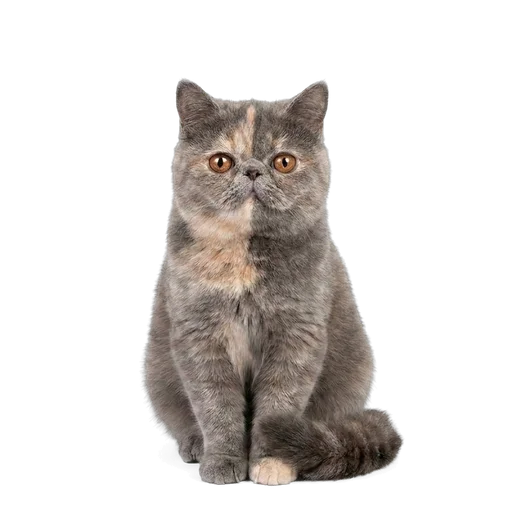
Origin: United States
Exotic Shorthair
Get reminders for your Exotic Shorthair's vaccines
Vaccination and parasite reminders, food-safety scans and health records — free to start in the Pethls app.


Good for
The Exotic Shorthair is often called the "lazy man's Persian": it has the round face, big eyes and sweet nature of a Persian, but in a short, dense, plush coat that needs far less brushing. It is a calm, quiet, low-energy cat that lives for a warm lap and a slow afternoon. That same flat, brachycephalic face brings real health considerations, from breathing to eye discharge, so this is a breed where day-to-day care matters. Medium sized at roughly 3 to 6 kg, they typically live 12 to 15 years. If you want an affectionate companion that suits flat living and a quieter home, the Exotic fits well.
Temperament & personality
Exotic Shorthairs are gentle, undemanding and quiet. They rarely race around the house and are happy to spend much of the day dozing near you, then wake for a gentle play session or a cuddle. Their soft, chirpy voice and calm manner make them easy company in a small space.
They are affectionate without being needy. Many will follow you from room to room and settle on your lap the moment you sit down, but they are not the type to scale the curtains or demand constant games. This mellow nature suits apartments, older owners and first-time cat keepers.
Because they are so placid, they tolerate handling and grooming well, which helps with the daily face care the breed needs. They generally get on with calm children and other easygoing pets. Just avoid a chaotic, high-traffic household, which can stress a cat that prefers a predictable routine.
Vaccination schedule
Kittens begin the core FVRCP vaccine at 6 to 8 weeks and continue with boosters every 3 to 4 weeks until at least 16 weeks of age. This protects against feline viral rhinotracheitis, calicivirus and panleukopenia. Rabies is given once between 12 and 16 weeks where required by law and local risk.
Feline leukaemia (FeLV) vaccination is advised for any cat with outdoor access or contact with cats of unknown status. Most Exotics live strictly indoors, so FeLV may be optional after a discussion with your vet, but it is worth having if the cat will ever go outside or meet other cats. Kittens should be tested for FeLV and FIV first.
A booster follows at about one year, then FVRCP every 1 to 3 years and rabies per label. Keep the schedule current even for indoor cats, since respiratory viruses can arrive on shoes, hands and carriers, and an indoor-only life is not full protection on its own.
Best food & diet
Feed a complete, life-stage-appropriate diet that meets AAFCO or FEDIAF standards, with a named meat as the main ingredient. The flat face means Exotics can struggle to pick up ordinary kibble shapes, so many do better with wet food or a kibble designed for brachycephalic cats, where the pieces are shaped for a short muzzle.
Weight control is central to this breed. Extra fat around the chest and abdomen makes the already-compromised breathing worse and adds strain in warm weather. Portion to a lean body condition, weigh your cat regularly, and resist the urge to free-feed. Two or three measured meals a day give you far better control than leaving food out.
Wet food raises daily water intake, which supports kidney health and eases the load on the urinary tract. Keep fresh water available at all times. Because beef, chicken and dairy are among the most common feline food-allergy triggers, avoid milk treats and introduce any new protein slowly while watching for tummy upset or itchy skin.
Common health problems
The defining issues come from the flat, brachycephalic face. Brachycephalic airway syndrome means narrowed nostrils and a compressed airway, causing snoring, snuffling, noisy breathing and poor tolerance of heat and exercise. Keep the cat cool, avoid stress in hot weather, and see a vet promptly if breathing becomes laboured or open-mouthed.
Those large, prominent eyes are easily injured, and blocked tear ducts can cause tears to overflow and stain the face. Daily wiping keeps the folds clean and prevents skin infection. Watch for squinting, cloudiness or a scratched cornea, which need same-day veterinary attention. The short jaw also crowds the teeth, raising the risk of gum disease, so dental care is not optional.
Alongside those brachycephalic issues, the breed also inherits risks from its Persian line: polycystic kidney disease (PKD) and hypertrophic cardiomyopathy (HCM) are worth screening for. Ask the breeder for PKD gene testing and a heart ultrasound (echocardiogram) on the parents, and plan periodic heart screening as the cat ages. Overheating is a genuine danger in this breed, so never leave an Exotic in a hot car or a stuffy room, and provide shade and airflow in summer.
Allergies & skin
Food allergies in Exotics usually involve common proteins and dairy, especially beef, chicken and milk-based treats. Signs point to itchy skin, over-grooming, ear trouble or digestive upset rather than sneezing. A vet-supervised elimination diet over 8 to 12 weeks is the way to pin down the culprit; guessing with random "sensitive" foods rarely works.
Dust mites are a frequent environmental trigger and can cause itching and watery eyes, which is easy to confuse with the normal tear overflow of a flat-faced cat. Reduce dust with regular cleaning, wash bedding hot, and keep the sleeping area clear of clutter that traps allergens.
The facial folds and the area under the eyes need particular attention. Trapped moisture and tear staining create warm, damp skin where yeast and bacteria thrive, leading to redness and a sour smell. Wipe the folds daily with a soft, damp cloth or vet-recommended wipe and dry gently. Any raw, sore or persistently inflamed skin should be checked by a vet.
Flea, tick & worm prevention
Only ever use cat-licensed parasite products. Dog spot-ons that contain permethrin are severely toxic to cats and can cause tremors, seizures and death. Never treat an Exotic with a dog product, and keep any treated dog in the home separated until the treatment has fully dried.
Most Exotics live indoors, which lowers but does not remove parasite risk. Fleas can arrive on other pets, on visitors or through an open door, so a routine flea plan is still sensible. Your vet can recommend a suitable cat-safe spot-on or tablet and advise on frequency based on your household.
Worming follows a vet schedule set by lifestyle. A strictly indoor Exotic that never hunts needs less frequent worming than an outdoor cat, but should not be skipped entirely, since fleas can carry tapeworm. Kittens are wormed regularly in the early weeks before settling into an adult routine.
Medications & dosing
Dose every medication by current body weight, weighing your cat first rather than estimating. A 3 kg Exotic and a 6 kg one need very different amounts, and this matters most for wormers, flea treatments and any heart or kidney medication the vet prescribes.
Never give human painkillers. Paracetamol and ibuprofen are toxic to cats even in tiny amounts, and many creams and dog medicines are dangerous too. Keep all human medication out of reach and check with your vet before giving anything new.
Sedation and anaesthesia carry extra risk in brachycephalic cats because of the compromised airway, so always tell your vet the breed before any procedure and choose a practice comfortable with flat-faced patients. Cats on long-term HCM or kidney medication need regular monitoring, so give drugs exactly as directed and keep the follow-up appointments.
Grooming & coat care
The short, dense, plush coat is the whole point of the breed: it carries the Persian look with a fraction of the upkeep. Weekly brushing with a fine comb or slicker is usually enough to remove loose hair and keep the coat healthy. Shedding is moderate overall, so during heavier periods you may want to brush a couple of times a week.
Face care is the daily task that cannot be skipped. Wipe under the eyes and inside the facial folds every day to clear tear staining and discharge, using a soft damp cloth or a vet-approved wipe, then dry gently. This simple routine prevents the skin infections and staining that plague neglected flat-faced cats.
Add weekly nail trims, ear checks and regular tooth brushing, since dental crowding makes gum disease more likely. Because the coat is short and low-maintenance, bathing is rarely needed, though the occasional bath can help a cat that struggles to keep its rear clean. Keep the cat cool and calm throughout any grooming session.
How the Exotic Shorthair compares
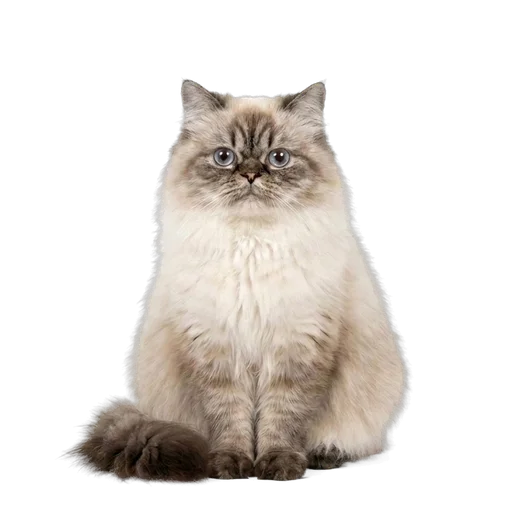
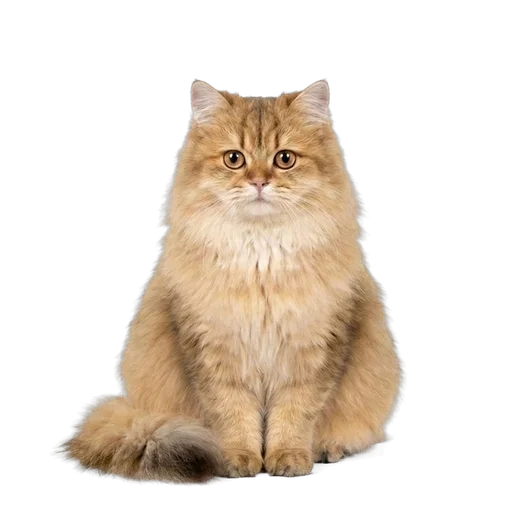
Deciding between similar breeds? Here is the Exotic Shorthair next to Himalayan and British Longhair.
| Exotic Shorthair | Himalayan | British Longhair | |
|---|---|---|---|
| Size | Medium | Medium | Medium |
| Weight | 3-6 kg | 3.5-5.5 kg | 3-7 kg |
| Lifespan | 12-15 yrs | 9-15 yrs | 14-20 yrs |
| Activity | Calm | Calm | Calm |
| Shedding | Medium | High | Medium |
| Good with kids | Yes | Yes | Yes |
| Apartment-friendly | Yes | Yes | Yes |
Frequently asked questions
What is the difference between an Exotic Shorthair and a Persian?
They share the same round face, body type and gentle personality, but the Exotic has a short, plush coat instead of a long one. That means much less grooming, which is why it is nicknamed the lazy man's Persian.
Do Exotic Shorthairs have breathing problems?
They can. The flat, brachycephalic face narrows the airway, causing snoring, snuffly breathing and poor heat tolerance. Keep them cool, keep them lean, and see a vet if breathing becomes noisy or laboured.
How much grooming does an Exotic Shorthair need?
Brushing is light, usually once a week thanks to the short coat. The daily job is wiping the eyes and facial folds to clear tear staining and prevent skin infection.
Are Exotic Shorthairs good apartment cats?
Very much so. They are calm, quiet and low-energy, content to nap and cuddle rather than climb and race around, which suits flats and quieter households well.
Are Exotic Shorthairs hypoallergenic?
No. They shed a moderate amount and produce the usual cat allergen, so people with cat allergies are likely to react. No cat breed is genuinely hypoallergenic.
Related breeds
Health and care information is drawn from established veterinary sources and is general guidance, not veterinary advice. See our sources
Keep records for your Exotic Shorthair
Vaccinations, food and treat safety, allergy alerts and parasite reminders - all tracked for your Exotic Shorthair in the Pethls app.