

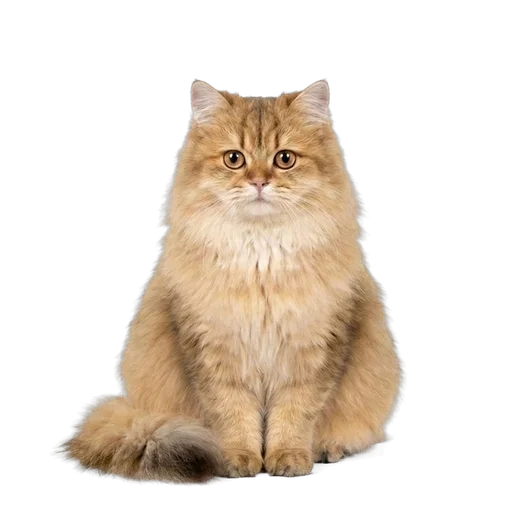
Origin: United Kingdom
British Longhair
Get reminders for your British Longhair's vaccines
Vaccination and parasite reminders, food-safety scans and health records — free to start in the Pethls app.


Good for
The British Longhair is essentially a British Shorthair in a plush, flowing coat: a sturdy, round-faced cat with a calm, unflappable temperament. These cats are affectionate on their own terms, happy to be near you and to accept a fuss, but not the type to cling or demand constant lap time. They are famously easygoing, tolerating gentle children and other animals with quiet dignity rather than drama. Many live a long time, into their late teens and sometimes beyond, which makes them a genuine long-term family member. If you want a relaxed, low-key companion that gives affection on its own schedule, the British Longhair is a good match.
Temperament & personality
British Longhairs are the definition of composed. They move through the house at their own unhurried pace, settle into favorite spots, and take household chaos in stride. Loud visitors, a new baby, a rearranged living room: most of it rolls off them without a fuss.
Affection with this breed is offered rather than demanded. A British Longhair will often choose to sit beside you instead of on you, and many are not keen on being picked up and carried. That independence is part of the charm: they enjoy your company without needing to monopolize it.
They get along well with respectful children and other pets, tolerating gentle handling with patience. They are not high-energy performers, so do not expect fetch marathons or acrobatics. A few short play sessions a day keep them engaged; the rest of the time they are content to observe from a comfortable perch.
Vaccination schedule
Kittens begin the FVRCP core vaccine (protecting against feline viral rhinotracheitis, calicivirus, and panleukopenia) at about 6 to 8 weeks, with boosters every 3 to 4 weeks until they are at least 16 weeks old. The dose given after 16 weeks is the one that ensures lasting protection once maternal antibodies have faded.
Rabies vaccination is given once between 12 and 16 weeks of age, following your vet's product and local requirements. Core boosters then move to a 1 to 3 year interval depending on the vaccines used.
FeLV (feline leukemia) vaccination is advised for cats with outdoor access or contact with unknown cats. Many British Longhairs live entirely indoors, in which case long-term FeLV boosters may be unnecessary, though vets commonly recommend the vaccine in the first year while kittens are most vulnerable. Base the decision on your cat's actual exposure.
Best food & diet
The single most important dietary rule for a British Longhair is portion control. This breed has a strong tendency to gain weight, and a heavy, food-motivated cat with a naturally solid build can slide into obesity almost unnoticed under all that fur. Feed measured meals of a complete, protein-forward food rather than leaving dry food out all day.
Because they are relatively low-energy, their calorie needs are modest for their size. Weigh your cat regularly and learn to feel the ribs under the coat. If you cannot easily feel the ribs, it is time to adjust portions with your vet.
Fresh water should always be available, and a fountain can encourage drinking, which supports general urinary and kidney health. Keeping a cat lean and well hydrated is good practice for any cat, and it will not hurt a breed prone to polycystic kidney disease, though that inherited condition is managed through screening rather than diet.
Common health problems
Hypertrophic cardiomyopathy (HCM), a thickening of the heart muscle, is the most significant inherited concern in the breed. It may develop silently, so watch for lethargy, faster breathing, or reduced tolerance for activity, and treat any sudden hind-leg weakness or breathing distress as an emergency. Vets can screen at-risk cats with cardiac ultrasound.
Polycystic kidney disease (PKD), inherited from the breed's British Shorthair and Persian background, causes fluid-filled cysts to form in the kidneys and can lead to kidney failure over time. Screening matters here: reputable breeders test their lines, and a DNA or ultrasound check can flag affected cats. Early detection lets you manage kidney health long before a crisis.
The breed's marked tendency to gain weight is a health issue in its own right. Obesity worsens joint problems, raises diabetes risk, and complicates heart and kidney disease. Keeping a British Longhair lean is one of the simplest ways to protect its health. Regular checkups, weight monitoring, and PKD-aware breeding all help a cat that may live well into its late teens.
Allergies & skin
Under the British Longhair's plush coat sits fairly resilient skin, but the density of that coat means problems can hide until they are advanced. Part the fur during grooming and check for flakes, redness, scabs, or thinning, especially where mats tend to form behind the legs and under the arms.
This breed is not hypoallergenic. The thick coat holds and spreads plenty of the Fel d 1 allergen through dander, so do not assume a long coat is safer than a short one for someone with cat allergies. Spend time with the breed before committing if allergies are a concern in your household.
For the cat, the common culprits are flea-bite allergy, food sensitivities, and environmental allergens. Signs include over-grooming, itchy skin, and hair loss. Consistent flea control removes the most frequent trigger, and if a food allergy is suspected, your vet can guide an elimination diet to pinpoint the ingredient.
Flea, tick & worm prevention
Only ever use flea and tick products formulated for cats. Dog products can be dangerous, and permethrin in particular, found in many canine spot-ons, is toxic and can be fatal to cats. In a mixed dog-and-cat home, keep the cat well away from any treated dog until the product has dried completely.
Even a stay-at-home British Longhair can get fleas brought in on shoes, clothing, or another pet, so year-round cat-safe prevention is the reliable choice. Your vet will match a spot-on or oral product to your cat's weight and habits.
Worming frequency depends on lifestyle. A purely indoor, non-hunting cat needs deworming less often than an outdoor hunter, and periodic faecal testing confirms you are on the right schedule. Combination products that cover both fleas and worms simplify the routine, which is handy for a breed that would rather not be fussed with.
Medications & dosing
Medication for a British Longhair must be dosed by weight and prescribed by your vet. This breed spans a wide range, roughly 7 to 15 pounds (about 3 to 7 kg), and coat volume can make a cat look heavier or lighter than it is. Use an actual scale weight, not a visual guess, so the dose is right.
Human medicines are off limits. Paracetamol is deadly to cats in even small doses, and ibuprofen and aspirin should never be given without explicit veterinary instruction. If your cat is uncomfortable or unwell, contact your vet instead of improvising.
For a cat on long-term heart or kidney medication, give every dose on schedule and never stop suddenly. These are typically calm, cooperative cats, which helps at pill time, but ask your vet about palatable formulations if your cat resists. Consistent dosing is what keeps chronic conditions stable.
Grooming & coat care
The British Longhair's dense, plush coat needs regular attention to stay mat-free. Aim to brush and comb two or three times a week, working down to the skin rather than just skimming the surface, with extra attention to the areas prone to knots: behind the legs, under the arms, and around the rump.
Shedding is moderate and picks up during seasonal coat changes, when more frequent brushing keeps loose fur under control and reduces hairballs. A grooming session is also a good moment to run your hands over the cat and check its body condition.
Finish with routine nail trims, ear checks, and dental care. Regular tooth brushing with cat-safe toothpaste protects against dental disease, and starting these habits early makes the calm British Longhair an easy patient for life.
How the British Longhair compares
Deciding between similar breeds? Here is the British Longhair next to British Shorthair and Exotic Shorthair.
| British Longhair | British Shorthair | Exotic Shorthair | |
|---|---|---|---|
| Size | Medium | Medium | Medium |
| Weight | 3-7 kg | 4-8 kg | 3-6 kg |
| Lifespan | 14-20 yrs | 12-17 yrs | 12-15 yrs |
| Activity | Calm | Calm | Calm |
| Shedding | Medium | Medium | Medium |
| Good with kids | Yes | Yes | Yes |
| Apartment-friendly | Yes | Yes | Yes |
Frequently asked questions
What is the difference between a British Longhair and a British Shorthair?
They are essentially the same breed with different coat lengths. The British Longhair carries a plush, flowing coat from Persian ancestry, while sharing the Shorthair's round face, sturdy build, and famously calm temperament.
Are British Longhairs good for first-time cat owners?
Yes. Their easygoing, low-drama nature and modest energy make them forgiving companions. The main responsibilities to stay on top of are regular coat grooming and strict portion control to prevent weight gain.
How long do British Longhairs live?
They are a long-lived breed, commonly reaching 14 to 20 years with good care. Keeping them lean and screening for the heart and kidney conditions the breed is prone to supports that long lifespan.
Do British Longhairs like to be held?
Not usually. They are affectionate but independent and often prefer sitting beside you to being picked up and carried. Let one come to you and it will happily share your company on its own terms.
Why is weight such a concern for this breed?
British Longhairs are food-motivated, relatively low-energy, and naturally solid, so they gain weight easily, and the thick coat hides it. Measured meals and regular weigh-ins prevent obesity, which worsens their heart, kidney, and joint risks.
Related breeds
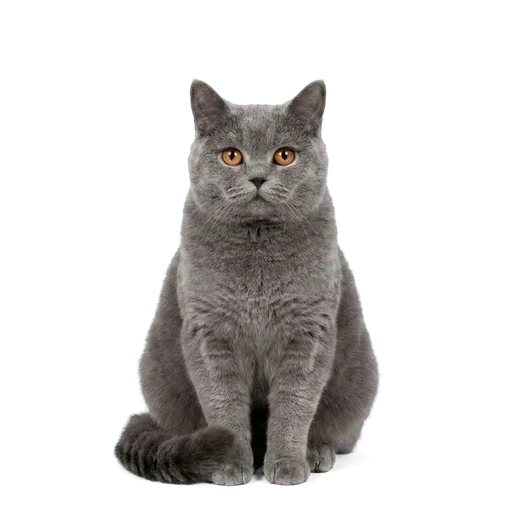
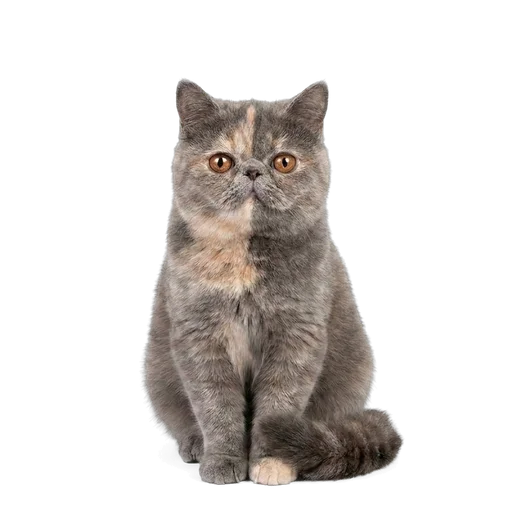
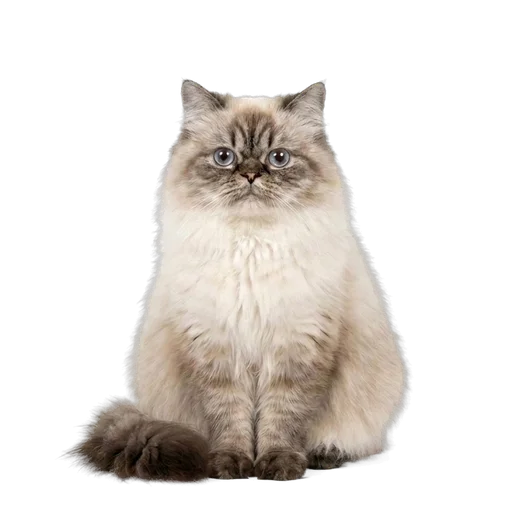
Health and care information is drawn from established veterinary sources and is general guidance, not veterinary advice. See our sources
Keep records for your British Longhair
Vaccinations, food and treat safety, allergy alerts and parasite reminders - all tracked for your British Longhair in the Pethls app.