

Origin: United States
Himalayan
Get reminders for your Himalayan's vaccines
Vaccination and parasite reminders, food-safety scans and health records — free to start in the Pethls app.


Good for
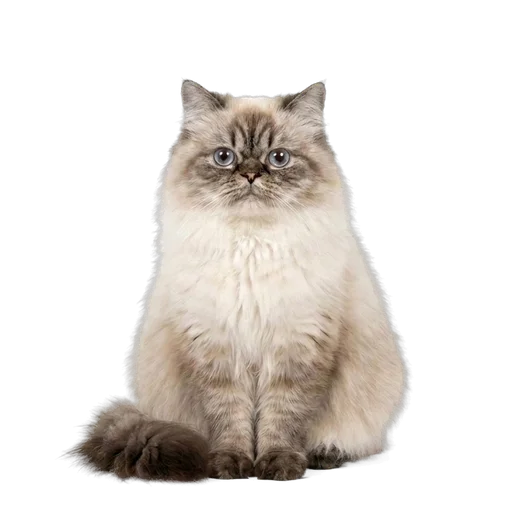
The Himalayan is a colorpoint Persian, created by crossing the Persian with the pointed Siamese to give the Persian's long, plush coat and heavy body the striking blue eyes and point coloring of the Siamese. The result is a heavy-bodied, low-energy lap cat with a sweet, gentle temperament and a face that asks for very little beyond a warm spot and a soft brush. Most weigh between 3.5 and 5.5 kg and live 9 to 15 years. They suit apartments and quiet households beautifully, and they get along with gentle children and other pets. The flat brachycephalic face that makes them so recognizable also brings real health considerations, so this is a breed that rewards an owner who plans ahead.
Temperament & personality
Himalayans are calm, affectionate, and undemanding. They tend to pick a person or two, follow them from room to room, and settle into a lap for hours rather than tearing around the house. Their voice is soft and they use it rarely, which is part of what makes them such easy apartment cats.
There is a playful streak underneath the serenity. A Himalayan will happily bat a feather wand or chase a ping-pong ball across the floor, then flop over and go back to being a cushion. Short, gentle play sessions a couple of times a day keep them from getting bored and a little pudgy.
They dislike chaos. Loud, high-energy homes with rough handling stress them, but they do well with calm kids who understand that this cat wants company, not wrestling. Introduced slowly, they coexist peacefully with other cats and easygoing dogs.
Vaccination schedule
Kittens start the FVRCP core vaccine (feline viral rhinotracheitis, calicivirus, and panleukopenia) at 6 to 8 weeks, with boosters every 3 to 4 weeks until they are at least 16 weeks old. This series protects against the respiratory and gut viruses that hit young cats hardest, and the last dose past 16 weeks matters because maternal antibodies can otherwise blunt an earlier shot.
Rabies is given once between 12 and 16 weeks, then boosted per your local law and the vaccine brand, usually at 1 year and every 1 to 3 years after. Rabies is legally required in many regions even for indoor cats.
Feline leukemia (FeLV) is recommended for any cat with outdoor access or exposure to cats of unknown status, and veterinary guidelines recommend it for all kittens because a cat's lifestyle can change. Most Himalayans live strictly indoors, so discuss FeLV honestly with your vet based on your household. After the kitten series, an adult FVRCP and rabies booster schedule keeps immunity topped up for life.
Best food & diet
Himalayans do well on a high-quality complete cat food with named animal protein as the first ingredient. Because they are low-energy and prone to putting on weight, portion control matters more than with an active breed. Feed measured meals rather than leaving a full bowl out all day, and weigh your cat every few months so you catch creep early.
The flat face makes picking up kibble awkward for some Himalayans. Kibble shaped for brachycephalic cats, which they can scoop with the tongue, or a mix that includes wet food helps them eat comfortably. Wet food also raises water intake, which is useful given this line's kidney risks.
Watch the ingredient panel for beef, salmon, and dairy, which are common triggers for this breed. Do not give cow's milk as a treat; adult cats are largely lactose intolerant and it causes loose stools. If your cat has a sensitive stomach or itchy skin, a limited-ingredient or novel-protein diet trialed with your vet can help pin down the culprit.
Common health problems
Polycystic kidney disease (PKD) runs in the Persian and Himalayan lines. Fluid-filled cysts form in the kidneys and slowly enlarge, eventually reducing kidney function in mid to later life. Reputable breeders DNA test their breeding cats and only pair PKD-negative animals, so ask to see results. Early signs include increased drinking and urination, weight loss, and poor appetite; catching it early with bloodwork and diet management buys years of good quality life.
The flat brachycephalic face causes narrowed nostrils and a compressed airway in many Himalayans. This shows up as noisy breathing, snorting, reduced exercise tolerance, and real heat sensitivity. Keep them cool in summer, never leave them in a hot car or sunroom, and take snoring or open-mouth breathing seriously rather than treating it as normal for the breed.
Hypertrophic cardiomyopathy (HCM), a thickening of the heart muscle, occurs in the breed and can be silent until it is advanced. A yearly exam with a heart scan if a murmur is heard helps catch it. Blocked or narrowed tear ducts are common in this flat-faced breed and cause eye discharge and tear staining, so tell your vet about any change in your cat's eyes. Dental crowding from the short jaw can trap food and contribute to gum disease, so keep up regular dental checks. A yearly vet exam keeps these on the radar.
Allergies & skin
Food-related reactions in Himalayans often show as itchy skin, over-grooming, ear inflammation, or digestive upset rather than sneezing. Beef, salmon, and dairy are the usual dietary suspects. Pinning down a food allergy means an 8 to 12 week elimination diet with a single novel or hydrolyzed protein, guided by your vet, with no treats or flavored medicines slipping in.
Environmental allergens matter too. Mold and dust mites can drive year-round itching and watery eyes, which is easy to confuse with the tear-duct discharge this breed already has. Reducing dust, washing bedding weekly in hot water, and keeping humidity moderate to discourage mold all help.
The dense double coat hides skin problems until they are advanced. Part the fur during grooming and look for redness, scabs, flaky patches, or matting close to the skin, especially around the face folds and rear, where moisture and debris collect. Any raw or weeping skin needs a vet, not an over-the-counter cream.
Flea, tick & worm prevention
Even indoor Himalayans need parasite cover, because fleas hitch rides on shoes and dogs, and a single flea can trigger weeks of itching in a sensitive cat. Use only cat-labeled flea and tick products. Never apply a dog spot-on containing permethrin to a cat; permethrin is highly toxic to cats and can cause tremors, seizures, and death.
Your vet can recommend a monthly or long-acting spot-on or oral product dosed to your cat's weight. Products vary in what they cover, so match the product to your cat's real exposure, whether that is fleas only or fleas plus ticks and worms.
Worming still applies to indoor cats, since roundworm and tapeworm can arrive via fleas or hunted prey. Most vets suggest routine deworming a few times a year for low-risk indoor cats, more often if there is outdoor access. Fecal checks at the annual exam confirm you are on the right interval.
Medications & dosing
All medication doses for cats are calculated by body weight, so an accurate current weight is the starting point for anything from antibiotics to pain relief. Never split or repurpose a dog's medication or another cat's leftover prescription; cats metabolize many drugs very differently and the margin for error is small.
Cats are exquisitely sensitive to common human painkillers. Paracetamol (acetaminophen) is lethal to cats even in tiny amounts, and ibuprofen and aspirin are dangerous unless specifically prescribed and dosed by a vet. Keep all human medication out of reach and call your vet or a poison line immediately if your cat swallows any.
Giving a flat-faced Himalayan a pill can be a fight. Ask your vet about flavored compounded liquids, or use a small amount of a lickable treat to hide tablets. Always finish a prescribed course, and if your cat has kidney or heart disease, remind every vet of that history, because it changes which drugs are safe and at what dose.
Grooming & coat care
This is a daily-grooming breed, full stop. The long, thick double coat mats fast, and a neglected Himalayan can sometimes develop painful pelts against the skin within a week or two. Brush thoroughly every day with a stainless steel comb and a slicker brush, working down to the skin rather than skimming the surface, paying special attention to the armpits, belly, and behind the ears.
The flat face needs its own routine. Wipe the eyes and face folds daily with a soft damp cloth or a vet-approved eye wipe to clear the tear staining and stop the folds from getting sore and infected. Many owners keep the fur around the rear trimmed short (a sanitary trim) because the long coat traps litter and feces.
Plan on a bath every few weeks to keep the coat clean and reduce oil buildup, and get kittens used to water early so it stays low-stress. If daily brushing is not realistic for your household, a professional groomer clipping the coat into a shorter lion cut a few times a year is a legitimate, comfortable option for the cat.
How the Himalayan compares
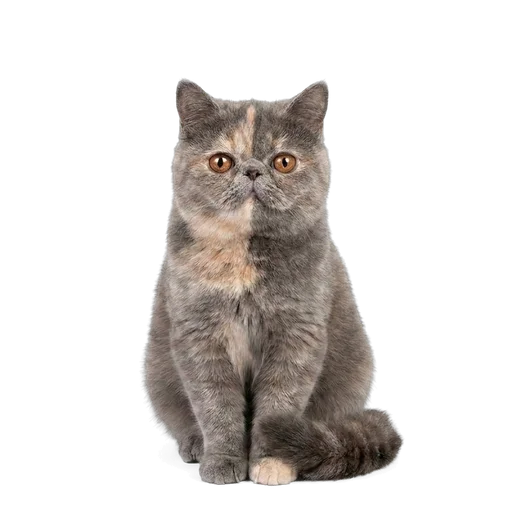
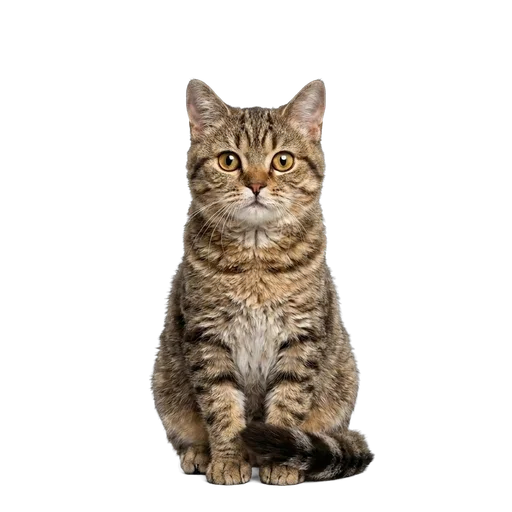
Deciding between similar breeds? Here is the Himalayan next to Exotic Shorthair and American Bobtail.
| Himalayan | Exotic Shorthair | American Bobtail | |
|---|---|---|---|
| Size | Medium | Medium | Medium |
| Weight | 3.5-5.5 kg | 3-6 kg | 3-7 kg |
| Lifespan | 9-15 yrs | 12-15 yrs | 13-15 yrs |
| Activity | Calm | Calm | Moderate |
| Shedding | High | Medium | Medium |
| Good with kids | Yes | Yes | Yes |
| Apartment-friendly | Yes | Yes | Yes |
Frequently asked questions
Are Himalayan cats hypoallergenic?
No. They produce the Fel d1 protein like any cat, and their long, dense coat traps and carries that allergen around the home on shed hair and dander. People with cat allergies usually react to Himalayans, so spend time with the breed before committing.
How much grooming does a Himalayan really need?
Daily. The long double coat mats within days if it is not combed down to the skin, and the flat face needs the eyes and folds wiped every day. If you cannot commit to daily care, a shorter lion-cut clip from a groomer every couple of months keeps the coat manageable.
Why does my Himalayan have constant eye discharge and tear stains?
The flat brachycephalic face can come with narrowed or blocked tear ducts, so tears may overflow onto the fur instead of draining normally. Daily gentle wiping keeps the folds healthy, but sudden thick, colored, or smelly discharge means a vet visit to rule out infection.
Is polycystic kidney disease common in Himalayans?
It has historically been common in the Persian and Himalayan lines, which is exactly why responsible breeders DNA test and only breed PKD-negative cats. Ask any breeder for test results, and have your cat's kidney values checked with routine bloodwork as it ages.
Are Himalayans good for first-time cat owners and apartments?
Yes on temperament. They are calm, quiet, affectionate lap cats that do great in apartments and with gentle kids. The catch is the workload: daily grooming and face care plus the breed's health needs make them a real commitment rather than a low-maintenance pet.
Related breeds
Health and care information is drawn from established veterinary sources and is general guidance, not veterinary advice. See our sources
Keep records for your Himalayan
Vaccinations, food and treat safety, allergy alerts and parasite reminders - all tracked for your Himalayan in the Pethls app.