

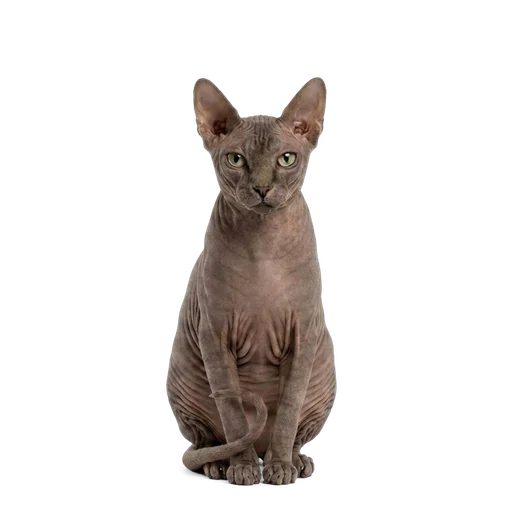
Origin: Russia
Donskoy
Get reminders for your Donskoy's vaccines
Vaccination and parasite reminders, food-safety scans and health records — free to start in the Pethls app.


Good for
The Donskoy, also called the Don Sphynx, is a hairless cat that originated in Russia in the late 1980s. It looks similar to the better-known Sphynx, but its baldness comes from a completely different gene, a dominant one, so the two breeds are not related in the way people often assume. Donskoys have wrinkled skin that feels warm and suede-like to the touch, large ears and expressive eyes, and a personality to match their unusual looks. They are affectionate, social, intelligent and deeply attached to their people. Owning one means committing to skin care rather than coat care, because a hairless cat has needs that a furred cat simply does not.
Temperament & personality
Donskoys are firmly attached to their people. They will pile onto a lap or slip under the covers, partly for the affection they crave and partly because a hairless cat is always hunting for warmth. Most will greet you at the door, follow you around, and want to be involved in whatever you are doing.
They are intelligent and active, playful well into adulthood, and quick to learn games and routines. That cleverness combined with warm, sociable natures makes them engaging companions. The flip side is that they do not cope well with being left alone for long stretches. Many are happiest with a second pet for company.
Their friendly, tolerant temperament suits families and homes with other animals. They tend to be gentle with respectful children and sociable with other cats and dogs. The bare skin and specific care needs mean they suit owners who are prepared to do a bit more day to day, rather than someone wanting a low-effort cat.
Vaccination schedule
Donskoy kittens follow the standard feline core vaccine schedule. FVRCP, protecting against feline viral rhinotracheitis, calicivirus and panleukopenia, starts at 6 to 8 weeks and is repeated every three to four weeks until the kitten reaches at least 16 weeks of age.
Rabies is given once between 12 and 16 weeks, depending on the vaccine and local law. Most Donskoys live strictly indoors because they cannot tolerate cold or strong sun, but any cat with outdoor access or contact with outdoor cats should also receive the FeLV vaccine against feline leukaemia.
A booster is due at around one year, followed by core vaccines every one to three years. Regular checkups matter for this breed, as the vet can keep an eye on the teeth and skin, both of which need close attention in a Donskoy.
Best food & diet
Donskoys eat a complete, balanced cat food suited to their life stage, and many owners find they have a hearty appetite. Because a hairless cat loses more body heat than a furred one, it burns extra energy simply staying warm, so it may need a little more food than you would expect for its size.
Choose a quality diet with a named meat as the first ingredient that meets a recognized standard such as AAFCO or FEDIAF. Feed kitten formula through the first year, then move to adult maintenance food. Keep an eye on body condition, since these cats can be enthusiastic eaters, and adjust portions to keep them lean.
Dental disease is common in the breed, and some Donskoys have missing or poorly formed teeth, so food texture may need adjusting for cats that struggle to chew. Fresh water should always be available, and a warm, draught-free feeding spot suits a cat that feels the cold.
Common health problems
The condition most associated with the Donskoy is feline ectodermal dysplasia, a set of skin and teeth problems tied to the dominant hairless mutation itself, which is why the two tend to travel together. It can leave cats with fragile skin, patchy or absent hair where any down would normally grow, and dental problems, and it is one reason careful breeding matters so much in this breed.
Dental disease and missing teeth are a frequent issue. Some Donskoys are born with incomplete or absent teeth, and gum disease is common, so lifelong dental care and regular veterinary mouth checks are essential rather than optional.
Skin problems are the other major area to watch. Without a coat to protect and regulate it, Donskoy skin is exposed to sunburn, cold, injury and infection, and it needs active management. With attentive care these cats often live long lives, commonly 12 to 15 years, but that longevity depends on staying on top of the skin and teeth.
Allergies & skin
On a hairless cat, the skin produces oils that a coat would normally absorb, so on a Donskoy those oils build up on the surface and in the wrinkles and can leave a brown, waxy residue if left uncleaned. Regular gentle bathing keeps it in check.
Bare skin is vulnerable in ways furred skin is not. Donskoys sunburn easily, so keep them out of strong direct sunlight, and they feel the cold badly, so they need warm bedding, a heated spot in winter and sometimes a soft sweater. Watch the wrinkles and ears for irritation, redness or yeast, which can flare if hygiene slips.
Being hairless does not make the Donskoy hypoallergenic. It still produces the Fel d1 protein that causes most human cat allergies through its skin and saliva, and that protein spreads onto everything the cat touches. Some allergy sufferers actually react more, because there is no coat holding the allergen in place.
Flea, tick & worm prevention
Only use cat-licensed flea and tick products on a Donskoy. Never apply a dog product containing permethrin, which is highly toxic to cats and can cause tremors, seizures and death. On a hairless cat, always check that a spot-on is suitable for direct skin contact and ask your vet before applying anything new.
The bare skin does have an upside for spotting parasites, since fleas and ticks are much easier to see and remove on a Donskoy than on a furred cat. Even so, indoor cats can pick up fleas carried in from outside, so keep up year-round prevention rather than waiting for a problem.
Worming follows a schedule set by your vet based on lifestyle and outdoor access. Most Donskoys are indoor cats and need less frequent worming than hunters, but every cat should have a plan for roundworms and tapeworms. Consistent flea control also helps, because fleas transmit tapeworm when a grooming cat swallows them.
Medications & dosing
All medications for a Donskoy are dosed by weight and prescribed by your vet. Cats handle drugs very differently from humans and dogs, and a small dosing mistake carries real risk in a cat this size, so never improvise from a human medicine cabinet.
Several everyday human medicines are lethal to cats. Paracetamol (acetaminophen) can kill a cat from one tablet, and ibuprofen and related anti-inflammatories are toxic too. Do not give any human over-the-counter medicine to a Donskoy unless your vet has told you to.
One point for hairless cats: some medications are given transdermally, meaning through the skin. If your vet prescribes a transdermal medication, follow their exact instructions on where and how to apply it. Finish any prescribed course, weigh your cat when accuracy matters, and store all medicines out of reach of a clever, climbing cat.
Grooming & coat care
There is almost no coat to groom, so grooming a Donskoy means skin care instead. The main task is regular gentle bathing, roughly weekly for many cats, using a mild cat-safe shampoo to remove the oily residue that collects on the skin and in the folds. Between baths, a soft damp wipe keeps things clean, especially around the wrinkles and paws.
Warmth and sun protection are part of the routine. Donskoys chill easily, so provide cozy bedding, a heated pad or sunny indoor spot in the cold months, and jumpers if your cat tolerates them. At the same time, keep them out of harsh direct sun, since exposed skin burns and long-term sun damage is a genuine risk.
Ears and eyes need frequent attention because there are no lashes or ear hair to keep debris out, so wax and discharge build up faster and should be wiped away gently and regularly. Trim claws as needed, and keep up daily or near-daily tooth care given how prone the breed is to dental disease.
How the Donskoy compares
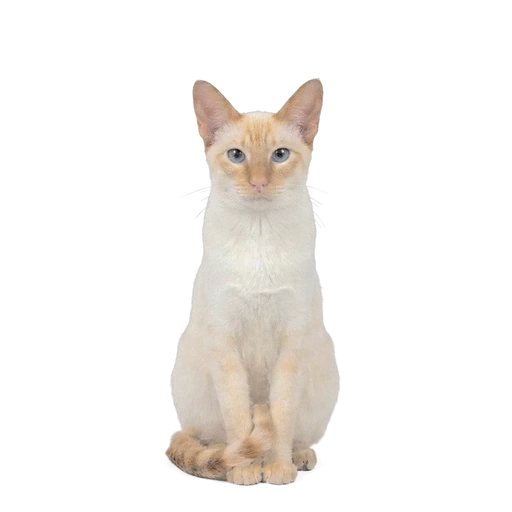
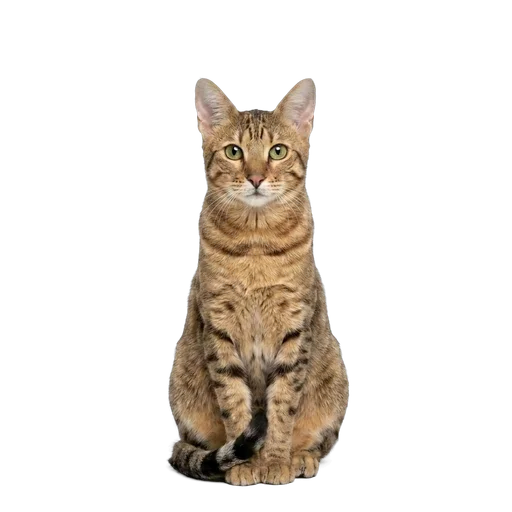
Deciding between similar breeds? Here is the Donskoy next to Colorpoint Shorthair and Serengeti.
| Donskoy | Colorpoint Shorthair | Serengeti | |
|---|---|---|---|
| Size | Medium | Medium | Medium |
| Weight | 3.5-7 kg | 2.5-5.5 kg | 3.5-7 kg |
| Lifespan | 12-15 yrs | 12-16 yrs | 8-12 yrs |
| Activity | Active | Active | Active |
| Shedding | Low | Low | Low |
| Good with kids | Yes | Yes | Yes |
| Apartment-friendly | Yes | Yes | Yes |
Frequently asked questions
Is a Donskoy the same as a Sphynx?
No. The Donskoy and the Sphynx are both hairless, but their baldness comes from completely different genes. The Donskoy's gene is dominant, while the Sphynx's is recessive, and the two breeds are not related. The Donskoy, also called the Don Sphynx, comes from Russia and has its own distinct wrinkled, suede-like skin.
Are Donskoy cats hypoallergenic?
No. Being hairless does not make a Donskoy safe for allergy sufferers. It still produces the Fel d1 protein that causes most cat allergies through its skin and saliva, and with no coat to hold that protein in place, some people actually react more strongly around a Donskoy.
How much grooming does a Donskoy need?
More than a furred cat, but it is skin care rather than brushing. Most need a gentle bath about once a week to remove the oils that build up on bare skin, plus regular ear and eye cleaning, sun protection, warm bedding for the cold, and frequent tooth care.
Do Donskoy cats get cold?
Yes, easily. With little or no coat, Donskoys lose body heat quickly and actively seek out warm spots, laps and sunny windows. In cooler weather they need cozy bedding, a heated pad or a soft sweater, and a warm, draught-free home to stay comfortable.
What health problems do Donskoy cats have?
The main breed concern is feline ectodermal dysplasia, a skin and teeth condition tied to the hairless gene. Dental disease and missing teeth are common, as are skin problems from the exposed, oily skin. With attentive skin and dental care they often live around 12 to 15 years.
Related breeds
Health and care information is drawn from established veterinary sources and is general guidance, not veterinary advice. See our sources
Keep records for your Donskoy
Vaccinations, food and treat safety, allergy alerts and parasite reminders - all tracked for your Donskoy in the Pethls app.