

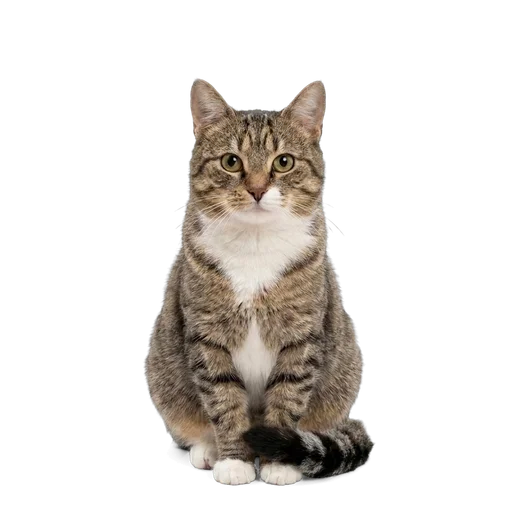
Origin: Sweden
European Shorthair
Get reminders for your European Shorthair's vaccines
Vaccination and parasite reminders, food-safety scans and health records — free to start in the Pethls app.


Good for
The European Shorthair is the pedigree version of the ordinary working cat that has lived alongside people across Europe for centuries, formally standardized in Sweden. Think of the classic tabby that kept barns and homes free of mice, now recognized as a breed in its own right. These cats are hardy, friendly, and refreshingly low-maintenance, with a short dense coat and a calm, adaptable nature. They tend to be excellent hunters and easygoing housemates who fit into busy family life without fuss. Many live 15 to 20 years, with the upper end being exceptional, which makes them a genuinely long-term member of the household.
Temperament & personality
European Shorthairs are steady, affectionate cats that stay sociable without demanding constant attention. They enjoy a lap in the evening but are just as happy watching the household from a favorite perch. Because they descend from generations of self-sufficient working cats, they carry a level-headed streak that makes them easy to live with. Most take household comings and goings in their stride.
The hunting instinct is strong in this breed. Give them a window with a view, a few toys that mimic prey, and some vertical space to climb, and they will keep themselves entertained. They usually get along well with children who handle them gently and with other cats or cat-savvy dogs, especially when introductions are done slowly.
This is a good match for first-time owners and adapts well to apartment living, provided that strong hunting drive gets an outlet. They are quiet and undemanding, but a cat kept indoors needs daily play with prey-style toys, climbing space, and a window to watch, or the pent-up energy turns into boredom. They also appreciate company and a predictable routine. A European Shorthair left completely alone for long stretches every day will do better with a feline companion.
Vaccination schedule
Kittens start their core FVRCP vaccine (feline viral rhinotracheitis, calicivirus, and panleukopenia) at around 6 to 8 weeks of age, then receive boosters every 3 to 4 weeks until they are at least 16 weeks old. This series protects against the most common and dangerous feline viruses, and skipping doses leaves gaps in immunity while the kitten is most vulnerable.
The rabies vaccine is given once between 12 and 16 weeks, following local legal requirements, and is boosted according to the product used and regional rules. If your European Shorthair will have any outdoor access, discuss the FeLV (feline leukemia) vaccine with your vet, since outdoor cats face real exposure risk from contact with other cats.
After the kitten series, adults typically move to a booster schedule of every 1 to 3 years depending on the vaccine and lifestyle. Your vet will tailor the plan to whether your cat stays strictly indoors or roams outside, so keep the annual health check as the point where you review and update the schedule.
Best food & diet
Cats are obligate carnivores, so a European Shorthair needs a complete diet built around animal protein. Choose a good-quality commercial food that meets recognized nutritional standards for the correct life stage, whether kitten, adult, or senior. Both wet and dry foods work, and mixing the two combines the moisture of wet food with the convenience of kibble.
The single biggest dietary risk for this breed is weight gain. They are hearty eaters with a healthy appetite, so free-feeding a full bowl of kibble all day is an easy way to end up with an overweight cat, especially for an indoor cat that burns off less than an active hunter would. Measure portions to the guidance on the pack, adjust for your individual cat's body condition, and treat sparingly. Feeding two or three set meals a day gives you far better control than leaving food down constantly.
Fresh water should always be available, and many cats drink more readily from a wide bowl or a pet fountain. If you ever change foods, transition over 7 to 10 days by mixing increasing amounts of the new food into the old, which avoids stomach upset in an otherwise robust cat.
Common health problems
The European Shorthair is a robust breed with few inherited health problems. As a natural breed shaped by function rather than extreme appearance, it carries very few genetic disorders, and many individuals get through life with nothing more than routine check-ups.
The main thing to watch is obesity, which is not a genetic disease but a lifestyle one, and it drives most of the health trouble seen in this breed. Excess weight raises the risk of diabetes, joint strain, and urinary problems, so keeping your cat lean is the most valuable preventive step you can take. Run your hands over the ribs regularly; you should feel them easily under a thin layer of fat.
Routine dental care matters too, since dental disease is common in all cats regardless of breed. Schedule an annual veterinary exam so problems with teeth, weight, kidneys, or thyroid can be caught early, which is when they are cheapest and easiest to manage in a cat that can, with good care, reach the upper teens or beyond.
Allergies & skin
European Shorthairs are not hypoallergenic. Like all cats they produce the Fel d1 protein in saliva and skin secretions, which is the usual trigger for people with cat allergies. If someone in the home is sensitive, no cat is truly safe, though regular vacuuming, good ventilation, and keeping bedrooms cat-free can reduce symptoms.
The breed's short dense coat and hardy skin mean skin problems are uncommon. Most irritation you might see traces back to fleas, so consistent parasite control usually keeps the skin calm. Flea allergy dermatitis, where a single bite triggers intense itching, is the most likely culprit if your cat suddenly starts overgrooming or develops scabs.
Occasionally a cat reacts to something in its food or environment with itchy skin, ear inflammation, or gastrointestinal upset. If scratching, hair loss, or recurrent ear trouble show up despite good flea control, ask your vet to investigate, since food trials and other diagnostics can pin down the cause rather than leaving you guessing.
Flea, tick & worm prevention
Use only flea and tick products labeled for cats. This is not a minor detail: many dog spot-on treatments contain permethrin, which is highly toxic and potentially fatal to cats even in small amounts. Never apply a dog product to your European Shorthair, and keep treated dogs away from the cat until the product has dried.
Your prevention plan depends on lifestyle. A strictly indoor cat faces far less exposure, but fleas can still hitch a ride into the home on people or other pets, so a cat-safe preventive is still worth using. A cat with outdoor access that hunts is exposed to fleas, ticks, and the worms carried by rodents and prey, and needs consistent year-round protection. Apply a cat-safe flea and tick preventive on the schedule your vet recommends, and remove any ticks promptly and correctly after outdoor time.
Worming should follow a routine set by your vet based on lifestyle. A keen hunter picks up tapeworm and roundworm more often than a strictly indoor cat, so active outdoor cats generally need worming every few months. Fleas also transmit tapeworm, which is one more reason to keep flea control consistent year-round.
Medications & dosing
Medications for cats are dosed by body weight, and the European Shorthair is a solid, medium-to-large cat whose weight varies with sex and build. A dose that suits a small 3.5 kg female could be wrong for a well-built 7 kg male, so weigh your cat before starting anything new rather than relying on an old figure.
Never give human medicines to your cat without explicit veterinary advice. Common painkillers such as paracetamol and ibuprofen are extremely toxic to cats and can be lethal. Cats also metabolize many drugs differently from dogs and people, so what is safe elsewhere is not automatically safe for them.
When your vet prescribes a treatment, follow the full course and the exact dose, even if your cat seems better partway through. If you struggle to give a tablet, ask about liquid formulations, food-hiding methods, or long-acting options. Mention any other supplements or medicines your cat receives so interactions can be avoided.
Grooming & coat care
Grooming needs are minimal. The short dense coat looks after itself for the most part, and a weekly brush is plenty to remove loose hair, spread the natural oils, and keep shedding under control. During seasonal molts you may want to brush a little more often to cut down on the fur you find around the house.
This breed is a medium shedder rather than a heavy one, so a slicker brush or a rubber grooming mitt once a week suits most cats. Regular brushing also gives you a chance to check the skin for fleas, lumps, or scabs, turning grooming into a mini health check.
Round out coat care with the basics: check ears and keep them clean if needed, trim claws every few weeks, and build a tooth-brushing habit to protect against dental disease. Bathing is rarely necessary in a healthy European Shorthair, since the coat stays clean on its own.
How the European Shorthair compares
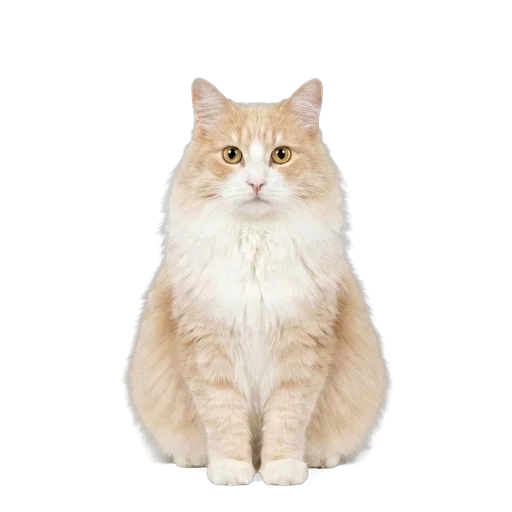
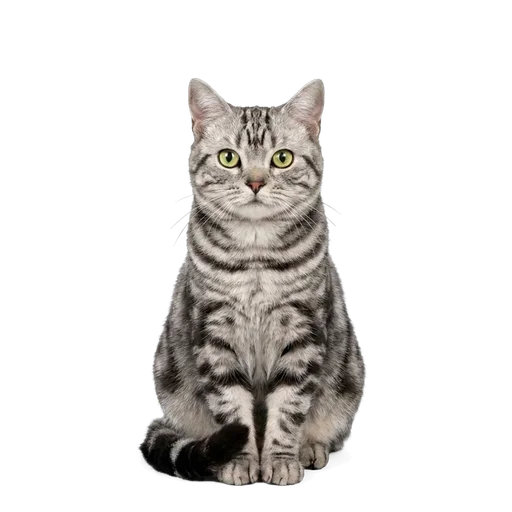
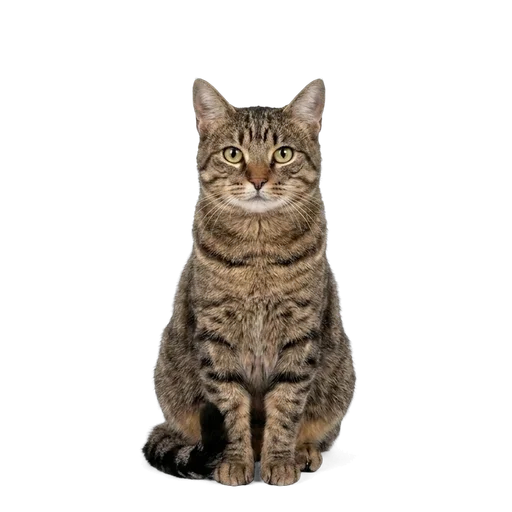
Deciding between similar breeds? Here is the European Shorthair next to Cymric and American Shorthair.
| European Shorthair | Cymric | American Shorthair | |
|---|---|---|---|
| Size | Medium | Medium | Medium |
| Weight | 3.5-7 kg | 3.5-5.5 kg | 3.5-7 kg |
| Lifespan | 15-20 yrs | 10-15 yrs | 15-20 yrs |
| Activity | Moderate | Moderate | Moderate |
| Shedding | Medium | Medium | Medium |
| Good with kids | Yes | Yes | Yes |
| Apartment-friendly | Yes | Yes | Yes |
Frequently asked questions
Is the European Shorthair the same as a regular tabby house cat?
They are closely related but not identical. The European Shorthair is the standardized, pedigreed version of the traditional European house and working cat, bred to a written standard with documented parentage. An ordinary tabby of unknown ancestry looks very similar but is a random-bred domestic shorthair rather than a recognized breed.
How long do European Shorthairs live?
They are a notably long-lived breed, typically living 12 to 20 years, with the top of that range being exceptional rather than the norm. Their hardy natural genetics help, but longevity depends heavily on keeping them at a healthy weight, staying current on vaccines and parasite control, and having annual vet checks to catch problems early.
Are European Shorthairs good for first-time cat owners?
Yes. They are calm, adaptable, hardy, and low-maintenance in both grooming and temperament, which makes them one of the easier breeds to start with. They tolerate apartment life well and get along with children and other pets, so they suit a wide range of households.
Do European Shorthairs need a lot of grooming?
No. A quick weekly brush of the short dense coat is enough for most of the year, with a little extra during seasonal shedding. Beyond that they need only routine claw trims, ear checks, and dental care, and they rarely require bathing.
What is the biggest health concern for this breed?
Obesity. The breed itself is genetically sturdy with few inherited diseases, so the main risk comes from overfeeding a food-motivated cat. Measured portions, set mealtimes, and regular weight checks are the best way to keep an otherwise very healthy cat in good shape.
Related breeds
Health and care information is drawn from established veterinary sources and is general guidance, not veterinary advice. See our sources
Keep records for your European Shorthair
Vaccinations, food and treat safety, allergy alerts and parasite reminders - all tracked for your European Shorthair in the Pethls app.