

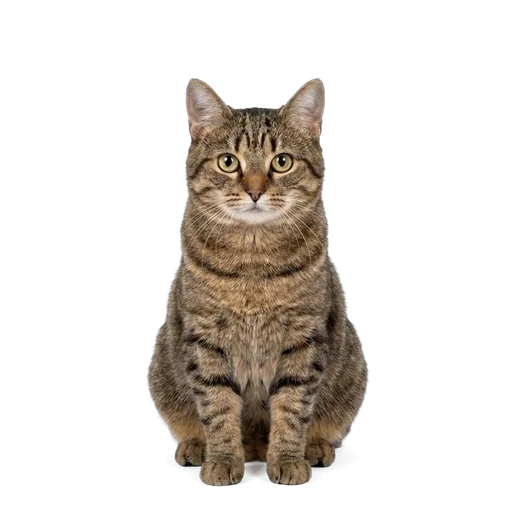
Origin: Isle of Man
Manx
Get reminders for your Manx's vaccines
Vaccination and parasite reminders, food-safety scans and health records — free to start in the Pethls app.


Good for
The Manx is the famous tailless cat from the Isle of Man, where the mutation took hold in an isolated island population. What people notice first is the missing tail, but what wins them over is the personality. Manx cats are calm, playful, and unusually dog-like, often following their owners around and taking a genuine interest in the household. They tend to be steady, family-friendly cats that get along with children and other pets. Behind the charm sits an important health story tied directly to that taillessness, and any prospective owner should understand it before falling for the look.
Temperament & personality
Manx cats have a placid, easygoing nature that makes them lovely companions. They are playful without being frantic, happy to chase a toy and then settle near their people. Many owners note dog-like habits, including following you from room to room, greeting you at the door, and even learning to fetch. A few owners describe their Manx taking a keen interest in visitors, part of the breed's dog-like sociability.
They are intelligent and can be taught tricks and games, which helps keep them engaged. This sociability makes them good with families, and they usually tolerate respectful children and coexist well with other cats and cat-friendly dogs. They are not aloof cats, and they tend to bond strongly with their household rather than fixating on one person.
Because they are adaptable and not overly demanding, Manx cats suit first-time owners and apartment living. They enjoy company and can get lonely if left alone too much, so they fit best in homes where someone is around a fair amount or where there is another pet for company.
Vaccination schedule
Manx kittens follow the same core vaccine plan as any cat. FVRCP, which protects against feline viral rhinotracheitis, calicivirus, and panleukopenia, begins at 6 to 8 weeks. Boosters are given every 3 to 4 weeks until the kitten reaches at least 16 weeks, so the vaccine takes hold after maternal immunity fades.
Rabies is administered once between 12 and 16 weeks, following local legal requirements and the product your vet stocks. Both FVRCP and rabies get a booster at about one year old, then continue on a one-year or three-year schedule depending on the vaccine and how the cat lives.
FeLV vaccination is advised for Manx cats that go outdoors or share a home with cats that have outdoor access. For a strictly indoor Manx with no exposure to unknown cats, your vet may consider it optional after the kitten series. Base the decision on your cat's real lifestyle rather than a one-size plan, and revisit it if the cat's routine changes.
Best food & diet
Feed your Manx a complete, high-protein diet led by named animal ingredients, since cats are obligate carnivores that need animal protein and taurine to stay healthy. Beef, chicken and salmon are the usual staples, though these are also among the more common food allergens in cats, so if your Manx develops itching or digestive upset, work with your vet to identify the trigger and switch to a novel protein. A good-quality cat food, wet or a wet-and-dry mix, suits most Manx well. There is nothing exotic required, just consistent quality and the right portions.
Weight management deserves real attention in this breed. Manx are sturdy, muscular cats that can put on weight easily, especially the calmer individuals that do not burn much energy. Extra weight is hard on any cat, but it is a particular problem for a Manx whose lower spine and hindquarters may already be compromised by the tailless gene. Feed to a measured amount and keep an eye on body condition rather than topping up the bowl.
Some Manx with the more severe end of Manx syndrome have bowel and bladder issues, and diet plays a role in managing constipation and megacolon. If your cat struggles with hard or infrequent stools, your vet may recommend a higher-fiber or specific therapeutic diet plus good hydration. A water fountain and wet food both help keep things moving.
Common health problems
The most important thing to understand about the Manx is Manx syndrome. The same gene that shortens or removes the tail can also cause a spectrum of spinal and nerve defects, because it affects development of the lower spine. In its serious forms this includes spina bifida, a shortened or fused spine, and damage to the nerves that control the bladder and bowel. Affected kittens may have trouble with continence, hind-leg weakness, or a hopping gait.
These problems usually become apparent by 4 to 6 months of age, which is one reason reputable breeders keep kittens until they are certain they are healthy and manage their breeding carefully to reduce the risk. If you are getting a Manx kitten, buy from a breeder who is open about Manx syndrome and lets the kitten mature before rehoming. Avoid kittens that show signs of incontinence or difficulty walking.
Megacolon can occasionally develop when the nerves to the bowel are affected, leading to chronic constipation that needs lifelong management with diet, hydration, and sometimes medication. It is a serious condition that should be handled with your vet rather than at home.
Beyond the tailless syndrome, the breed can inherit corneal dystrophy, a clouding of the front of the eye, and older cats can develop arthritis. In a Manx, watch the base of the tail, where the spine ends abruptly and stiffness tends to settle in. Reluctance to jump or sensitivity when touched near the rump can signal that discomfort and is worth a vet check.
Allergies & skin
The Manx is not hypoallergenic. It produces the Fel d 1 protein responsible for most cat allergies and sheds a moderate amount of dander, so it is not a safe choice for people with cat allergies. The long-haired Cymric variety, with its heavier coat, does nothing to reduce that.
For the cat's own comfort, flea allergy dermatitis is the most common skin problem, as it is in most cats. A flea-sensitive Manx can react to a single bite with intense itching, scabbing, and hair loss, which makes steady parasite control worthwhile even indoors. Food allergies (commonly to beef, chicken, salmon or dairy) and environmental allergies such as dust mites can also cause overgrooming and irritated skin, so they are worth investigating if flea control alone does not settle things.
Keep an eye on the rump and lower back specifically. This area can be sensitive in a Manx, and a cat that overgrooms there or shies away from being touched may be reacting to underlying discomfort rather than a skin problem alone.
Flea, tick & worm prevention
Only ever use flea and tick products made for cats. Dog treatments containing permethrin are extremely dangerous to cats and can cause tremors, seizures, and death. Do not apply any dog product to your Manx, and in a mixed household keep a freshly treated dog away from the cat until the treatment has dried completely.
A regular cat-safe flea preventive protects against flea allergy flare-ups and against tapeworm, which cats catch by swallowing infected fleas during grooming. Your vet will pick a spot-on or oral product dosed to your Manx's weight. Indoor cats are not immune, since fleas hitch a ride on people and other pets.
Worming frequency depends on lifestyle. A quiet indoor Manx needs less frequent deworming than one that hunts or roams. Follow your vet's advice and bring a stool sample to annual checkups. This matters a little extra in Manx cats prone to bowel problems, since parasites can worsen constipation and digestive upset.
Medications & dosing
Every medication for a Manx should be dosed by body weight and prescribed by your vet. Cats metabolize many drugs differently from people and dogs, and common human painkillers such as paracetamol and ibuprofen can be lethal to cats. Never dose your cat from the human medicine cabinet.
Manx with Manx syndrome may need long-term medication, for example laxatives or motility drugs for megacolon, or bladder-support treatment for nerve-related incontinence. These need careful vet supervision and regular reassessment, because doses often need adjusting over time. Keep a written record of what your cat takes and when, which makes long-term dosing easy to track.
Get an accurate weight before dosing decisions, particularly for pain relief in an older Manx that can run into tail-base arthritis. Finish prescribed courses fully, do not stop a drug abruptly on your own, and report any side effects to your vet promptly so the plan can be adjusted safely.
Grooming & coat care
Grooming needs depend on which coat your Manx has. The short-haired Manx has a dense, plush double coat that does well with a weekly brush to remove loose hair, with more frequent sessions during the seasonal molt. The long-haired Cymric needs more, ideally combing two or three times a week to prevent mats, especially around the ruff, belly, and hind legs.
Both types shed more heavily during seasonal molts, so step up brushing then to control loose hair and reduce hairballs. Regular grooming sessions also give you a chance to check the skin and the rump area, where a Manx can be sensitive.
Handle the area where the tail would be with care, since it can be tender in some cats. Beyond brushing, keep up with claw trims every few weeks, gentle ear checks, and dental care. Starting these routines early keeps a naturally tolerant Manx comfortable with being handled throughout its life.
How the Manx compares
Deciding between similar breeds? Here is the Manx next to Cymric and American Bobtail.
| Manx | Cymric | American Bobtail | |
|---|---|---|---|
| Size | Medium | Medium | Medium |
| Weight | 3.5-5.5 kg | 3.5-5.5 kg | 3-7 kg |
| Lifespan | 8-14 yrs | 10-15 yrs | 13-15 yrs |
| Activity | Moderate | Moderate | Moderate |
| Shedding | Medium | Medium | Medium |
| Good with kids | Yes | Yes | Yes |
| Apartment-friendly | Yes | Yes | Yes |
Frequently asked questions
Why do Manx cats have no tail?
A natural genetic mutation in the isolated cat population on the Isle of Man causes the tail to be shortened or absent. Tail length varies from completely tailless to a short stub. The same gene affects spinal development, which is why the breed's health needs careful management.
What is Manx syndrome?
Manx syndrome is a group of spinal and nerve defects caused by the tailless gene, including spina bifida and problems with bladder and bowel control. It usually shows by 4 to 6 months of age. Responsible breeders manage matings carefully and let kittens mature before rehoming to reduce the risk.
Are Manx cats good family pets?
Yes. Manx are placid, playful, and dog-like, and they generally do well with children and other pets. Their adaptable, sociable nature also makes them suitable for first-time owners and apartment life, provided they are not left alone too much.
How long do Manx cats live?
A healthy Manx typically lives around 8 to 14 years. Cats affected by the more severe forms of Manx syndrome may face a shorter life, which is why buying from a careful breeder and monitoring spinal and bowel health matters.
Are Manx cats hypoallergenic?
No. Manx cats produce the Fel d 1 allergen and shed dander like other cats, so they are not suitable for allergy sufferers. The long-haired Cymric variety does not reduce allergy risk either.
Related breeds

Health and care information is drawn from established veterinary sources and is general guidance, not veterinary advice. See our sources
Keep records for your Manx
Vaccinations, food and treat safety, allergy alerts and parasite reminders - all tracked for your Manx in the Pethls app.