

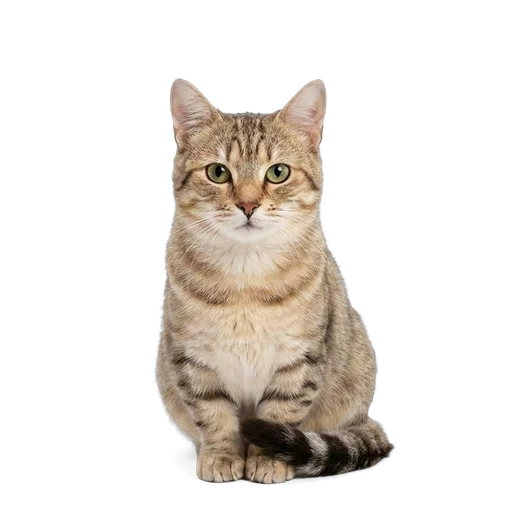
Origin: United States
Munchkin
Get reminders for your Munchkin's vaccines
Vaccination and parasite reminders, food-safety scans and health records — free to start in the Pethls app.


Good for
The Munchkin is the short-legged cat, its distinctive low-slung build the result of a natural dwarfism gene rather than any deliberate crossbreeding. Despite legs a fraction of the usual length, these cats move around perfectly well, scrambling, sprinting and playing much like any other. Temperament is a big part of the appeal: Munchkins are outgoing, playful, confident and friendly, happy to be handled and quick to join whatever is going on. They come in short and long coats and every color. The short legs also sit at the center of a genuine welfare debate, so the health picture deserves an honest look.
Temperament & personality
Munchkins are sociable extroverts. They tend to be confident with people, unfazed by household bustle, and keen to be part of family life rather than watching from a distance. Many enjoy being picked up and handled, which makes them easy cats to live with.
Playfulness runs high. A Munchkin will chase toys, bat objects around, and some develop a habit of sitting up on their hind legs like a meerkat to survey a room, a pose the low front legs make possible. They are curious and reportedly fond of collecting small shiny things.
They generally get on well with children, dogs and other cats, and their friendly confidence helps introductions go smoothly. The short legs limit how high they jump in a single bound, but they climb and clamber to get where they want, so they are far from sedentary.
Vaccination schedule
Munchkin kittens need the same core vaccines as any cat. FVRCP (feline viral rhinotracheitis, calicivirus and panleukopenia) begins at 6 to 8 weeks, with boosters every 3 to 4 weeks until at least 16 weeks of age. Finishing the whole course is what gives solid protection.
Rabies is given once between 12 and 16 weeks depending on the vaccine and local rules. Adult boosters follow at 1 year and then every 1 to 3 years based on the product and your vet's risk assessment.
FeLV (feline leukaemia) is recommended for Munchkins with outdoor access or contact with cats of unknown status. Many live indoors, but the initial kitten FeLV series is often sensible while it is still unclear whether the cat will have outdoor access later on. Match the plan to your cat's real exposure with your vet.
Best food & diet
Feed a complete, life-stage cat food centered on animal protein, since Munchkins are obligate carnivores like every cat. Kitten formulas fuel growth, and adult formulas keep calories in check once activity settles. Senior diets shift the focus again, often toward maintaining muscle and condition rather than simply cutting calories.
Weight control is especially important for this breed. Extra body weight puts added load on a spine and joints that already carry an unusual shape, which can worsen orthopaedic problems, so keeping a Munchkin lean is not just cosmetic. Measure meals, avoid constant free-feeding, and weigh your cat regularly.
Provide fresh water at all times and consider some wet food to support hydration and urinary health. Change foods gradually over 7 to 10 days, and ask your vet about the right target weight for your individual cat's frame.
Common health problems
The dwarfism gene behind the short legs is the source of the breed's specific concerns. It is linked to lordosis, an excessive inward curve of the spine that can press on internal organs and, in severe cases, be life-limiting. It is also associated with pectus excavatum, a sunken or caved-in chest wall that can affect the heart and lungs depending on severity.
The low-slung build may predispose Munchkins to osteoarthritis as they age, since the altered leg conformation changes how load passes through the joints. Keeping weight off the joints matters most here. Low-sided litter trays and a ramp or two spare a stiff cat the strain of jumping, and catching early stiffness means treatment can start sooner.
These issues are why the Munchkin remains a controversial breed, banned or discouraged by some registries and welfare bodies. Many individuals live full, comfortable 12 to 15 year lives, but prospective owners should choose carefully, ask breeders about health screening, and commit to attentive veterinary monitoring.
Allergies & skin
Munchkins are not hypoallergenic. They produce Fel d1, the main cat allergen carried in saliva and skin oils, and both the short-haired and long-haired varieties shed and spread it. If allergies are a concern, meet adult cats first and manage exposure with air filtration and cat-free bedrooms rather than counting on the breed.
Their skin is unremarkable in itself and needs no special breed care. The usual triggers apply: fleas are the most common cause of feline itching, followed by food and environmental sensitivities.
Watch for scratching, scabs, hair loss or dandruff, and treat persistent problems as a reason to see the vet. Long-haired Munchkins can run into mats that irritate the skin underneath, so keeping the coat tidy helps prevent secondary skin trouble.
Flea, tick & worm prevention
Only ever use flea and tick products licensed for cats. Dog permethrin spot-ons are highly toxic to cats and can be fatal, so keep them well away from your Munchkin and separate treated dogs until the product has dried.
A monthly cat-safe preventive from your vet covers fleas and ticks where needed. Indoor Munchkins still need protection, because fleas arrive on people, shoes and other pets regardless of whether the cat goes out.
Worm on a schedule matched to lifestyle. Kittens are wormed often in their early months, and adults are treated routinely, more frequently if they hunt or go outdoors. Roundworms and tapeworms are the usual targets, and some flea products cover part of the parasite range too.
Medications & dosing
Medication is weight-based and should always be vet-directed. The Munchkin has a normal-sized body on short legs, so an accurate current weight, not its small stature, is essential for safe dosing of anaesthetics, pain relief and antibiotics.
Given the breed's orthopaedic risks, some Munchkins need joint support or pain management as they age. Any anti-inflammatory or painkiller must be a cat-specific product from your vet. Human medicines like paracetamol and ibuprofen are toxic to cats and must never be given.
Finish full prescribed courses even once your cat looks better, and use the exact dose specified. If arthritis or a chest condition is being managed long term, keep to the review schedule so doses can be adjusted as your cat's weight and condition change.
Grooming & coat care
Grooming needs depend on coat length. Short-haired Munchkins are low-maintenance and do well with a weekly brush to lift loose hair and spread skin oils. Long-haired Munchkins need brushing two or three times a week to keep the coat from matting, particularly around the ruff, belly and hindquarters.
The short legs make one part of grooming harder for the cat itself. Munchkins cannot always reach every part of their body to self-groom as easily as a long-legged cat, so a bit of extra help from you keeps hard-to-reach spots clean, especially on long-haired individuals.
Round out care with the basics: check and clean ears, keep nails trimmed, and stay on top of dental care with brushing and vet cleanings. Regular grooming sessions also give you a chance to feel for any changes in the spine or chest and to notice early signs of stiffness.
How the Munchkin compares
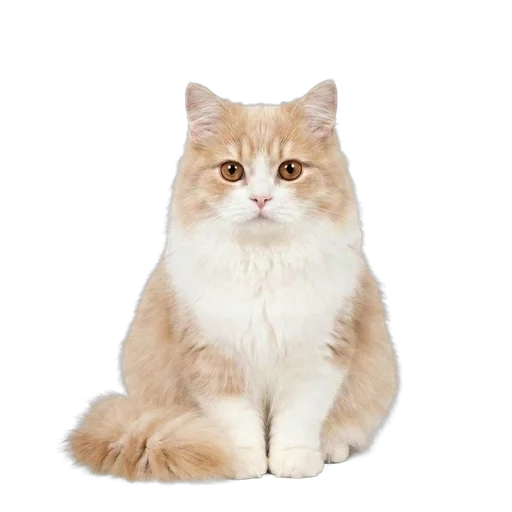
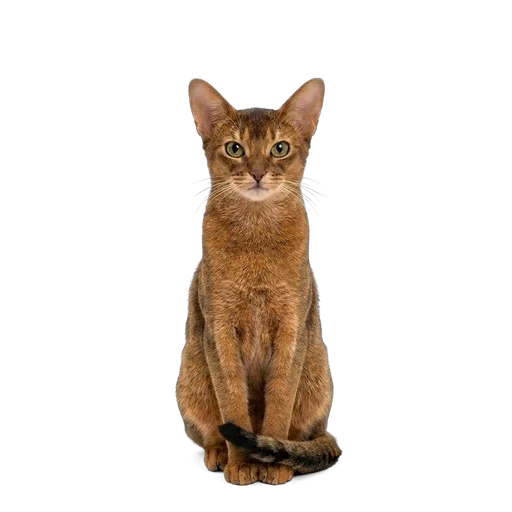
Deciding between similar breeds? Here is the Munchkin next to Minuet and Abyssinian.
| Munchkin | Minuet | Abyssinian | |
|---|---|---|---|
| Size | Small | Small | Small |
| Weight | 2-4 kg | 3-3.5 kg | 3-5 kg |
| Lifespan | 12-15 yrs | 12-15 yrs | 12-15 yrs |
| Activity | Active | Moderate | Active |
| Shedding | Medium | Medium | Low |
| Good with kids | Yes | Yes | Yes |
| Apartment-friendly | Yes | Yes | Yes |
Frequently asked questions
Can Munchkin cats jump and move normally?
Yes. Despite the short legs they run, play and climb much like any cat. They cannot leap as high in one bound, so they clamber up in stages, but day-to-day they get around perfectly well.
Why are Munchkin cats controversial?
The dwarfism gene that gives them short legs is linked to health risks including lordosis (a spinal curve), pectus excavatum (a sunken chest) and a predisposition to arthritis, so some registries and welfare groups oppose the breed.
Are Munchkin cats hypoallergenic?
No. They produce the Fel d1 allergen and shed like other cats, so they are not a safe choice for someone with a genuine cat allergy.
How much grooming does a Munchkin need?
Short-haired ones need a weekly brush. Long-haired ones need brushing a few times a week to avoid matting, and both benefit from help reaching spots their short legs make awkward to groom.
How long do Munchkin cats live?
Typically 12 to 15 years. Keeping them at a healthy weight and monitoring for spine, chest and joint issues gives the best chance of a long, comfortable life.
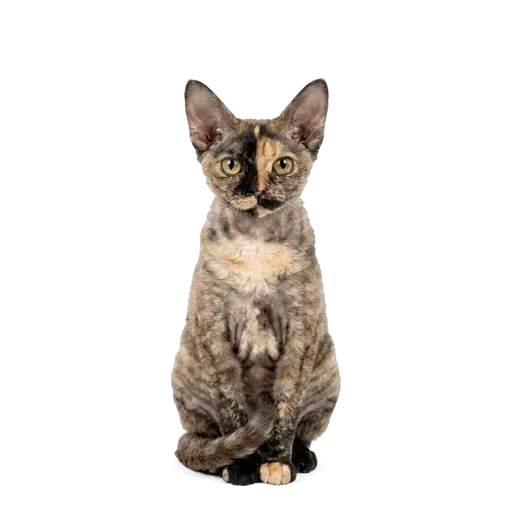
Related breeds
Health and care information is drawn from established veterinary sources and is general guidance, not veterinary advice. See our sources
Keep records for your Munchkin
Vaccinations, food and treat safety, allergy alerts and parasite reminders - all tracked for your Munchkin in the Pethls app.