

Origin: United States
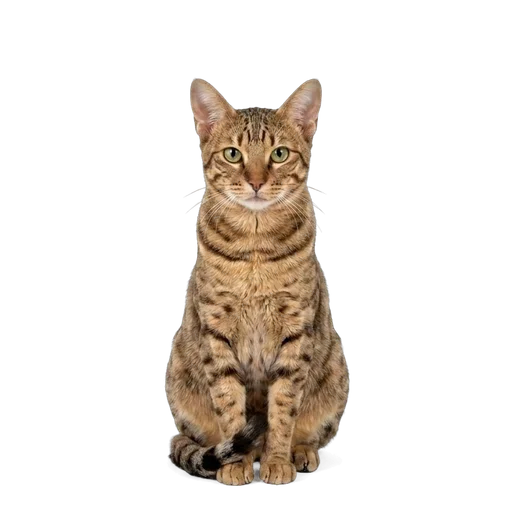
Ocicat
Get reminders for your Ocicat's vaccines
Vaccination and parasite reminders, food-safety scans and health records — free to start in the Pethls app.


Good for
The Ocicat wears the coat of a wild spotted cat and the personality of a friendly dog. Every spot came from careful domestic breeding, so there is no wild blood behind the look. These cats want to be part of whatever you are doing, from cooking dinner to answering the front door. Many learn to fetch, sit, and walk on a harness. If you want a striking cat that follows you from room to room and wants to be in on everything, the Ocicat fits.
Temperament & personality
Ocicats are outgoing to the core. They greet visitors, follow their people from room to room, and rarely hide when the doorbell rings. That confidence makes them easy to introduce to a busy household, but it also means they hate being left alone for long stretches. A single Ocicat in an empty house all day tends to get bored and vocal.
The dog-like label is earned. These cats respond to their names, come when called, and pick up tricks with a bit of clicker training and a few treats. Puzzle feeders, feather wands, and teaching them to fetch a crumpled ball all burn off their considerable mental energy.
They bond closely and want physical contact, whether that means a lap, a shoulder, or a spot pressed against you in bed. If you work long hours, think about a second cat or another pet for company. Ocicats generally get along well with other cats and with dogs that respect them.
Vaccination schedule
Kittens start their core FVRCP vaccine (feline viral rhinotracheitis, calicivirus, and panleukopenia) at 6 to 8 weeks, then get boosters every 3 to 4 weeks until they are at least 16 weeks old. That final booster past 16 weeks matters, because maternal antibodies can block the earlier doses from working fully.
Rabies is given once between 12 and 16 weeks, depending on the vaccine your vet uses and local law. After the kitten series, FVRCP and rabies move to a booster at one year, then every 1 to 3 years based on the product and your cat's risk.
FeLV (feline leukemia) is recommended for any Ocicat that goes outside, walks on a harness in shared spaces, or lives with a cat of unknown status. Since many Ocicats do learn to walk on a leash, talk with your vet about whether FeLV belongs on your cat's schedule. Indoor-only cats with no outdoor contact may not need it long term.
Best food & diet
Ocicats are muscular and athletic, so they do well on a high-protein diet built around a single named animal protein. Turkey, rabbit, and duck are good starting points, and it is worth knowing that beef, chicken, and salmon are among the more common food allergens in cats before making them the base of every meal. Look for a complete and balanced food that meets AAFCO or FEDIAF standards for your cat's life stage. Kittens need kitten formula until roughly 12 months.
These cats are active and burn calories, but they will still overeat if food sits out all day. Measured meals twice a day work better than a permanently full bowl. Weigh your cat every few months and adjust portions if the ribs start to get harder to feel under a layer of fat.
Wet food, or a mix of wet and dry, helps with hydration and supports urinary health. Fresh water should always be available; many Ocicats enjoy a pet fountain. Keep treats to a small fraction of daily calories, and use their food drive for training rather than free handouts.
Common health problems
Pyruvate kinase deficiency is an inherited form of anemia seen in the breed. Cats missing this enzyme break down red blood cells too fast, which can cause lethargy, pale gums, and weakness that may come and go. A simple DNA test tells you whether a cat is clear, a carrier, or affected, and responsible breeders test their lines.
Progressive retinal atrophy is a slow degeneration of the retina that leads to declining vision and, eventually, blindness. It is not a firmly established breed-specific problem in the Ocicat, so it is best understood as a general feline eye concern rather than a documented Ocicat trait. Cats adapt remarkably well to gradual sight loss, especially in a stable home, and where a DNA test exists for a given form, checking the status of breeding cats can help reduce the risk.
Hypertrophic cardiomyopathy (HCM) is the most common heart disease in cats and can affect Ocicats. The heart muscle thickens, which strains the heart and can lead to clots or heart failure. Early cases are often silent, with no murmur to hear, so a screening echocardiogram is the reliable way to catch it before symptoms appear.
As in all cats, dental and periodontal disease is easy to overlook but very common. Tartar, red gums, and bad breath signal trouble that can spread below the gum line. Home brushing plus professional cleanings under anesthesia keep the mouth healthy and protect the rest of the body.
Allergies & skin
The Ocicat's short, tight coat is easy to keep healthy, but the skin underneath can still react to fleas, food ingredients, and things in the environment like pollen or dust. Flea allergy is the most common cause of feline itching; a single bite can set off scratching, scabbing, and overgrooming in a sensitive cat.
Signs of a skin problem include bald patches from licking, tiny crusty bumps along the back, and irritation around the face or ears. Food allergies usually show up as year-round itching and sometimes digestive upset, and they are diagnosed with a proper elimination diet, not a blood test.
The Ocicat is not a hypoallergenic breed. It sheds and produces the Fel d 1 protein that most people with cat allergies react to. If someone in the home is allergic, no cat is a safe bet for them, though regular brushing, washing hands after handling, and keeping bedrooms cat-free can reduce exposure.
Flea, tick & worm prevention
Use only flea and tick products made for cats. Never apply a dog spot-on that contains permethrin to a cat; permethrin is highly toxic to cats and can cause tremors, seizures, and death. If you have both a dog and an Ocicat, keep the treated dog separate until the product dries fully.
Ask your vet for a cat-safe monthly preventive, whether topical or oral. Ocicats that walk outside on a harness or have any garden access need year-round coverage that includes ticks. Indoor-only cats can still get fleas carried in on clothing or from other pets, so many vets recommend keeping some protection in place.
Worming matters too. Kittens are dewormed on a schedule starting a few weeks old, and adults need routine treatment for roundworms and tapeworms, with tapeworm risk tied closely to fleas. A cat that hunts, even indoors with the occasional mouse, needs more frequent worming.
Medications & dosing
Cat medication is dosed by body weight, so an accurate, current weight is the starting point for any prescription. Because Ocicats sit in a fairly broad 3 to 7 kilogram range, two cats of the same breed can need noticeably different doses. Always weigh before dosing rather than guessing.
Never give human medicines without veterinary direction. Common painkillers such as paracetamol (acetaminophen) and ibuprofen are deadly to cats even in tiny amounts. Cats also process many drugs differently from dogs and people, so a dog's leftover prescription is not a safe substitute.
Finish the full course of any antibiotic, even after your cat seems better, and never stop a heart or other long-term medication without checking first. If a dose is missed, ask your vet how to handle it rather than doubling up. Pilling a cat can be tricky; pill pockets, a pet piller, or a compounded flavored liquid can make it far easier.
Grooming & coat care
Grooming an Ocicat is refreshingly simple. The short, close-lying coat needs only a weekly once-over with a soft brush or a grooming glove to lift loose hair and spread the natural oils that give the coat its satiny shine. Shedding is low, so you will not be fighting drifts of fur around the house.
Bathing is rarely needed. A rubber curry or a quick wipe with a damp cloth handles the occasional dusty coat, and most Ocicats stay clean on their own. Because they are social, many tolerate handling well, which makes routine care easy.
Round out grooming with the basics: check and gently clean the ears when they look waxy, trim the nails every couple of weeks, and brush the teeth regularly to head off the dental disease that affects cats of every breed. Starting these habits young turns them into a calm shared routine rather than a wrestling match.
How the Ocicat compares
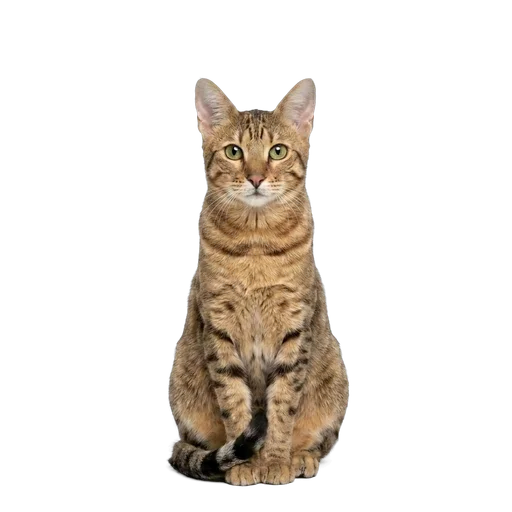
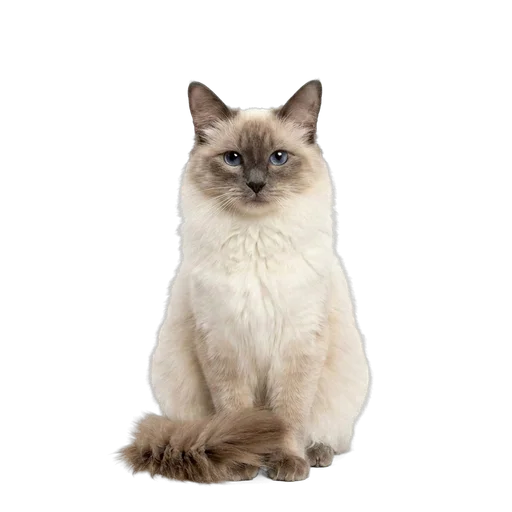
Deciding between similar breeds? Here is the Ocicat next to Serengeti and Balinese.
| Ocicat | Serengeti | Balinese | |
|---|---|---|---|
| Size | Medium | Medium | Medium |
| Weight | 3-7 kg | 3.5-7 kg | 2.5-5 kg |
| Lifespan | 12-18 yrs | 8-12 yrs | 12-20 yrs |
| Activity | Active | Active | Active |
| Shedding | Low | Low | Low |
| Good with kids | Yes | Yes | Yes |
| Apartment-friendly | Yes | Yes | Yes |
Frequently asked questions
Are Ocicats really as friendly as people say?
Yes. They are one of the most outgoing cat breeds, greeting guests, following their people around, and often learning tricks. They thrive on attention and do best in homes where someone is around much of the day or where there is another pet for company.
Can an Ocicat walk on a leash?
Many can. Their confident, dog-like nature makes harness training realistic, especially if you start young and go slowly. Never rush a cat outdoors, and keep any leashed cat up to date on flea, tick, and FeLV protection.
Do Ocicats shed a lot?
No. The short coat sheds lightly, and a weekly brush is enough to keep loose hair down. They are one of the lower-maintenance breeds for grooming, though they still shed enough to affect people with cat allergies.
Is the Ocicat hypoallergenic?
No. Ocicats produce the Fel d 1 allergen and shed normally, so they are not a safe pick for allergy sufferers. Brushing, hand-washing after contact, and keeping bedrooms cat-free can reduce exposure but will not eliminate it.
What health tests should a breeder do?
Ask for DNA testing for pyruvate kinase deficiency and heart screening (echocardiogram) for hypertrophic cardiomyopathy, the two conditions most tied to the breed. Progressive retinal atrophy is not an established Ocicat-specific concern, but you can ask whether any eye testing is offered where available. Responsible breeders share these results openly.
Related breeds
Health and care information is drawn from established veterinary sources and is general guidance, not veterinary advice. See our sources
Keep records for your Ocicat
Vaccinations, food and treat safety, allergy alerts and parasite reminders - all tracked for your Ocicat in the Pethls app.