

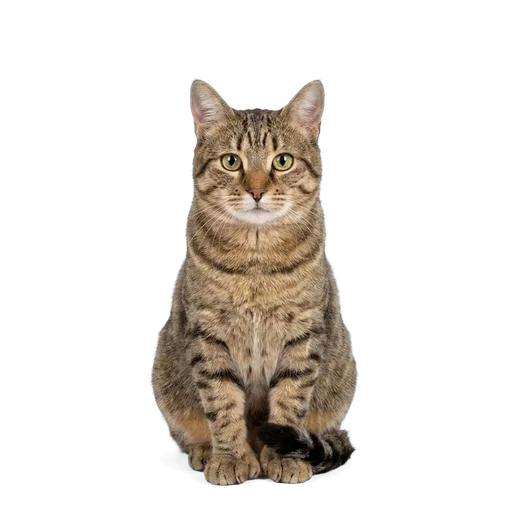
Origin: United States
Pixie-Bob
Get reminders for your Pixie-Bob's vaccines
Vaccination and parasite reminders, food-safety scans and health records — free to start in the Pethls app.


Good for
The Pixie-Bob looks like a bobcat that wandered in from the woods, but the resemblance stops at the coat. This is a fully domestic cat, bred in the US to carry the rugged spotted look of a wild feline in a calm, home-loving package. They tend to be large, heavy-boned cats with a short bobbed tail, and many carry extra toes. What surprises most new owners is the personality: quiet, loyal, and remarkably dog-like, often happy to learn a leash and follow their person from room to room, though this bond builds over days rather than at first sight.
Temperament & personality
Pixie-Bobs are steady, devoted cats that bond hard to one household and follow their people around the house like a shadow. They are not loud or demanding, and many owners describe a low chirping or chattering rather than a full meow. That quiet loyalty is a big part of the breed's appeal.
The dog-like reputation is earned. A lot of these cats take to leash walking, come when called, and enjoy fetch and puzzle feeders. They are intelligent and observant, so they pick up routines quickly and get bored if the day is completely empty.
With a calm baseline and a high tolerance for handling, they usually do well with respectful children and with other cats and dogs. They warm up over days rather than minutes, so give a new Pixie-Bob time and a quiet space to settle before expecting the full velcro-cat behavior.
Vaccination schedule
Kittens start their core FVRCP vaccine (feline viral rhinotracheitis, calicivirus, and panleukopenia) at around 6 to 8 weeks, then get boosters every 3 to 4 weeks until they are at least 16 weeks old. That series matters more than any single shot, so try not to skip the later boosters even if the kitten seems healthy.
Rabies is given once between 12 and 16 weeks depending on the vaccine and your local law, then boosted on a 1-year or 3-year cycle. Because many Pixie-Bobs are leash-walked outdoors, rabies coverage is genuinely relevant for this breed rather than a formality.
If your cat spends time outside or meets cats of unknown status, the feline leukemia (FeLV) vaccine is recommended, especially for the first year of life. Talk to your vet about whether an indoor-only adult still needs it. Bring vaccine records to every visit so boosters stay on schedule.
Best food & diet
Pixie-Bobs are big cats, and their heavy build can hide a bit of extra weight. Feed a complete, species-appropriate cat food where a named meat is the first ingredient, and portion by ideal body weight rather than by what the bag suggests. Growing kittens need a kitten formula until roughly 12 months.
These cats can be food-motivated, which is handy for training but risky for the waistline. Measure meals instead of free-feeding, and use part of the daily ration in puzzle feeders to slow them down and give their busy minds a job.
Fresh water should always be available, and many cats drink better from a wide bowl or a pet fountain. If you switch foods, do it over 7 to 10 days to avoid stomach upset, and check weight monthly by feel; you want to feel the ribs under a thin layer of fat, but not see them standing out.
Common health problems
The Pixie-Bob is generally a hardy breed without a long list of inherited diseases. The main breeding concern is dystocia, or difficult birth, in queens; kittens can be large, and some litters need veterinary help or a planned cesarean. This matters to breeders far more than to pet owners with a neutered companion.
Polydactyly, the extra toes many Pixie-Bobs carry, is a harmless cosmetic trait and not a defect. The only practical effect is that those extra toes sometimes have extra claws that need checking, since a hidden claw can curl into the pad if it is missed during nail trims.
For the average pet, the real day-to-day risks are dental disease and weight gain, the same two that quietly affect most cats. Keep an eye on the teeth and the waistline. Drooling or dropping food often points to a sore mouth, while a sudden thirst or a change in litter-box habits is worth a vet check.
Allergies & skin
Pixie-Bobs are not hypoallergenic. They produce the Fel d 1 protein like any cat, and their medium, wooly double coat sheds dander into the home, so this is not a good match for someone with a diagnosed cat allergy.
The skin itself is usually trouble-free. The most common triggers for itching are flea bites and, less often, food or environmental allergies that show up as over-grooming, scabs around the neck and tail base, or bald patches. Consistent flea control removes the single most common cause.
If your cat is scratching, licking a spot raw, or losing fur, it is worth pinning down the cause rather than guessing, since a flea allergy, a food allergy, and an environmental one each need a different fix. Weekly grooming lets you spot flakes, redness, or sore patches early.
Flea, tick & worm prevention
Because so many Pixie-Bobs go outside on a leash, parasite prevention is not optional. Use a flea and tick product that is licensed specifically for cats. Never use a dog spot-on containing permethrin on a cat; it is highly toxic to cats and can cause tremors, seizures, and death even in small amounts.
Outdoor access also means more exposure to worms, both through hunting and through fleas, which carry tapeworm. A cat that hunts or roams generally needs worming every 3 months, while a strictly indoor cat needs it less often. Your vet can match the product and interval to your cat's lifestyle.
Keep every animal in the house on prevention at the same time, since one untreated pet keeps re-seeding fleas in the environment. If you ever spot a tick after a walk, remove it promptly with a proper tick tool, twisting straight out rather than squeezing the body.
Medications & dosing
Cat medications are dosed by body weight, and a Pixie-Bob's size makes that especially important. A large cat needs a dose calculated for its actual weight, so an accurate number from the vet's scale beats a guess at home. Never split or repurpose a dog product for a cat without veterinary direction.
Some medicines that are safe for dogs and people are dangerous for cats. Paracetamol (acetaminophen) can be fatal to cats, and many pain relievers and flea products in the dog aisle are not cat-safe. Only give what your vet has prescribed for this specific cat.
Finish the full course of any antibiotic even after the cat looks better, and ask your vet or a pharmacist before combining products. If a pill is a struggle, ask about flavored compounded liquids or a pill pocket rather than fighting a large, strong cat twice a day.
Grooming & coat care
The medium double coat of a Pixie-Bob is fairly low-maintenance. A weekly brush removes loose hair, keeps shedding under control, and spreads the natural oils that keep the coat looking healthy. Expect a heavier shed in spring and autumn when the coat changes over.
Those extra polydactyl toes deserve attention at nail time. Check every toe, including the thumb-like extras, and trim the tips every couple of weeks so no claw grows into the pad. With more claws to track, it is easy to overlook one, so count them each time.
Round out grooming with the basics most cats need: brush the teeth regularly to head off dental disease, glance in the ears for wax or debris, and wipe away any eye discharge. Start these habits young so a big, strong adult accepts handling calmly.
How the Pixie-Bob compares
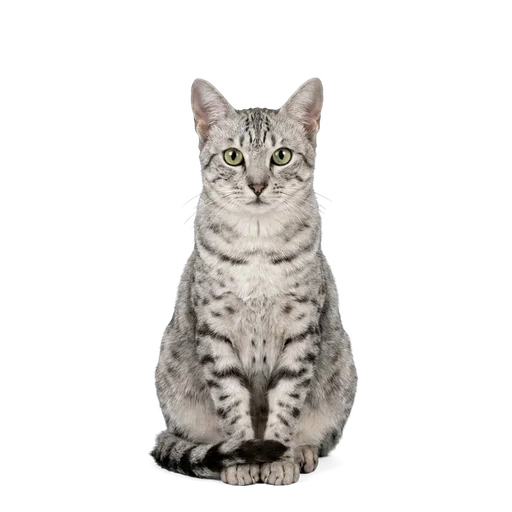
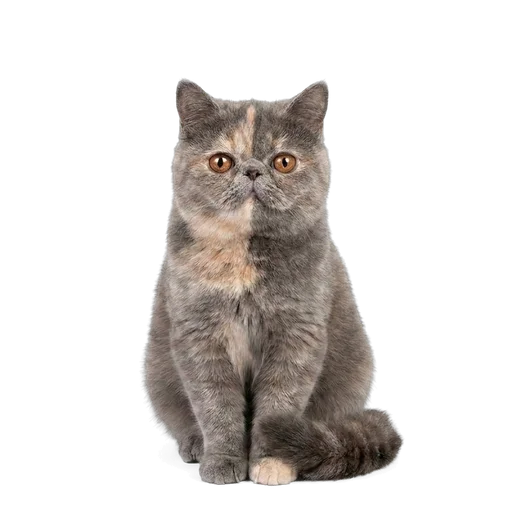
Deciding between similar breeds? Here is the Pixie-Bob next to Egyptian Mau and Exotic Shorthair.
| Pixie-Bob | Egyptian Mau | Exotic Shorthair | |
|---|---|---|---|
| Size | Medium | Medium | Medium |
| Weight | 3.5-8 kg | 3-6 kg | 3-6 kg |
| Lifespan | 13-16 yrs | 12-15 yrs | 12-15 yrs |
| Activity | Calm | Active | Calm |
| Shedding | Medium | Medium | Medium |
| Good with kids | Yes | Yes | Yes |
| Apartment-friendly | Yes | Yes | Yes |
Frequently asked questions
Are Pixie-Bobs part wild bobcat?
No. Despite the wild look and the folklore around the breed's origin, DNA testing shows Pixie-Bobs are fully domestic cats. The bobcat resemblance is the result of selective breeding for a spotted coat, heavy build, and short tail, not any recent wild ancestry.
Why does my Pixie-Bob have extra toes?
Polydactyly is common and accepted in this breed. The extra toes are a harmless cosmetic trait, not a health problem. The only thing to watch is the extra claws that can come with them, since a hidden claw needs trimming so it does not curl into the pad.
Can you really walk a Pixie-Bob on a leash?
Many take to it well. The breed's calm, dog-like temperament makes leash training realistic, especially if you start young with a proper harness. Go at the cat's pace, keep early outings short and quiet, and always use cat-safe parasite prevention if it goes outside.
How big do Pixie-Bobs get?
They are a large breed, typically ranging from about 3.5 to 8 kg, with males at the heavier end. They are also slow to mature and may not reach full size until around 2 to 3 years old. Big is normal for this cat, but overweight is not, so judge condition by feel rather than the number alone.
Are Pixie-Bobs good with children and other pets?
Generally yes. Their steady, tolerant nature suits households with respectful children, and they usually get along with other cats and dogs when introductions are gradual. As with any cat, supervise young kids and give the cat an easy escape route to a quiet spot.
Related breeds
Health and care information is drawn from established veterinary sources and is general guidance, not veterinary advice. See our sources
Keep records for your Pixie-Bob
Vaccinations, food and treat safety, allergy alerts and parasite reminders - all tracked for your Pixie-Bob in the Pethls app.