


Origin: United States
Selkirk Rex
Get reminders for your Selkirk Rex's vaccines
Vaccination and parasite reminders, food-safety scans and health records — free to start in the Pethls app.


Good for
The Selkirk Rex is often called the cat in sheepskin, and one look at that soft, curly, plush coat explains why. This is a sturdy, substantial cat with a teddy-bear look and a personality to match. Selkirks are patient, loving, and famously laid-back, the sort of cat that tolerates a lot and rarely gets ruffled. They make easygoing family pets that do well with children, other animals, and first-time owners. Their calm nature is a big part of the appeal, though it does mean you have to watch that they do not become couch potatoes and gain weight.
Temperament & personality
Selkirk Rex cats are the definition of mellow. They are affectionate and people-oriented, happy to sit with the family, be handled, and go with the flow. Their patience and tolerance make them forgiving of the chaos of a busy household, which is why they suit homes with children and other pets so well. A Selkirk tends to take the noise and handling of everyday family life in stride.
They are playful in a gentle, unhurried way rather than bouncing off the walls. You will get plenty of cuddles and a cat that enjoys being near you, without the relentless demands of a high-drive breed. That balance of affection and calm is exactly what makes them such a good match for first-time owners.
Because they are so easygoing and adaptable, Selkirks settle well into apartments and quieter homes. They do like company and enjoy being part of things, so they are best suited to households where they get regular attention rather than being left alone for very long stretches.
Vaccination schedule
Selkirk Rex kittens follow the standard feline core vaccine schedule. FVRCP, covering feline viral rhinotracheitis, calicivirus, and panleukopenia, starts at 6 to 8 weeks of age. Boosters are repeated every 3 to 4 weeks until the kitten is at least 16 weeks old, ensuring protection takes over as maternal antibodies wane.
Rabies is given once between 12 and 16 weeks, according to local law and the vaccine used. Both FVRCP and rabies are boosted at around one year, then continue on a one-year or three-year cycle depending on the specific product and the cat's lifestyle.
FeLV, the feline leukaemia vaccine, is recommended for any Selkirk with outdoor access or that lives alongside cats who go outside. For a strictly indoor Selkirk with no contact with unknown cats, it is often treated as optional after the kitten series.
Best food & diet
A complete, high-protein cat food built around named animal ingredients suits the Selkirk Rex well. As obligate carnivores, cats need animal protein and taurine, so choose a recipe that leads with named meat, poultry, or fish rather than grain fillers or vague "meat by-products" on the label.
Weight is the single biggest dietary issue for this breed, precisely because they are so calm. A laid-back cat that would rather nap than play burns fewer calories, and a Selkirk can quietly pile on weight if fed freely. Measure portions rather than leaving a full bowl out, use interactive feeders to add a little activity, and check body condition regularly. You want to feel the ribs easily and see a waist from above.
Keep fresh water available at all times, and consider a fountain, since many cats drink more from running water. Good hydration supports urinary and kidney health, which is especially relevant in a breed that can inherit polycystic kidney disease.
Common health problems
The Selkirk Rex was developed using breeds such as Persians, British Shorthairs, and Exotic Shorthairs in its foundation, and that ancestry brings two inherited conditions worth knowing about. The first is hypertrophic cardiomyopathy, or HCM, the most common heart disease in cats. It causes thickening of the heart muscle and can lead to heart failure or blood clots. Early HCM often has no obvious signs, which is why screening of breeding cats and vet checks that listen for murmurs and abnormal rhythms are so valuable.
The second is polycystic kidney disease, or PKD, inherited from the Persian side of the family. Fluid-filled cysts develop in the kidneys and can slowly reduce kidney function over years. There is a DNA test for PKD, so responsible breeders screen their cats. Signs of kidney trouble in an affected adult include increased drinking and urination, weight loss, and reduced appetite.
Because of both risks, buying from a breeder who screens for HCM and PKD is genuinely important with this breed. Ask about the health testing of the parents. For your own cat, routine wellness visits with heart checks and, as the cat ages, blood and urine tests help catch either condition early.
The Selkirk's calm temperament also makes obesity a real health risk in its own right, contributing to diabetes, joint strain, and worse outcomes if heart or kidney disease is present. Keeping this cat at a healthy weight is one of the most useful things an owner can do.
Allergies & skin
Despite the unusual curly coat, the Selkirk Rex is not hypoallergenic. It still produces the Fel d 1 allergen and sheds dander, so people with cat allergies are likely to react to it. The curl does not change that, and this breed should not be chosen as an allergy-friendly option.
The cat's own skin is generally healthy, but the same everyday risks apply. Flea allergy dermatitis is the most common cause of itching and hair loss, so consistent flea control helps. The dense, curly coat can occasionally trap oils and debris close to the skin, so keep an eye out for greasiness or irritation, particularly if grooming has slipped.
If your Selkirk starts overgrooming, scratching, or developing scabs or bald patches, see the vet rather than write it off as cosmetic. Sorting out fleas, allergies, or any skin infection early keeps that lovely coat and the skin underneath in good shape.
Flea, tick & worm prevention
Always use flea and tick products formulated specifically for cats. Dog treatments containing permethrin are highly toxic to cats and can cause tremors, seizures, and death. Never put a dog product on your Selkirk, and if you also have a dog, keep the treated dog separate until the product is fully dry so the cat cannot lick it.
A regular cat-safe flea preventive guards against flea allergy flare-ups and against tapeworm, which cats acquire by swallowing infected fleas. Your vet can recommend a spot-on or oral option dosed to your cat's weight. Indoor Selkirks still need it, because fleas travel indoors on people and on other pets.
Deworming frequency should match lifestyle. A relaxed indoor Selkirk usually needs less frequent worming than a cat that hunts or goes outside. Follow your vet's guidance and bring a stool sample to yearly checkups so any parasites are caught and treated.
Medications & dosing
Any medication for your Selkirk Rex should be dosed by body weight and directed by your vet. Cats handle many drugs very differently from people and dogs, and human painkillers like paracetamol and ibuprofen can kill a cat. Never medicate from your own supplies at home.
This breed's build can be deceptive. Under that thick, curly coat is a heavy-boned, muscular cat, and the range in the breed is wide. Get an accurate weight at the vet before dosing decisions rather than guessing, because it directly affects the safety of anaesthesia, pain relief, and other drugs.
If your Selkirk is diagnosed with HCM or PKD, it may need long-term medication, for example heart or blood-pressure drugs or kidney support. Stick to the prescribed plan, keep all monitoring appointments, and do not stop a drug on your own. Keeping a written record of doses and vet visits helps you and your vet manage a chronic condition well.
Grooming & coat care
The Selkirk's curly coat is charming but does need care, and the trick is to groom gently and not too often. Comb through the coat a couple of times a week to remove loose hair and prevent mats forming, particularly in the longer-haired version. Work in the direction that respects the curl rather than fighting it.
Do not over-brush a Selkirk, the mistake that catches most new owners out. Excessive or aggressive brushing straightens out the curl and leaves the coat looking frizzy rather than plush. Less is genuinely more with this breed. A light hand and the right comb keep the signature soft, wavy texture intact.
Bathe only when needed, and let the coat air-dry or scrunch it gently rather than blasting it straight with a dryer, which again ruins the curl. Round out grooming with regular claw trims, gentle ear checks, and dental care. Because Selkirks are so patient, these routines are usually easy to establish and keep up.
How the Selkirk Rex compares
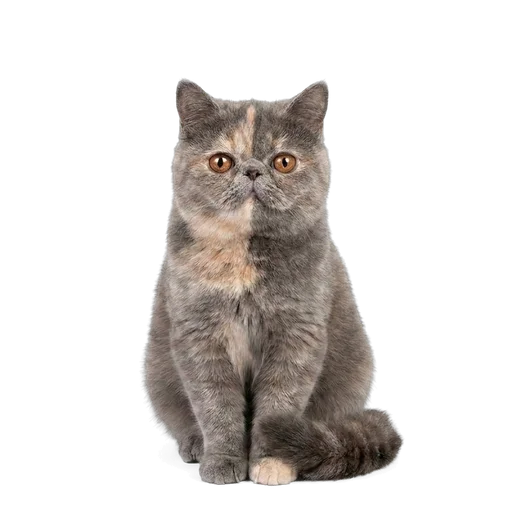
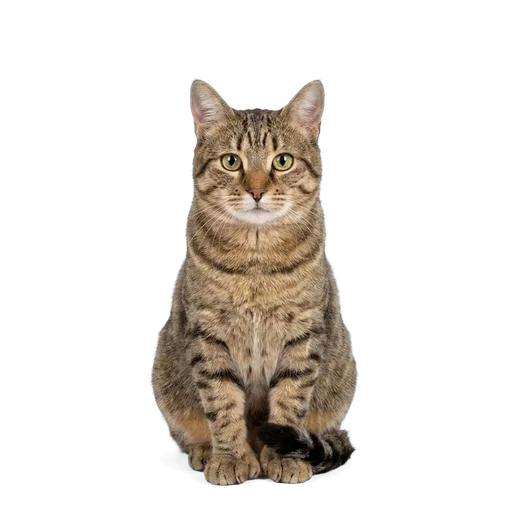
Deciding between similar breeds? Here is the Selkirk Rex next to Exotic Shorthair and Pixie-Bob.
| Selkirk Rex | Exotic Shorthair | Pixie-Bob | |
|---|---|---|---|
| Size | Medium | Medium | Medium |
| Weight | 3-8 kg | 3-6 kg | 3.5-8 kg |
| Lifespan | 10-15 yrs | 12-15 yrs | 13-16 yrs |
| Activity | Calm | Calm | Calm |
| Shedding | Medium | Medium | Medium |
| Good with kids | Yes | Yes | Yes |
| Apartment-friendly | Yes | Yes | Yes |
Frequently asked questions
Are Selkirk Rex cats hypoallergenic?
No. Even with their unusual curly coat, Selkirk Rex cats produce the Fel d 1 allergen and shed dander, so they are not suitable for people with cat allergies. The curl does not reduce allergen levels.
Why does the Selkirk Rex have a curly coat?
The curl comes from a natural genetic mutation, first found in a single kitten in the United States. It gives the breed its soft, plush, sheepskin-like fur across short-haired and long-haired varieties. The coat can look curlier at some ages than others.
How should I groom a Selkirk Rex without ruining the curl?
Comb gently a couple of times a week and avoid over-brushing, because heavy or frequent brushing straightens the curl and makes the coat frizzy. Bathe only when needed and let the coat dry naturally rather than blow-drying it straight.
Are Selkirk Rex cats good with children and other pets?
Yes. Their patient, tolerant, laid-back nature makes them excellent family cats. They generally do well with children, other cats, and cat-friendly dogs, and their easygoing temperament also suits first-time owners.
What health problems affect the Selkirk Rex?
Because Persians and British Shorthairs are in its background, the breed can inherit hypertrophic cardiomyopathy and polycystic kidney disease, so buying from a breeder who screens for both matters. Their calm nature also makes weight gain a real risk, which is worth managing closely.
Related breeds
Health and care information is drawn from established veterinary sources and is general guidance, not veterinary advice. See our sources
Keep records for your Selkirk Rex
Vaccinations, food and treat safety, allergy alerts and parasite reminders - all tracked for your Selkirk Rex in the Pethls app.