

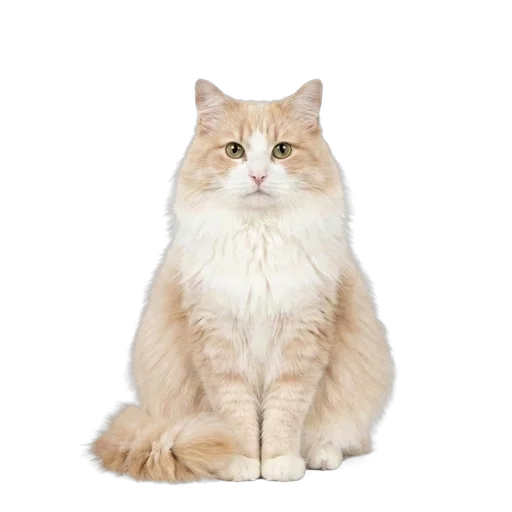
Origin: United States
Ragamuffin
Get reminders for your Ragamuffin's vaccines
Vaccination and parasite reminders, food-safety scans and health records — free to start in the Pethls app.


Good for
The Ragamuffin is a big, soft, unhurried cat bred in the United States and closely related to the Ragdoll. These are lap cats in the fullest sense: gentle, endlessly affectionate, and happy to be picked up and carried around like a toddler. They range from about 4 to 9 kg, with males at the heavier end, and live 12 to 18 years. If you want a placid companion that greets you at the door and melts into your arms, this is the breed, though that same calm streak means keeping an eye on their weight.
Temperament & personality
Ragamuffins are famous for being docile and people-focused. They tend to go limp with contentment when held, follow their humans from room to room, and settle in for long stretches on a lap. Loud households rarely faze them, which is part of why they suit families so well.
Their energy is low. A Ragamuffin will play with a wand toy or chase a ball for a while, then flop down for the rest of the afternoon. This makes them easy company, though you will need to coax them into some daily activity.
They are among the best breeds for households with children, other cats, and cat-friendly dogs. Their tolerance is high and their claws stay sheathed in situations that would make a more reactive cat lash out. First-time owners find them forgiving and easy to read.
Vaccination schedule
FVRCP is the core vaccine and protects against feline viral rhinotracheitis, calicivirus, and panleukopenia. Kittens begin at 6 to 8 weeks and receive boosters every 3 to 4 weeks until at least 16 weeks of age. That final dose past 16 weeks matters because maternal antibodies can neutralize earlier shots.
Rabies is given once between 12 and 16 weeks, then boosted on a schedule set by your local regulations and the specific vaccine used. Many areas require it by law regardless of whether the cat goes outside.
FeLV is recommended for any Ragamuffin with outdoor access or contact with cats whose vaccine status is unknown. Kittens are commonly vaccinated as a precaution, and your vet will advise whether to keep boosting it into adulthood. Once the kitten series is complete, adults generally shift to FVRCP boosters every 1 to 3 years.
Best food & diet
Weight control is the central diet issue for this breed. Ragamuffins are large and laid-back, a combination that piles on the kilos fast if food is left out all day. Feed measured meals of a complete, protein-first diet rather than free-feeding, and adjust portions to keep the waist visible and the ribs easy to feel.
Because beef, chicken, and dairy show up as common allergens here, introduce any new food gradually and skip the saucer of milk despite the stereotype, since most adult cats are lactose intolerant. If itching or digestive upset appears after a diet change, a vet-supervised elimination trial pins down the culprit.
Choose a food matched to life stage: a growth formula for kittens, a maintenance formula for healthy adults, and a lower-calorie formula for a heavy adult. Keep fresh water available at all times. Given how much of their day is spent resting, a couple of feeding puzzles also add welcome activity and slow down fast eaters.
Common health problems
Hypertrophic cardiomyopathy (HCM) is the main inherited heart concern. The heart wall thickens over time and can trigger clots or heart failure, often with no outward signs until it is advanced. Regular veterinary exams, and an echocardiogram if a murmur is detected, allow earlier management. Responsible breeders screen their cats.
Polycystic kidney disease (PKD) is the other genetic condition to know about. Fluid-filled cysts develop in the kidneys and can progress to kidney failure in adulthood. A DNA test identifies carriers, and ultrasound detects cysts, so ask a breeder for screening results.
Obesity is the most common practical health problem in the breed, and it makes everything else worse, from joint strain to diabetes risk. Because the temperament is so relaxed, owners often miss the slow creep of extra weight, so weigh your cat periodically rather than going by eye.
Allergies & skin
Food-related allergies in Ragamuffins commonly involve beef, chicken, and dairy. Signs lean toward itchy skin, ear inflammation, and over-grooming as often as digestive upset. Confirming a food allergy means running an elimination diet with a novel or hydrolyzed protein for 8 to 12 weeks, which takes patience but gives a clear answer.
Dust mites are a frequent environmental trigger. Their long, plush coat can trap allergens and irritants against the skin, so keep bedding clean and vacuum regularly to reduce the load in the home.
Watch for scratching, scabs, or a spot the cat grooms bare, and have any skin changes looked at early. Fleas remain the leading cause of feline skin allergy, so keep prevention going even for an indoor-only cat that never sees the garden.
Flea, tick & worm prevention
Only ever use cat-specific parasite products. Dog treatments with permethrin are extremely toxic to cats and can cause life-threatening tremors and seizures. If you have a dog too, keep the treated animal separate until the product dries and never split a dog dose for the cat.
A vet-recommended monthly spot-on or oral preventive covers fleas, and ticks where they are a concern. Indoor Ragamuffins still need it, because fleas arrive on shoes, clothing, and other pets. Match the product to your cat's real exposure with your vet's help.
Worming is scheduled by lifestyle. Kittens are dewormed frequently in their early months, then adults are typically treated roughly every 3 months. Some combined products handle intestinal worms and fleas together, which cuts down the number of separate treatments you have to remember.
Medications & dosing
Medications are dosed by body weight, and with a cat that can weigh anywhere from 4 to 9 kg, an accurate current weight matters more than usual. Do not estimate. Have the vet weigh your Ragamuffin and calculate the dose, and reweigh if the cat has gained or lost since the last visit.
Cats process many drugs differently from dogs and people. Human painkillers such as paracetamol and ibuprofen are dangerous, sometimes fatal, so never medicate on your own. For a breed prone to HCM, any prescribed heart medication needs precise dosing, ongoing monitoring, and must not be stopped abruptly.
Give the full course of anything prescribed, even once the cat seems better, and never share medication between pets. If a dose is missed or you fear an overdose, phone your vet or an animal poison line for guidance instead of adjusting the amount yourself.
Grooming & coat care
The Ragamuffin wears a plush, medium-to-long silky coat that, helpfully, resists matting better than many longhairs. Even so, plan to comb it a couple of times a week with a wide-toothed comb, paying attention to the friction zones behind the ears, in the armpits, and along the trousers on the back legs.
Shedding is moderate and increases during seasonal coat changes, when a few extra combing sessions keep loose hair off your furniture and out of the cat's stomach as hairballs. A stainless steel comb reaches the undercoat better than a brush that only skims the top.
Finish with routine care: trim the claws every couple of weeks, check the ears, and brush the teeth to head off dental disease. Because these cats are so tolerant of handling, grooming usually becomes a relaxed bonding session rather than a wrestling match.
How the Ragamuffin compares
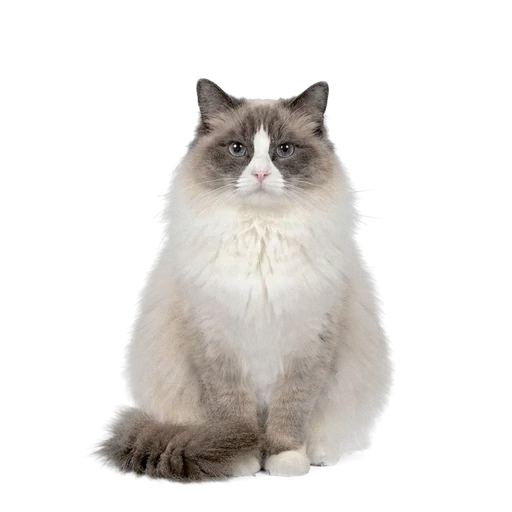
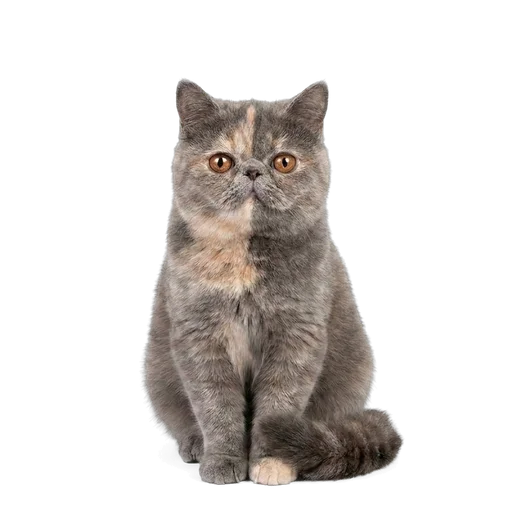
Deciding between similar breeds? Here is the Ragamuffin next to Ragdoll and Exotic Shorthair.
| Ragamuffin | Ragdoll | Exotic Shorthair | |
|---|---|---|---|
| Size | Large | Large | Medium |
| Weight | 4-9 kg | 4-9 kg | 3-6 kg |
| Lifespan | 12-18 yrs | 12-17 yrs | 12-15 yrs |
| Activity | Calm | Calm | Calm |
| Shedding | Medium | Medium | Medium |
| Good with kids | Yes | Yes | Yes |
| Apartment-friendly | Yes | Yes | Yes |
Frequently asked questions
What is the difference between a Ragamuffin and a Ragdoll?
They share ancestry and both are large, docile lap cats. The main difference is coat color and pattern: Ragdolls come in pointed patterns with blue eyes, while Ragamuffins are accepted in a much wider range of colors, patterns, and eye colors. Temperament between the two is very similar.
Are Ragamuffins good for first-time cat owners?
Yes. Their calm, forgiving nature, low energy, and tolerance of handling make them one of the easier breeds to start with. The main thing a new owner must stay on top of is portion control, since these cats gain weight easily.
Why does my Ragamuffin keep gaining weight?
Their relaxed temperament and low activity level make obesity a real risk, especially with free-feeding. Switch to measured meals, cut back on treats, and add short daily play sessions. If the weight will not shift, ask your vet to rule out an underlying issue and set a target weight.
Do Ragamuffins get along with dogs and children?
Very well. They are patient and gentle, which suits homes with respectful children and cat-friendly dogs. Their high tolerance means they usually walk away rather than scratch when play gets rough.
Is the Ragamuffin hypoallergenic?
No. Their long coat sheds a moderate amount and spreads the Fel d 1 allergen that comes from saliva and skin. No breed is genuinely hypoallergenic, so allergy sufferers should spend time with the breed before committing.
Related breeds
Health and care information is drawn from established veterinary sources and is general guidance, not veterinary advice. See our sources
Keep records for your Ragamuffin
Vaccinations, food and treat safety, allergy alerts and parasite reminders - all tracked for your Ragamuffin in the Pethls app.