

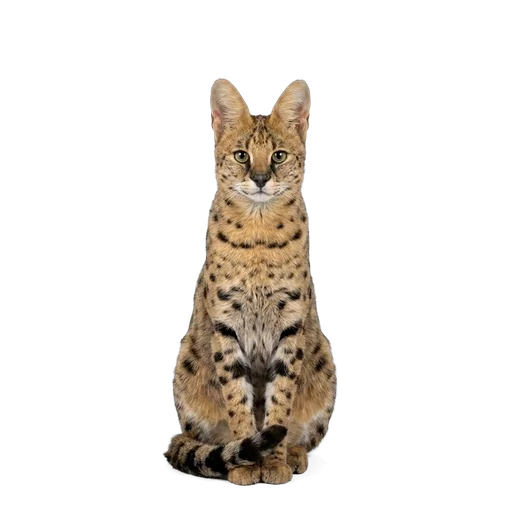
Origin: United States
Savannah
Get reminders for your Savannah's vaccines
Vaccination and parasite reminders, food-safety scans and health records — free to start in the Pethls app.


Good for
The Savannah is a tall, long-legged hybrid created by crossing a domestic cat with the African serval, and it moves through a house more like an athlete than a lap cat. They are remarkable jumpers, easily clearing high furniture and shelves from a standing start. They are loyal, intensely curious, and closer to a dog in behavior than most people expect, often following their person around, learning to walk on a leash, and playing in water. This is a cat for an active, experienced home with space to burn. It is emphatically not the breed for someone who wants a calm cat to nap on the sofa.
Temperament & personality
Savannahs are bold, whip-smart, and endlessly active. They open doors, climb to the highest shelf in the room, and get into anything that looks interesting. Many owners describe them as dog-like: they greet you, they follow you, and some genuinely fetch and enjoy leash walks.
That intelligence needs an outlet. Without tall climbing structures, puzzle feeders, and daily interactive play, a Savannah gets destructive out of sheer boredom. This is not a set-and-forget pet, and it is a poor match for a first-time cat owner who underestimates the workload.
Raised with people and other animals from kittenhood, Savannahs can do well in busy, active families and alongside dogs or other cats. They form strong bonds and can be affectionate on their own terms, but they want a partner in activity more than a warm lap.
Vaccination schedule
Savannah kittens follow the same core schedule as any cat. FVRCP (feline viral rhinotracheitis, calicivirus, and panleukopenia) starts at 6 to 8 weeks, with boosters every 3 to 4 weeks until the kitten is at least 16 weeks old. That final dose past 16 weeks is what ensures lasting protection once maternal antibodies fade.
Rabies is given once between 12 and 16 weeks, following your local legal requirements, then boosted at one year and every 1 to 3 years after. Core vaccines get their first adult booster at around 12 months, then move to your vet's ongoing schedule.
Because many Savannahs go outdoors on a harness or explore secured outdoor runs, FeLV (feline leukemia) vaccination is worth serious discussion. Any cat with outdoor access or contact with unknown cats should be protected. Keep a full record, as this breed can live up to 20 years.
Best food & diet
Savannahs are large, lean, and muscular, and they do best on a high-protein, meat-forward diet that reflects their active build. Growing kittens especially need quality protein to support that tall frame. Some breeders and owners feed raw or partly raw diets, but this should only be done with veterinary guidance to keep it complete and safe.
Beef and chicken are among the more common allergy triggers for the breed, so if you see itching or digestive trouble, those proteins are worth investigating first with your vet. If a food allergy is likely, your vet can guide an elimination diet using a novel-protein or hydrolyzed food to find the trigger.
Feed to condition and body weight, not to a fixed cup, because a small 5.5 kg cat and a large 11 kg one have very different needs. Keep fresh water available at all times, and split meals to match their high activity level.
Common health problems
Hypertrophic cardiomyopathy (HCM), a thickening of the heart muscle, is the most significant health concern in Savannahs and in many pedigree cats. It can develop silently, so ask your breeder about cardiac screening of the parents, and consider periodic heart checks with your own vet as your cat ages.
Pyruvate kinase deficiency is an inherited enzyme disorder that causes a form of anemia. It is best known in breeds like the Abyssinian, Somali and Bengal rather than the Savannah, but because a Savannah's ancestry can include those lines, it is reasonable to ask a breeder whether the parents have been DNA tested and to see the results before buying a kitten.
Before any surgery, dental work, or sedation, give your vet your cat's full weight and health history so they can tailor the safest anesthetic protocol. That is standard good practice for any cat, not something unique to the breed.
Allergies & skin
Food-driven allergies in Savannahs most often trace to beef or chicken, showing up as itchy skin, over-grooming, or an upset stomach rather than respiratory signs. A vet-led elimination diet is the dependable way to pin down the trigger, since guessing usually swaps one problem protein for another.
Environmental triggers include dust mites and grass pollen, the latter being relevant given how many Savannahs spend time outdoors. Seasonal itching that flares in spring and summer points toward pollen. Wiping your cat down after outdoor time and washing bedding weekly both help.
The short coat makes skin easy to inspect. Check for scabs, thinning patches, or redness during your weekly once-over. Persistent scratching or a raw spot warrants a vet visit before it becomes an infection, especially in an active cat that is outdoors often.
Flea, tick & worm prevention
Use only cat-safe flea and tick products, and never a dog product containing permethrin. Cats cannot metabolize permethrin, and it can cause tremors, seizures, and death even in small amounts. This is a critical rule for a breed that often shares space with dogs.
Savannahs that go outside on a harness face higher exposure to fleas and ticks than an indoor-only cat, so a consistent, year-round vet-approved preventive matched to their body weight is important. After outdoor sessions, run your hands through the coat and check for ticks, particularly around the ears, neck, and between the toes.
Deworming should match the outdoor lifestyle. Cats that hunt or roam need more frequent worming than strictly indoor cats. Many products combine flea and worm protection, so ask your vet to design one weight-appropriate plan rather than mixing several treatments.
Medications & dosing
Dose every medication by accurate body weight, which is especially important in a breed that ranges from around 5.5 kg to 11 kg. A dose that suits a small female could be far too little for a large male, so use a real clinic weight rather than an estimate.
Because dosing depends on it, make sure your vet has an accurate clinic weight before any anesthetic or sedation.
Never give human medications. Paracetamol (acetaminophen) is fatal to cats, and ibuprofen is dangerous. Only vet-prescribed feline pain relief is safe. With any prescription, follow the schedule, complete the course, and report side effects instead of stopping on your own.
Grooming & coat care
The Savannah's short, spotted coat is low-maintenance. A weekly brush removes loose hair and keeps shedding in check, and shedding is moderate rather than heavy. Most Savannahs, given their curiosity, tolerate or even enjoy the attention.
Turn grooming into a full health check. Look at the teeth for tartar and inflamed gums, wipe the ears if you see wax, and scan the skin for anything unusual. Introduce tooth brushing with cat-safe paste early, since dental care is easier to maintain in a cat used to being handled.
Trim nails regularly and provide sturdy, tall scratching posts and cat trees, because this breed climbs high and needs to. A leash-trained Savannah with plenty of vertical space and enrichment is a far calmer, better-groomed cat than one with nowhere to put its energy.
How the Savannah compares
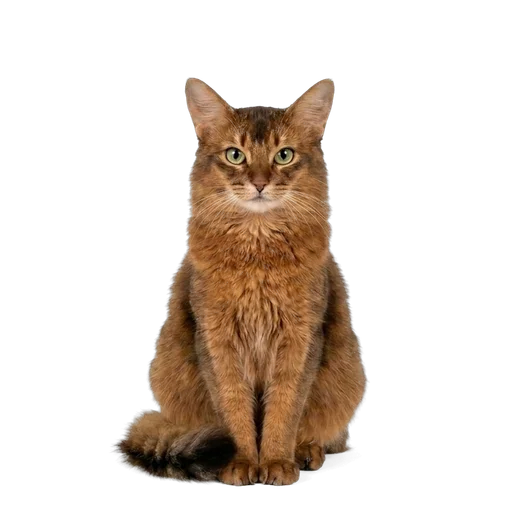
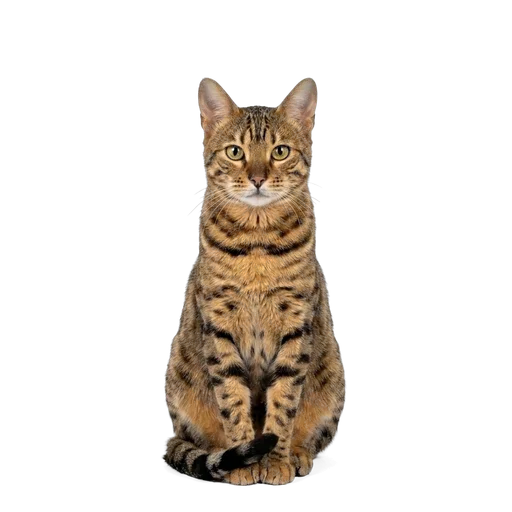
Deciding between similar breeds? Here is the Savannah next to Somali and Cheetoh.
| Savannah | Somali | Cheetoh | |
|---|---|---|---|
| Size | Large | Medium | Large |
| Weight | 5.5-11 kg | 3.5-5 kg | 5.5-11.5 kg |
| Lifespan | 12-20 yrs | 12-16 yrs | 10-15 yrs |
| Activity | Active | Active | Active |
| Shedding | Medium | Medium | Low |
| Good with kids | Yes | Yes | Yes |
| Apartment-friendly | No | Yes | No |
Frequently asked questions
Are Savannah cats legal to own?
It depends where you live. Later generations (F4 and beyond) are widely accepted, but early generations such as F1 and F2 are restricted or banned in some states and countries. Check your local and national laws before buying, because the rules vary a lot by region.
Are Savannah cats good for beginners?
Not really. They are extremely active, intelligent, and demanding of space and enrichment, which overwhelms many first-time owners. They suit experienced, active households that can commit to daily play, climbing structures, and mental stimulation.
Do Savannah cats really like water?
Many do. It is a common breed trait, and some will play in the sink, join you in the shower, or splash in a water bowl. Not every individual loves it, but water play is a genuine part of the breed's reputation.
Can Savannahs live with dogs and other cats?
Yes, when raised with them from kittenhood. Their confident, dog-like nature often makes them good companions for an active dog or another cat. Proper early socialization is the key to a smooth household.
Why do I need to tell my vet my cat is a Savannah before surgery?
A full health history helps your vet pick the safest anesthesia and dosing for your cat. Sharing your cat's breed, weight, and history lets them choose a safer anesthesia protocol for any surgery, dental, or sedation. It is a simple step that can prevent a serious reaction.
Related breeds
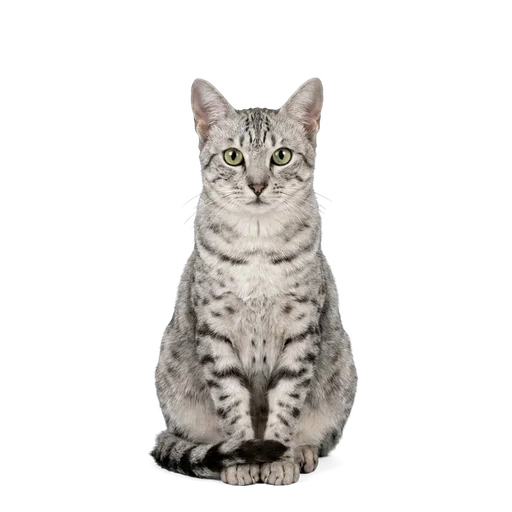
Health and care information is drawn from established veterinary sources and is general guidance, not veterinary advice. See our sources
Keep records for your Savannah
Vaccinations, food and treat safety, allergy alerts and parasite reminders - all tracked for your Savannah in the Pethls app.