

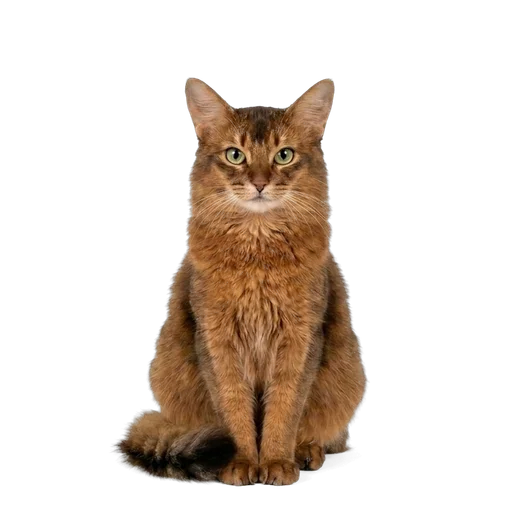
Origin: United States
Somali
Get reminders for your Somali's vaccines
Vaccination and parasite reminders, food-safety scans and health records — free to start in the Pethls app.


Good for
Picture an Abyssinian that grew a fox tail and you have the Somali, a long-haired version of that ancient athletic breed. These cats are extroverts in the truest sense, happiest when they have company, a puzzle to solve, and something to climb. Owners often describe them as almost monkey-like, because a Somali will use its front paws to open cupboards, dip into water bowls, and carry small objects around the house. They stay playful well into adulthood and get bored fast in an empty, quiet home. If you want a lap cat that naps all day, this is not your breed, but if you want a busy, affectionate shadow, few cats match it.
Temperament & personality
The Somali is curious to the point of being nosy. It wants to be part of whatever you are doing, whether that is cooking, working at a desk, or unpacking groceries. This is a cat that follows you room to room and often perches on the highest available surface to keep an eye on the household. Intelligence is a big part of the package. Somalis learn to open doors, fetch toys, and figure out where treats are hidden, so mental stimulation matters as much as physical play.
Socially, they do well with children who understand how to play gently and with other cats or cat-friendly dogs. Their energy suits a busy family. What they cannot handle well is long stretches alone. A Somali left by itself all day, every day, tends to become vocal, destructive, or withdrawn. Many owners keep two, or pair a Somali with another active pet, so there is always a playmate.
First-time cat owners can absolutely fall in love with the breed, but the honest advice is that a Somali asks for more engagement than an average moggy. Cat trees, window perches, food puzzles, and daily interactive play with a wand toy are not extras here, they are the baseline for a happy, well-behaved cat.
Vaccination schedule
Somali kittens follow the standard feline core protocol. The FVRCP vaccine, which covers feline viral rhinotracheitis, calicivirus, and panleukopenia, usually starts at 6 to 8 weeks of age. Boosters continue every 3 to 4 weeks until the kitten is at least 16 weeks old, because maternal antibodies can otherwise blunt the response to an early single shot.
Rabies is given once between 12 and 16 weeks, depending on local law and the vaccine product your vet uses. After the kitten series, both FVRCP and rabies are boosted at around one year, then repeated on a one-year or three-year cycle based on the specific vaccine and your cat's lifestyle.
FeLV, the feline leukaemia vaccine, is recommended for any Somali that goes outdoors or lives with cats who have outdoor access. Indoor-only cats with no exposure to unknown cats may not need it long term, but most vets advise the full kitten FeLV series regardless, then reassess based on how the cat actually lives.
Best food & diet
Somalis are lean, muscular cats that burn a lot of energy, so they do best on a high-protein diet built around named animal proteins. Look for a complete food where meat, poultry, or fish sits at the top of the ingredient list. As obligate carnivores, cats need that animal protein and the taurine that comes with it, not a filler-heavy recipe padded out with grains or plant protein.
Portion control still matters even in an active breed. Feed to a measured amount rather than free-feeding a full bowl all day, and adjust based on body condition. You should be able to feel your Somali's ribs under a thin layer of fat and see a visible waist from above. Because these cats love to play, food puzzles and treat balls double as enrichment and slow down fast eaters.
Fresh water should always be available, and many Somalis prefer running water, which is partly why they play in bowls and taps. A pet water fountain often increases how much they drink, which is helpful for urinary and kidney health. Given the breed's link to renal amyloidosis, supporting good hydration across life is a sensible habit, not just a fussy detail.
Common health problems
Pyruvate kinase deficiency is one of the more important inherited conditions in the breed. It is a red blood cell enzyme problem that can cause intermittent anemia, with signs like lethargy, pale gums, and poor stamina. There is a reliable DNA test, so responsible breeders screen their cats and avoid pairing two carriers. If you are buying a kitten, ask to see the parents' PK-deficiency test results.
Progressive retinal atrophy also appears in Somalis. This is a gradual degeneration of the retina that slowly reduces vision and can lead to blindness. It is not painful, and cats cope remarkably well because they navigate by memory and whiskers, but it is another reason genetic screening of breeding cats matters.
Dental disease is a practical, everyday concern. Somalis are prone to periodontal disease, so gum inflammation, tartar, and tooth resorption can creep up if the mouth is ignored. Home tooth brushing, dental diets, and regular checks help a lot. Watch for bad breath, drooling, or a cat that suddenly prefers soft food.
Renal amyloidosis is the most serious concern to keep on your radar. Abnormal protein deposits build up in the kidneys and can lead to kidney failure, sometimes in relatively young adults. Signs include increased drinking and urination, weight loss, and poor appetite. Routine blood and urine screening as your cat ages catches kidney changes early, when diet and support can make the biggest difference.
Allergies & skin
The Somali is not a hypoallergenic breed. It produces the Fel d 1 protein that triggers most cat allergies, and its semi-long coat sheds dander into the home like any other cat. People who react to cats will usually react to a Somali, so it is not a safe pick for a genuinely allergic household.
As for the cat's own skin, flea allergy dermatitis is the single most common cause of itching, hair loss, and scabbing. A single flea bite can set off an allergic cat, which is why steady parasite prevention matters even indoors. Environmental and food allergies show up less often but can cause overgrooming, ear inflammation, and irritated skin around the face and belly.
If your Somali is scratching, licking bald patches, or developing scabs, do not assume it is just dry skin. Book a vet visit to sort out fleas, allergy, and any secondary infection, because a cat that overgrooms one problem quickly creates another.
Flea, tick & worm prevention
Use only cat-specific flea and tick products. This is not a minor label detail. Dog spot-on treatments that contain permethrin are highly toxic to cats and can cause tremors, seizures, and death. Never apply a dog product to your Somali, and if you have both a dog and a cat, keep the treated dog separate until the product has fully dried so the cat cannot groom it off.
A year-round cat-safe flea preventive is the simplest way to avoid flea allergy flare-ups and tapeworm, which cats pick up by swallowing infected fleas. Your vet can recommend a suitable spot-on or oral product dosed to your cat's weight. Even strictly indoor Somalis can get fleas carried in on clothing or by other pets.
Worming should follow your vet's schedule based on lifestyle. Indoor cats generally need less frequent deworming than hunters or cats with outdoor access. If your Somali roams outside or catches prey, more regular roundworm and tapeworm treatment is sensible. Bring a fresh stool sample to annual checkups so anything unusual gets picked up.
Medications & dosing
All medications for your Somali should be dosed by body weight and directed by your vet. Cats are not small dogs. Their liver processes many drugs differently, and medicines that are safe for people or dogs, including paracetamol and ibuprofen, can be fatal to a cat. Never medicate at home from a human cabinet.
Because Somalis are lean and often smaller than they look under that coat, get an accurate weight before any dosing decision. A dense coat can make a Somali look heavier than it is, so a cat you'd guess at 5 kilograms might really be 4, and that gap matters for anaesthesia, pain relief, and antibiotics. Weigh at the vet on the same scales when you can.
If your cat is diagnosed with an inherited condition like PK deficiency or develops kidney disease, stick closely to the prescribed plan and finish full courses of any medication. Report side effects promptly rather than stopping a drug on your own, and keep a simple log of doses if your Somali is on long-term treatment.
Grooming & coat care
The Somali has a medium semi-long coat that is far less demanding than a Persian's, but it still needs help. A thorough comb once or twice a week keeps the fine hair from tangling, especially around the ruff, the britches on the back legs, and the plumed tail. During seasonal molts the shedding increases, so more frequent combing keeps loose hair out of the coat and out of your furniture.
This is a naturally clean cat that does a lot of its own grooming, which is part of why hairballs can be an occasional issue. Regular combing reduces how much hair the cat swallows. Baths are rarely needed unless the coat gets genuinely dirty.
Round out grooming with the basics that cats often skip. Trim the claws every few weeks, check and gently clean the ears, and keep up with dental care given the breed's tendency toward periodontal disease. Starting these routines while your Somali is young makes them a normal, low-drama part of life rather than a fight.
How the Somali compares
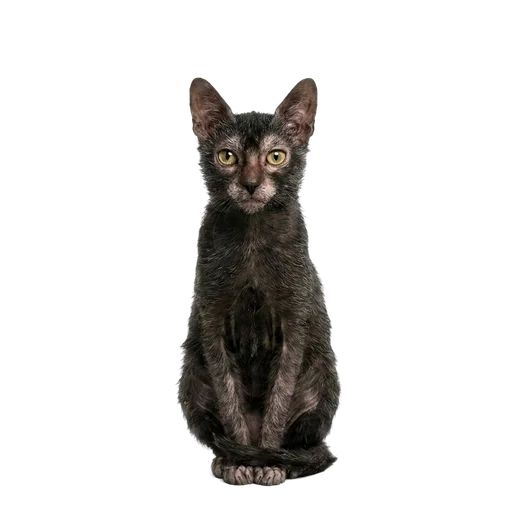
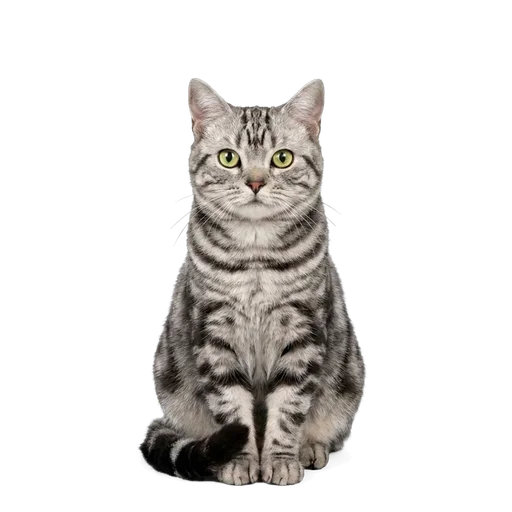
Deciding between similar breeds? Here is the Somali next to Lykoi and American Shorthair.
| Somali | Lykoi | American Shorthair | |
|---|---|---|---|
| Size | Medium | Medium | Medium |
| Weight | 3.5-5 kg | 2.5-5 kg | 3.5-7 kg |
| Lifespan | 12-16 yrs | 12-15 yrs | 15-20 yrs |
| Activity | Active | Active | Moderate |
| Shedding | Medium | Medium | Medium |
| Good with kids | Yes | Yes | Yes |
| Apartment-friendly | Yes | Yes | Yes |
Frequently asked questions
Are Somali cats hypoallergenic?
No. Somalis produce the same Fel d 1 allergen as other cats and shed dander from their semi-long coat, so they are not a good match for allergy sufferers. If you react to cats, you will very likely react to a Somali.
Do Somali cats need a lot of attention?
Yes. They are highly social, active, and intelligent, and they do poorly left alone all day. Plan on daily interactive play, plenty of climbing space and puzzles, and ideally a second pet for company. A bored Somali becomes vocal and mischievous.
How long do Somali cats live?
Most Somalis live around 12 to 16 years. Good genetics, a quality diet, dental care, and regular vet checks that watch kidney health all help them reach the upper end of that range.
What health problems are Somali cats prone to?
The main inherited concerns are pyruvate kinase deficiency, which causes anemia and has a DNA test, and progressive retinal atrophy. They are also prone to periodontal disease and, more seriously, renal amyloidosis, so hydration and kidney monitoring matter as they age.
Are Somali cats good with children and other pets?
Generally yes. Their playful, sociable nature suits families with children who handle cats gently, and they usually get on well with other cats and cat-friendly dogs. Their energy actually benefits from a household with company and activity.
Related breeds
Health and care information is drawn from established veterinary sources and is general guidance, not veterinary advice. See our sources
Keep records for your Somali
Vaccinations, food and treat safety, allergy alerts and parasite reminders - all tracked for your Somali in the Pethls app.